MSI Gaming GF63 11UC-629XFR Thin RAM upgrade specifications
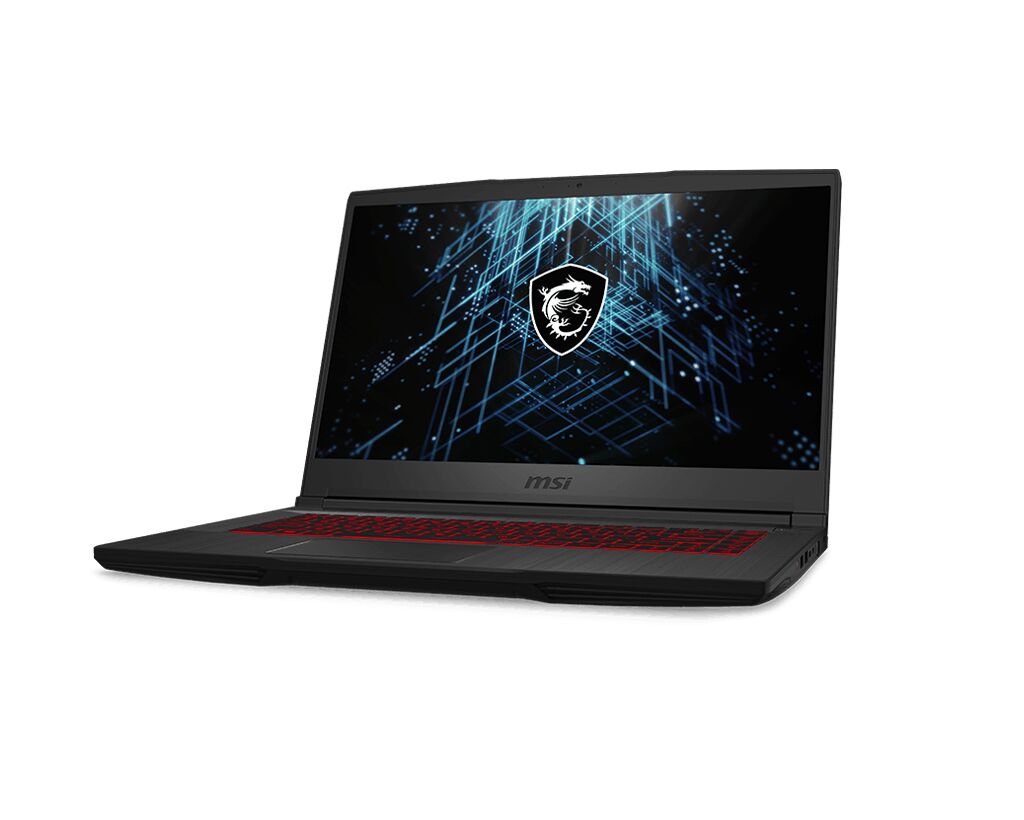
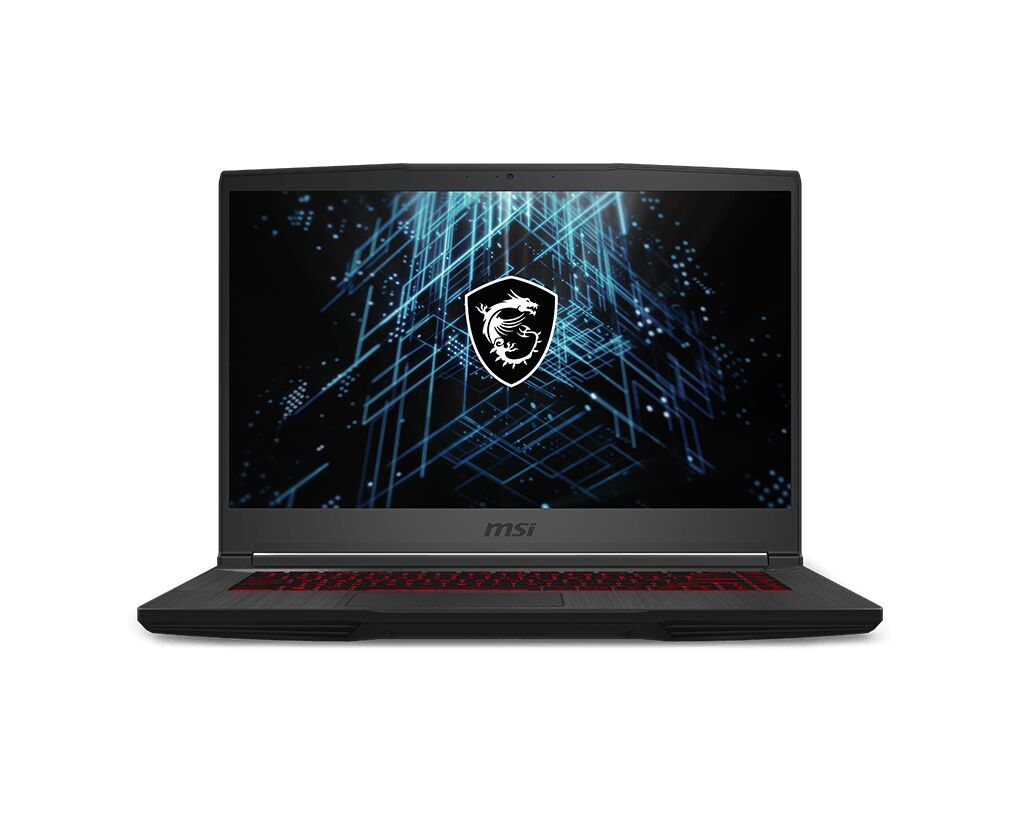
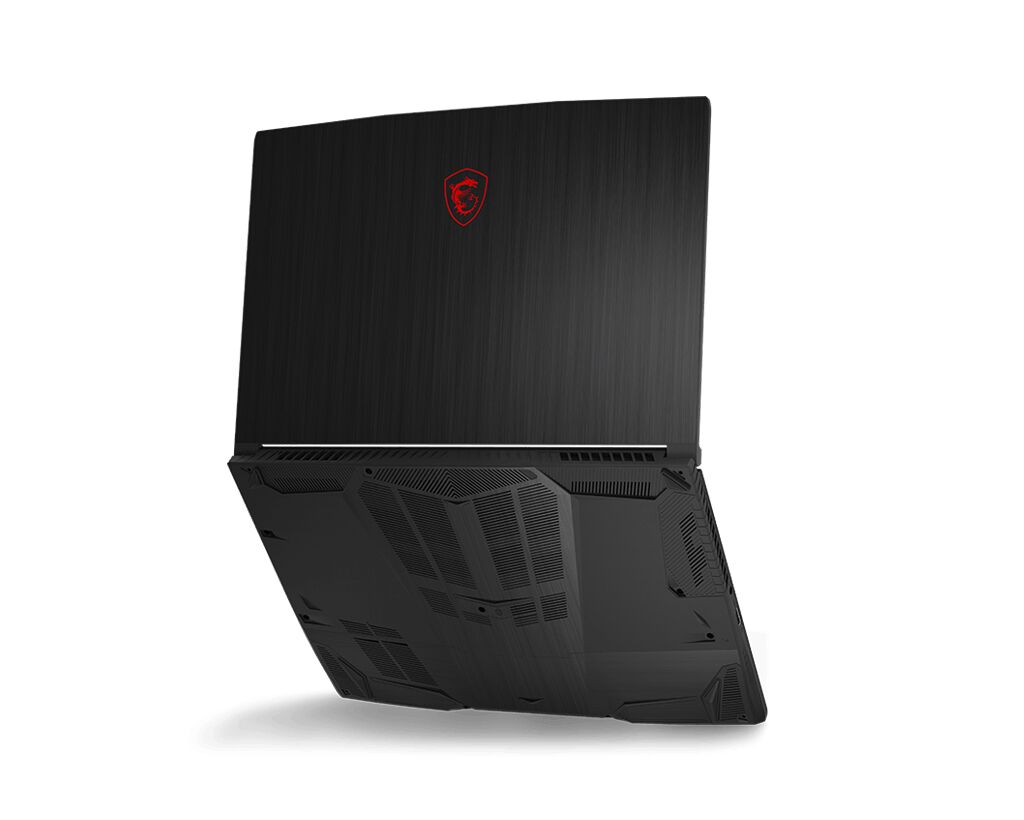
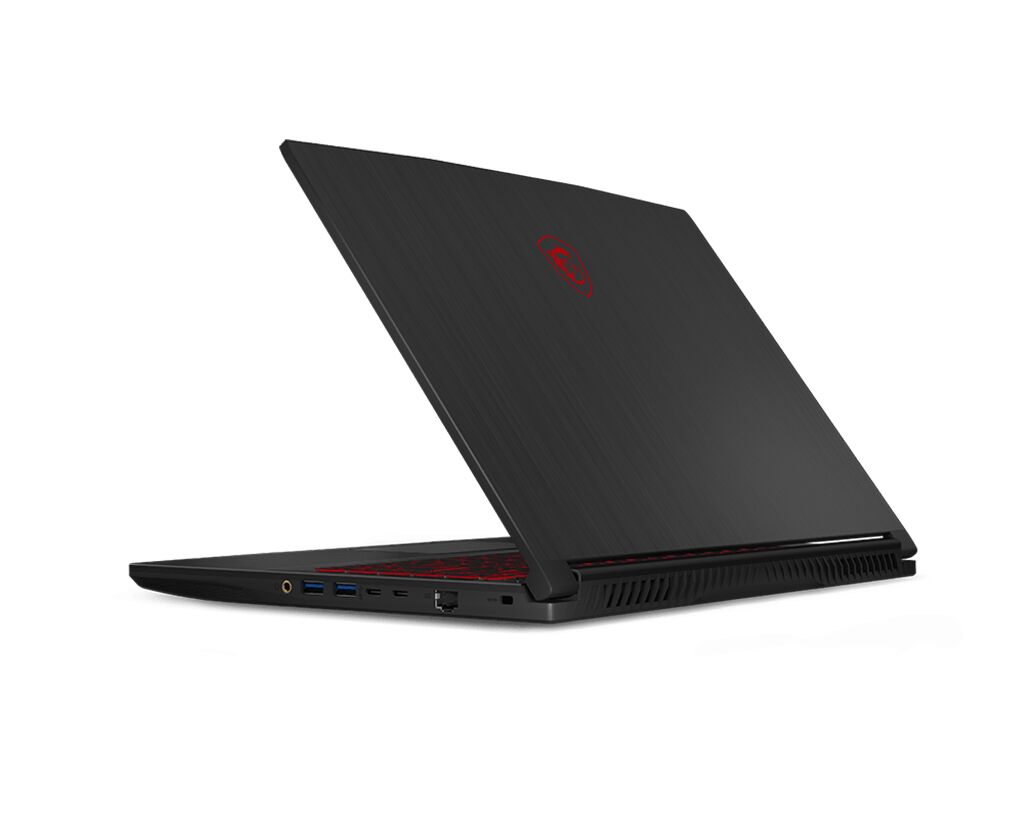
MSI GF63 11UC-629XFR Thin Gaming series laptop supports DDR4-SDRAM memory upgrades through 2 SO-DIMM slots. Maximum compatible RAM capacity reaches 64 GB total. Memory specifications include 3200 MHz frequency with SO-DIMM form factor. Upgrade configurations enable users to expand from factory-installed capacity to specifications supporting enhanced multitasking and gaming performance on MSI GF Gaming series platform.
Memory Upgrade Specifications
| Specification | Value |
|---|---|
| Memory slots | 2x SO-DIMM |
| Form factor | SO-DIMM |
| Memory type | DDR4-SDRAM |
| Frequency | 3200 MHz |
| Maximum RAM | 64 GB |
| Voltage | 1.2V |
| Number of pins | 260-pin |
| Interface | PC4 |
| PC Speed Rating | PC4-3200 (PC4-25600) |
| Bandwidth | 25.6 GB/s |
| Laptop Release date | 03 May 2022 |
Additional Notes
- The 11th generation Intel platform in this MSI GF63 11UC-629XFR Thin supports JEDEC standard DDR4-3200, eliminating the need for XMP profiles that can introduce stability issues in mobile systems.
- Dual SO-DIMM configuration enables dual-channel operation, doubling theoretical memory bandwidth to 51.2 GB/s compared to single-channel configurations, which directly impacts integrated graphics performance and CPU-intensive workloads.
- The 64 GB ceiling requires two 32 GB modules, a configuration that became widely available in consumer SO-DIMM form only after 2020 and may carry cost premiums compared to more common 16 GB densities.
- Standard DDR4 SO-DIMM voltage of 1.2V ensures compatibility across mainstream modules, though low-voltage variants rated at 1.35V should be avoided despite backward compatibility claims, as they can trigger POST failures on strict BIOS implementations.
- Access to memory slots typically requires bottom panel removal, with potential warranty seal disruption depending on regional service policies; European regulations generally protect user-serviceable component upgrades, but verification of specific terms remains advisable.
- Mixing modules with different CAS latencies forces the memory controller to adopt the slower timing across both channels, reducing effective throughput even when frequency ratings match.
- Gaming workloads at 1080p resolution with mid-range discrete graphics see measurable frame pacing improvements with 16 GB over 8 GB when background applications consume 4 GB or more, while 32 GB provides headroom for content creation workflows involving video editing or 3D rendering.
- Heat dissipation through the bottom chassis means high-density modules with taller heat spreaders may create clearance issues, though standard low-profile SO-DIMMs at 30mm height fit within the specified 3.78mm chassis thickness allowance.