MSI Gaming GF63 Thin 9SC-257 RAM upgrade specifications



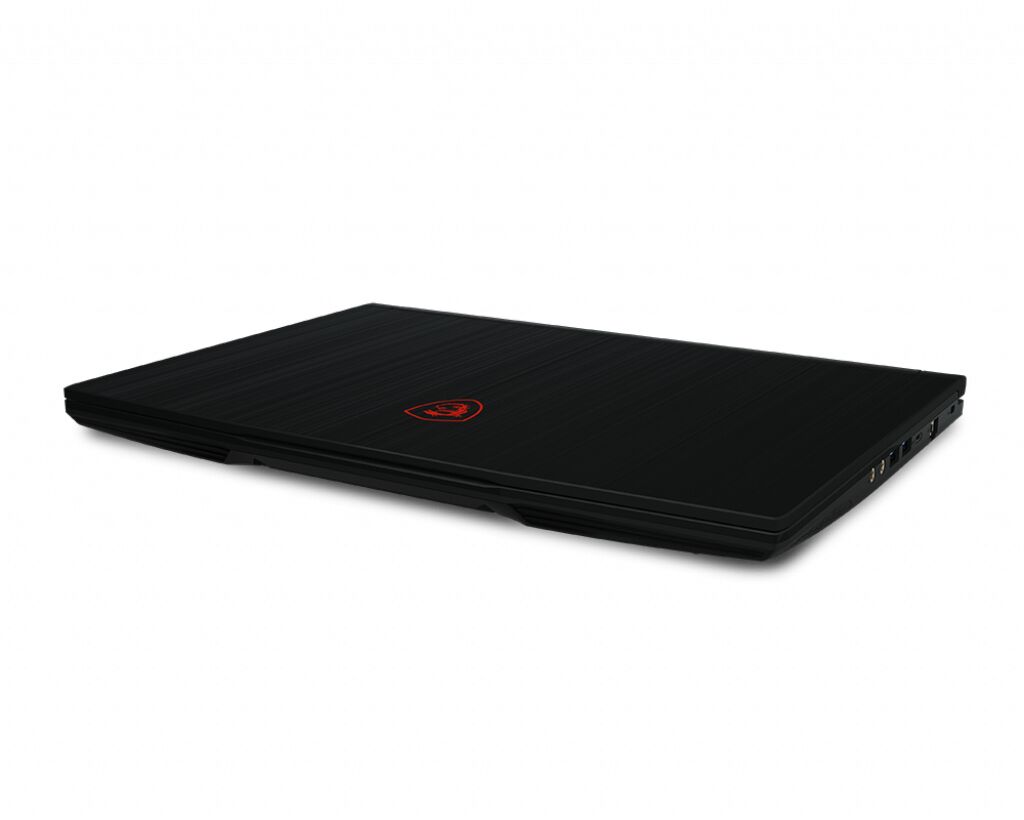
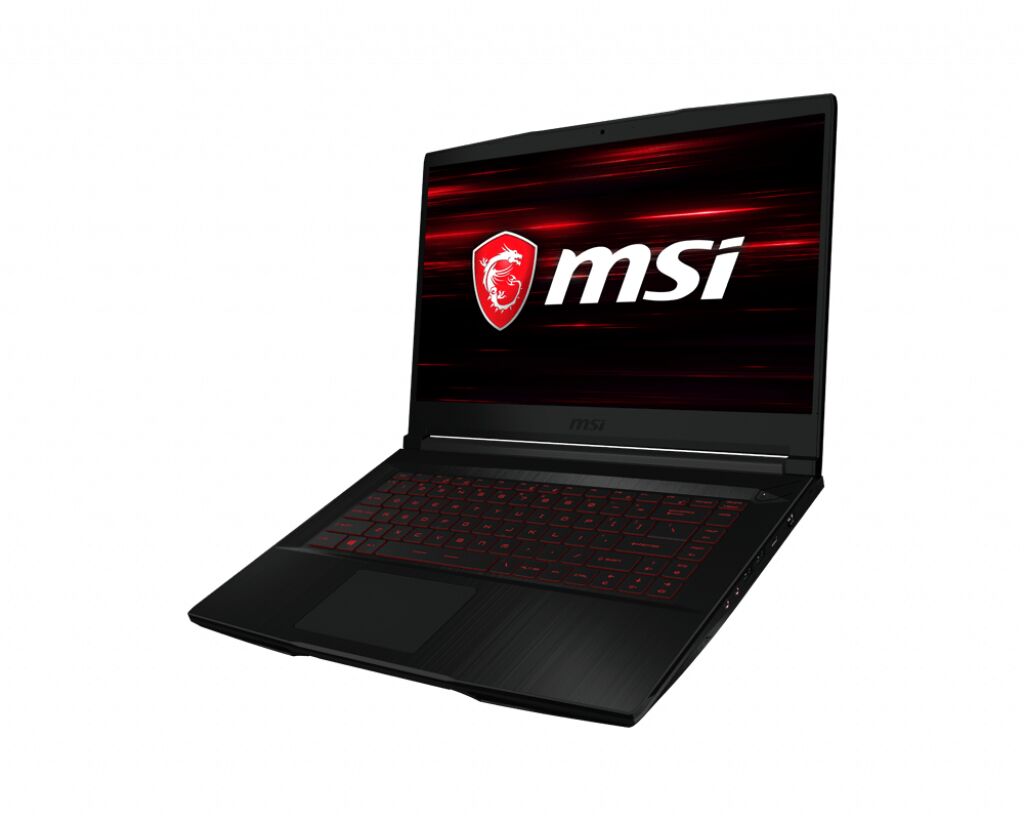
The MSI GF63 Thin 9SC-257 gaming laptop features two SO-DIMM memory slots supporting DDR4-SDRAM upgrade specifications. The memory upgrade supports a maximum capacity of 64 GB total RAM, with compatible modules operating at 2666 MHz frequency. Specifications indicate the GF series Gaming model accepts standard SO-DIMM form factor memory modules for RAM expansion and system memory upgrades.
Memory Upgrade Specifications
| Specification | Value |
|---|---|
| Memory slots | 2x SO-DIMM |
| Form factor | SO-DIMM |
| Memory type | DDR4-SDRAM |
| Frequency | 2666 MHz |
| Maximum RAM | 64 GB |
| Voltage | 1.2V |
| Number of pins | 260-pin |
| Interface | PC4 |
| PC Speed Rating | PC4-2666 (PC4-21328) |
| Bandwidth | 21.3 GB/s |
| Laptop Release date | 27 May 2019 |
Additional Notes
- The MSI GF63 Thin 9SC-257 accepts dual-channel memory configurations, which can theoretically double bandwidth compared to single-module installations when matched pairs are used.
- DDR4 modules rated above 2666 MHz will be downclocked to match the supported frequency, potentially negating any cost premium paid for higher-speed RAM.
- SO-DIMM slots typically require physical access through the bottom panel, though some laptop chassis necessitate partial keyboard or palmrest removal for memory bay access.
- The 64 GB maximum capacity requires 2 modules of 32 GB each, which remain more expensive per gigabyte than smaller-density modules due to manufacturing complexity.
- Mixing different capacity modules will still enable dual-channel operation, but only for the portion of memory matched across both slots, with excess capacity reverting to slower single-channel mode.
- Warranty preservation typically allows user-accessible RAM upgrades, though verifying the specific terms for this model prevents accidental coverage voidance.
- Intel 9th-generation platforms paired with 2666 MHz memory may experience bandwidth limitations in memory-intensive workloads compared to newer platforms supporting higher frequencies.
- Non-ECC unbuffered modules are required for consumer laptop compatibility, as registered or error-correcting variants will not initialize properly.
- CAS latency variations at 2666 MHz produce minimal real-world performance differences in gaming scenarios, making lowest-latency premium modules economically inefficient.
- Upgrading from single-channel factory configurations to matched dual-channel kits can yield 15-30% performance improvements in integrated graphics tasks, though dedicated GPU workloads see smaller gains.