MSI Gaming GF63 Thin 9SC-820PT RAM upgrade specifications
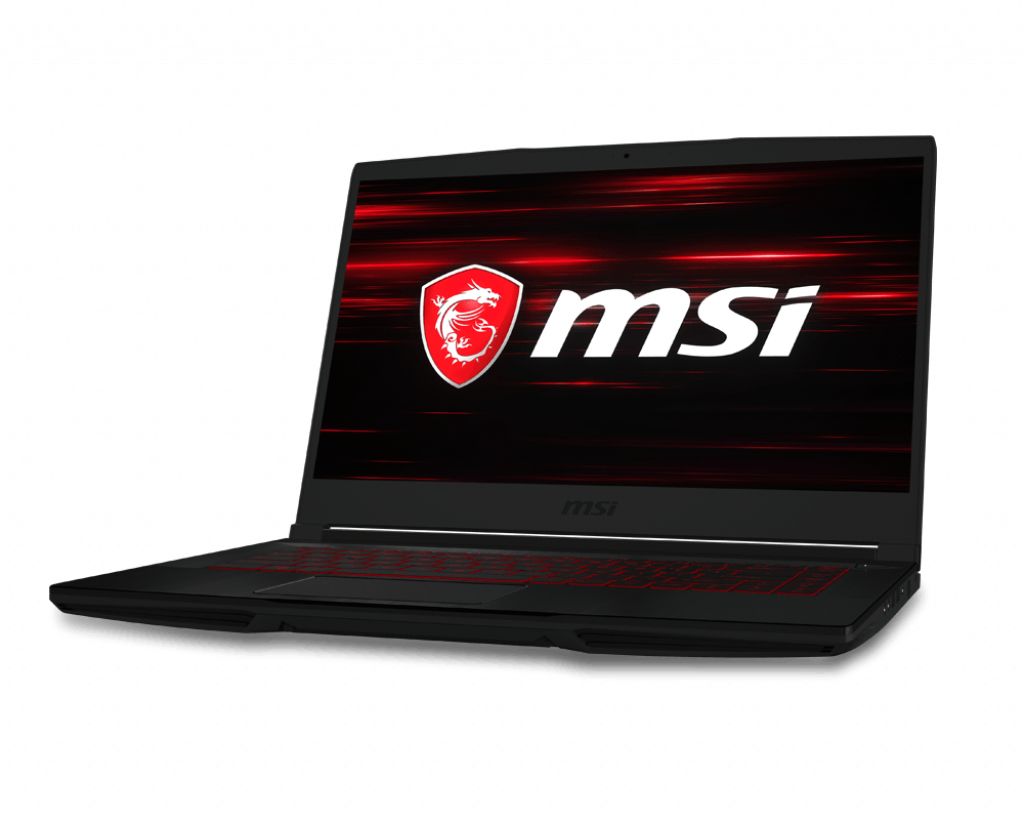
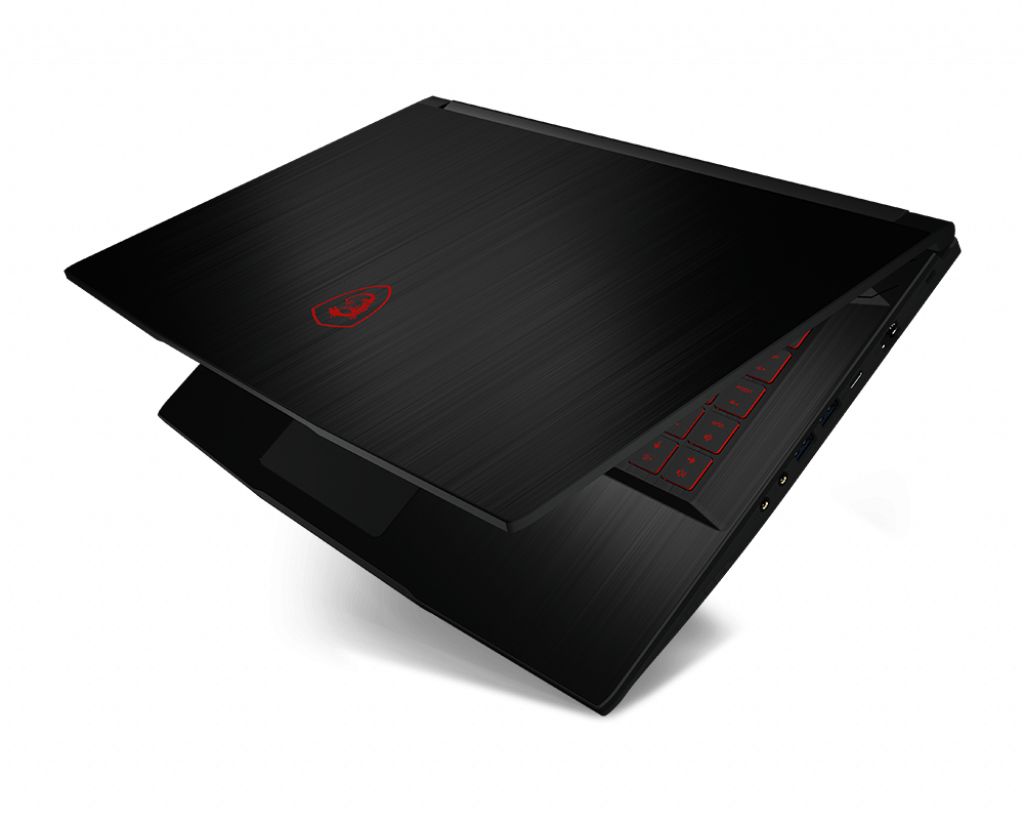

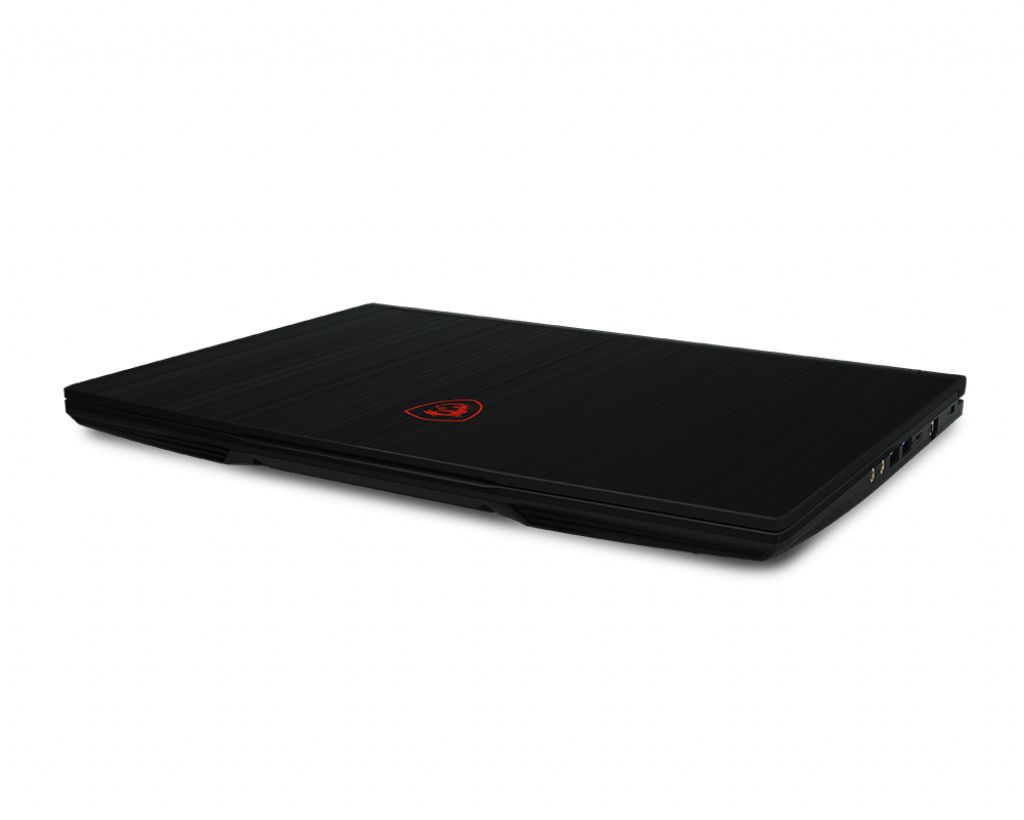
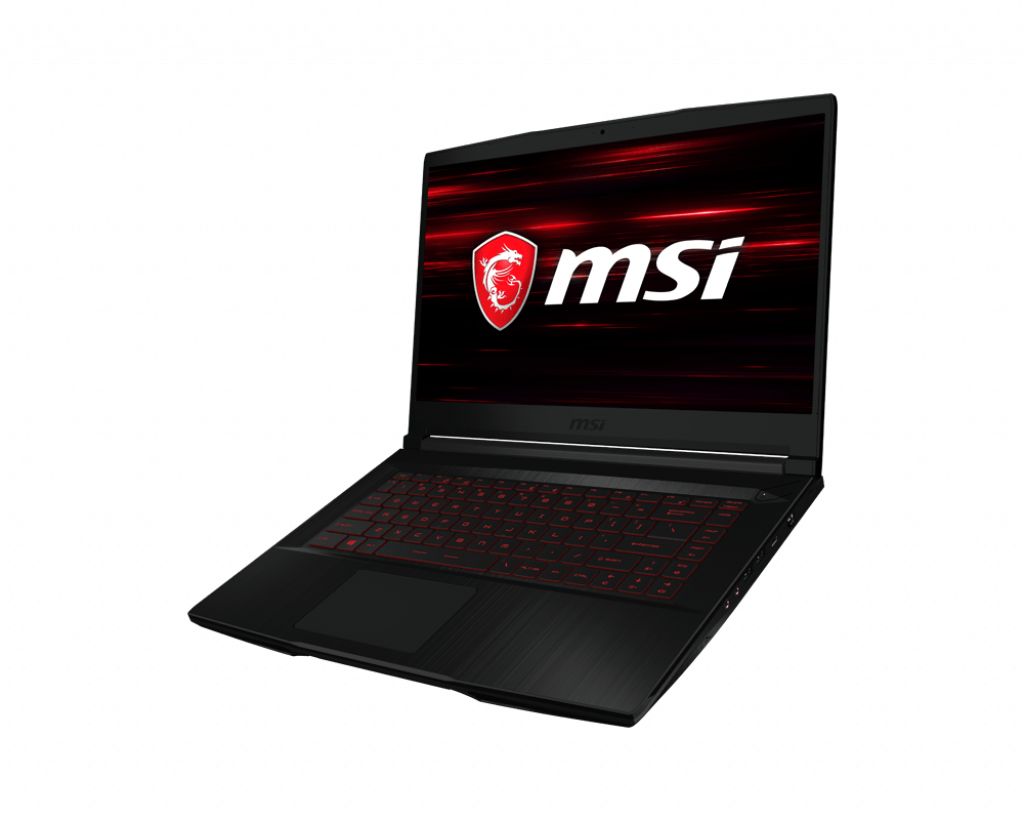
MSI GF63 Thin 9SC-820PT gaming laptop supports DDR4-SDRAM memory upgrades through two SO-DIMM slots. Maximum compatible RAM capacity reaches 64 GB total. Memory operates at 2666 MHz frequency specifications. The upgrade slots accommodate standard SO-DIMM form factor modules, enabling users to expand system memory beyond factory configurations. Compatible memory specifications support DDR4 standard for enhanced multitasking and performance capabilities on this gaming series model.
Memory Upgrade Specifications
| Specification | Value |
|---|---|
| Memory slots | 2x SO-DIMM |
| Form factor | SO-DIMM |
| Memory type | DDR4-SDRAM |
| Frequency | 2666 MHz |
| Maximum RAM | 64 GB |
| Voltage | 1.2V |
| Number of pins | 260-pin |
| Interface | PC4 |
| PC Speed Rating | PC4-2666 (PC4-21328) |
| Bandwidth | 21.3 GB/s |
| Laptop Release date | 22 January 2020 |
Additional Notes
- The 2666 MHz frequency specification indicates DDR4-2666 compatibility, which corresponds to a peak theoretical bandwidth of 21.3 GB/s per channel in dual-channel configuration.
- Both SO-DIMM slots must be populated with matched modules to enable dual-channel mode, as single-channel operation would halve the available memory bandwidth to 10.66 GB/s.
- The 64 GB maximum capacity allows for 2x32 GB module configurations, though such high-density SO-DIMMs require verification of JEDEC specifications beyond standard consumer-grade modules.
- DDR4-2666 operates at 1.2V standard voltage, which limits compatibility to modules adhering to this electrical specification rather than higher-voltage DDR4 variants.
- The MSI GF63 Thin 9SC-820PT chipset will downclock higher-frequency modules (DDR4-3200 or DDR4-2933) to the supported 2666 MHz ceiling, potentially wasting premium module costs.
- SO-DIMM modules must conform to the 260-pin standard with physical dimensions of 67.6mm length and 30mm height for proper socket engagement.
- Access to both memory slots typically requires complete bottom panel removal on thin-chassis gaming laptops, with potential warranty seal breakage depending on regional service policies.
- Mixing modules with different densities (8 GB with 16 GB) will function but forces the system into asymmetric dual-channel mode, creating a performance partition between matched and unmatched capacity segments.
- Non-ECC unbuffered modules are required, as the mobile platform lacks error-correction support found in workstation-class systems.
- CAS latency variations within DDR4-2666 specifications (CL17, CL19) produce minimal real-world performance differences but affect timing stability during POST initialization.