MSI Gaming GF65 10SDR-1093MX Thin RAM upgrade specifications



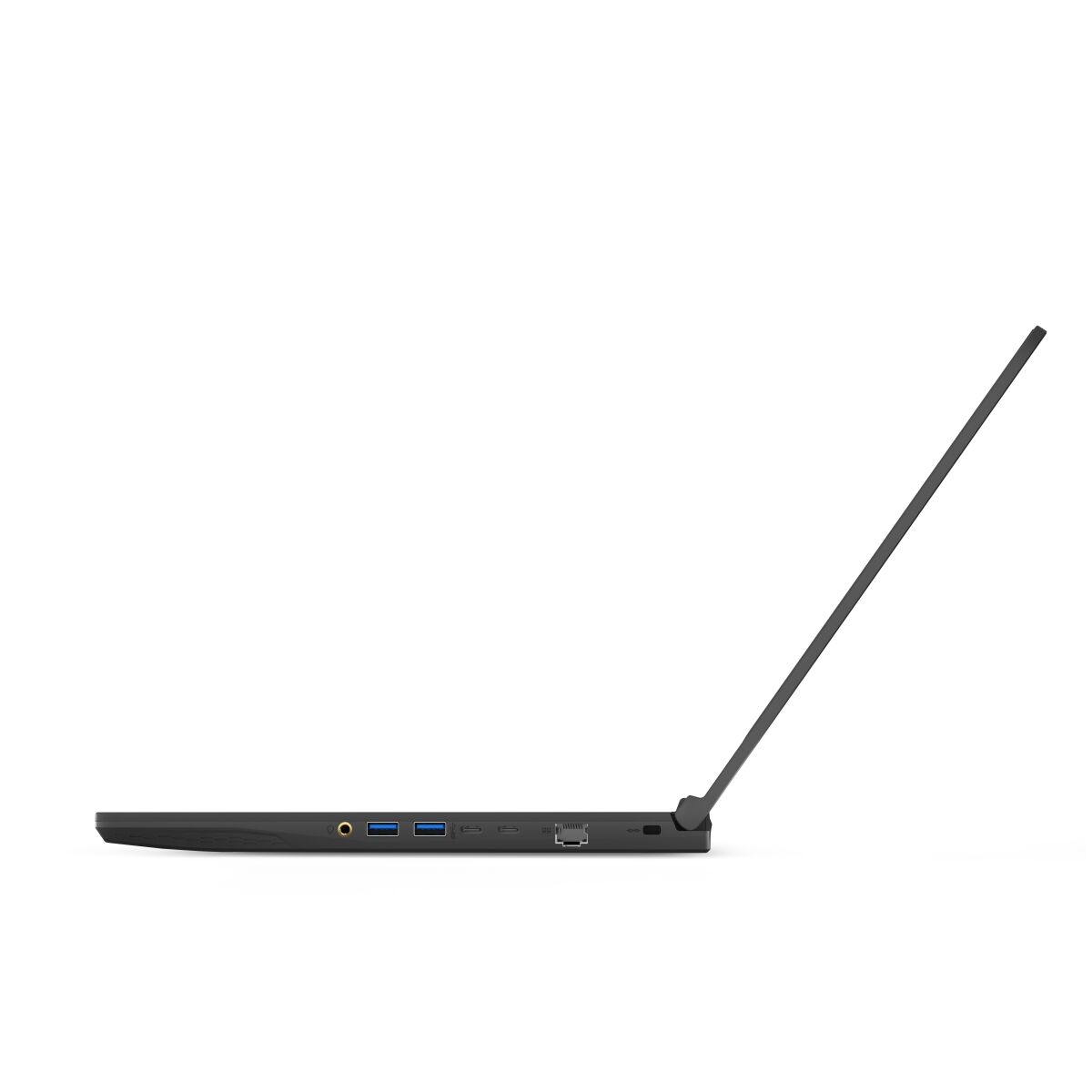
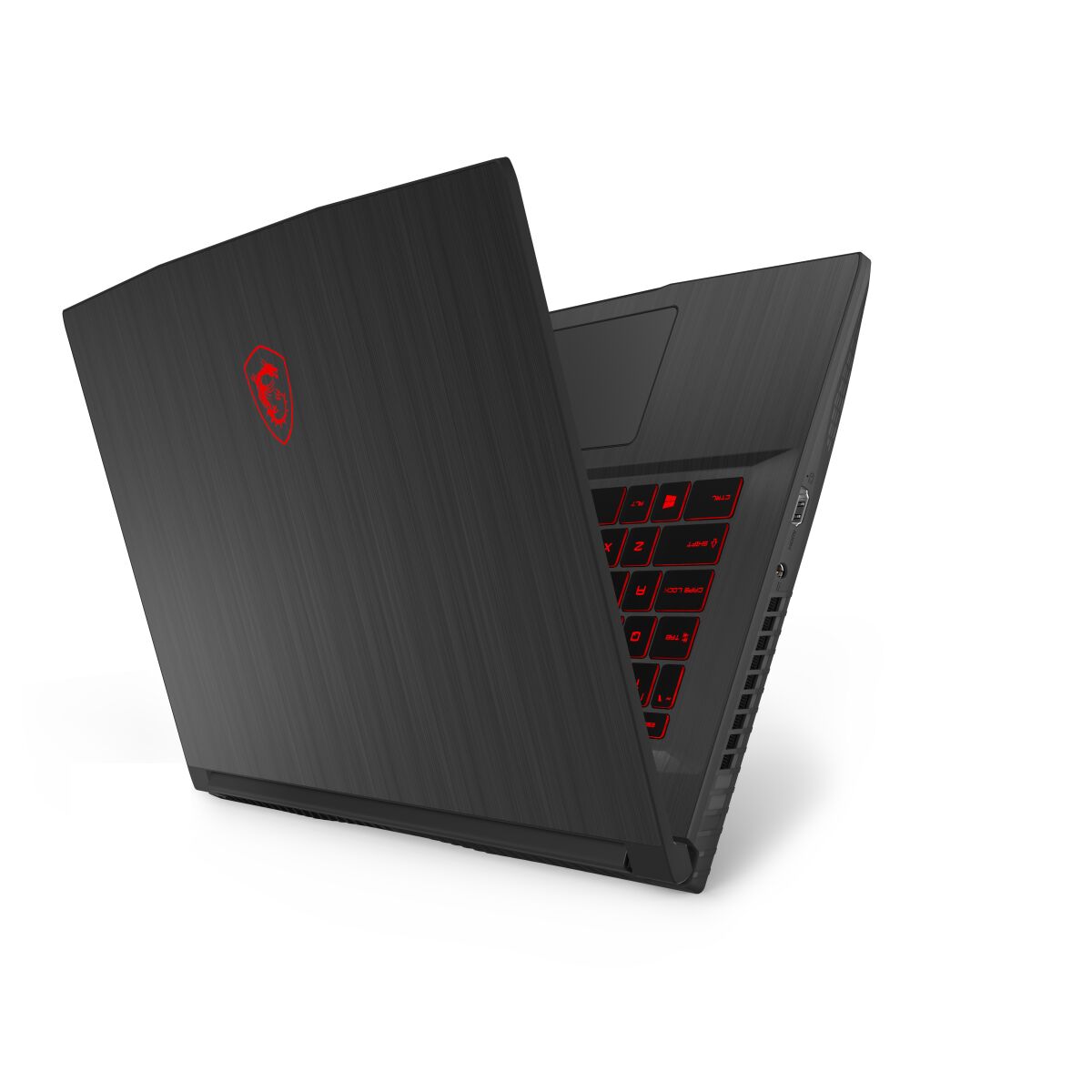
MSI GF65 10SDR-1093MX Thin gaming laptop features two SO-DIMM slots supporting DDR4-SDRAM memory upgrades. The system accommodates maximum RAM capacity of 64 GB total, with compatible memory specifications including 3200 MHz frequency. Memory upgrade options utilize SO-DIMM form factor modules. Current memory configuration and available slots enable RAM expansion for enhanced multitasking and performance capabilities in the GF series gaming platform.
Memory Upgrade Specifications
| Specification | Value |
|---|---|
| Memory slots | 2x SO-DIMM |
| Form factor | SO-DIMM |
| Memory type | DDR4-SDRAM |
| Frequency | 3200 MHz |
| Maximum RAM | 64 GB |
| Voltage | 1.2V |
| Number of pins | 260-pin |
| Interface | PC4 |
| PC Speed Rating | PC4-3200 (PC4-25600) |
| Bandwidth | 25.6 GB/s |
| Laptop Release date | 29 April 2021 |
Additional Notes
- The MSI GF65 10SDR-1093MX Thin operates with a dual-channel memory configuration that requires matched pairs for optimal performance; single-module installations result in disabled dual-channel mode and reduced bandwidth throughput.
- SO-DIMM modules generate higher temperatures than standard DIMM form factors due to reduced surface area; thermal throttling may occur under sustained gaming loads if replacement modules lack adequate heat spreaders.
- The 3200 MHz frequency specification requires validation against the installed processor's memory controller maximum supported speed; exceeding native specifications voids warranty coverage despite JEDEC compliance of the modules themselves.
- Upgrading to 64 GB total capacity requires both SO-DIMM slots populated with 32 GB modules; availability of high-capacity SO-DIMM kits at 3200 MHz remains limited compared to standard DIMM inventory, extending procurement timelines.
- The 2-slot architecture prevents staged upgrades; existing memory modules must be removed entirely and resold to fund larger-capacity replacements, creating transitional costs beyond module pricing.
- Latency compensation becomes critical when sourcing third-party DDR4-3200 modules; 10ns latency SO-DIMMs function identically to 16ns variants in this system, allowing cost optimization without performance sacrifice.
- Post-upgrade verification of XMP/DOCP profile stability is mandatory; gaming workloads stress-test memory subsystems at higher utilization than office tasks, exposing incompatibilities that benign operations might mask.