MSI Gaming GF65 9SEXR-279XIT Thin RAM upgrade specifications



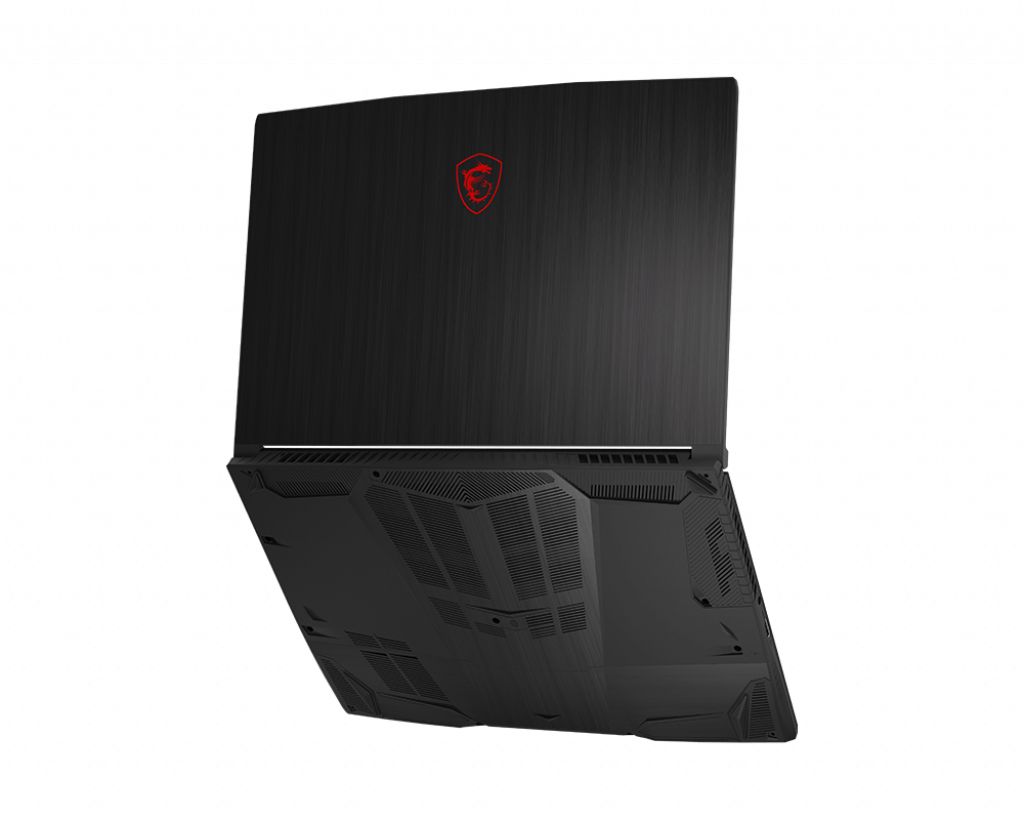
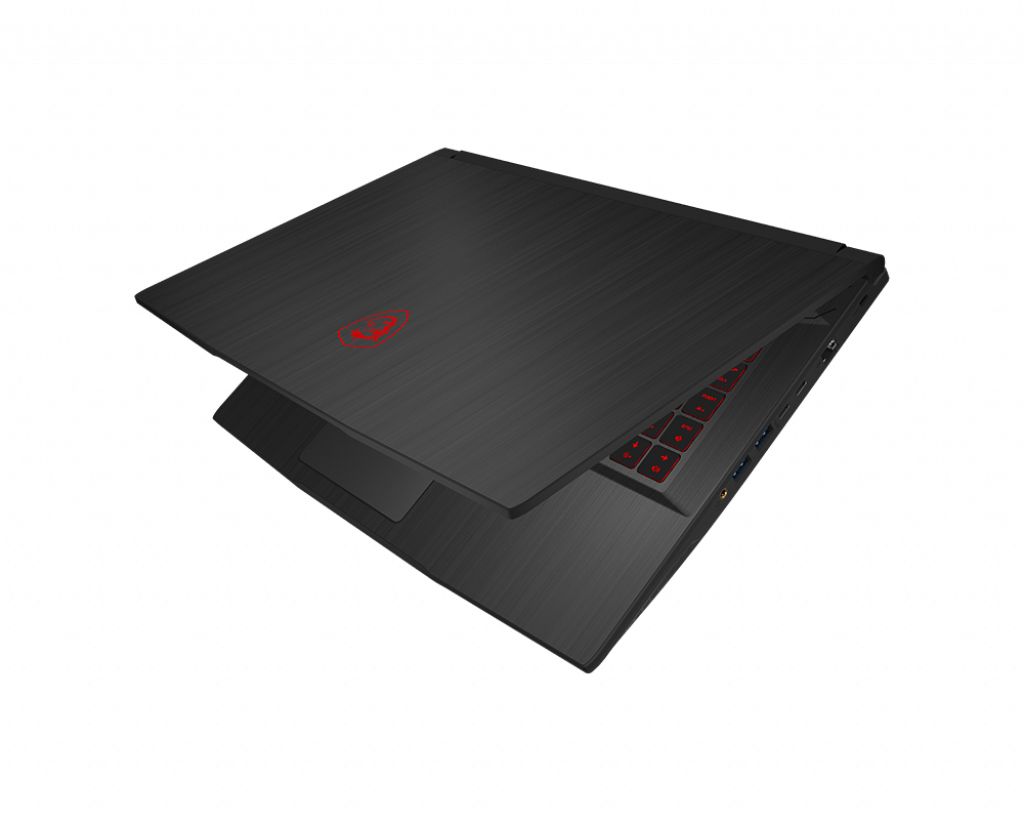
The MSI GF65 9SEXR-279XIT Thin Gaming series laptop features DDR4-SDRAM memory specifications supporting maximum RAM capacity of 64 GB. The system contains 2x SO-DIMM slots for memory upgrade compatibility. Compatible DDR4 modules operate at 2666 MHz frequency. Specifications indicate SO-DIMM form factor memory modules required for upgrade procedures on the GF series model.
Memory Upgrade Specifications
| Specification | Value |
|---|---|
| Memory slots | 2x SO-DIMM |
| Form factor | SO-DIMM |
| Memory type | DDR4-SDRAM |
| Frequency | 2666 MHz |
| Maximum RAM | 64 GB |
| Voltage | 1.2V |
| Number of pins | 260-pin |
| Interface | PC4 |
| PC Speed Rating | PC4-2666 (PC4-21328) |
| Bandwidth | 21.3 GB/s |
| Laptop Release date | 16 April 2020 |
Additional Notes
- The MSI GF65 9SEXR-279XIT Thin employs laptop-standard SO-DIMM slots, which have physical clearance constraints that may restrict installation of high-profile memory modules with certain heatspreader designs; standard-height modules remain universally compatible.
- DDR4-2666 MHz operates at a lower tier within the DDR4 spectrum; pairing this configuration with modern processors capable of higher frequencies will leave bandwidth unutilized, though this constraint reflects the mobile platform generation rather than a controllable limitation.
- The 2-slot architecture means maximum capacity of 64 GB requires dual 32 GB modules; single-module upgrades to 32 GB occupy both available slots and eliminate future expansion without complete replacement.
- SO-DIMM memory modules typically feature lower latency tolerance than desktop equivalents due to thermal constraints in compact chassis; DDR4-2666 modules with CAS latencies of 18-19 represent the practical ceiling for stable operation without additional voltage adjustment.
- Warranty considerations apply: upgrading memory voids coverage on memory-related failures only; most manufacturers permit RAM replacement as a user-serviceable component when performed carefully with static protection protocols observed.
- Asymmetrical dual-channel configuration (mismatched capacities or frequencies) triggers memory throttling to the slower specification across both slots, creating potential performance degradation if mixing existing and new modules of different speeds.