MSI Gaming GF65 9SEXR-436CA Thin RAM upgrade specifications



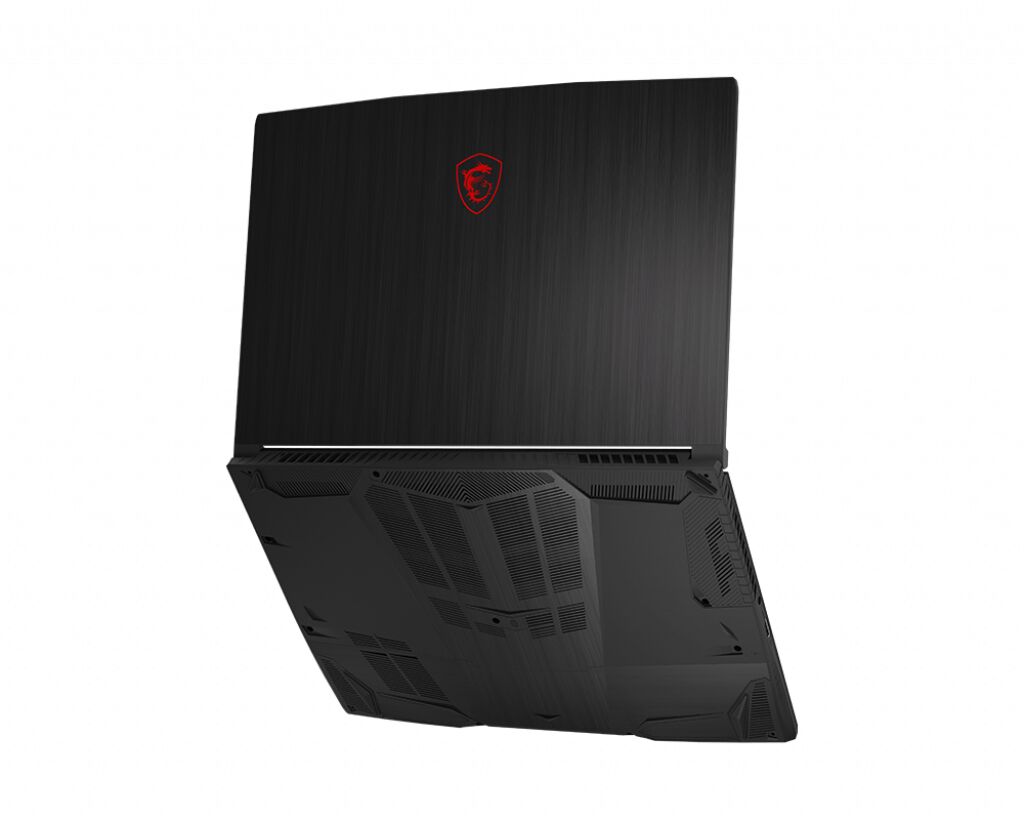
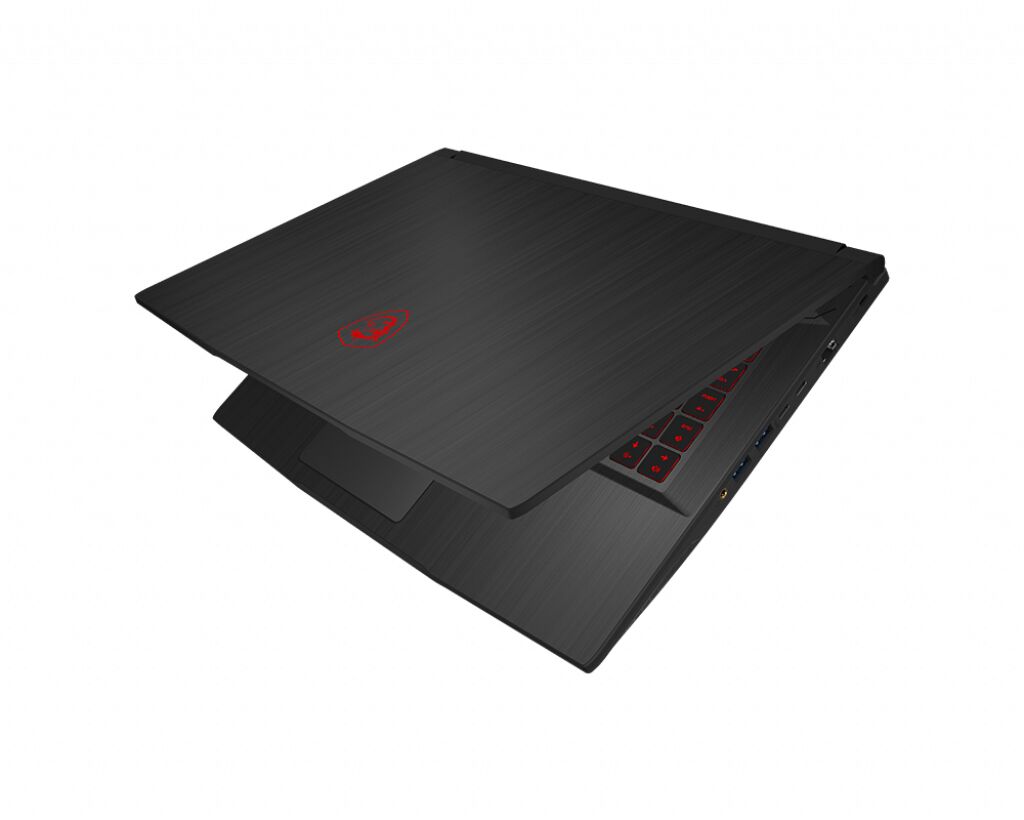
The MSI GF65 9SEXR-436CA Thin Gaming series laptop contains 2x SO-DIMM memory slots supporting DDR4-SDRAM upgrade specifications. Maximum RAM capacity reaches 64 GB total, with compatible modules operating at 2666 MHz frequency. Upgrade options utilize SO-DIMM form factor memory modules. Specifications define the memory upgrade slots and maximum compatible capacity for the GF65 9SEXR-436CA Thin model.
Memory Upgrade Specifications
| Specification | Value |
|---|---|
| Memory slots | 2x SO-DIMM |
| Form factor | SO-DIMM |
| Memory type | DDR4-SDRAM |
| Frequency | 2666 MHz |
| Maximum RAM | 64 GB |
| Voltage | 1.2V |
| Number of pins | 260-pin |
| Interface | PC4 |
| PC Speed Rating | PC4-2666 (PC4-21328) |
| Bandwidth | 21.3 GB/s |
| Laptop Release date | 22 April 2020 |
Additional Notes
- The dual slot configuration allows for dual channel memory architecture which significantly increases data throughput for CPU intensive gaming and rendering compared to single channel setups.
- Upgrading the MSI GF65 9SEXR-436CA Thin to the 64 GB maximum requires the removal of all factory installed modules because the system lacks additional vacant slots.
- Installing memory modules with speeds higher than 2666 MHz results in automatic downclocking to match the integrated memory controller limit of the 9th Generation Intel processor.
- Mixing modules with different unconventional latencies or timings can cause system instability or failure to boot because the BIOS lacks manual XMP profile adjustments.
- Physical installation requires the removal of the entire bottom chassis cover which may involve piercing a factory seal sticker depending on regional warranty policies regarding internal access.
- The SO-DIMM form factor necessitates 260 pin hardware and will not accept standard desktop DIMM modules or newer DDR5 iterations due to physical keying differences.
- Thermal constraints within the thin chassis design mean that high performance memory modules with thick integrated heat spreaders might interfere with the bottom panel closure.