MSI Gaming GF65 9SEXR-449 Thin RAM upgrade specifications
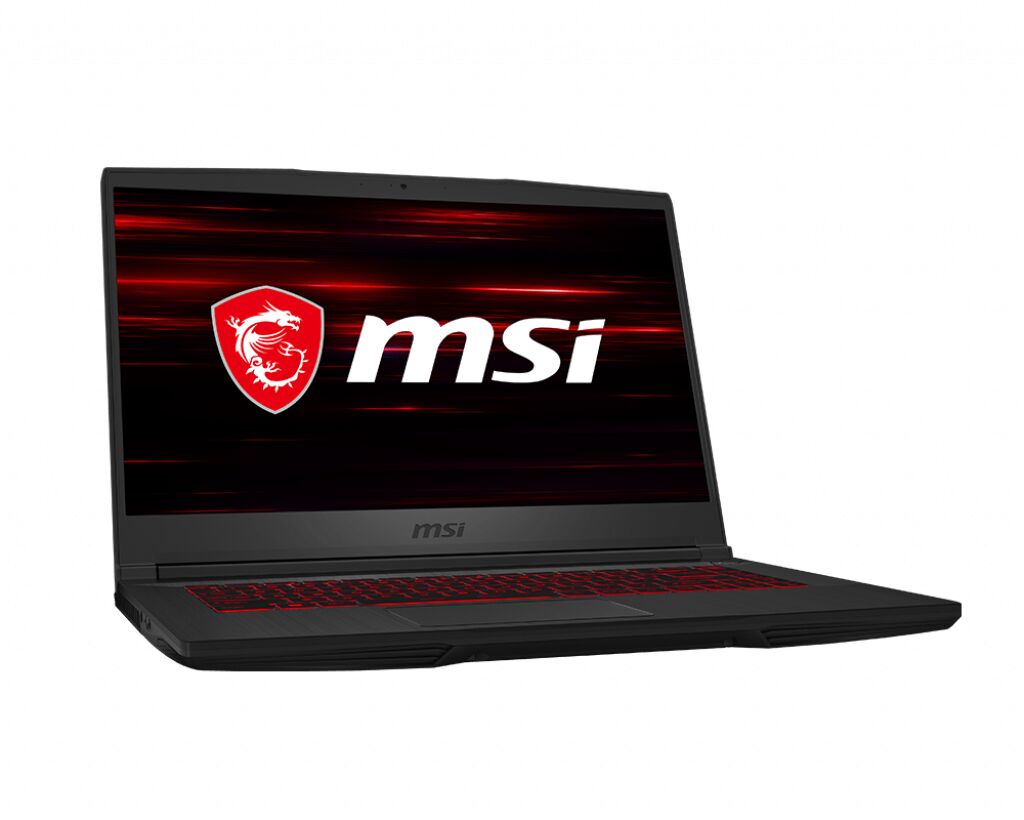


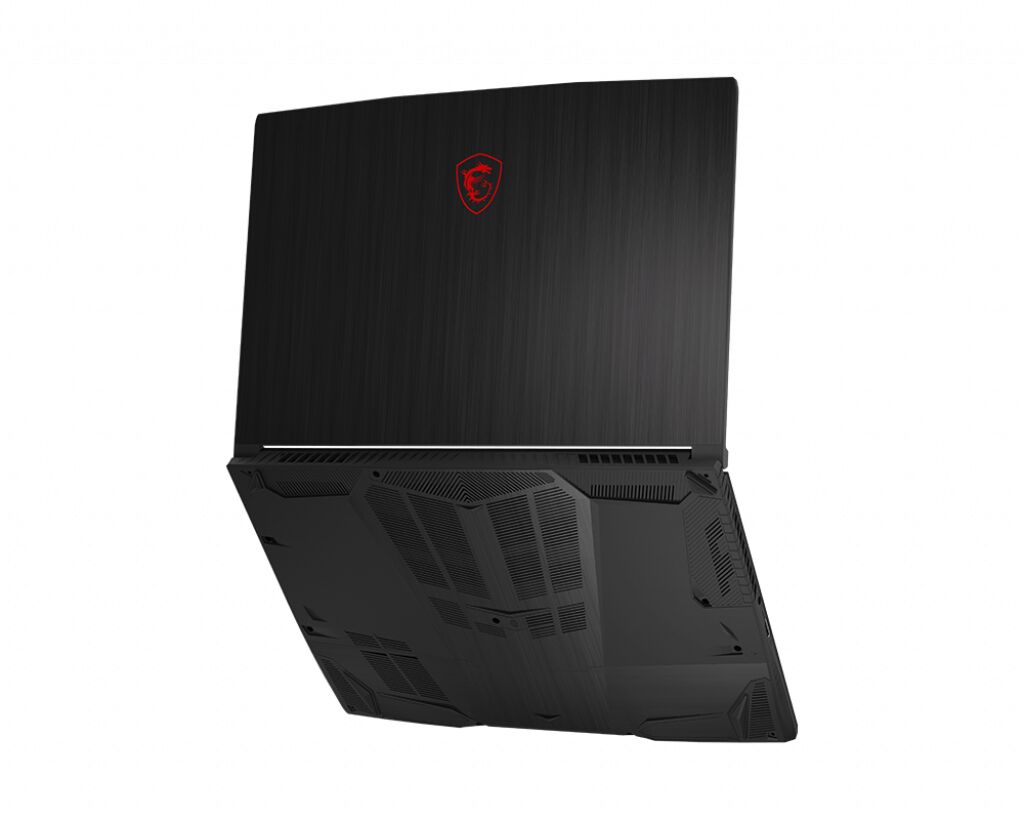
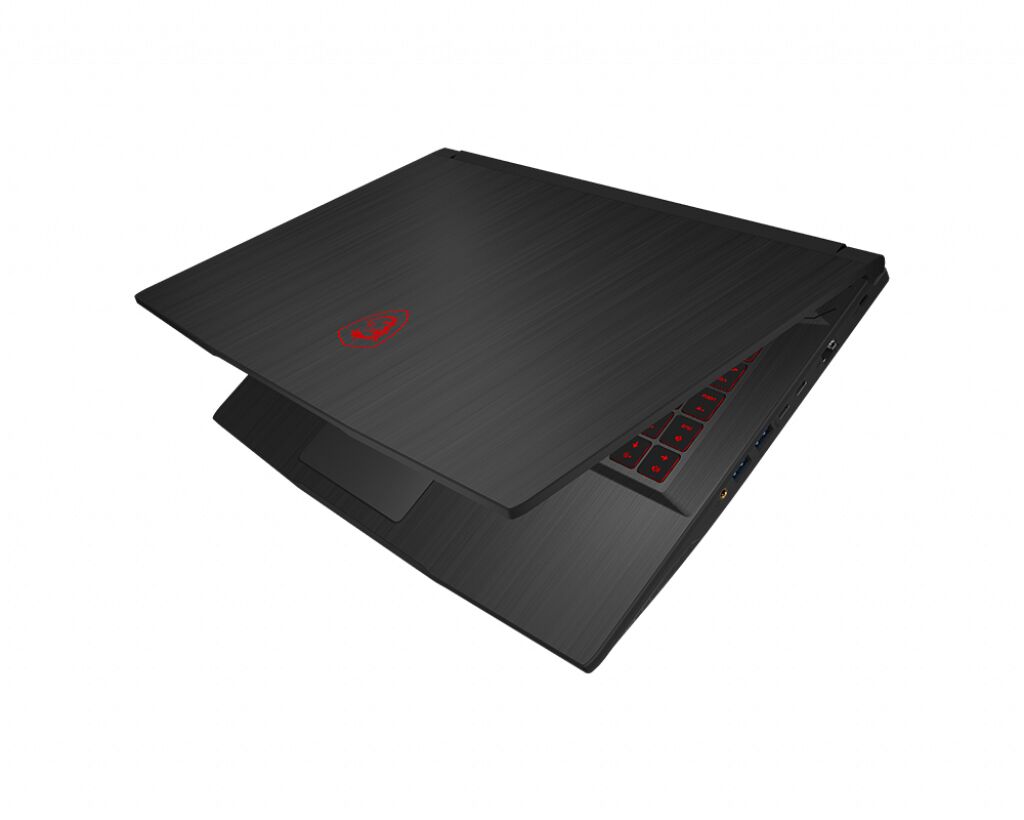
The MSI GF65 9SEXR-449 Thin gaming laptop features DDR4-SDRAM memory upgrade specifications. The device contains two SO-DIMM slots for RAM installation, supporting a maximum memory capacity of 64 GB. Compatible memory modules operate at 2666 MHz frequency. Each slot accepts SO-DIMM form factor DDR4 modules, enabling users to upgrade or replace existing memory modules. The GF series Gaming family specifications support DDR4 memory technology for enhanced multitasking and performance capabilities.
Memory Upgrade Specifications
| Specification | Value |
|---|---|
| Memory slots | 2x SO-DIMM |
| Form factor | SO-DIMM |
| Memory type | DDR4-SDRAM |
| Frequency | 2666 MHz |
| Maximum RAM | 64 GB |
| Voltage | 1.2V |
| Number of pins | 260-pin |
| Interface | PC4 |
| PC Speed Rating | PC4-2666 (PC4-21328) |
| Bandwidth | 21.3 GB/s |
| Laptop Release date | 04 October 2020 |
Additional Notes
- The 2666 MHz frequency represents the maximum supported speed rather than a minimum requirement, meaning faster modules will downclock automatically to match this specification.
- Desktop-standard DIMM modules are physically incompatible with the SO-DIMM slots, requiring laptop-specific memory modules with the smaller 260-pin connector design.
- Accessing the memory compartment typically requires complete bottom panel removal on the MSI GF65 9SEXR-449 Thin chassis, as opposed to dedicated access doors found on some competing models.
- Single-channel configurations halve available memory bandwidth compared to dual-channel installations, creating performance constraints in GPU-intensive applications that rely on shared system memory.
- The 64 GB ceiling requires 2x32 GB module pairing, which eliminates future expansion flexibility since both slots must be populated to reach maximum capacity.
- DDR4 voltage standards at 1.2V remain consistent across compatible modules, eliminating voltage-related compatibility issues that affected earlier DDR3 transitions.
- Mixing modules with different capacities maintains dual-channel operation only up to the capacity of the smaller module, with remaining capacity reverting to slower single-channel mode.
- JEDEC standard DDR4-2666 operates at CL19 timings by default, while aftermarket modules may advertise tighter latencies that provide minimal real-world benefit on this platform.
- The chipset does not support XMP/overclocking profiles, rendering any premium paid for higher-frequency rated modules economically inefficient.
- Memory installation does not void manufacturer warranty when performed correctly, though damage caused during user upgrades falls outside coverage terms.