MSI Gaming GF65 THIN 9SE-013 RAM upgrade specifications


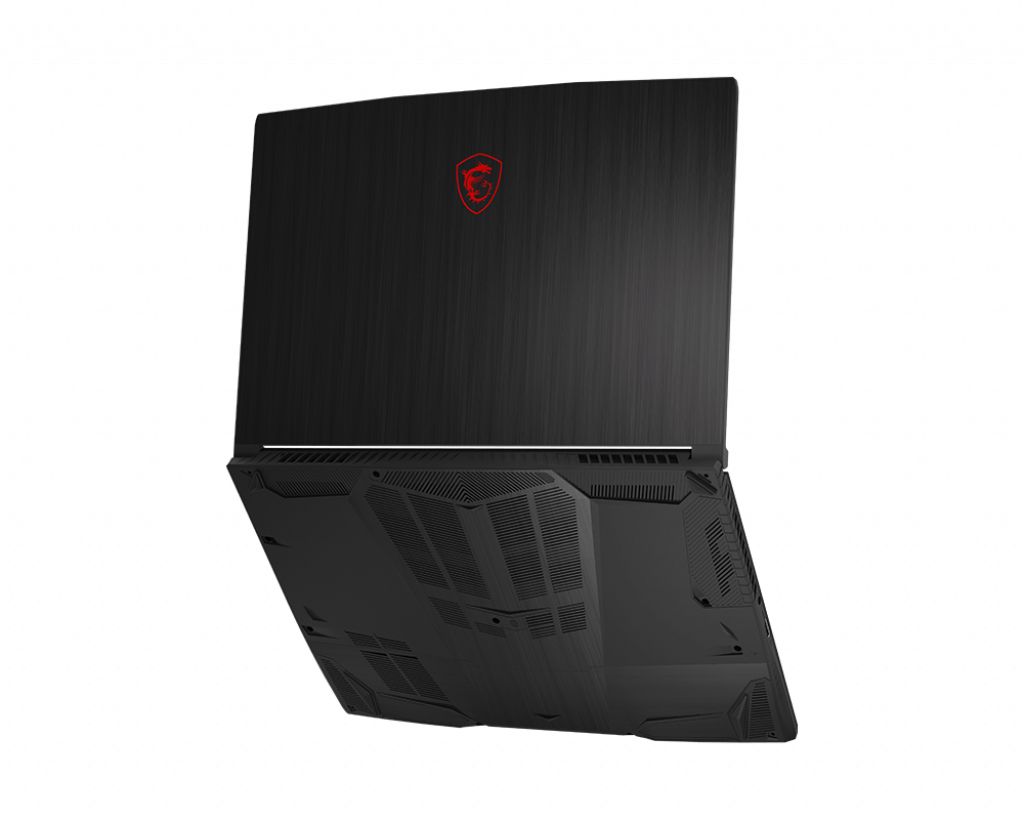
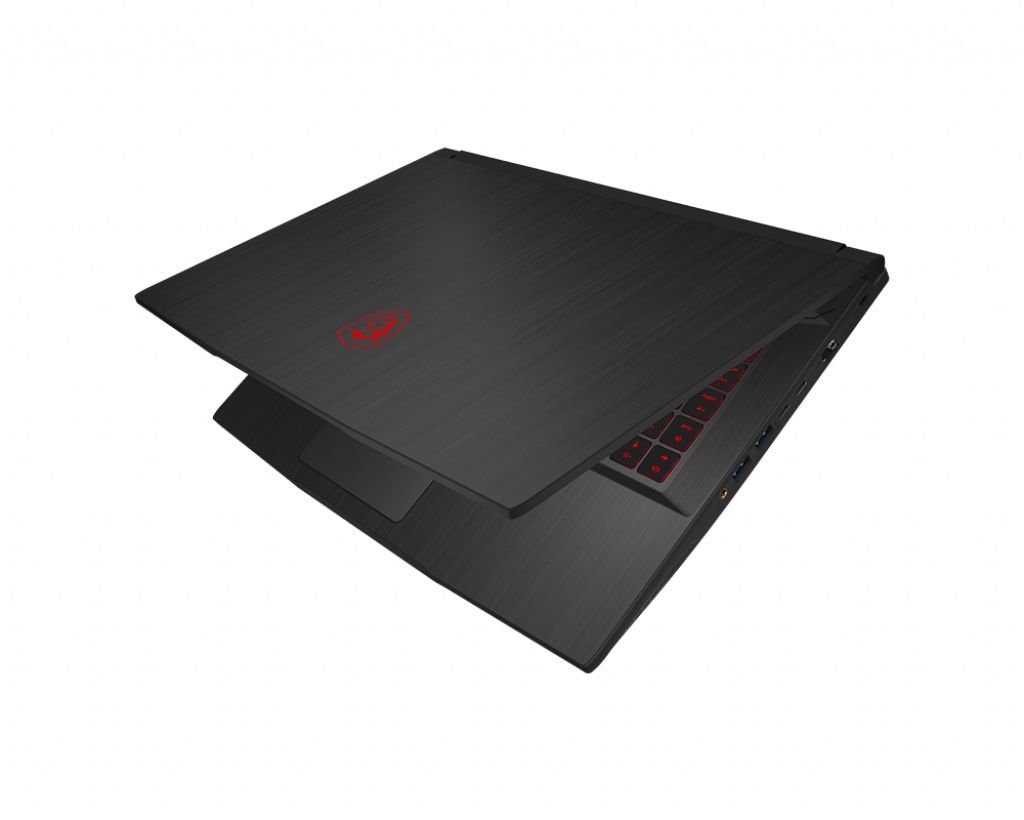

The MSI GF65 THIN 9SE-013 gaming laptop contains two SO-DIMM memory slots supporting DDR4-SDRAM upgrade specifications. The maximum supported RAM capacity reaches 64 GB total, with compatible modules operating at 2666 MHz frequency. Upgrade specifications indicate the GF series model accommodates SO-DIMM form factor memory modules, allowing users to expand the laptop's memory capacity through the available upgrade slots.
Memory Upgrade Specifications
| Specification | Value |
|---|---|
| Memory slots | 2x SO-DIMM |
| Form factor | SO-DIMM |
| Memory type | DDR4-SDRAM |
| Frequency | 2666 MHz |
| Maximum RAM | 64 GB |
| Voltage | 1.2V |
| Number of pins | 260-pin |
| Interface | PC4 |
| PC Speed Rating | PC4-2666 (PC4-21328) |
| Bandwidth | 21.3 GB/s |
| Laptop Release date | 25 September 2019 |
Additional Notes
- The DDR4-2666 specification indicates this MSI GF65 THIN 9SE-013 uses JEDEC standard timing rather than XMP profiles, which eliminates potential BIOS compatibility issues common with overclocked modules.
- SO-DIMM slots limit cooling options compared to full-size DIMMs, making modules with lower voltage ratings (1.2V standard DDR4) preferable for sustained gaming workloads where thermal throttling can occur.
- The 2666 MHz frequency creates a fixed memory bandwidth ceiling of 21.3 GB/s per channel, which may bottleneck GPU performance in CPU-intensive titles when paired with dedicated graphics cards that rely on system memory for asset streaming.
- Dual-channel configuration requires matched module pairs for optimal bandwidth utilization, as mismatched capacities will force single-channel operation on the excess capacity portion.
- The 64 GB maximum suggests the chipset supports 32 GB per slot, requiring double-sided module architecture that may increase heat output in the confined chassis space typical of thin gaming designs.
- Installing non-native 2666 MHz modules rated at higher speeds will downclock to match the controller specification, potentially wasting cost premium paid for 3200 MHz or faster kits.
- DDR4 generation compatibility excludes both legacy DDR3 and newer DDR5 modules due to physical notch positioning differences and voltage incompatibility, preventing cross-generation installations.
- Memory access latency at 2666 MHz typically ranges between 15-19 CAS cycles, translating to approximately 11.3-14.3 nanoseconds of absolute latency that directly impacts frame time consistency.
- The SO-DIMM form factor restricts upgrade sourcing to laptop-specific modules, which typically cost 15-25% more per gigabyte than equivalent desktop DIMM configurations.
- Accessing memory slots in thin chassis designs often requires partial disassembly including bottom panel removal, which may void warranty seals depending on regional consumer protection laws.