MSI Gaming GF65 9SEXR-838 Thin RAM upgrade specifications
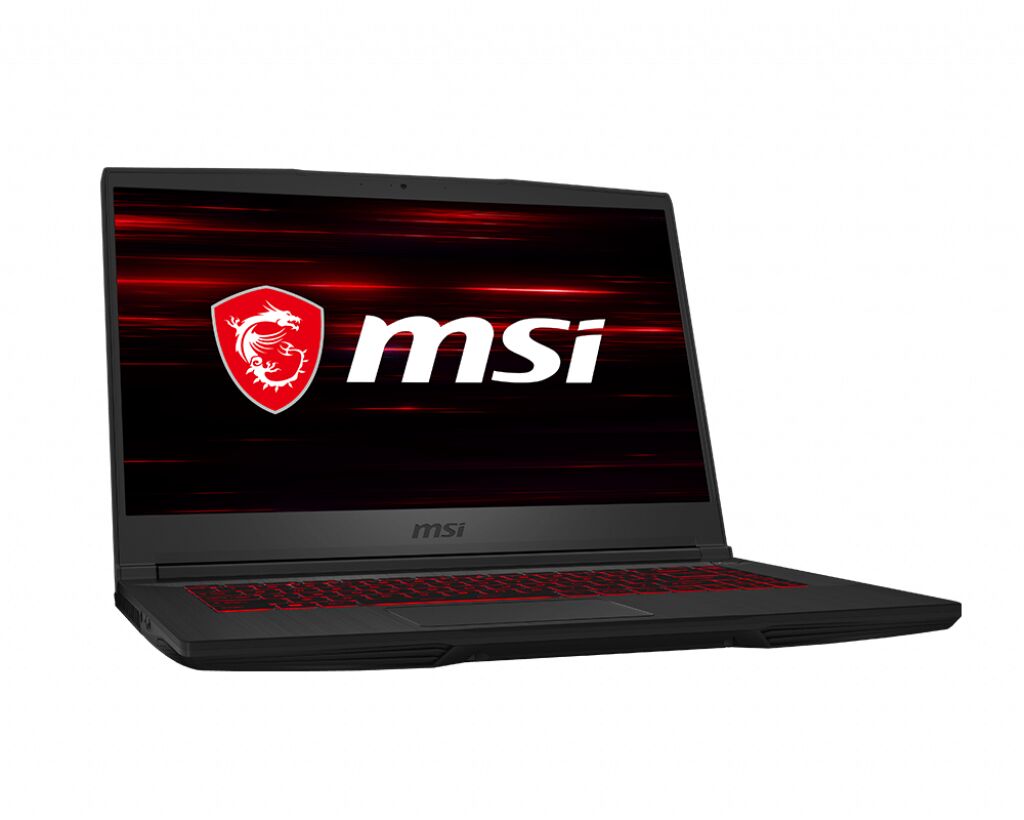
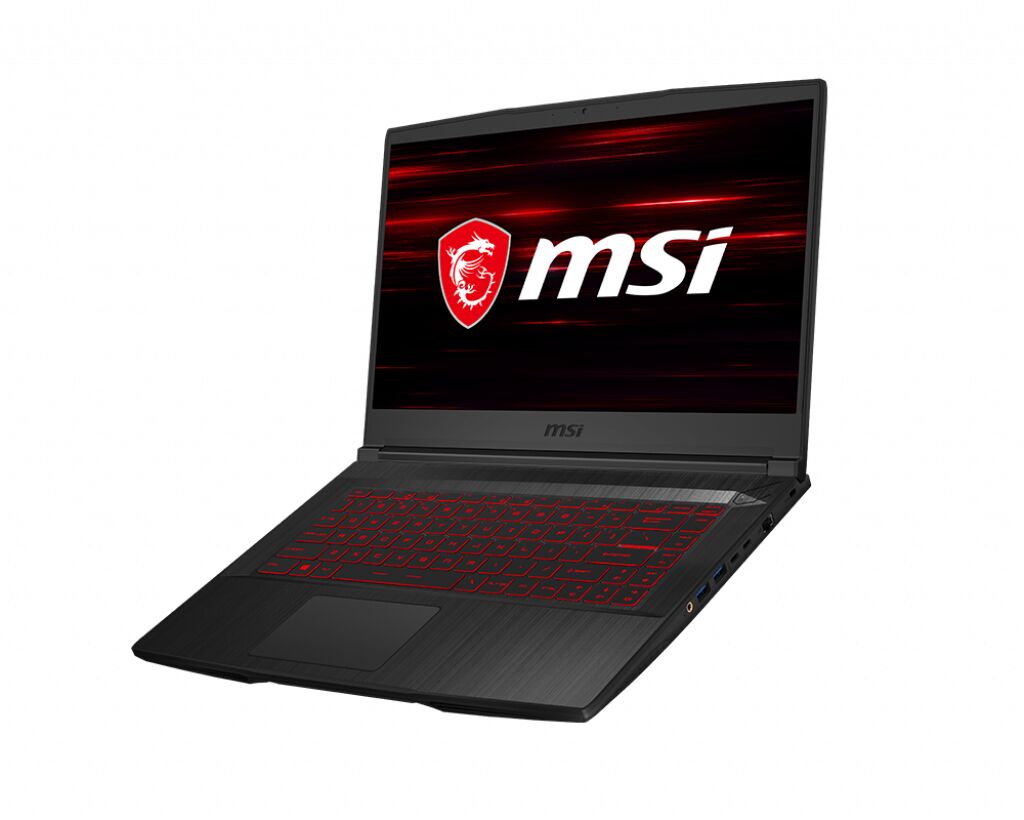

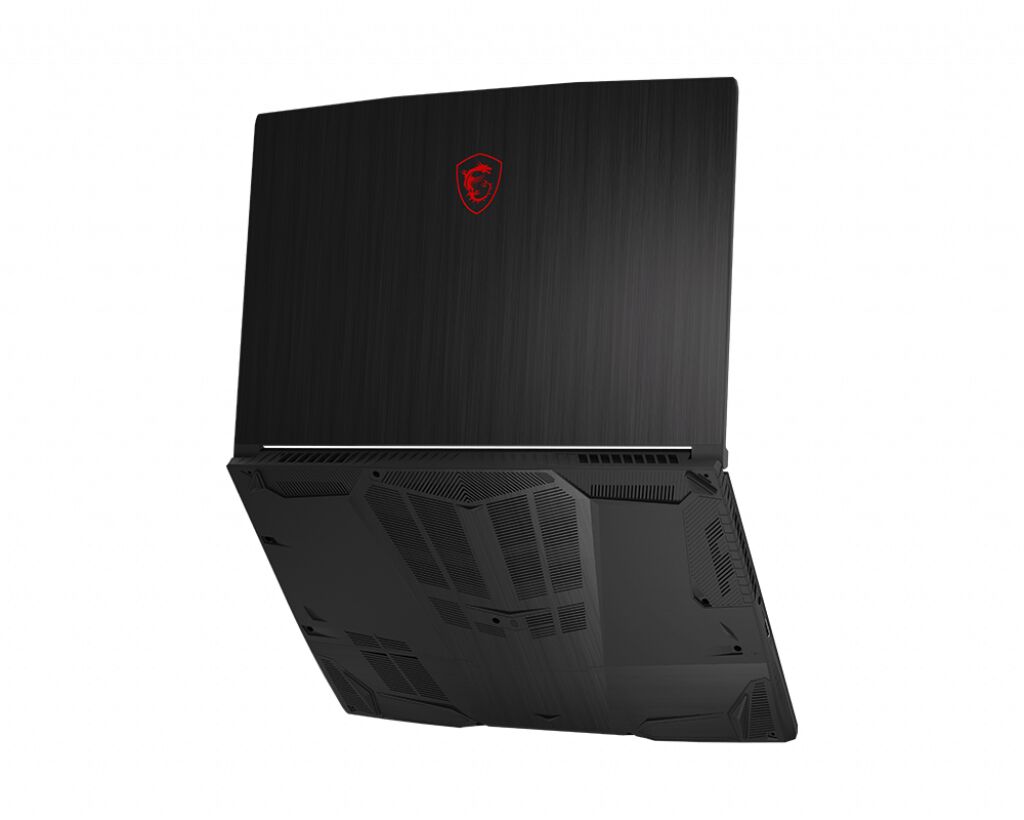
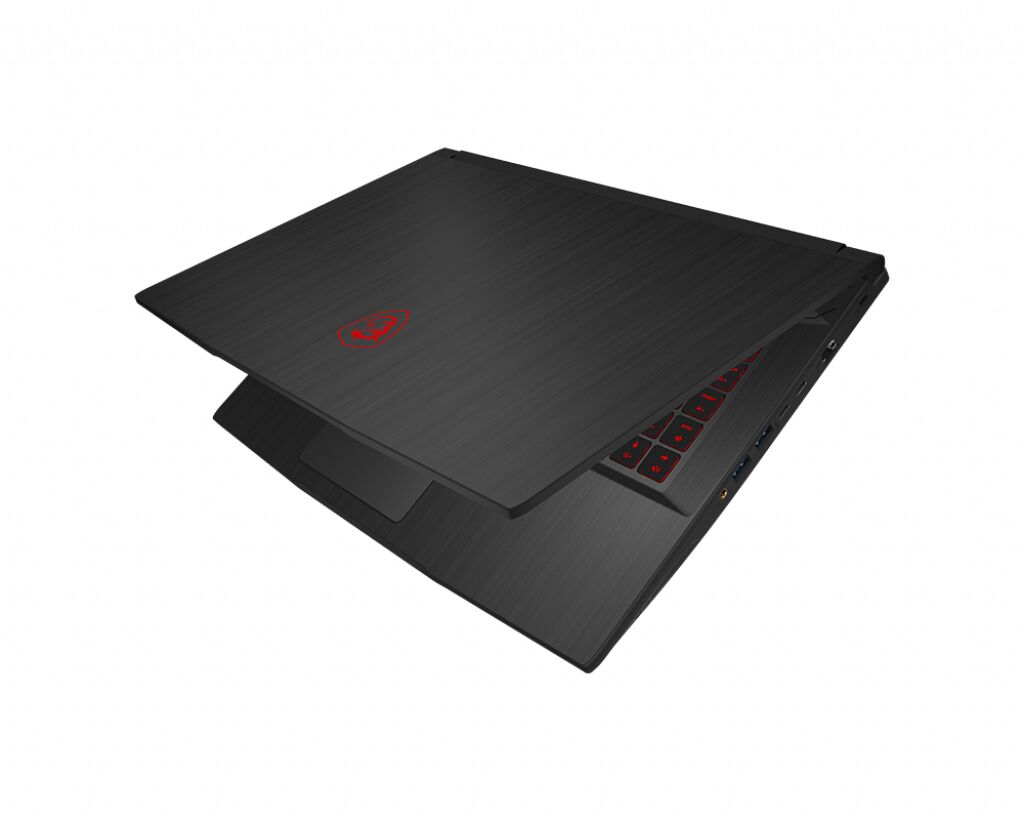
The MSI GF65 9SEXR-838 Thin Gaming series laptop features DDR4-SDRAM memory specifications with two SO-DIMM slots for RAM expansion. The device supports a maximum memory capacity of 64 GB total, operating at 2666 MHz frequency. Each slot accommodates SO-DIMM form factor modules, enabling users to upgrade the memory configuration according to their requirements. Compatible DDR4 memory modules can be installed to enhance the system's multitasking capabilities and overall performance. The upgrade specifications allow for flexible memory configurations while maintaining compatibility with the GF65 Thin platform.
Memory Upgrade Specifications
| Specification | Value |
|---|---|
| Memory slots | 2x SO-DIMM |
| Form factor | SO-DIMM |
| Memory type | DDR4-SDRAM |
| Frequency | 2666 MHz |
| Maximum RAM | 64 GB |
| Voltage | 1.2V |
| Number of pins | 260-pin |
| Interface | PC4 |
| PC Speed Rating | PC4-2666 (PC4-21328) |
| Bandwidth | 21.3 GB/s |
| Laptop Release date | 31 August 2020 |
Additional Notes
- The MSI GF65 9SEXR-838 Thin relies on SO-DIMM modules rather than desktop DIMM, limiting compatibility to laptop-specific memory products.
- DDR4-2666 represents a mid-range speed tier that constrains bandwidth to 21.3 GB/s per channel, potentially limiting performance in memory-intensive applications compared to DDR4-3200 configurations.
- The 64 GB maximum capacity indicates chipset-level support for high-density modules, requiring 32 GB SO-DIMMs to reach full potential.
- Dual-channel architecture through both slots requires matched pairs for optimal bandwidth utilization, as mismatched configurations may force single-channel operation.
- SO-DIMM installations typically require bottom panel removal and void warranty seals in certain regions, necessitating verification of regional warranty policies before physical access.
- The 2666 MHz specification reflects JEDEC standard operation, though compatibility with higher-frequency modules exists when those modules include SPD profiles for automatic downclocking.
- Native DDR4 support eliminates voltage compatibility concerns present in DDR3L transition-era systems, standardizing at 1.2V across all compatible modules.
- The absence of ECC support in this gaming-oriented configuration restricts upgrade paths to unbuffered non-ECC SO-DIMMs exclusively.
- Thermal constraints in thin chassis designs may affect sustained performance under combined CPU and GPU loads, as shared thermal solutions prioritize processor cooling over memory module airflow.
- Single-rank versus dual-rank module selection affects latency characteristics, with dual-rank configurations offering marginal bandwidth improvements at potential timing penalty.