MSI Gaming GF65 9SEXR-839 Thin RAM upgrade specifications



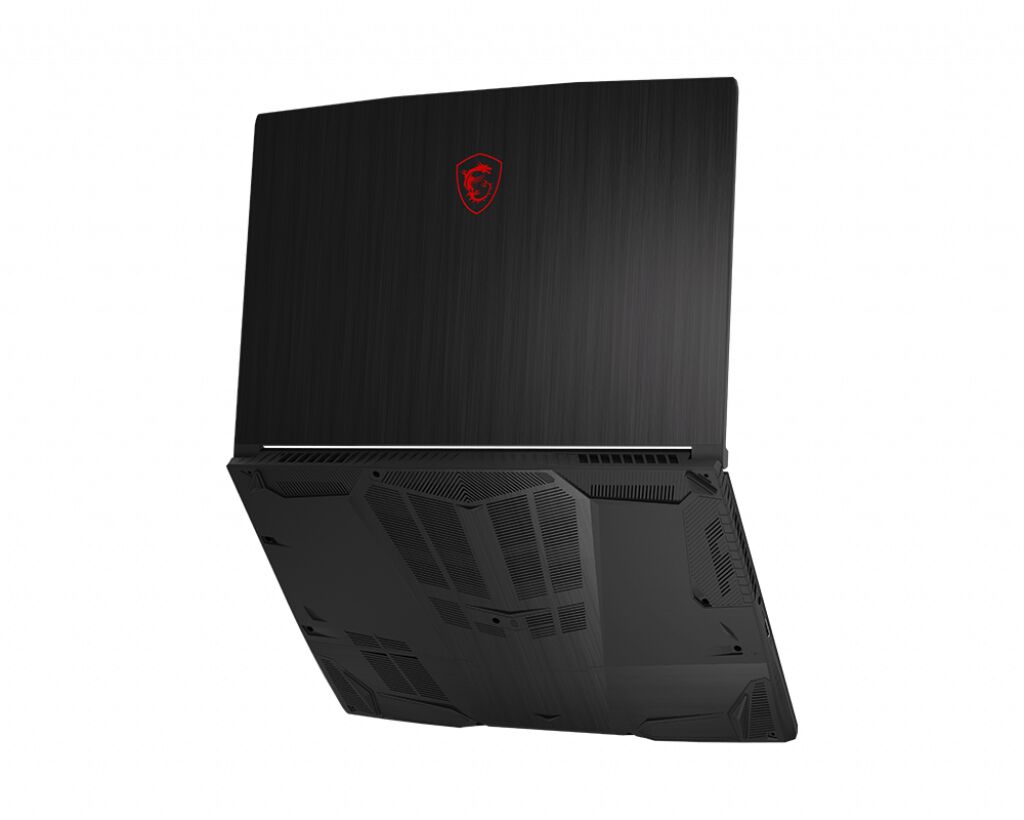
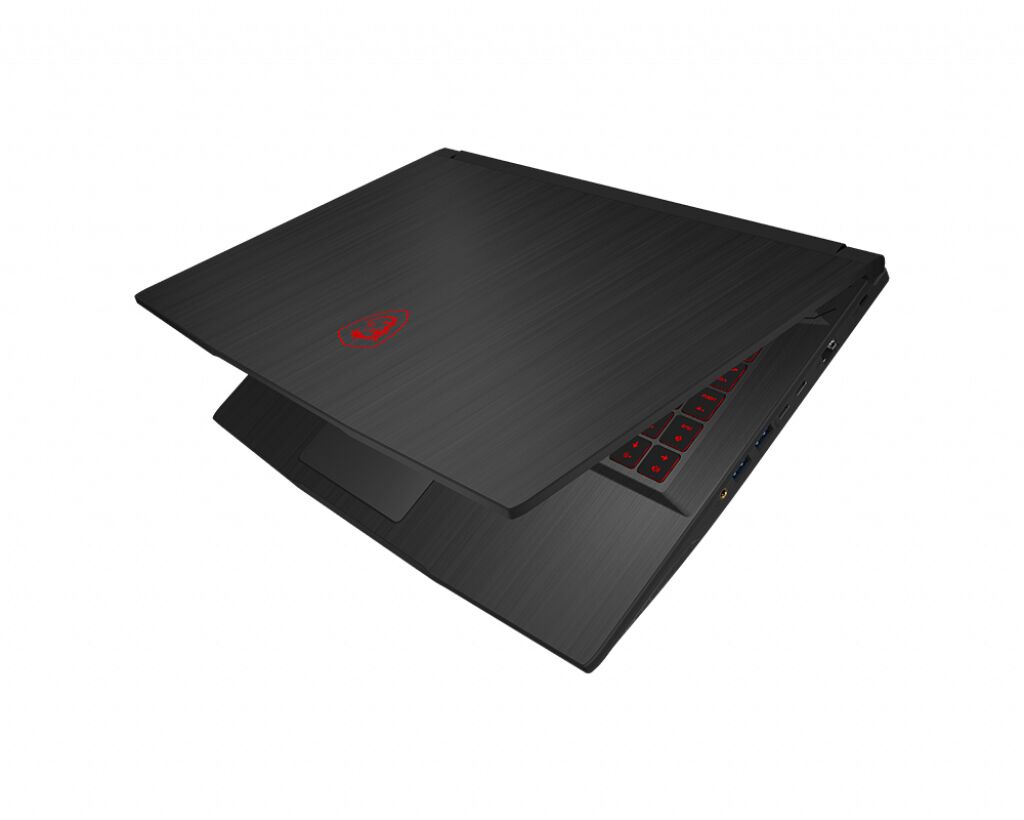
The MSI GF65 9SEXR-839 Thin Gaming Series laptop features DDR4-SDRAM memory upgrade capabilities with two SO-DIMM slots supporting a maximum capacity of 64 GB. Compatible memory modules operate at 2666 MHz frequency. The specifications accommodate DDR4 SO-DIMM form factor upgrades, enabling users to expand the laptop's memory configuration from the original factory specifications up to the maximum supported capacity of 64 GB total RAM.
Memory Upgrade Specifications
| Specification | Value |
|---|---|
| Memory slots | 2x SO-DIMM |
| Form factor | SO-DIMM |
| Memory type | DDR4-SDRAM |
| Frequency | 2666 MHz |
| Maximum RAM | 64 GB |
| Voltage | 1.2V |
| Number of pins | 260-pin |
| Interface | PC4 |
| PC Speed Rating | PC4-2666 (PC4-21328) |
| Bandwidth | 21.3 GB/s |
| Laptop Release date | 31 August 2020 |
Additional Notes
- The MSI GF65 9SEXR-839 Thin accepts DDR4 modules exclusively, meaning DDR3 or DDR5 memory will cause physical incompatibility due to notch placement differences.
- Both slots must remain accessible without motherboard removal, though cooling assembly interference may require thermal paste reapplication during installation.
- Running mixed-capacity modules triggers asymmetric dual-channel mode, where only the matched portion operates in dual-channel while excess capacity defaults to slower single-channel access.
- Modules rated above 2666 MHz will downclock automatically to match the controller's maximum supported frequency, wasting the premium paid for higher-spec kits.
- Installing 2 modules at 32 GB each reaches the 64 GB ceiling, preventing future expansion without replacing existing sticks entirely.
- Non-standard voltage modules requiring 1.35V or 1.5V operation may fail POST or cause instability, as most DDR4 SO-DIMMs expect 1.2V nominal operation.
- Mixing different RAM brands or timings forces the system to adopt the slowest common specifications across all installed modules, degrading performance of faster kits.
- Warranty preservation typically requires avoiding ESD damage during installation and maintaining original thermal pad contact with any memory-adjacent heatsinks.
- Single-rank versus dual-rank module selection impacts memory interleaving efficiency, with dual-rank configurations sometimes improving bandwidth in memory-intensive workloads.
- SO-DIMM height variations beyond standard 30mm profiles risk contact with keyboard assemblies or bottom panel clearances in thin chassis designs.