MSI Gaming GF66 11UC-213XFR Katana RAM upgrade specifications

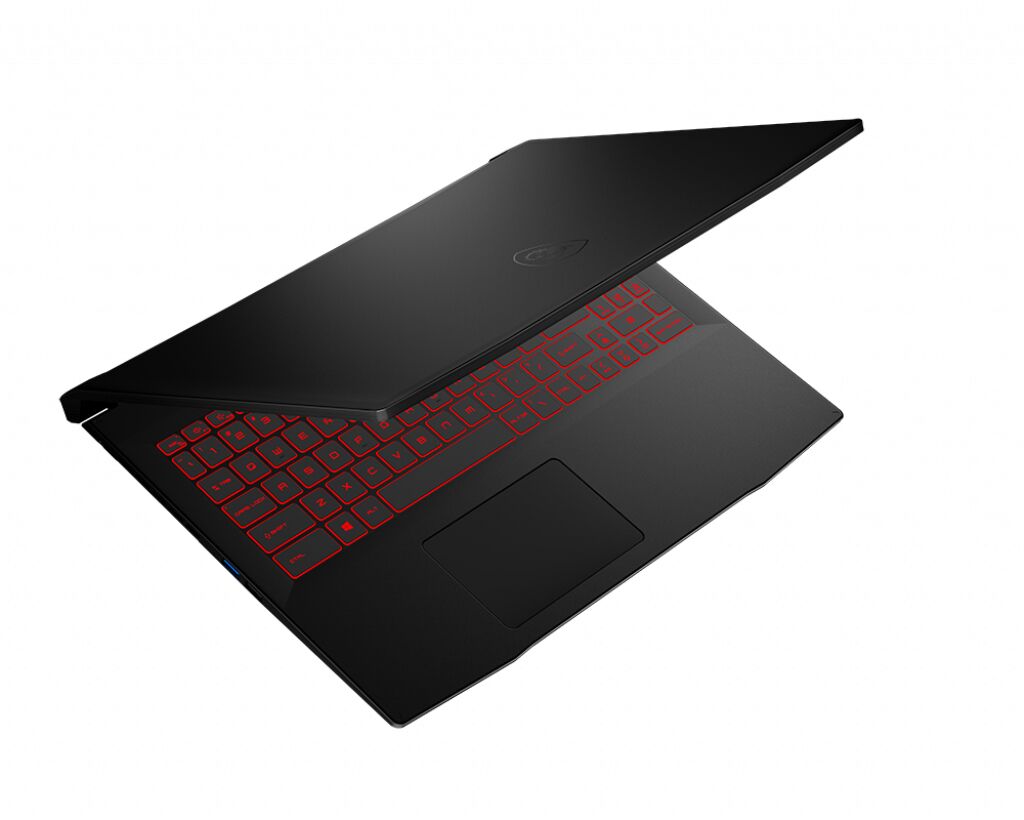
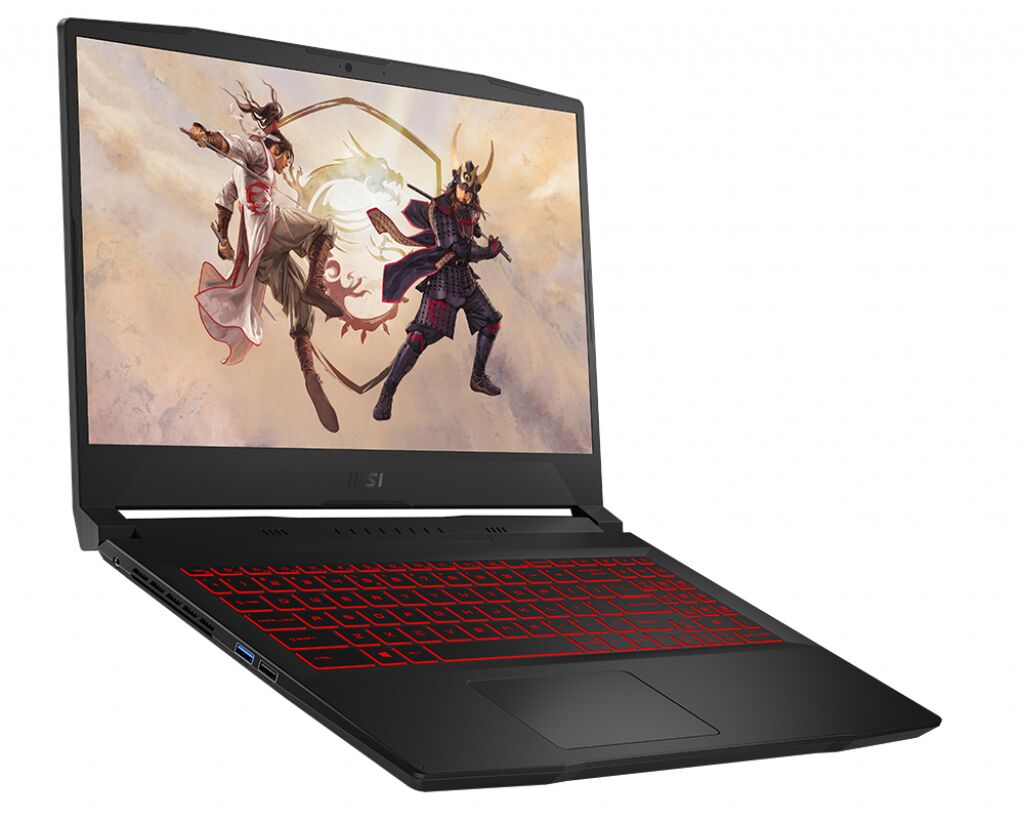
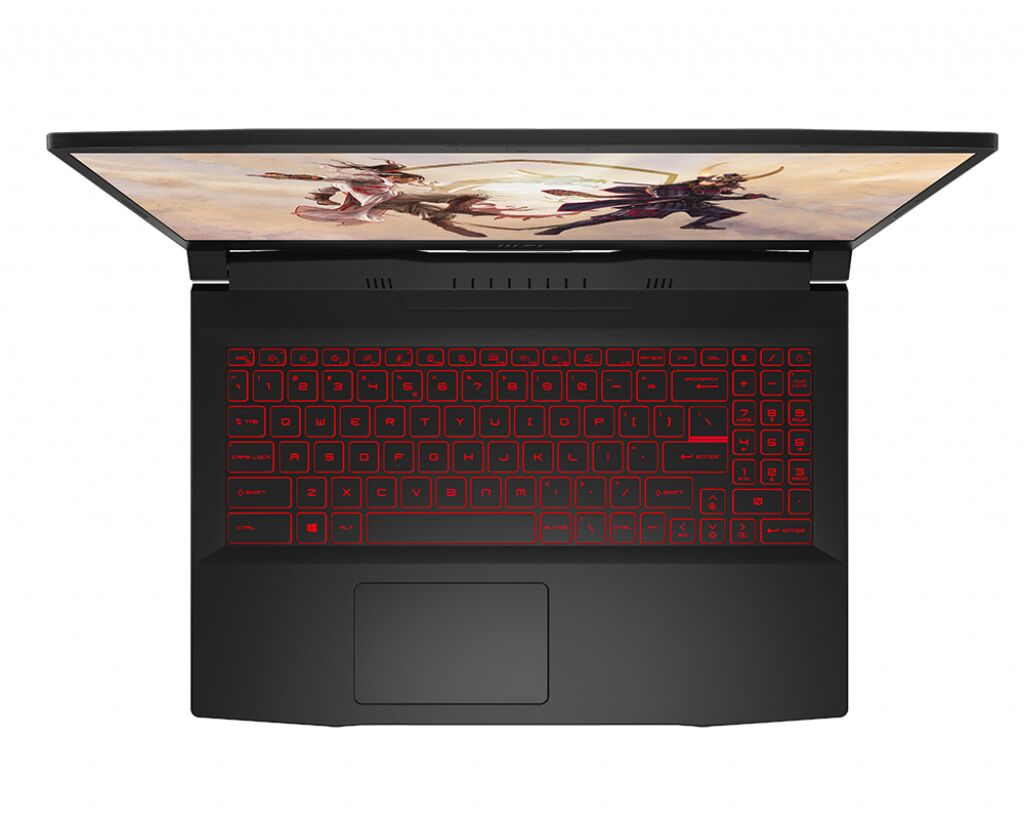
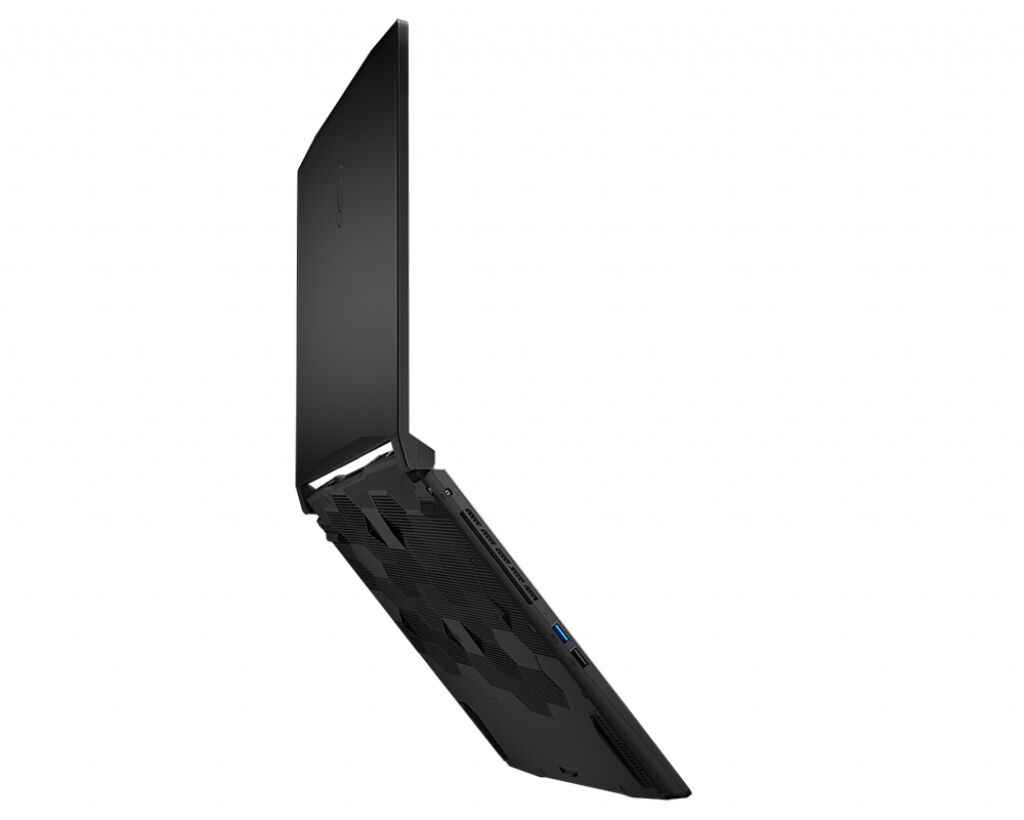
MSI GF66 11UC-213XFR Katana gaming laptop features DDR4-SDRAM memory upgrade specifications with 2x SO-DIMM slots supporting maximum capacity of 64 GB RAM. Compatible memory modules operate at 3200 MHz frequency. Upgrade specifications indicate SO-DIMM form factor compatibility. GF series Katana model accommodates dual-slot memory configuration for enhanced system performance and multitasking capabilities.
Memory Upgrade Specifications
| Specification | Value |
|---|---|
| Memory slots | 2x SO-DIMM |
| Form factor | SO-DIMM |
| Memory type | DDR4-SDRAM |
| Frequency | 3200 MHz |
| Maximum RAM | 64 GB |
| Voltage | 1.2V |
| Number of pins | 260-pin |
| Interface | PC4 |
| PC Speed Rating | PC4-3200 (PC4-25600) |
| Bandwidth | 25.6 GB/s |
| Laptop Release date | 26 May 2021 |
Additional Notes
- The 64 GB ceiling reflects Intel 11th generation controller limitations rather than physical slot restrictions, making higher capacity modules incompatible regardless of availability.
- DDR4-3200 represents the native JEDEC speed supported by the platform, eliminating the need for XMP profile configuration that desktop systems typically require.
- Installing modules below 3200 MHz will force the entire system to downclock to the slower module's frequency, creating an asymmetric performance penalty.
- SO-DIMM architecture on the MSI GF66 11UC-213XFR Katana permits single-sided and double-sided modules, though thermal considerations favor single-sided designs in confined gaming chassis.
- Dual-channel operation requires matched capacity modules in both slots to achieve full 128-bit memory bandwidth, otherwise the system reverts to asymmetric or single-channel mode.
- Non-ECC unbuffered modules are mandatory as the mobile platform lacks error correction hardware, making registered or ECC SO-DIMMs physically incompatible.
- The 1.2V DDR4 standard voltage is fixed in mobile implementations, preventing undervolting experiments common in desktop overclocking scenarios.
- Accessing the SO-DIMM slots requires bottom panel removal, which typically maintains warranty validity under most regional consumer protection laws if done non-destructively.
- Mixed-brand configurations remain functionally viable when primary timings match, though identical manufacturer pairing reduces potential stability issues during sustained workloads.
- Rank configuration affects capacity per slot, with dual-rank 32 GB modules providing the maximum 64 GB total while maintaining optimal interleaving performance.