MSI Gaming GF66 11UC-253UK Katana RAM upgrade specifications




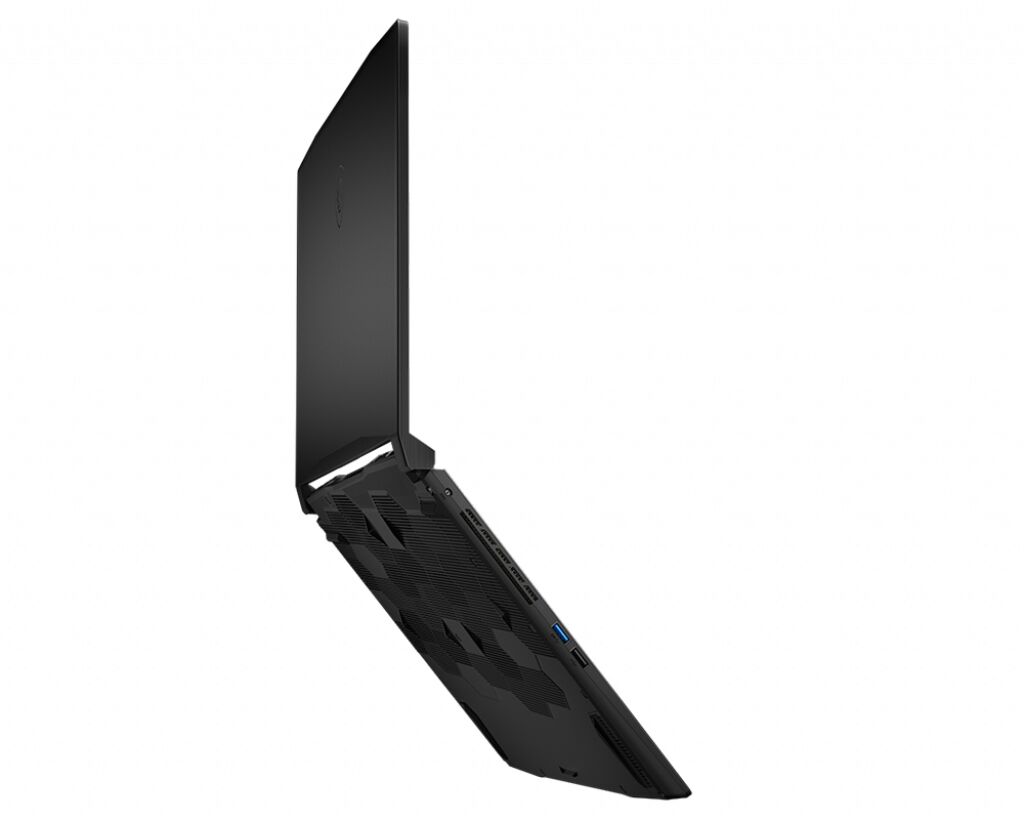
The MSI GF66 11UC-253UK Katana gaming laptop features DDR4-SDRAM memory upgradeable through 2x SO-DIMM slots. The notebook supports a maximum RAM capacity of 64 GB total, with compatible memory operating at 3200 MHz frequency. The SO-DIMM form factor specifications enable memory module replacement and expansion for enhanced system performance. Current memory configuration allows for modular upgrades within the defined slot architecture and capacity limitations of the MSI GF Gaming series platform.
Memory Upgrade Specifications
| Specification | Value |
|---|---|
| Memory slots | 2x SO-DIMM |
| Form factor | SO-DIMM |
| Memory type | DDR4-SDRAM |
| Frequency | 3200 MHz |
| Maximum RAM | 64 GB |
| Voltage | 1.2V |
| Number of pins | 260-pin |
| Interface | PC4 |
| PC Speed Rating | PC4-3200 (PC4-25600) |
| Bandwidth | 25.6 GB/s |
| Laptop Release date | 26 July 2021 |
Additional Notes
- The MSI GF66 11UC-253UK Katana supports standard laptop memory modules, requiring physically smaller components than desktop systems.
- Each slot can accommodate up to 32 GB, enabling symmetrical configurations that activate dual-channel architecture for improved memory bandwidth.
- The 3200 MHz specification represents the official speed ceiling, though actual performance depends on CPU memory controller capabilities and BIOS settings.
- Installing mismatched module speeds forces all memory to operate at the lowest common frequency, potentially underutilizing faster components.
- Accessing the memory compartment typically requires bottom panel removal, which may affect warranty status depending on regional consumer protection laws.
- Non-matching capacity configurations remain functional but sacrifice dual-channel mode's bandwidth advantage in asymmetric portions of total capacity.
- The memory controller architecture limits effective bandwidth regardless of installed capacity, meaning 64 GB provides storage expansion rather than speed improvements.
- Single-rank versus dual-rank module topology affects memory interleaving efficiency, with dual-rank configurations sometimes delivering measurable performance gains in memory-intensive applications.
- Voltage specifications must match the DDR4 standard of 1.2V, as laptop systems lack desktop-style voltage adjustment options for overclocking or compatibility tuning.
- CAS latency timings interact with frequency settings, where tighter timings at supported speeds can reduce memory access delays in latency-sensitive workloads.