MSI Gaming GF66 11UC-865XPL Katana RAM upgrade specifications



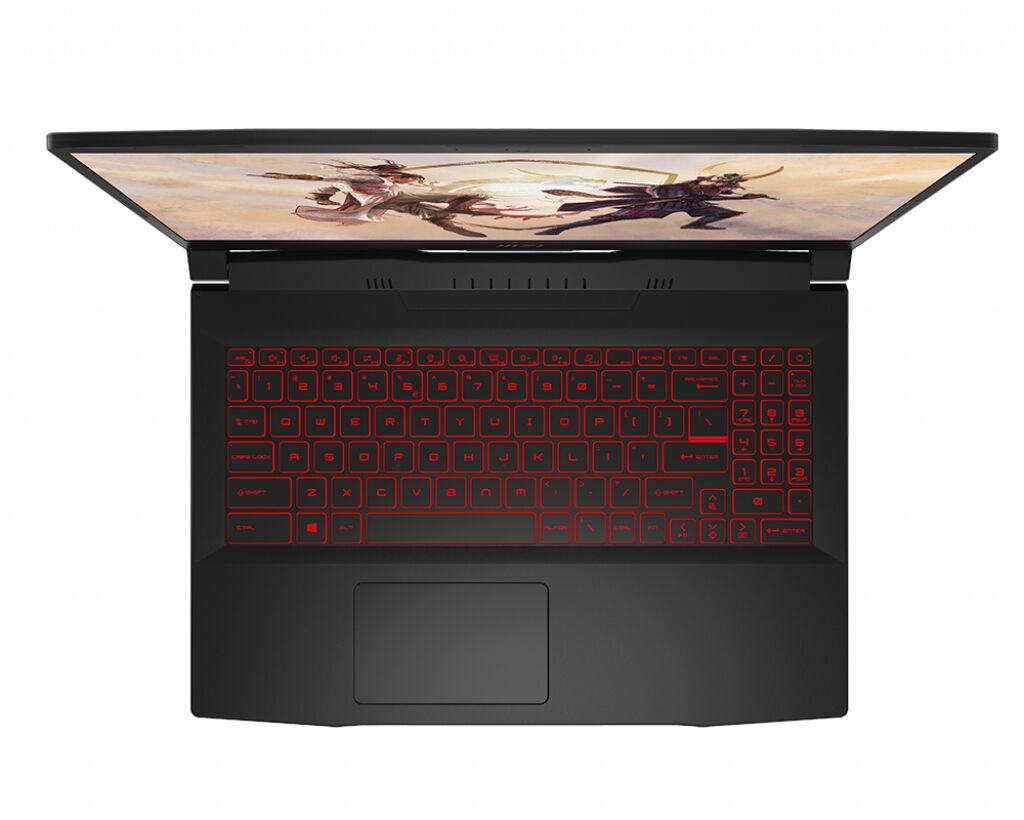
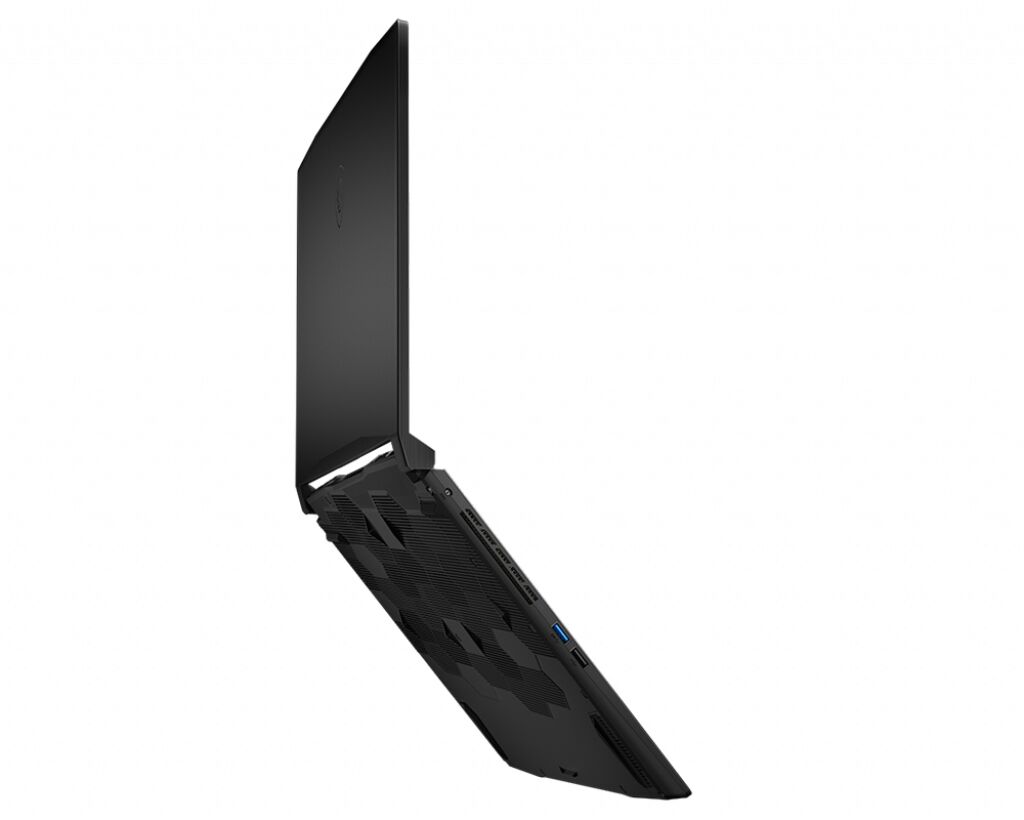
The MSI GF66 11UC-865XPL Katana gaming laptop supports DDR4-SDRAM memory upgrades with two SO-DIMM slots. Maximum compatible capacity reaches 64 GB total. The upgrade specifications include DDR4 modules operating at 3200 MHz frequency. This MSI Gaming GF Series model accommodates standard SO-DIMM form factor memory modules for expansion and performance enhancement.
Memory Upgrade Specifications
| Specification | Value |
|---|---|
| Memory slots | 2x SO-DIMM |
| Form factor | SO-DIMM |
| Memory type | DDR4-SDRAM |
| Frequency | 3200 MHz |
| Maximum RAM | 64 GB |
| Voltage | 1.2V |
| Number of pins | 260-pin |
| Interface | PC4 |
| PC Speed Rating | PC4-3200 (PC4-25600) |
| Bandwidth | 25.6 GB/s |
| Laptop Release date | 15 February 2022 |
Additional Notes
- Dual channel memory architecture is only achievable when both slots are populated with matching modules to maximize integrated graphics performance and system bandwidth.
- The 64 GB ceiling necessitates the use of high density 32 GB modules per slot which are less common than standard 8 GB or 16 GB variants.
- Installing memory with higher clock speeds than 3200 MHz will result in automatic downclocking to match the hardcoded limitations of the motherboard chipset.
- Mixing modules with different CAS latencies will force the system to default to the timings of the slowest installed stick.
- Internal access for the MSI GF66 11UC-865XPL Katana requires the removal of the entire base panel which involves navigating plastic clips that are prone to snapping if improper tools are used.
- The SO-DIMM form factor excludes the possibility of using desktop DIMM modules or low power LPDDR memory which is often soldered in thinner laptop designs.
- Upgrading to the maximum capacity may require a BIOS update to ensure full compatibility with newer high capacity memory densities.
- Populating both slots reduces the thermal overhead slightly near the CPU area due to the increased heat dissipation from two active memory modules during heavy workloads.