MSI Gaming GF66 11UD-002 Katana RAM upgrade specifications

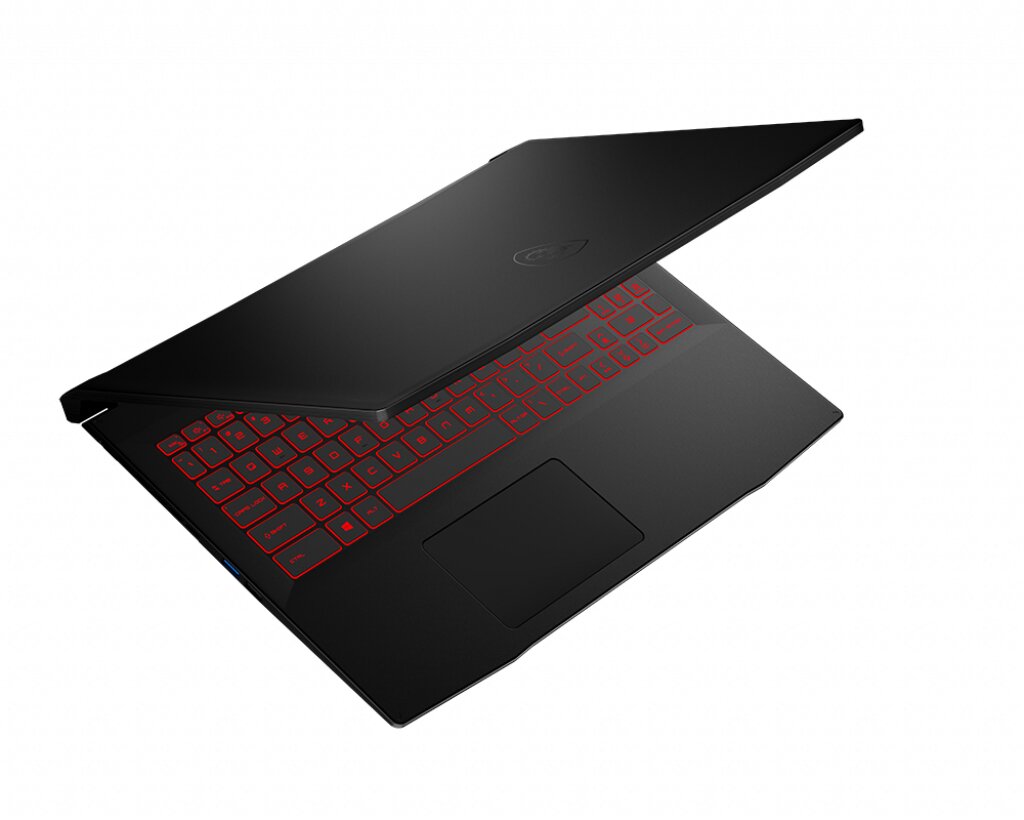
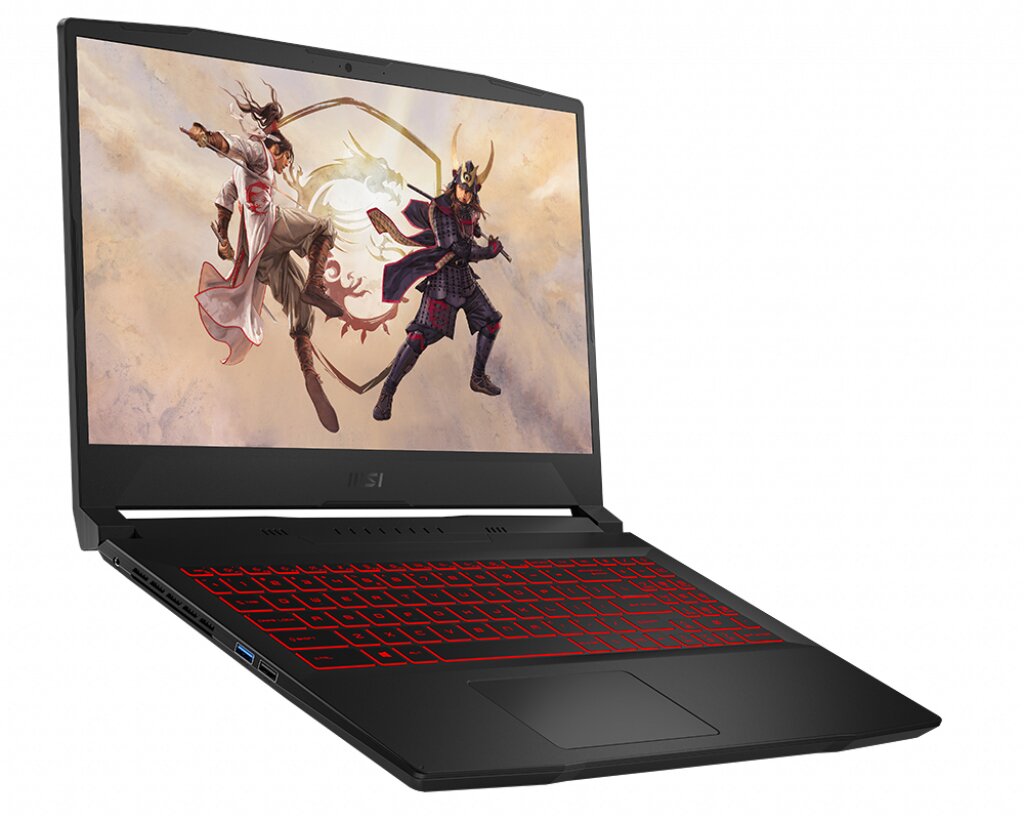
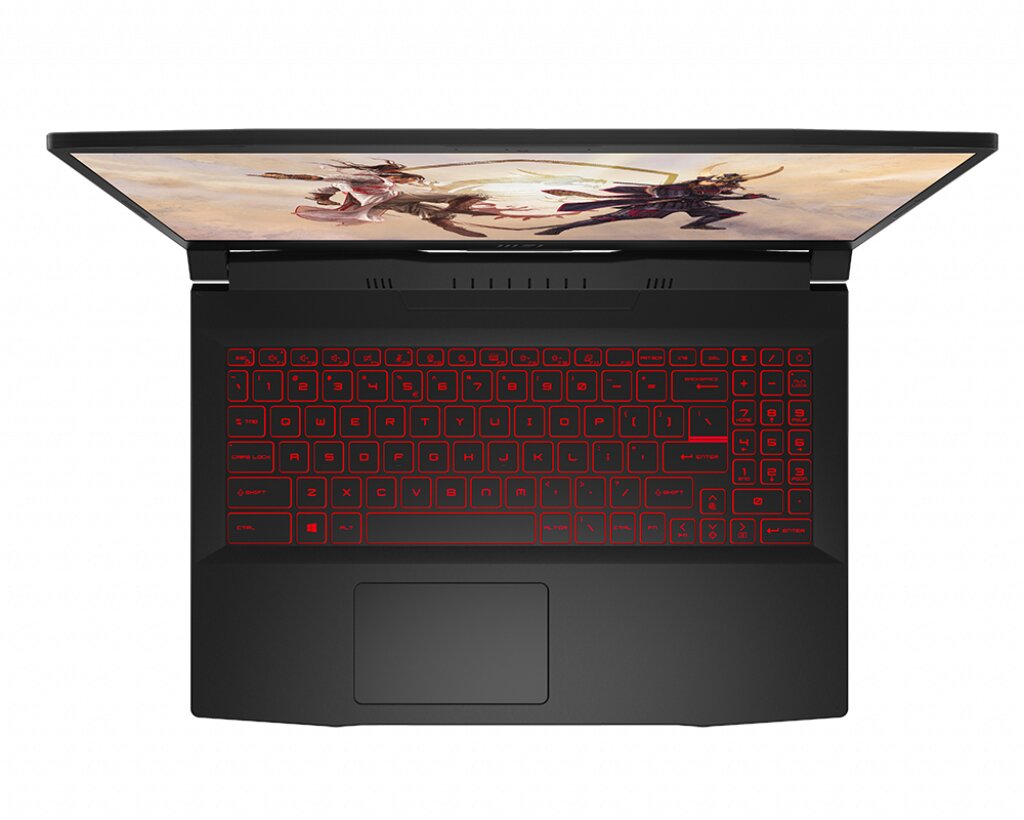
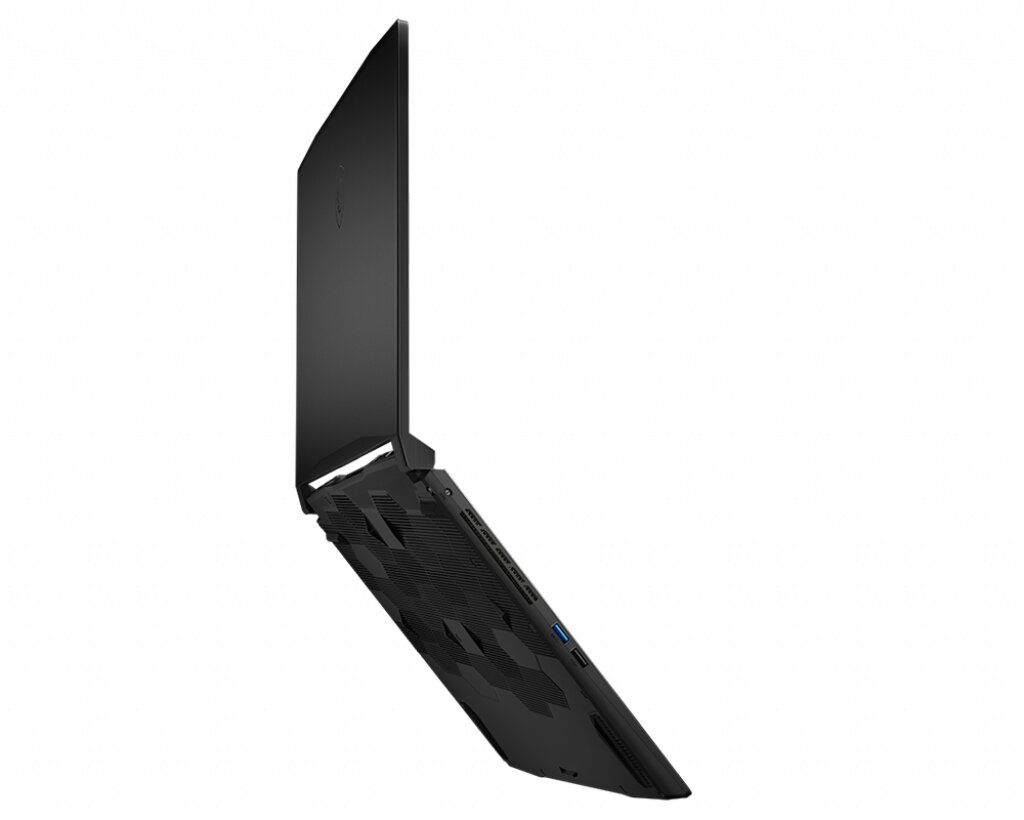
MSI GF66 11UD-002 Katana gaming laptop accommodates DDR4-SDRAM memory upgrades through two SO-DIMM slots. The system supports maximum RAM capacity of 64 GB total. Compatible memory modules operate at 3200 MHz frequency. The GF series Katana model specifications allow for memory expansion to enhance system performance. Upgrade options include replacing existing modules or utilizing available slots for increased memory capacity. The Gaming family configuration ensures compatibility with DDR4 SO-DIMM form factor specifications.
Memory Upgrade Specifications
| Specification | Value |
|---|---|
| Memory slots | 2x SO-DIMM |
| Form factor | SO-DIMM |
| Memory type | DDR4-SDRAM |
| Frequency | 3200 MHz |
| Maximum RAM | 64 GB |
| Voltage | 1.2V |
| Number of pins | 260-pin |
| Interface | PC4 |
| PC Speed Rating | PC4-3200 (PC4-25600) |
| Bandwidth | 25.6 GB/s |
| Laptop Release date | 26 July 2021 |
Additional Notes
- The MSI GF66 11UD-002 Katana uses laptop-class SO-DIMM modules, which are physically smaller than desktop DIMM counterparts and cannot be interchanged with standard tower PC memory, restricting upgrade sources to laptop-specific retailers.
- DDR4-3200 memory operates at a fixed frequency; pairing modules of differing speeds will force both to throttle to the slower module's specification, resulting in performance degradation if mismatched memory is installed alongside existing modules.
- 2 memory slots represent a single upgrade pathway: removal of both original modules is necessary to reach the 64 GB maximum, as slot population cannot be mixed without performance penalties.
- The 64 GB ceiling represents a hard limit imposed by the 11th-generation Intel chipset architecture; exceeding this capacity through non-standard modules will not register additional memory and may trigger boot errors.
- The absence of soldered memory means both SO-DIMM slots are user-accessible, allowing warranty-safe removal and replacement under standard terms, provided no physical damage occurs during extraction.
- DDR4-3200 operates at a 15.625 nanosecond cycle time; this latency affects memory-bound workloads more significantly than processor-bound tasks, establishing a secondary performance ceiling independent of CPU upgrades.
- Upgrade timing considerations: installing memory identical to factory specifications minimizes compatibility risk, while installing faster DDR4 modules (DDR4-3600 or higher) provides no functional benefit due to frequency locking at 3200 MHz on this platform.