MSI Gaming GF66 11UD-029FR Katana RAM upgrade specifications

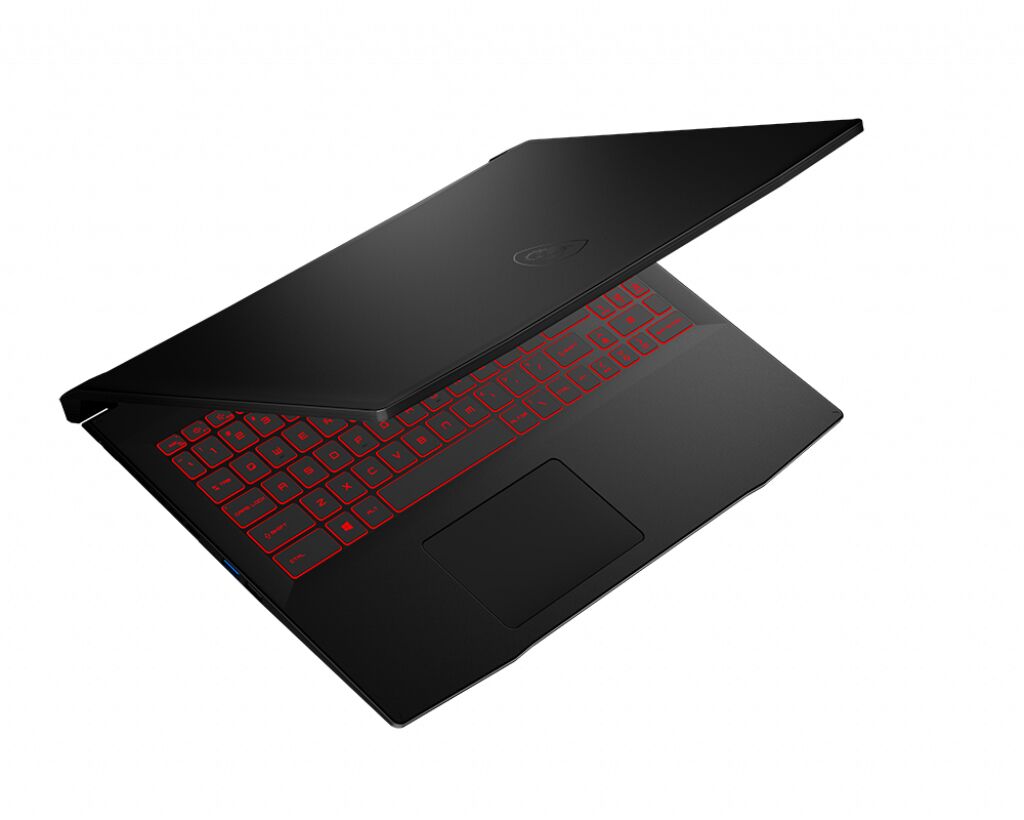

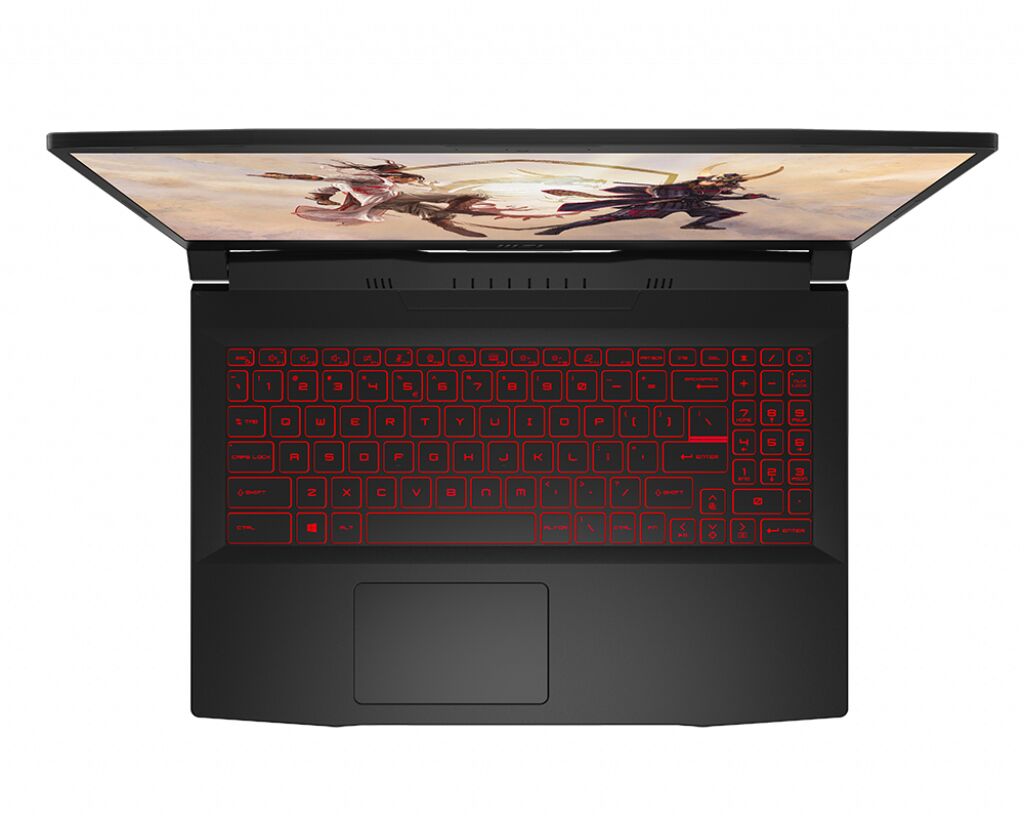
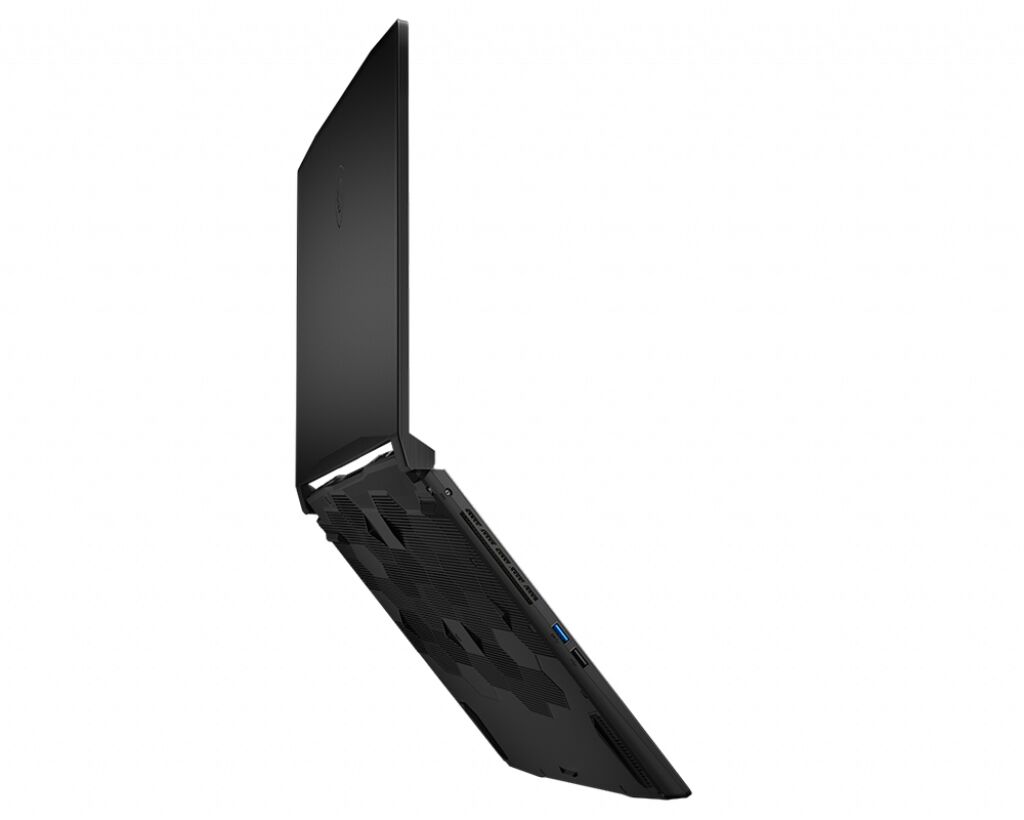
The MSI GF66 11UD-029FR Katana gaming laptop features DDR4-SDRAM memory specifications with 2x SO-DIMM slots for RAM upgrades. Maximum supported capacity reaches 64 GB total, with compatible modules operating at 3200 MHz frequency. The SO-DIMM form factor enables replacement or expansion of existing memory modules. Specifications indicate the GF series Katana model supports dual-slot memory configuration, allowing users to upgrade from factory-installed capacity to maximum supported specifications through compatible DDR4 memory modules.
Memory Upgrade Specifications
| Specification | Value |
|---|---|
| Memory slots | 2x SO-DIMM |
| Form factor | SO-DIMM |
| Memory type | DDR4-SDRAM |
| Frequency | 3200 MHz |
| Maximum RAM | 64 GB |
| Voltage | 1.2V |
| Number of pins | 260-pin |
| Interface | PC4 |
| PC Speed Rating | PC4-3200 (PC4-25600) |
| Bandwidth | 25.6 GB/s |
| Laptop Release date | 26 May 2021 |
Additional Notes
- The MSI GF66 11UD-029FR Katana accommodates only SO-DIMM modules, which are physically shorter than standard DIMM sticks. This constraint eliminates compatibility with full-size desktop memory modules and restricts upgrade options to laptop-specific memory inventory.
- DDR4-3200 memory operates at a fixed frequency. Installation of faster DDR4 modules (3600 MHz or higher) will downclock to 3200 MHz, providing no performance advantage while potentially increasing system cost without benefit.
- With 2 memory slots and a 64 GB maximum capacity ceiling, each SO-DIMM can hold 32 GB maximum. Reaching the 64 GB limit requires dual 32 GB modules, which commands premium pricing and represents an upper constraint unlikely to benefit typical gaming workloads on this processor generation.
- The DDR4-3200 frequency pairing with 11th-generation Intel mobile processors creates a mild bandwidth bottleneck compared to newer platform standards. Memory performance does not become the primary constraint, but achieves throughput parity rather than superiority in mixed gaming and productivity scenarios.
- Warranty coverage typically permits SO-DIMM replacement without voiding manufacturer protection, provided original modules are retained and installation follows specified procedures. This enables risk-free upgrade paths through memory addition or replacement with verified DDR4-SDRAM modules rated at 3200 MHz or lower.
- Single-channel to dual-channel memory configuration transitions (upgrading from 1 to 2 populated slots) yield measurable bandwidth increases of approximately 45 to 50 percent, with consistent gains in frame rendering consistency during GPU-intensive tasks.