MSI Gaming GF66 11UD-032XFR Katana RAM upgrade specifications
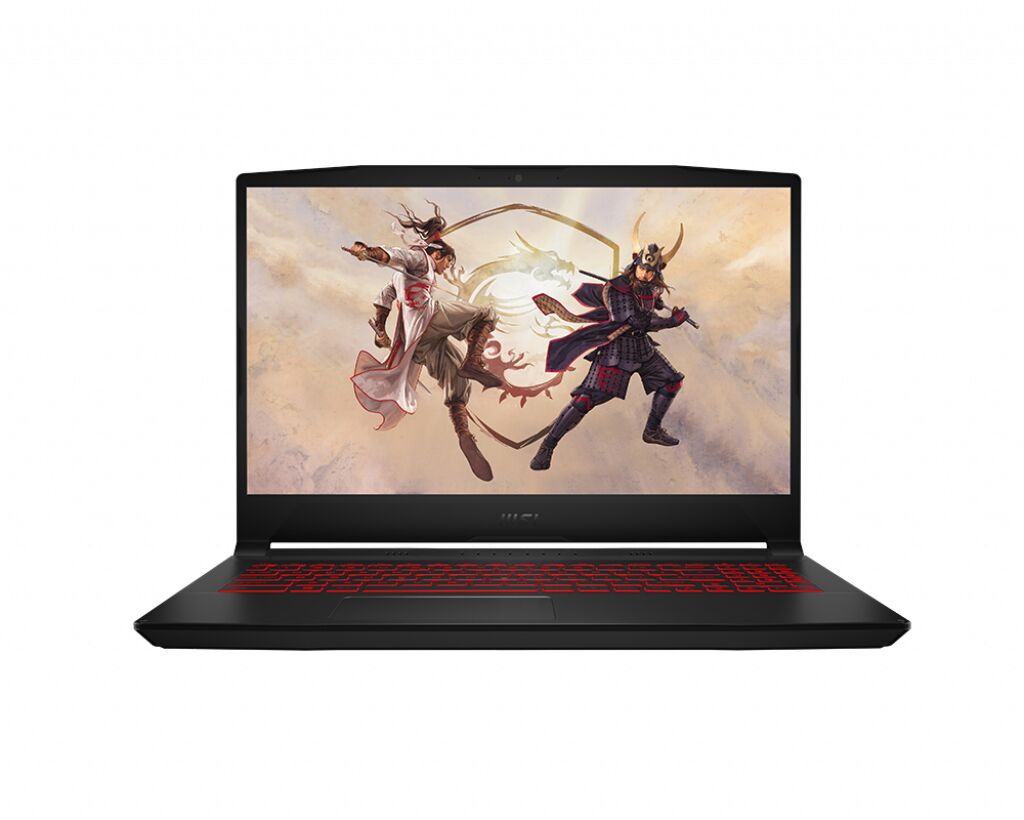
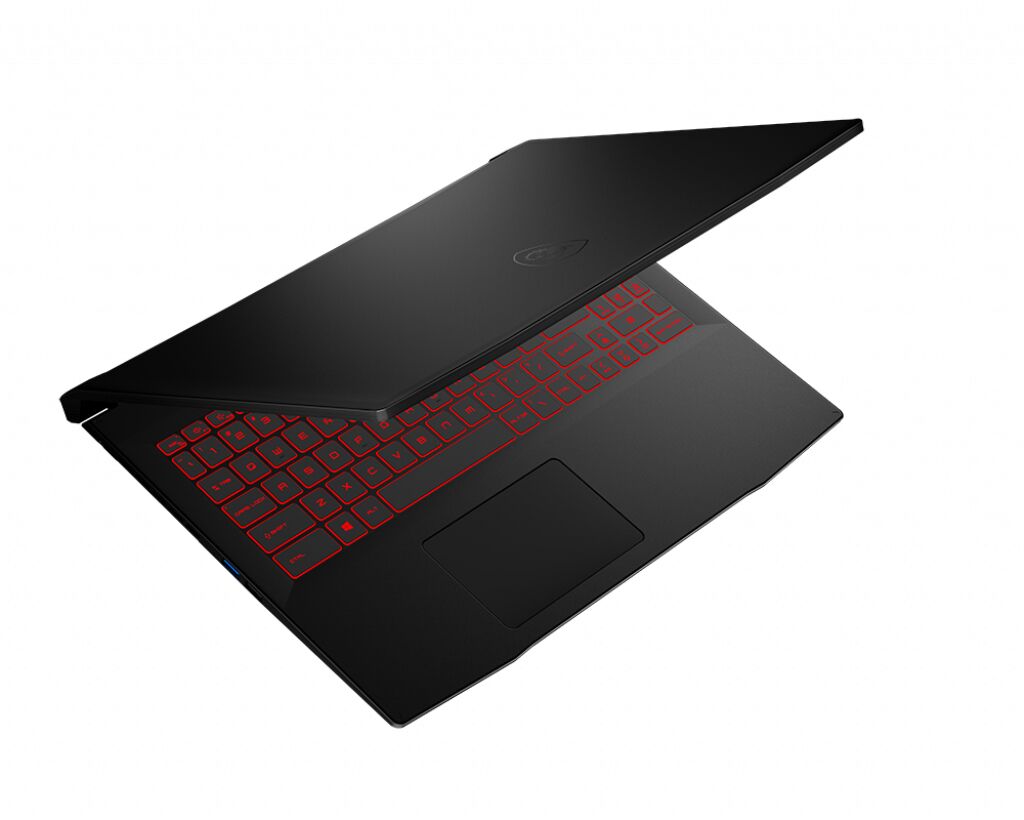
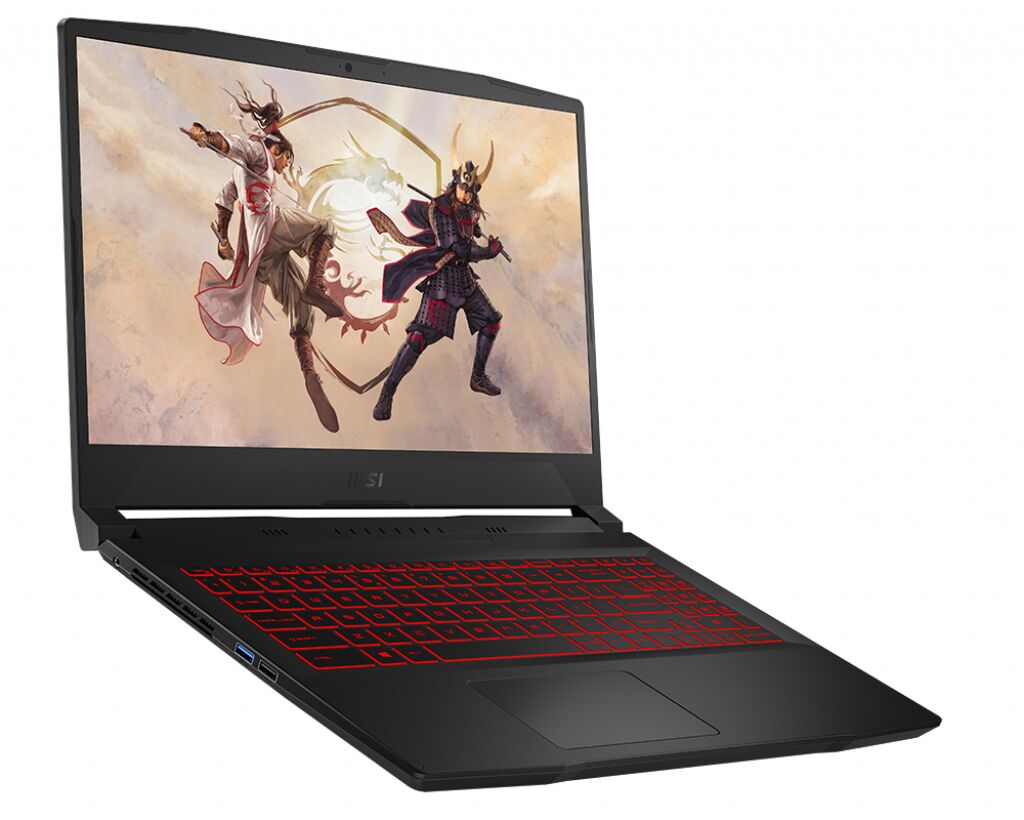
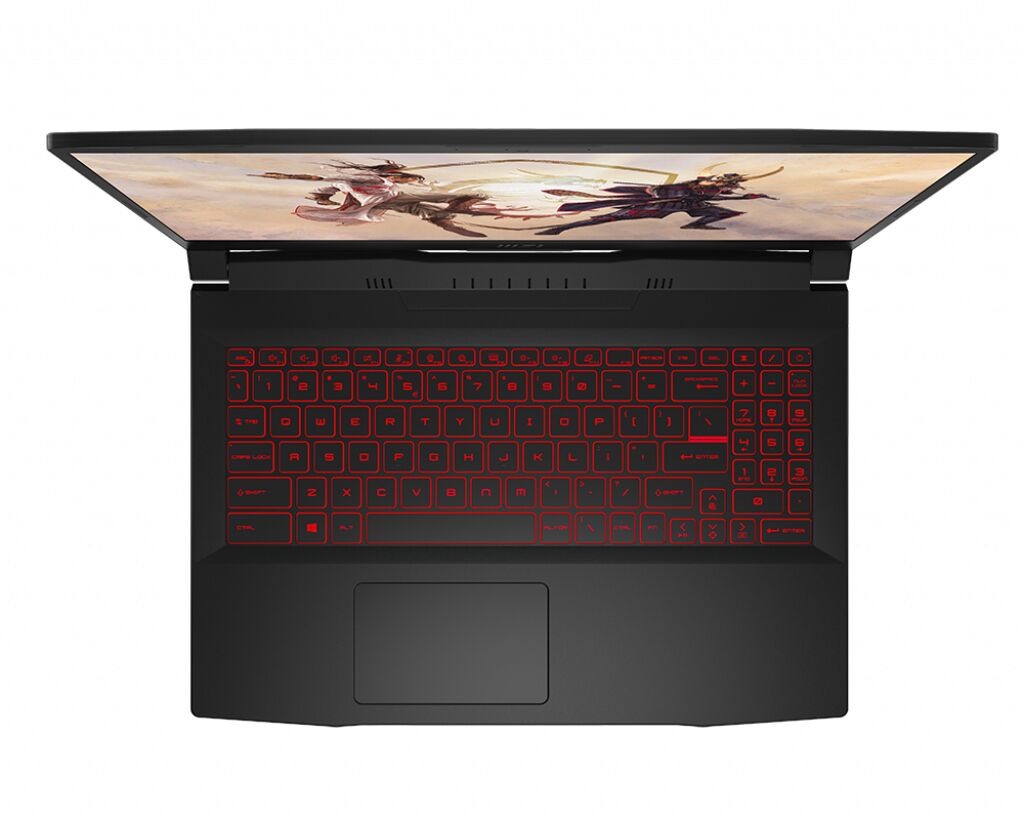
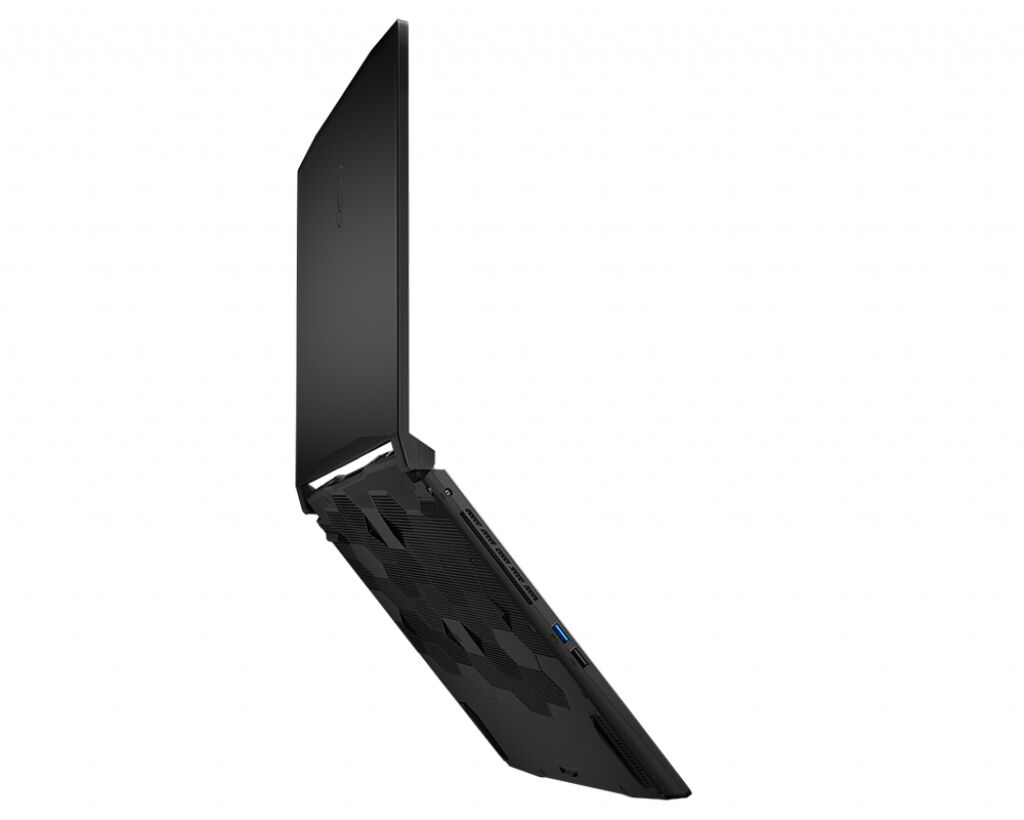
MSI GF66 11UD-032XFR Katana gaming laptop supports DDR4-SDRAM memory upgrades. The system features two SO-DIMM slots with maximum RAM capacity of 64 GB. Compatible memory modules operate at 3200 MHz frequency. Upgrade specifications indicate support for DDR4 SO-DIMM form factor modules. The GF66 Katana series allows installation of matching memory pairs to achieve maximum supported capacity through available dual memory slots.
Memory Upgrade Specifications
| Specification | Value |
|---|---|
| Memory slots | 2x SO-DIMM |
| Form factor | SO-DIMM |
| Memory type | DDR4-SDRAM |
| Frequency | 3200 MHz |
| Maximum RAM | 64 GB |
| Voltage | 1.2V |
| Number of pins | 260-pin |
| Interface | PC4 |
| PC Speed Rating | PC4-3200 (PC4-25600) |
| Bandwidth | 25.6 GB/s |
| Laptop Release date | 26 May 2021 |
Additional Notes
- The MSI GF66 11UD-032XFR Katana supports dual-channel memory architecture through its 2 SO-DIMM slots, enabling up to double the memory bandwidth compared to single-channel configurations when matched modules are installed.
- The 3200 MHz specification represents the JEDEC standard speed, though actual operating frequency depends on the Intel 11th generation processor's memory controller capabilities and BIOS implementation.
- Reaching the 64 GB maximum capacity requires two 32 GB modules, which may operate at higher voltage or looser timings than standard 16 GB modules due to density constraints.
- SO-DIMM modules physically measure 67.6 mm in length compared to 133.35 mm desktop DIMM variants, making standard desktop memory mechanically incompatible with this chassis.
- DDR4 operates at 1.2V nominal voltage, while some high-performance modules require 1.35V XMP profiles that may not activate without BIOS support for overclocking features.
- The SO-DIMM form factor typically allows tool-free access through a bottom panel, though specific disassembly procedures vary by manufacturer warranty terms.
- Non-matching module capacities across the 2 slots will force asymmetric dual-channel mode or flex mode, potentially reducing bandwidth efficiency in memory-intensive workloads.
- DDR4-3200 backward compatibility exists with lower frequency modules, but the memory controller will downclock all installed modules to match the slowest module's speed.
- The 64 GB ceiling reflects chipset and CPU memory controller limitations rather than physical slot constraints, as individual SO-DIMM slots can physically accept higher capacity modules if they existed.
- ECC SO-DIMM modules share the same 260-pin physical interface but require specific chipset and processor support, which consumer gaming platforms typically exclude from their memory controller firmware.