MSI Gaming GF66 11UD-030XFR Katana RAM upgrade specifications
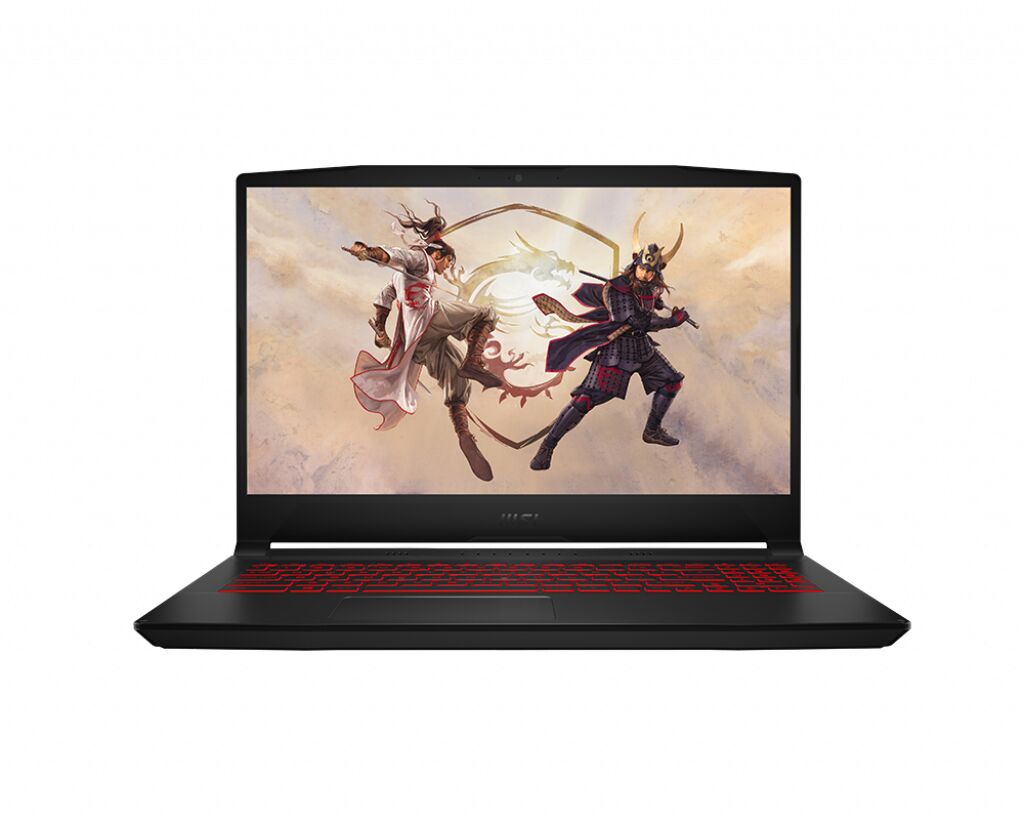
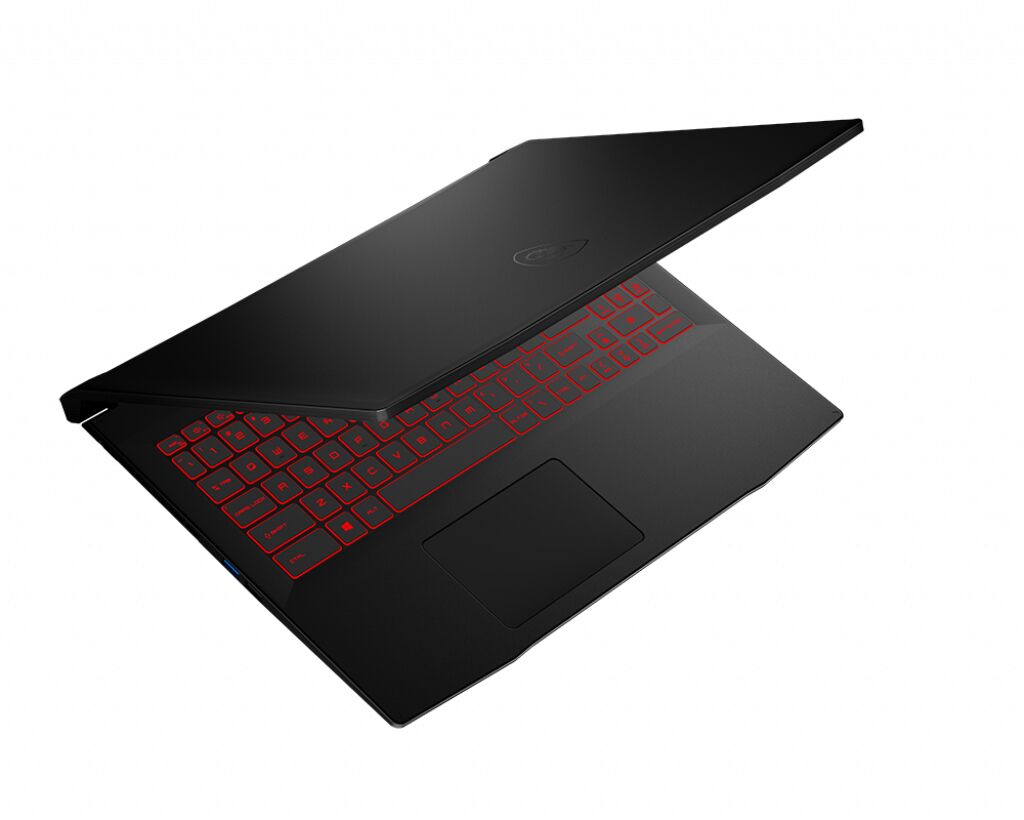
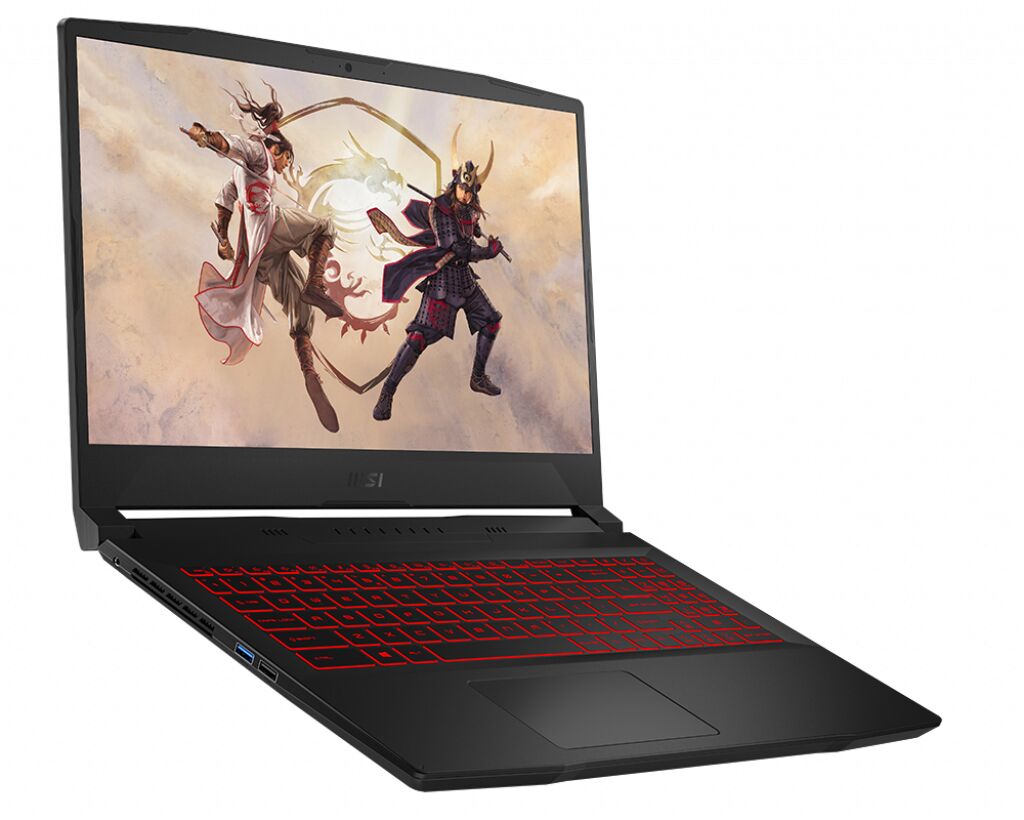
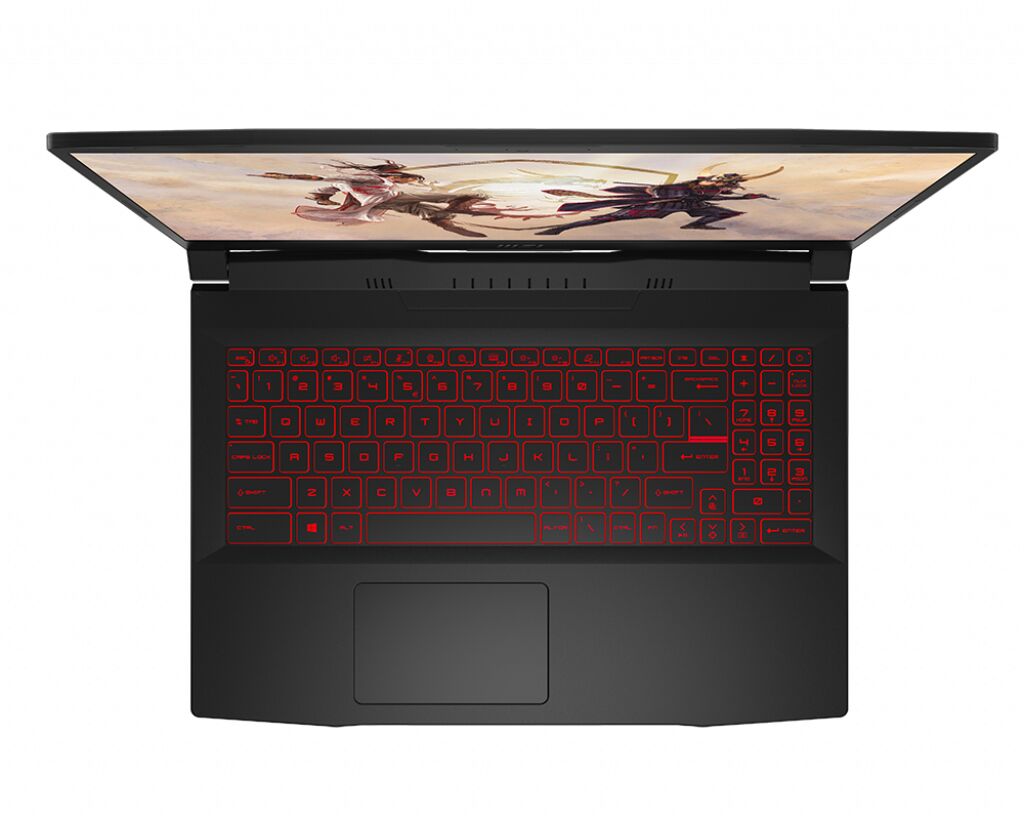
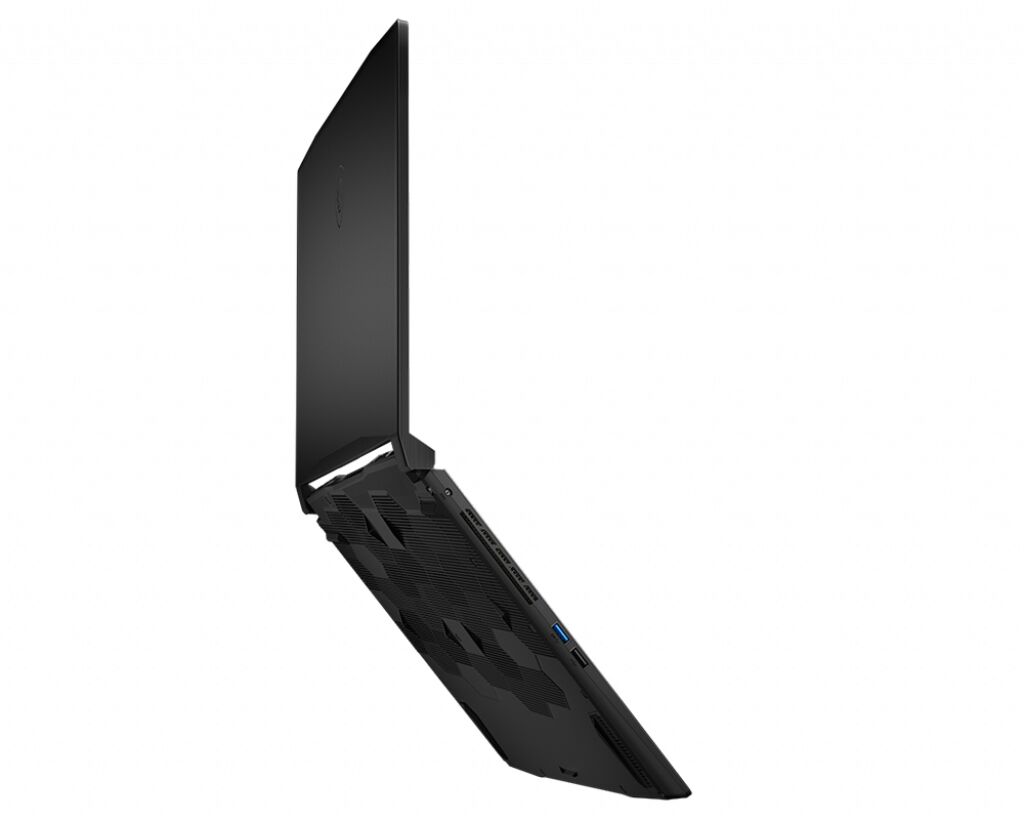
MSI GF66 11UD-030XFR Katana gaming laptop memory upgrade specifications include DDR4-SDRAM compatibility with 2x SO-DIMM slots supporting maximum RAM capacity of 64 GB. Compatible memory operates at 3200 MHz frequency. Upgrades utilize SO-DIMM form factor modules. Current slot configuration allows memory expansion through compatible DDR4 modules meeting specifications for GF series Gaming family platform.
Memory Upgrade Specifications
| Specification | Value |
|---|---|
| Memory slots | 2x SO-DIMM |
| Form factor | SO-DIMM |
| Memory type | DDR4-SDRAM |
| Frequency | 3200 MHz |
| Maximum RAM | 64 GB |
| Voltage | 1.2V |
| Number of pins | 260-pin |
| Interface | PC4 |
| PC Speed Rating | PC4-3200 (PC4-25600) |
| Bandwidth | 25.6 GB/s |
| Laptop Release date | 26 May 2021 |
Additional Notes
- The MSI GF66 11UD-030XFR Katana supports dual-channel memory architecture through its 2 SO-DIMM slots, enabling up to double the memory bandwidth compared to single-channel configurations when matching modules are installed.
- The 3200 MHz frequency specification indicates compatibility with DDR4-3200 modules, though lower-speed RAM (2933 MHz, 2666 MHz, or 2400 MHz) will function at reduced clock rates, potentially limiting performance in memory-intensive gaming scenarios.
- Each SO-DIMM slot accepts up to 32 GB modules to reach the 64 GB system maximum, requiring specific high-density chips that may command premium pricing compared to standard 8 GB or 16 GB modules.
- The SO-DIMM form factor restricts compatibility to notebook-specific memory modules, as standard desktop DIMM modules are physically incompatible due to differing pin counts and physical dimensions.
- Accessing the memory slots typically requires bottom panel removal, which may void warranty seals on certain laptop configurations unless performed by authorized service centers.
- Mixing RAM modules with different speeds will force all modules to operate at the lowest common frequency, creating a performance bottleneck if slower memory is paired with 3200 MHz modules.
- The Intel 11th generation platform limits official JEDEC support to DDR4-3200, meaning XMP profiles for higher frequencies may not function or require manual BIOS adjustments unavailable in locked firmware.
- Populating both slots with identical capacity modules ensures optimal dual-channel interleaving, while asymmetric configurations (such as 16 GB plus 8 GB) may operate partially in single-channel mode for the non-matched portion.