MSI Gaming GF66 12UC-236AU Katana RAM upgrade specifications

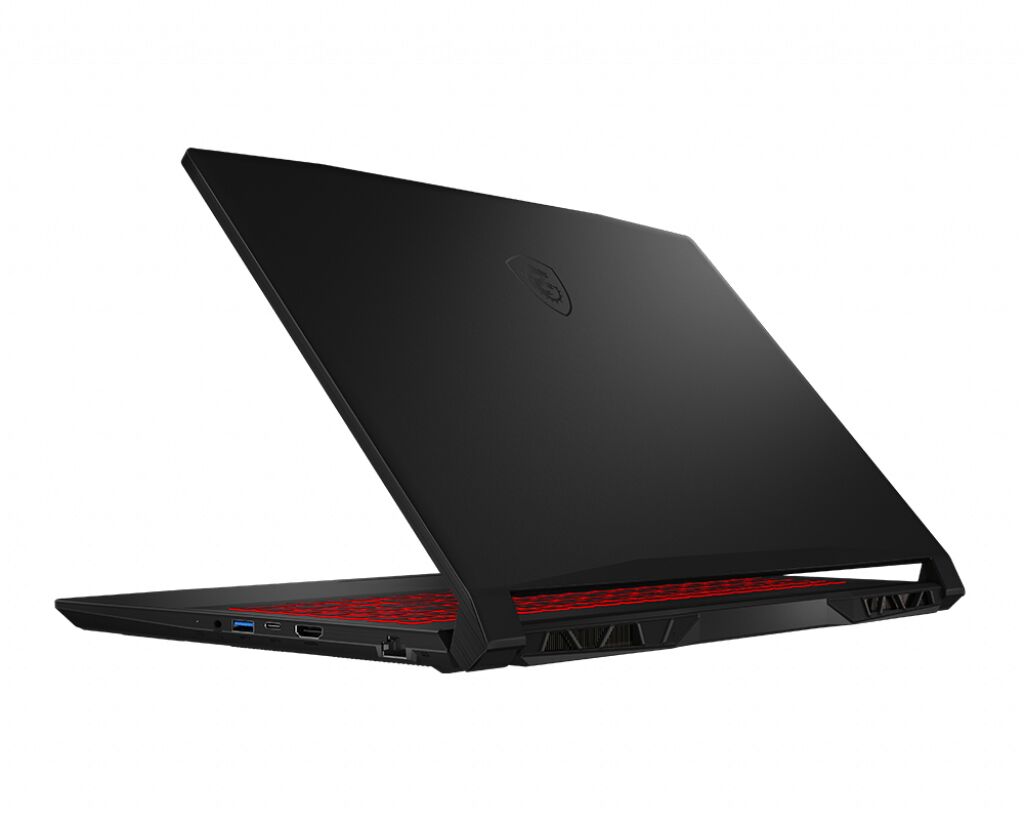
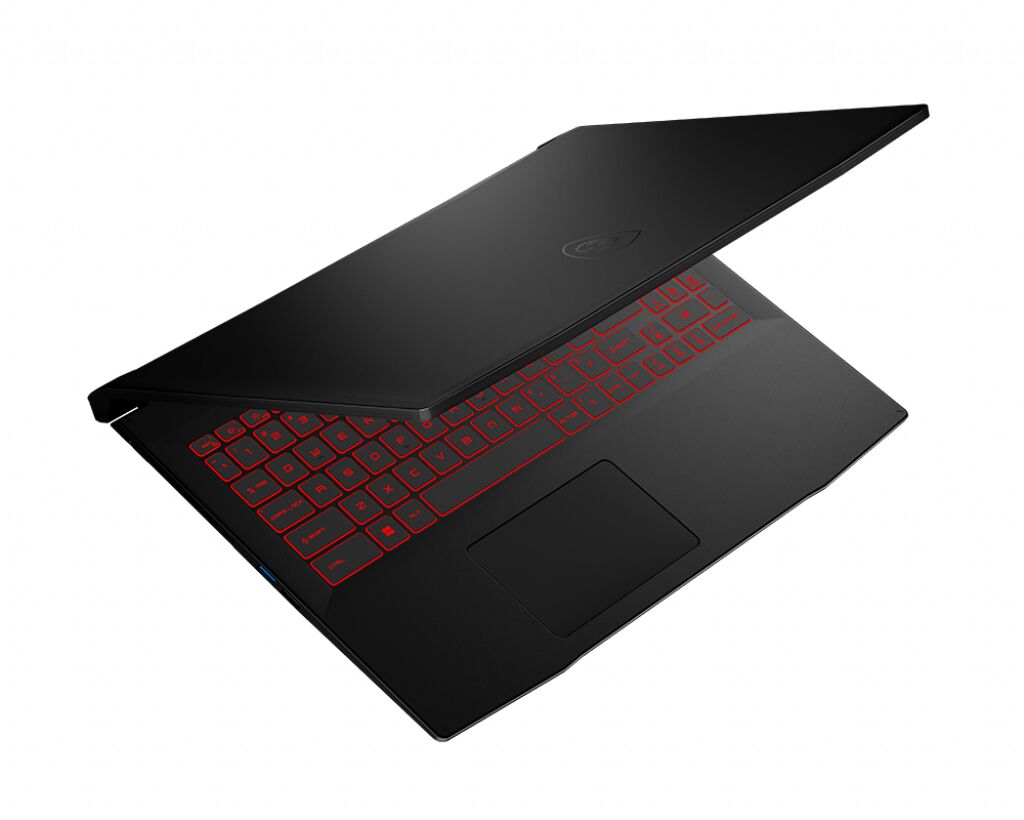

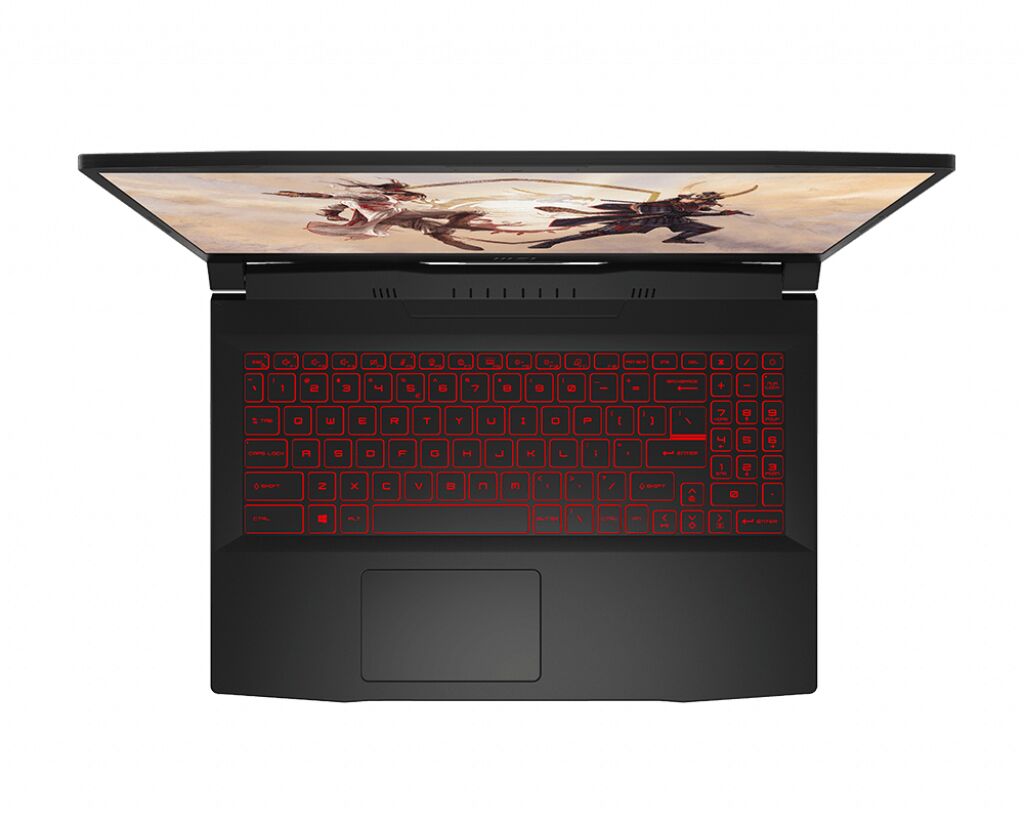
The MSI GF66 12UC-236AU Katana gaming laptop features DDR4-SDRAM memory upgrade specifications with two SO-DIMM slots supporting maximum capacity of 64 GB. The system is compatible with DDR4 memory modules operating at 3200 MHz frequency. Current memory configuration and available upgrade options depend on factory specifications. Users can install compatible DDR4 SO-DIMM modules to expand RAM capacity within the maximum 64 GB limitation. Both memory slots accept standard SO-DIMM form factor modules meeting DDR4-SDRAM specifications.
Memory Upgrade Specifications
| Specification | Value |
|---|---|
| Memory slots | 2x SO-DIMM |
| Form factor | SO-DIMM |
| Memory type | DDR4-SDRAM |
| Frequency | 3200 MHz |
| Maximum RAM | 64 GB |
| Voltage | 1.2V |
| Number of pins | 260-pin |
| Interface | PC4 |
| PC Speed Rating | PC4-3200 (PC4-25600) |
| Bandwidth | 25.6 GB/s |
| Laptop Release date | 22 July 2022 |
Additional Notes
- Dual channel mode requires matched pairs of modules to optimize memory bandwidth and reduce system latency during heavy computational tasks.
- The MSI GF66 12UC-236AU Katana utilizes a motherboard architecture that lacks soldered memory, meaning all existing system RAM must be removed to reach the maximum supported capacity.
- Power consumption remains efficient at higher capacities because DDR4 modules operate at a standard 1.2V voltage regardless of individual stick size.
- Populating both slots with high density 32GB modules ensures the integrated memory controller can utilize the full width of the data bus for intensive gaming and rendering applications.
- Compatibility is restricted to non ECC unbuffered modules as the chipset does not support error correction protocols for data integrity.
- Installing modules with speeds exceeding 3200 MHz will result in automatic downclocking to the hardware defined limit due to BIOS constraints on the 12th generation platform.
- Physical access to the SO-DIMM slots requires the removal of the entire bottom chassis covering, which may involve penetrating a factory seal sticker in certain regions.