MSI Gaming GF66 12UC-656AU Katana RAM upgrade specifications
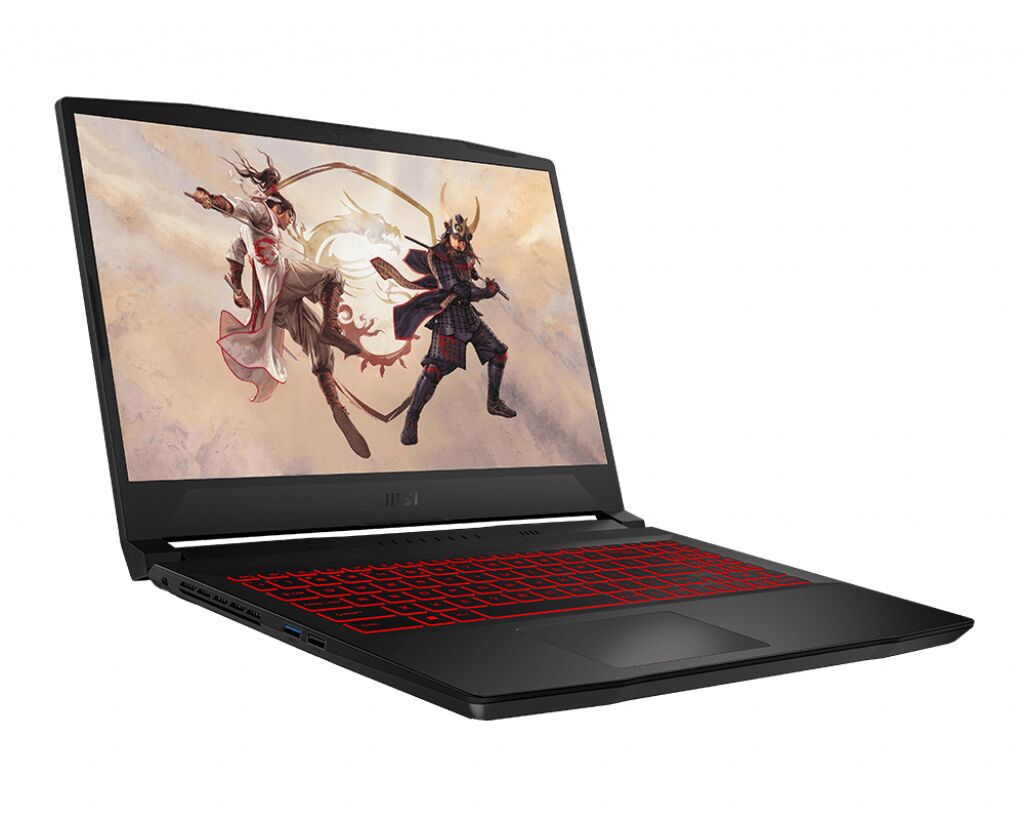

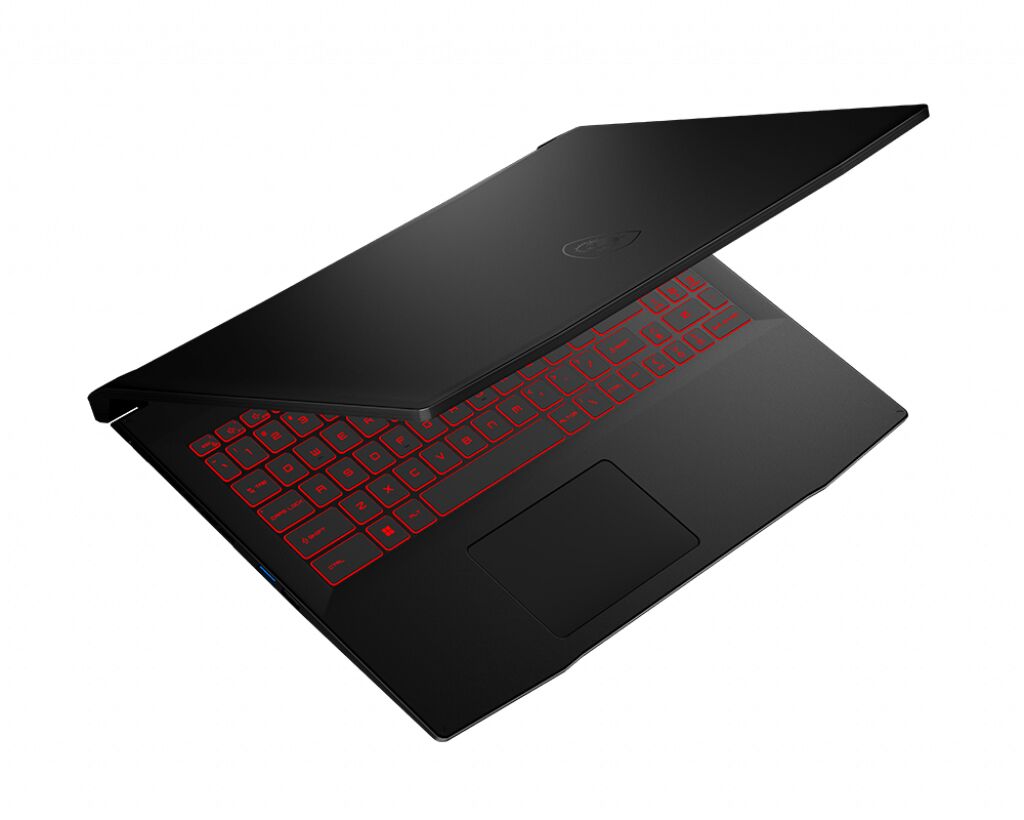
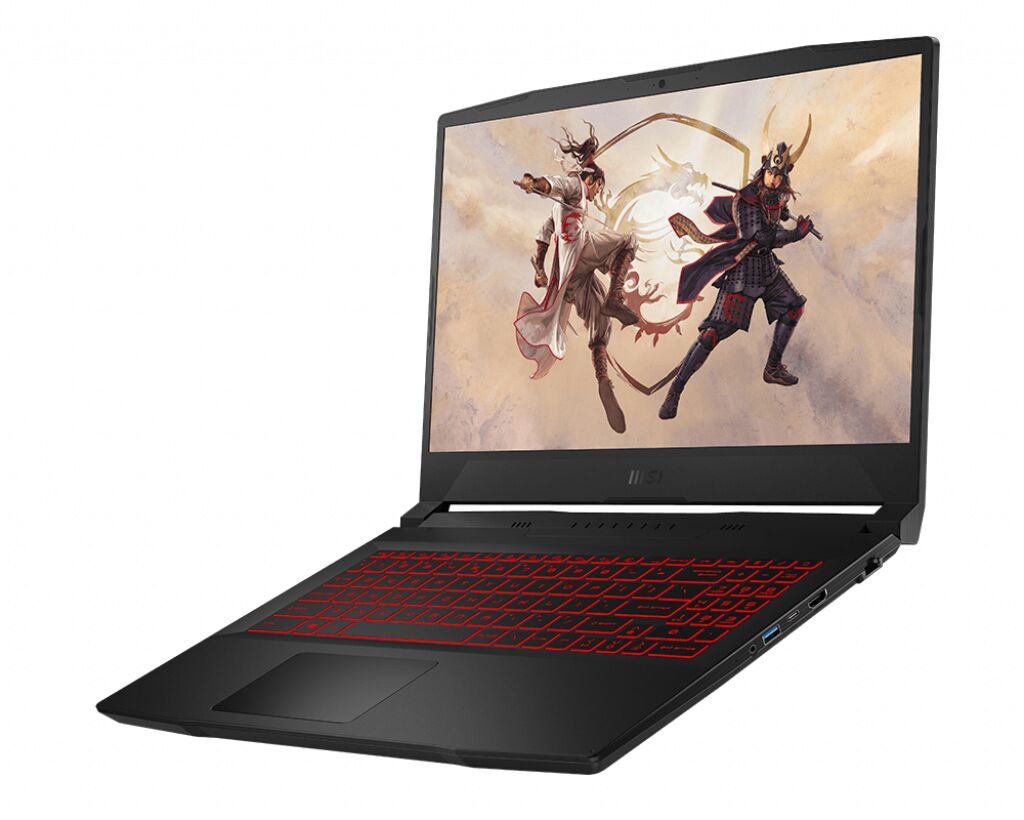
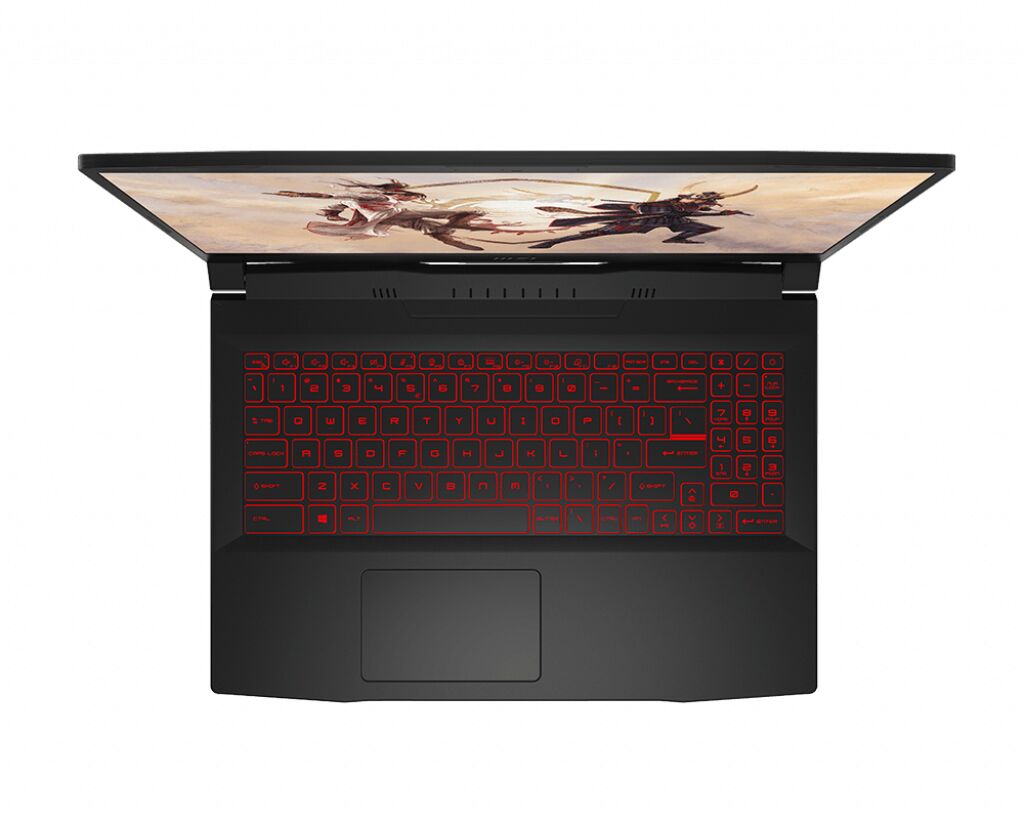
The MSI GF66 12UC-656AU Katana gaming laptop features DDR4-SDRAM memory upgrade specifications with two SO-DIMM slots supporting maximum capacity of 64 GB total RAM. Compatible memory modules operate at 3200 MHz frequency and utilize the SO-DIMM form factor. Upgrade slots accommodate DDR4 memory standards for enhanced system performance and multitasking capabilities on the MSI GF series gaming platform.
Memory Upgrade Specifications
| Specification | Value |
|---|---|
| Memory slots | 2x SO-DIMM |
| Form factor | SO-DIMM |
| Memory type | DDR4-SDRAM |
| Frequency | 3200 MHz |
| Maximum RAM | 64 GB |
| Voltage | 1.2V |
| Number of pins | 260-pin |
| Interface | PC4 |
| PC Speed Rating | PC4-3200 (PC4-25600) |
| Bandwidth | 25.6 GB/s |
| Laptop Release date | 22 July 2022 |
Additional Notes
- The MSI GF66 12UC-656AU Katana accepts only DDR4 modules, excluding compatibility with DDR5 or DDR3 variants regardless of form factor matching.
- Both SO-DIMM slots support dual-channel memory architecture when populated with matched capacity modules, enabling bandwidth up to 51.2 GB/s at 3200 MHz.
- Mixing module capacities or speeds across slots forces the memory controller to operate all modules at the lowest common frequency and timing parameters.
- The 64 GB maximum specification allows 2x32 GB configuration, though module availability above 16 GB density typically carries premium pricing in the SO-DIMM market.
- Installation requires bottom panel removal, with memory slots typically positioned beneath a service cover accessible without full disassembly.
- Aftermarket RAM installation preserves manufacturer warranty when performed without physical damage, though verification of regional warranty terms remains advisable.
- The 3200 MHz native frequency requires no BIOS adjustment on compatible modules, as JEDEC standard DDR4-3200 operates at specification without XMP profile activation.
- Thermal considerations dictate standard-height SO-DIMM modules without extended heat spreaders, as gaming laptop chassis maintain minimal clearance above installed memory.
- Single-channel operation with one populated slot reduces memory bandwidth by approximately 50 percent, creating performance limitations in bandwidth-sensitive applications.
- Non-ECC unbuffered modules represent the standard specification for consumer gaming platforms, as error-correcting memory introduces latency penalties incompatible with performance objectives.