MSI Gaming GF75 10SDR-086IT Thin RAM upgrade specifications
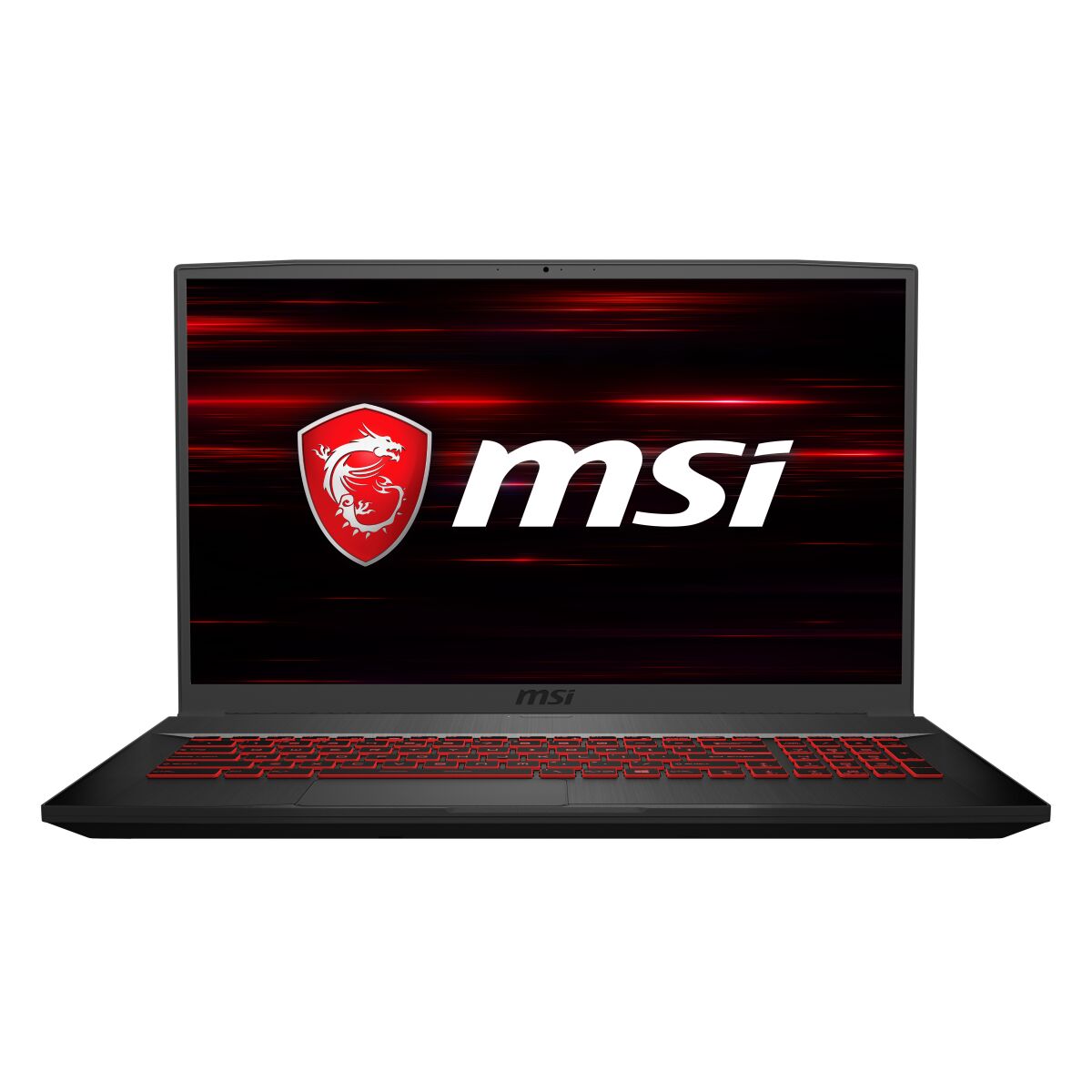
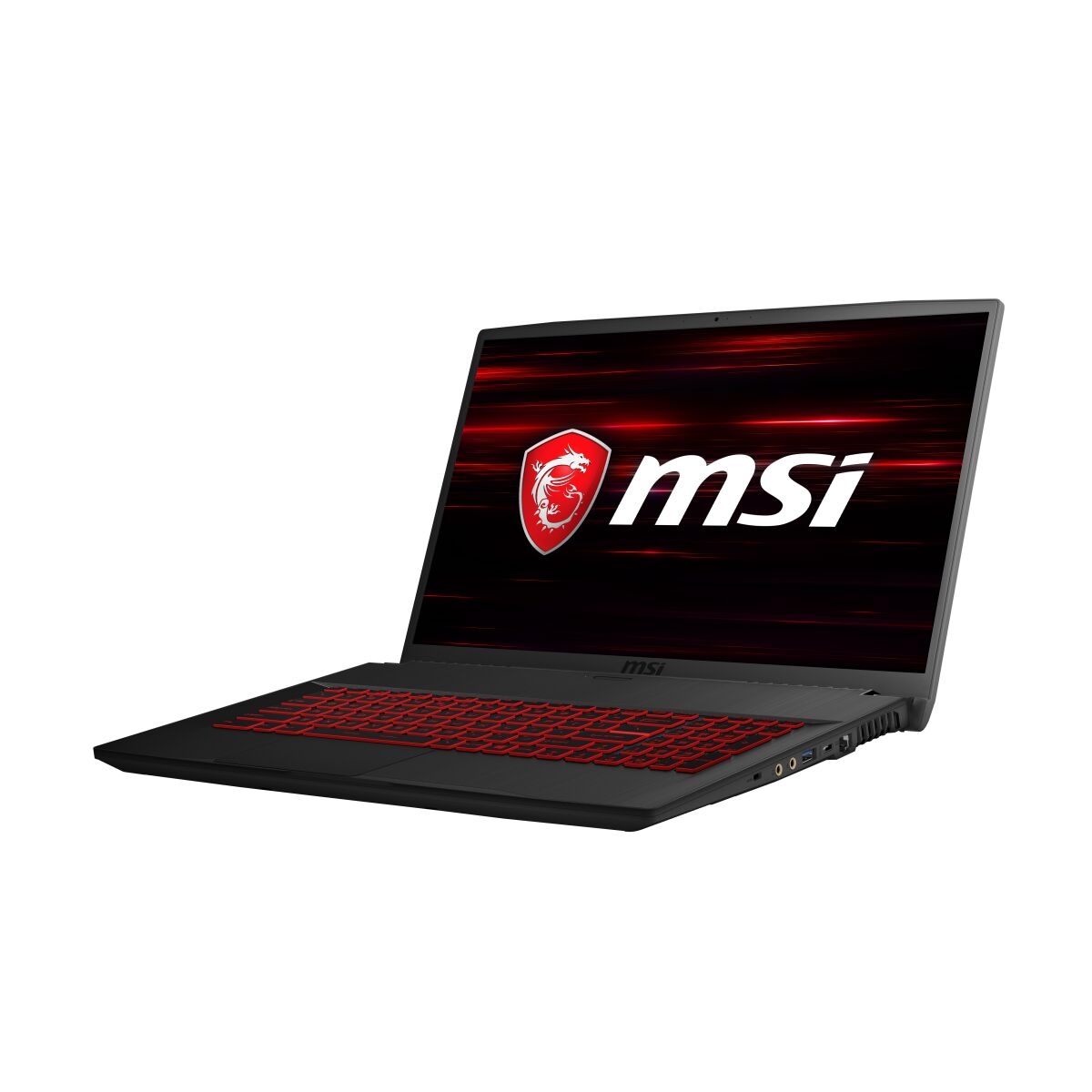
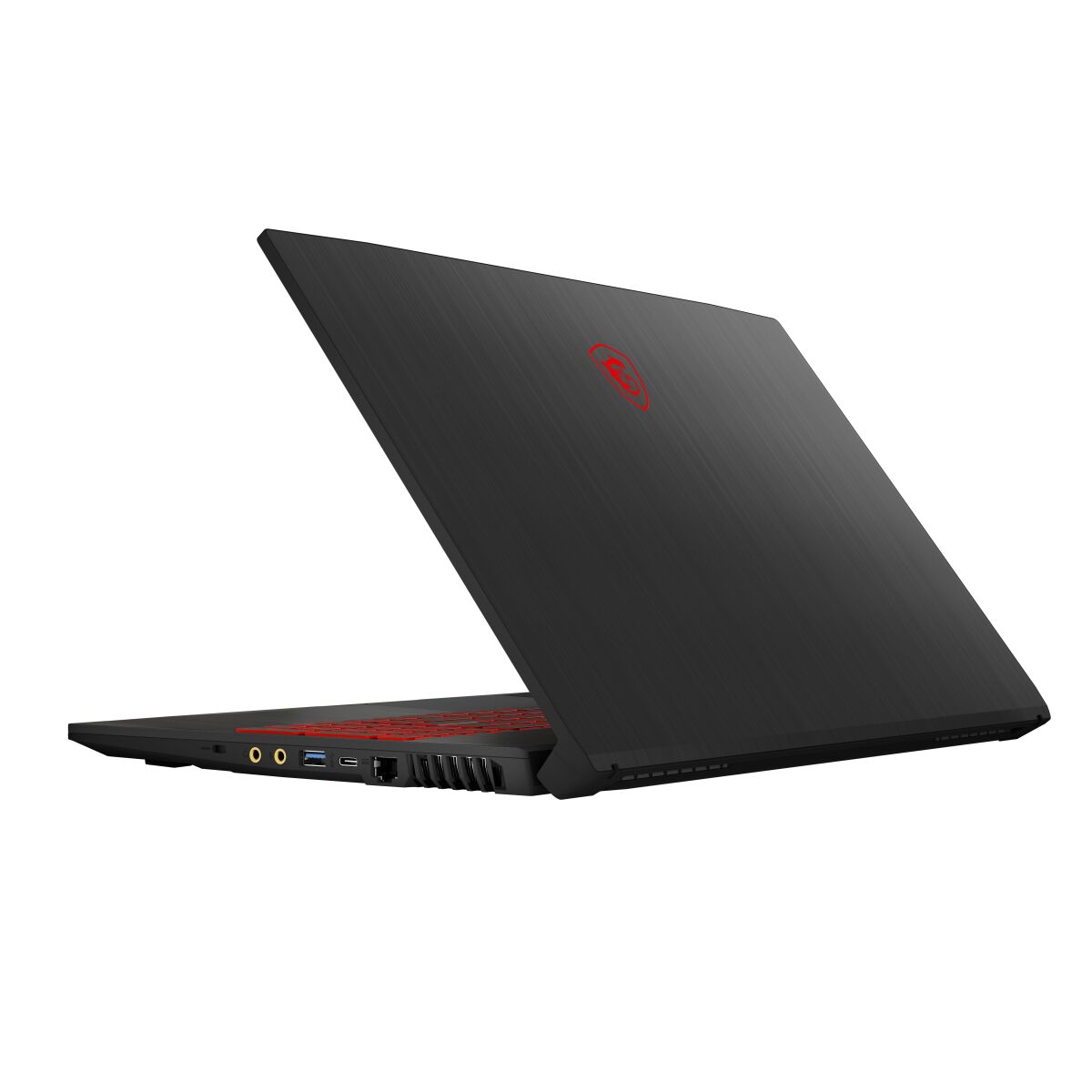
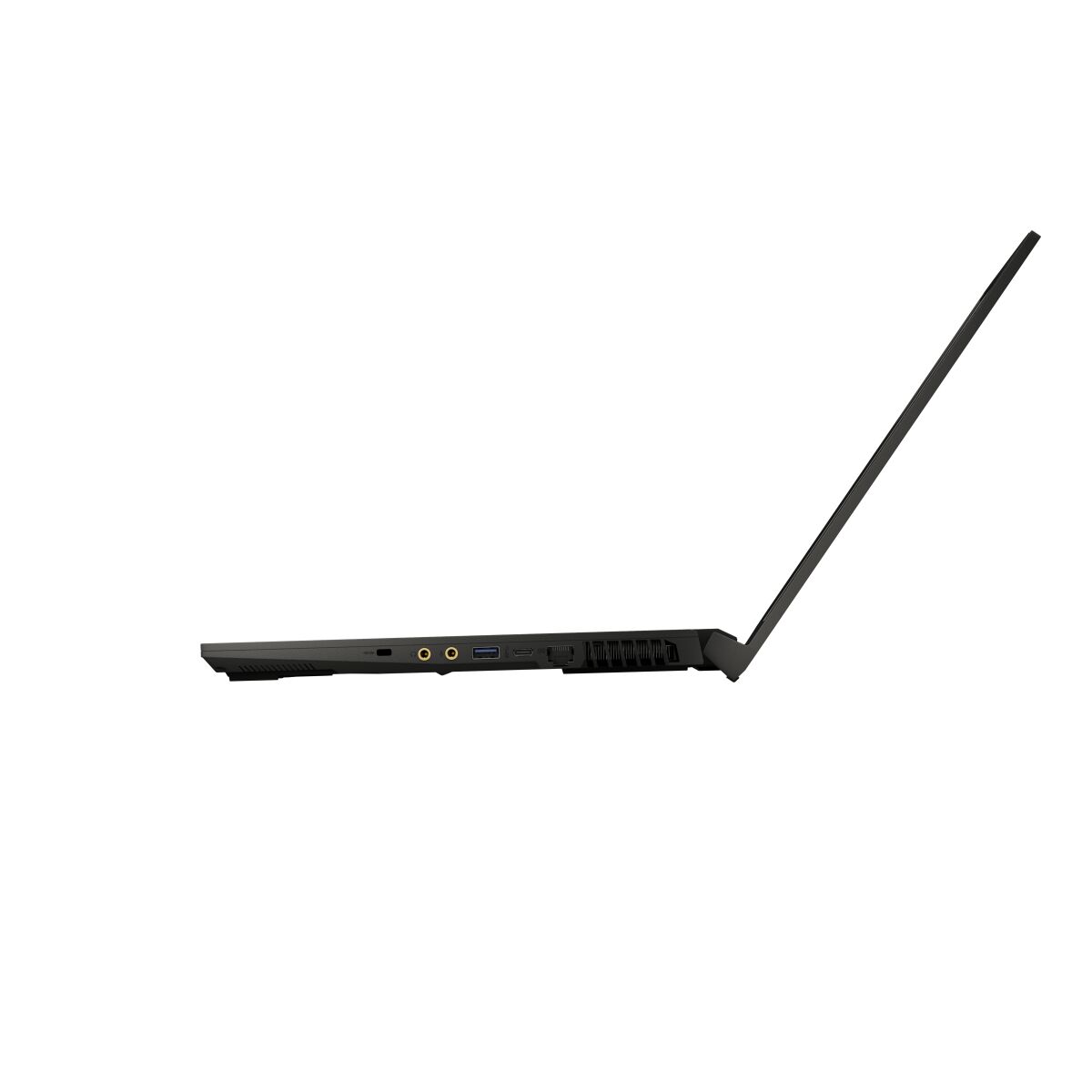
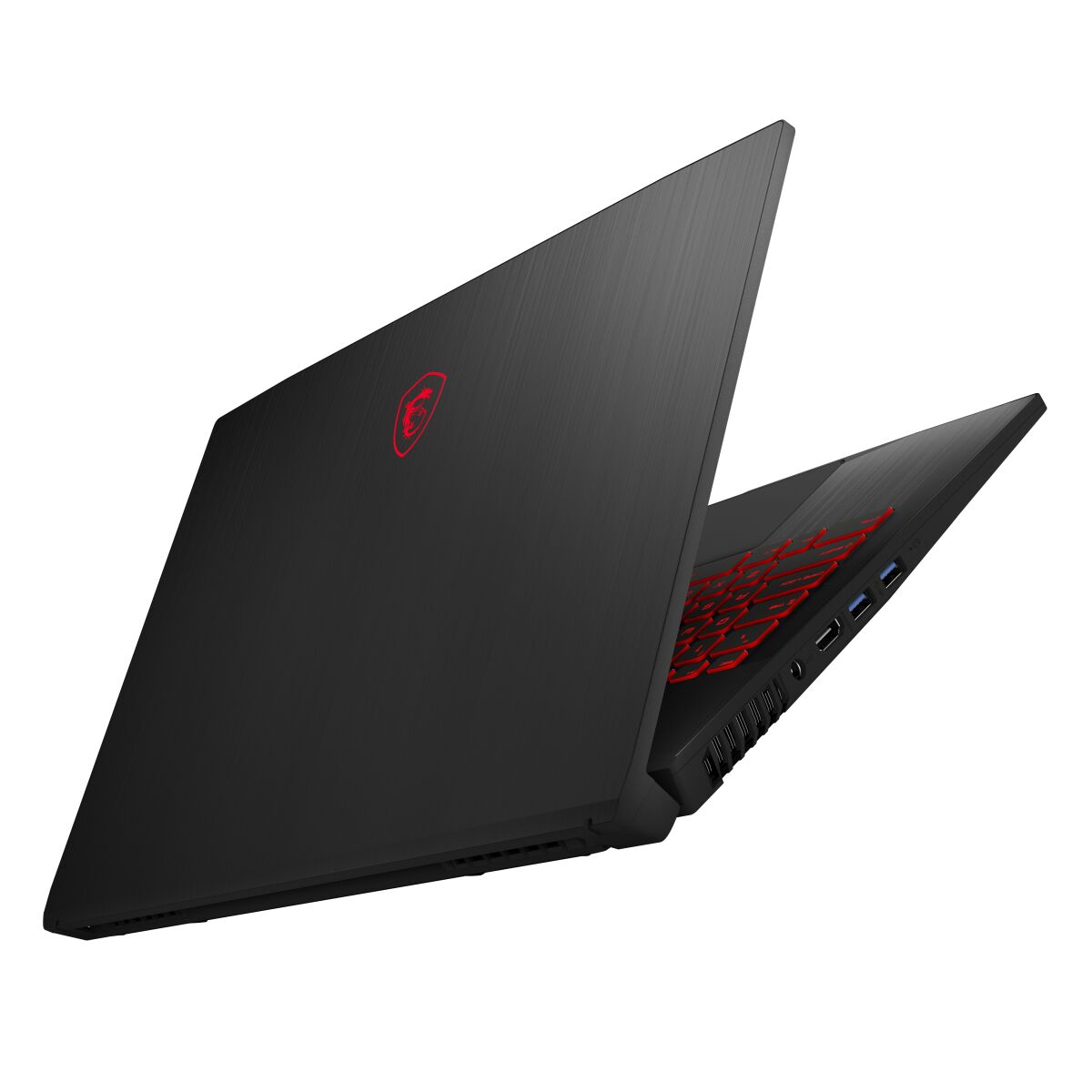
The MSI GF75 10SDR-086IT Thin gaming laptop features DDR4-SDRAM memory upgrade capabilities. The device contains 2x SO-DIMM slots for memory expansion, supporting a maximum RAM capacity of 64 GB. Compatible memory modules operate at 2666 MHz frequency and utilize the SO-DIMM form factor. These specifications define the upgrade parameters for the GF Series thin gaming laptop model.
Memory Upgrade Specifications
| Specification | Value |
|---|---|
| Memory slots | 2x SO-DIMM |
| Form factor | SO-DIMM |
| Memory type | DDR4-SDRAM |
| Frequency | 2666 MHz |
| Maximum RAM | 64 GB |
| Voltage | 1.2V |
| Number of pins | 260-pin |
| Interface | PC4 |
| PC Speed Rating | PC4-2666 (PC4-21328) |
| Bandwidth | 21.3 GB/s |
| Laptop Release date | 11 June 2020 |
Additional Notes
- The MSI GF75 10SDR-086IT Thin contains 2 SO-DIMM slots with a combined ceiling of 64 GB, meaning each slot supports a maximum module size of 32 GB per slot.
- DDR4-2666 MHz represents the native JEDEC standard for this generation, but the system may accept higher-frequency modules (DDR4-3000, DDR4-3200) if BIOS settings permit, though performance gains remain marginal for gaming workloads and introduce stability risks without adequate cooling.
- Both SO-DIMM slots occupy the same physical bay beneath the keyboard deck; simultaneous removal of both modules eliminates all system memory, requiring either boot from external media or professional service to restore functionality.
- Upgrading from a single 8 GB module to dual 16 GB modules enables dual-channel memory architecture, delivering up to 40 percent bandwidth improvement for CPU-bound tasks compared to single-channel operation, though latency per transaction remains unchanged.
- Mixing different memory capacities (example: 16 GB plus 32 GB) forces the system into single-channel mode on the smaller module's capacity tier, negating dual-channel benefits across the entire memory pool.
- DDR4-SDRAM modules from consumer and OEM sources are mechanially interchangeable at the SO-DIMM connector; however, warranty coverage does not extend to non-MSI-branded memory if hardware failure occurs within the covered period.
- The 2666 MHz specification indicates no support for overclocking profiles or XMP/DOCP features in BIOS, as this model lacks the power delivery infrastructure typical of enthusiast platforms.