MSI Gaming GF75 10SDR-255 Thin RAM upgrade specifications
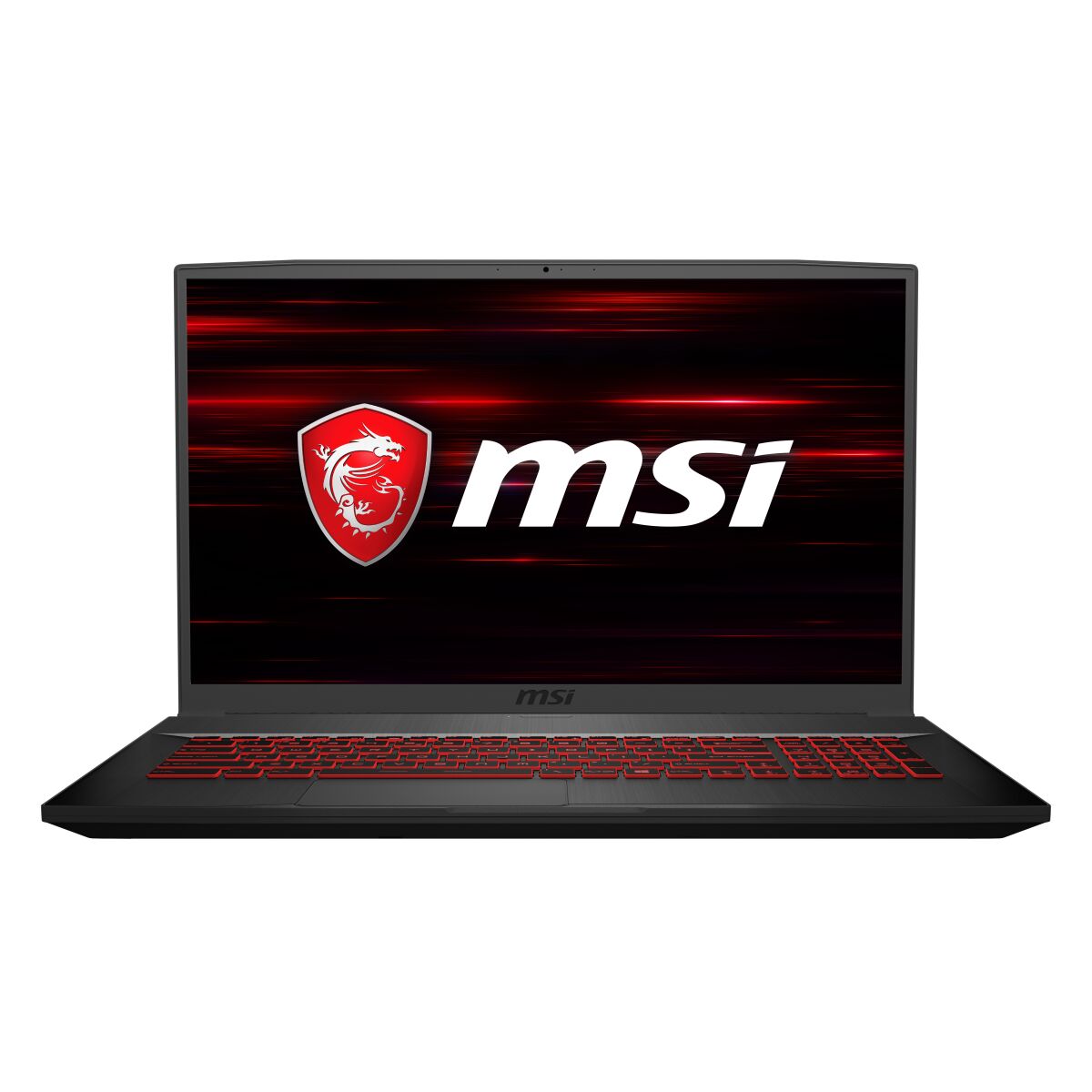
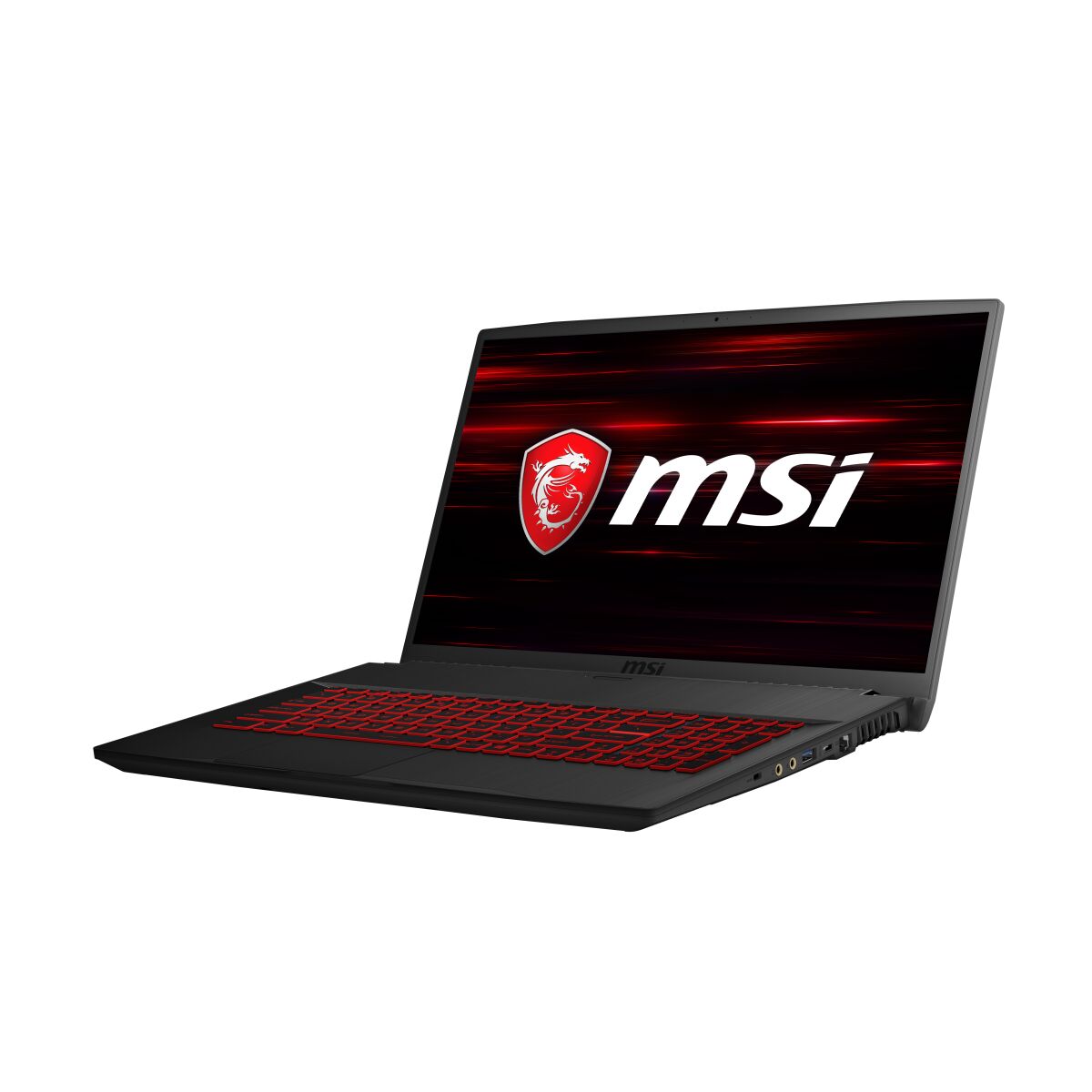
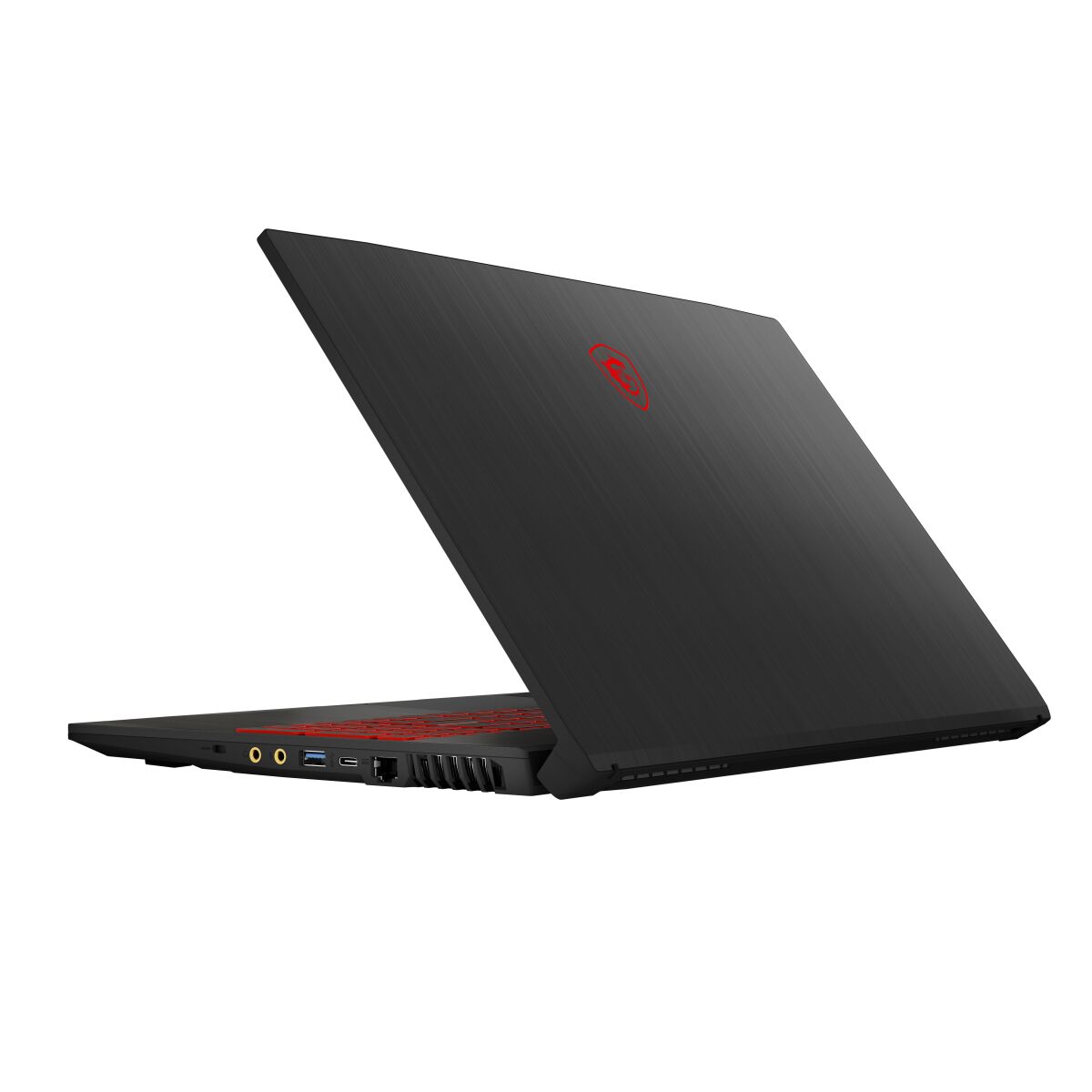
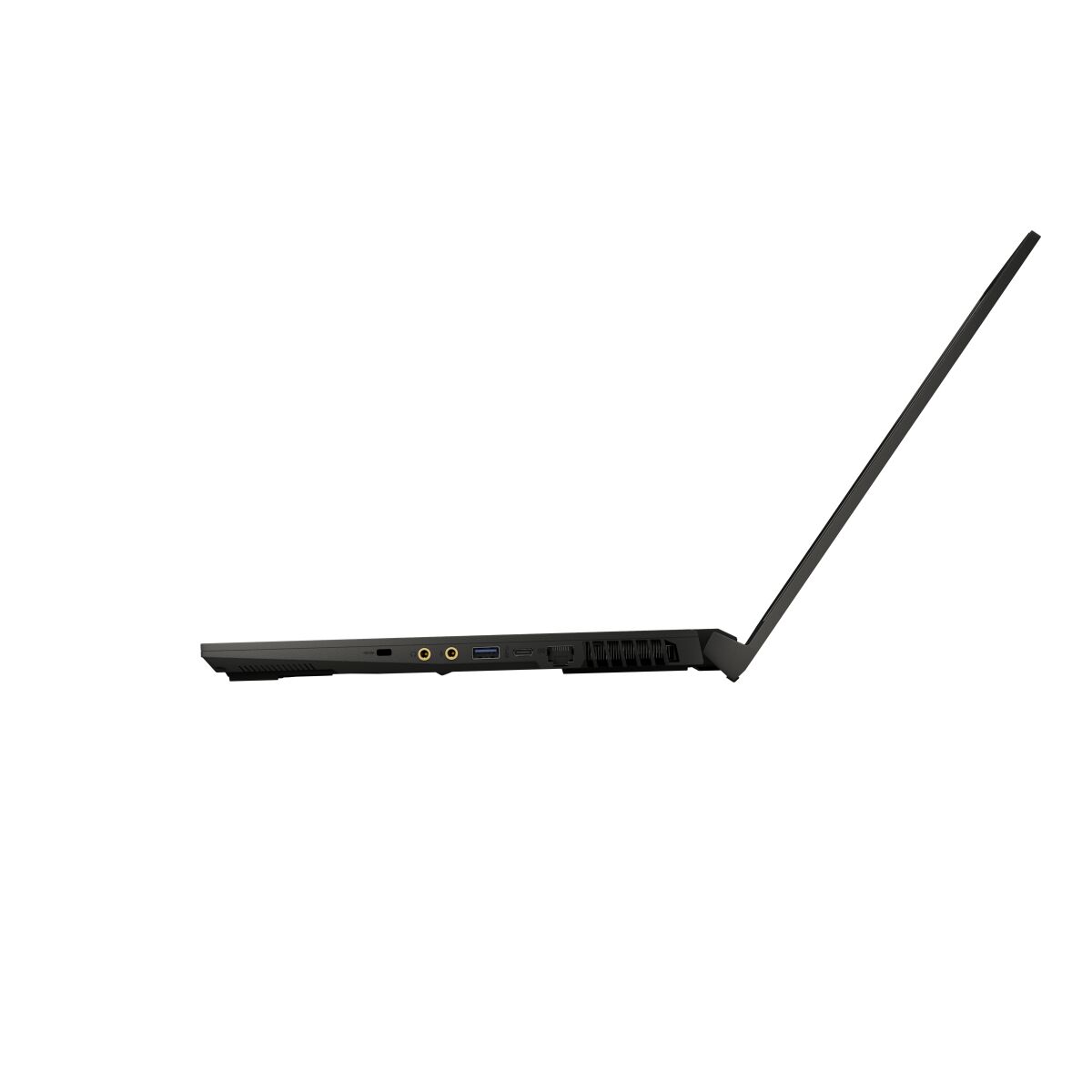
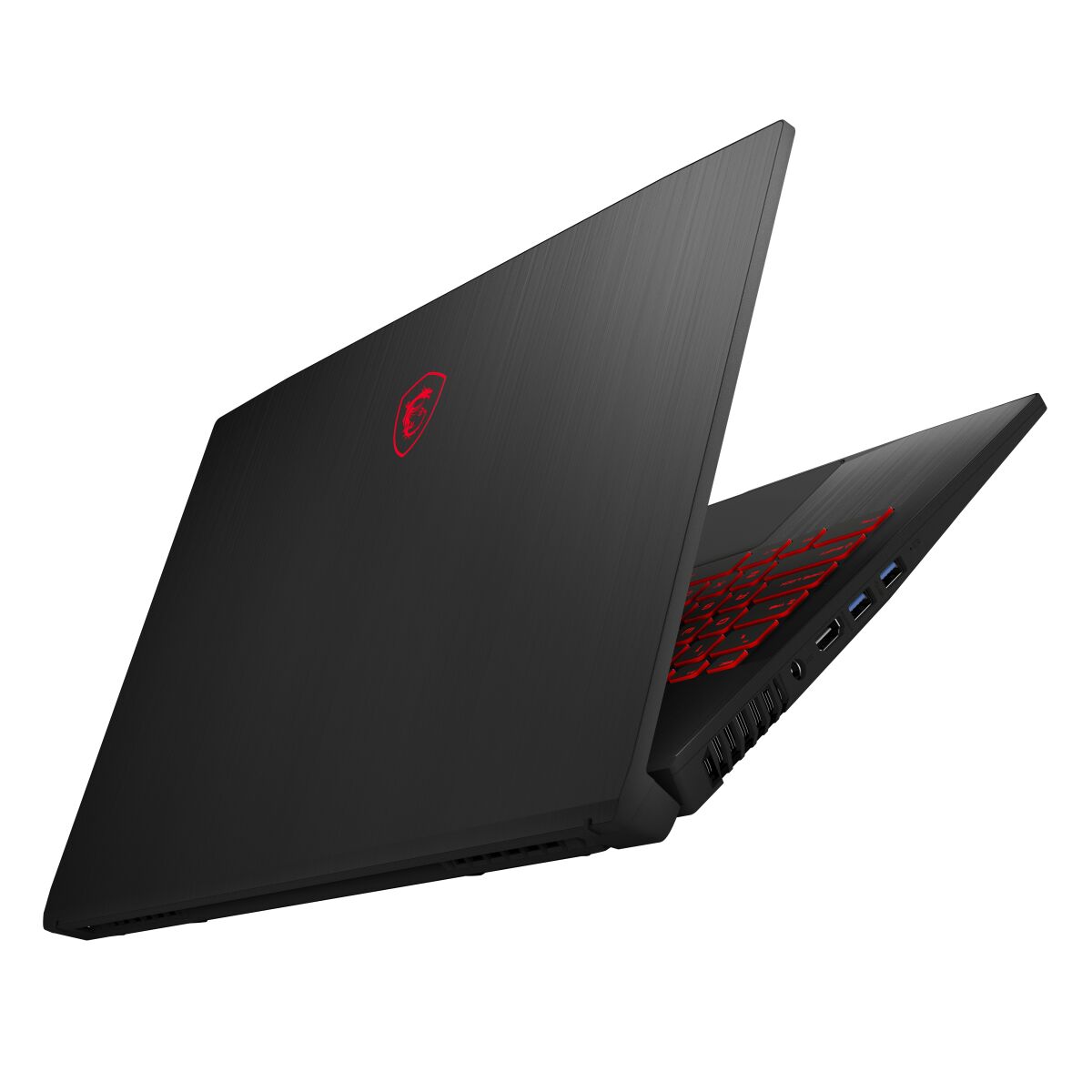
The MSI GF75 10SDR-255 Thin Gaming series laptop features DDR4-SDRAM memory upgrade capabilities. The system contains 2x SO-DIMM slots supporting maximum RAM capacity of 64 GB. Memory specifications include DDR4 operating frequency of 2666 MHz with SO-DIMM form factor compatibility. Upgrade specifications enable replacement or expansion of existing memory modules to achieve maximum supported capacity through compatible DDR4-SDRAM modules within the designated slots.
Memory Upgrade Specifications
| Specification | Value |
|---|---|
| Memory slots | 2x SO-DIMM |
| Form factor | SO-DIMM |
| Memory type | DDR4-SDRAM |
| Frequency | 2666 MHz |
| Maximum RAM | 64 GB |
| Voltage | 1.2V |
| Number of pins | 260-pin |
| Interface | PC4 |
| PC Speed Rating | PC4-2666 (PC4-21328) |
| Bandwidth | 21.3 GB/s |
| Laptop Release date | 14 April 2021 |
Additional Notes
- The MSI GF75 10SDR-255 Thin supports DDR4-3200 modules despite stock configuration at 2666 MHz, enabling backward-compatible upgrades to higher frequency memory without BIOS modification, though performance gains remain marginal due to 10th-generation Intel processor memory controller latency characteristics.
- SO-DIMM form factor constrains upgrade options to laptop-specific modules; desktop DDR4 DIMM sticks cannot be physically installed, eliminating cost-effective desktop memory alternatives.
- The 2-slot configuration with 64 GB maximum capacity requires both slots populated with 32 GB modules to reach ceiling; single-slot upgrades to 32 GB leave one slot empty, preventing future expansion without replacing existing memory.
- DDR4-2666 stock frequency indicates the integrated memory controller operates below typical third-generation Ryzen or current-generation Intel performance bands; substituting with DDR4-3200 SO-DIMM modules may yield 3-5% frame rate improvement in bandwidth-sensitive gaming scenarios, primarily in CPU-limited conditions.
- Warranty preservation requires ESD precautions and avoiding thermal pad disruption during SO-DIMM installation; MSI typically honors memory upgrades if no damage to internal components occurs during the process.
- Thermal management impact from higher-frequency memory remains negligible; DDR4-3200 generates comparable heat output to DDR4-2666, producing no measurable system temperature increase under sustained gaming loads.