MSI Gaming GF75 10SDR-242FR Thin RAM upgrade specifications
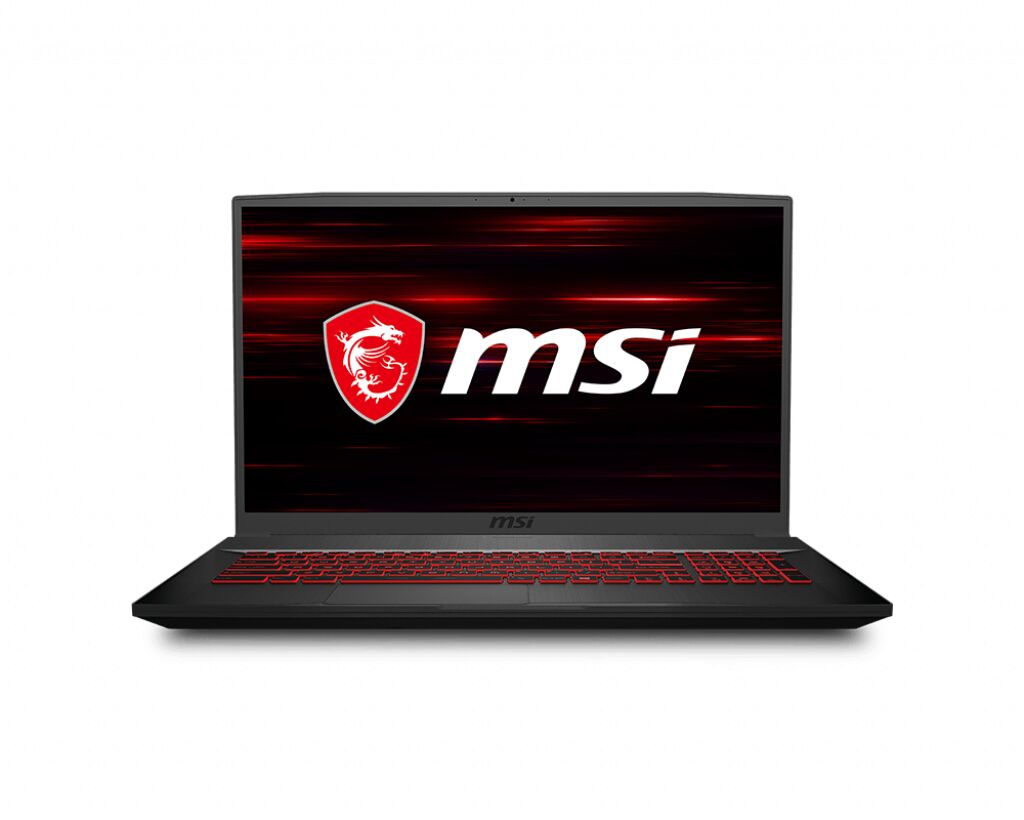
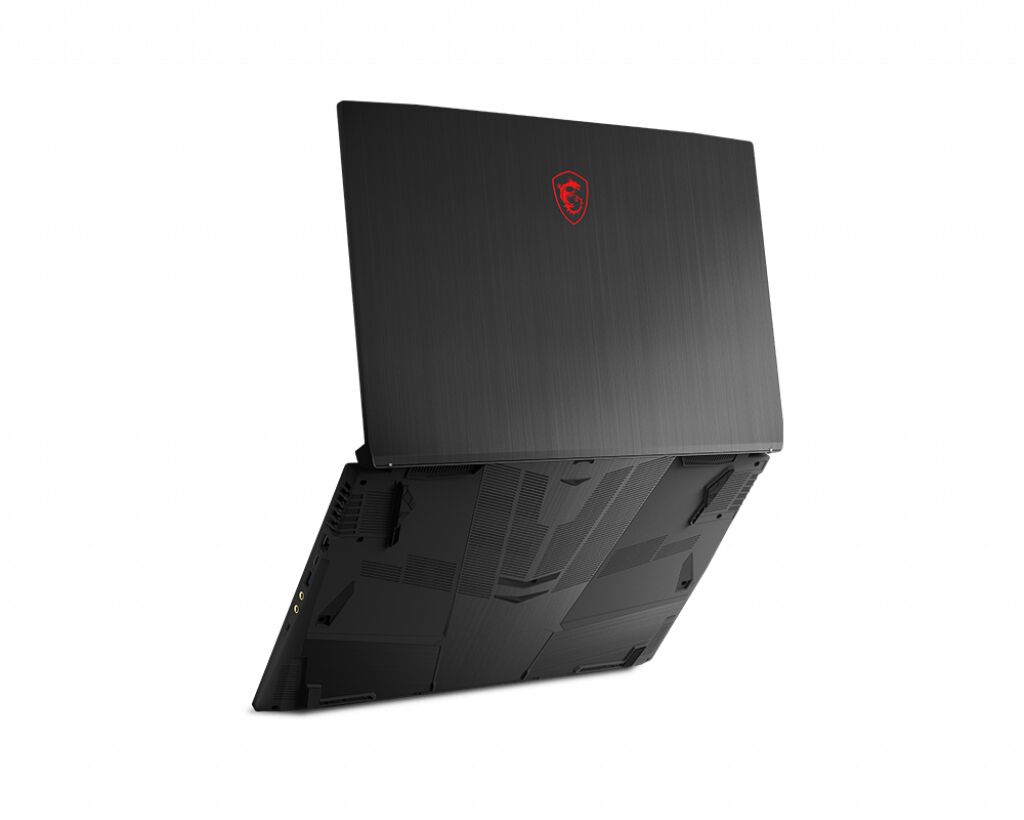
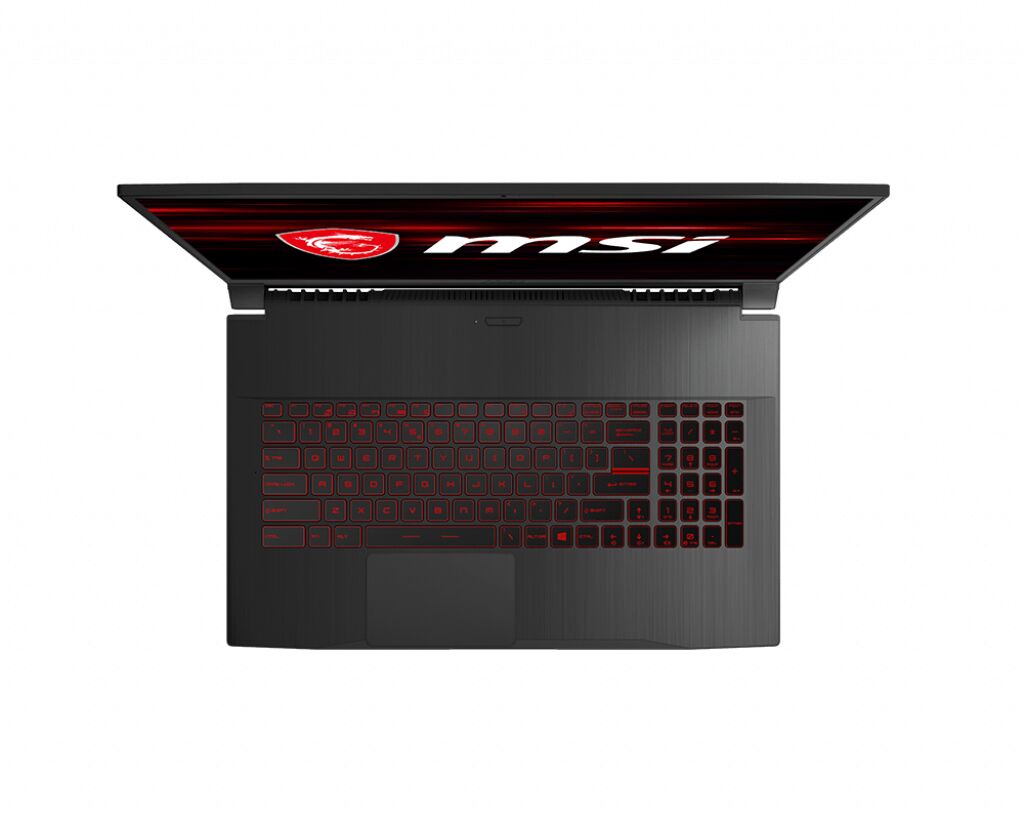

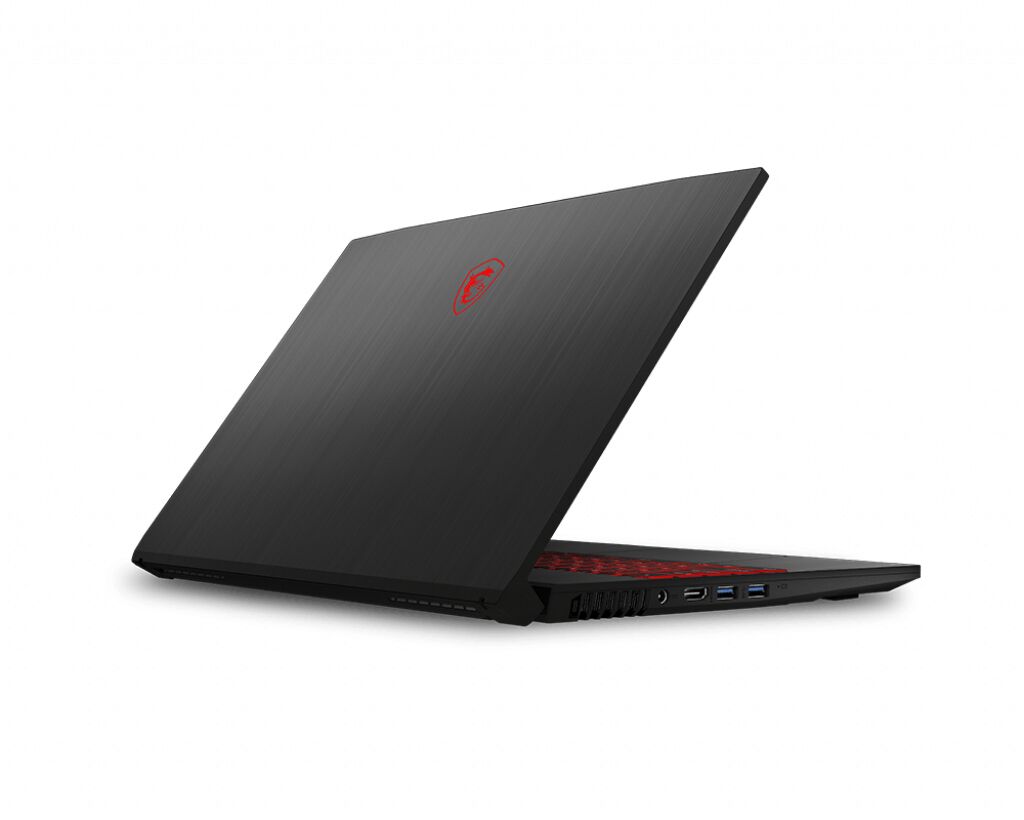
The MSI GF75 10SDR-242FR Thin gaming laptop features DDR4-SDRAM memory upgrade specifications with two SO-DIMM slots supporting a maximum RAM capacity of 64 GB. Compatible memory modules operate at 2666 MHz frequency. The Gaming GF series model accepts standard SO-DIMM form factor upgrades, allowing users to expand memory capacity beyond the factory configuration. Specifications indicate the laptop supports dual-channel memory architecture for enhanced performance in gaming and multitasking applications.
Memory Upgrade Specifications
| Specification | Value |
|---|---|
| Memory slots | 2x SO-DIMM |
| Form factor | SO-DIMM |
| Memory type | DDR4-SDRAM |
| Frequency | 2666 MHz |
| Maximum RAM | 64 GB |
| Voltage | 1.2V |
| Number of pins | 260-pin |
| Interface | PC4 |
| PC Speed Rating | PC4-2666 (PC4-21328) |
| Bandwidth | 21.3 GB/s |
| Laptop Release date | 10 June 2020 |
Additional Notes
- The DDR4-2666 specification indicates CL19 latency is standard for this frequency bin, affecting response times in latency-sensitive applications compared to higher-spec modules that may downclock.
- The 64 GB ceiling requires dual 32 GB modules, which limits future expansion since both slots must be populated simultaneously to reach maximum capacity.
- JEDEC-compliant DDR4-2666 modules ensure compatibility, while XMP-profiled kits designed for desktop systems may not initialize properly without BIOS support verification.
- Single-rank versus dual-rank architecture at higher densities affects memory interleaving; 32 GB modules are typically dual-rank, potentially improving bandwidth in certain workloads on the MSI GF75 10SDR-242FR Thin.
- SO-DIMM installation requires accessing the bottom panel, where static discharge precautions become critical due to exposed circuitry near the memory bay.
- Mixing modules with different voltage specifications (1.2V standard versus 1.35V low-voltage) can force the system to adopt the higher voltage across both slots, increasing thermal output.
- The 2666 MHz native speed means faster modules will automatically downclock, making premium DDR4-3200 kits redundant unless acquired at equivalent pricing.
- Manufacturer-sealed warranty stickers may cover retention screws in certain regional SKUs, requiring documentation of pre-existing conditions before memory replacement.
- Asymmetric configurations (e.g., 8 GB + 16 GB) disable dual-channel mode, halving memory bandwidth despite functional operation in flex mode on supported chipsets.
- Non-ECC unbuffered modules are required; server-grade registered or ECC SO-DIMMs will fail POST due to chipset limitations in consumer gaming platforms.
- Thermal considerations arise when operating sustained workloads at 64 GB capacity, as populated slots reduce airflow in compact chassis designs typical of thin-profile gaming systems.