MSI Gaming GF75 8RD-050XFR Thin RAM upgrade specifications
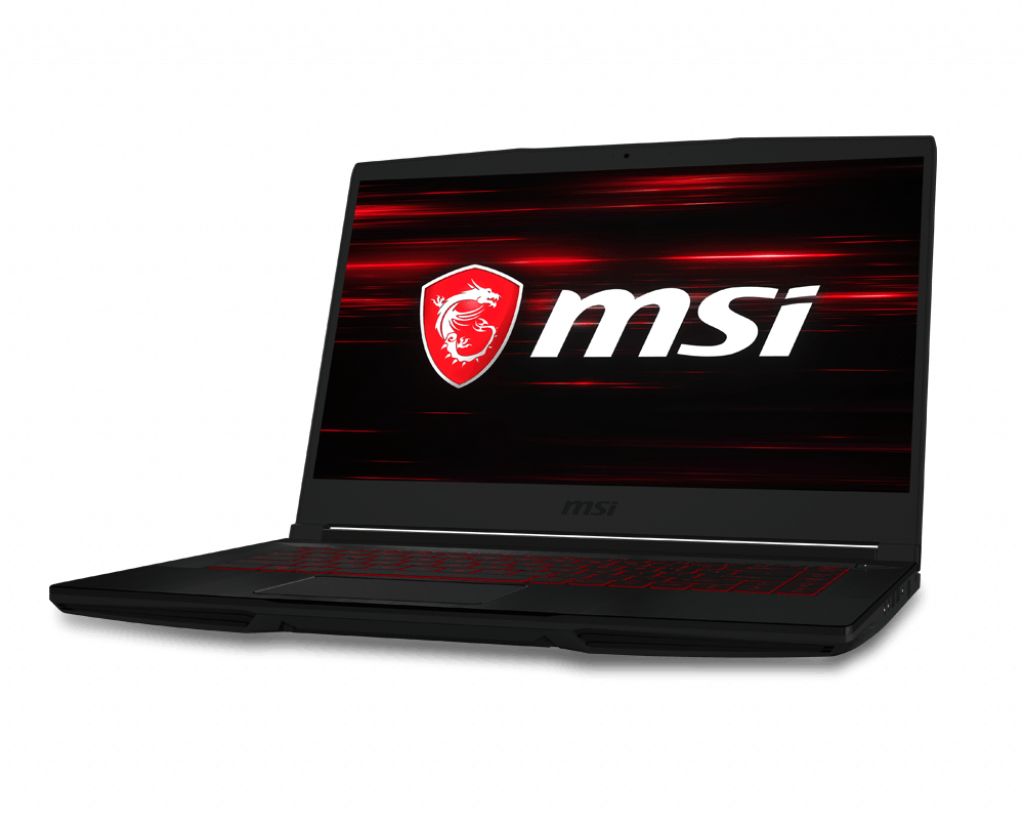
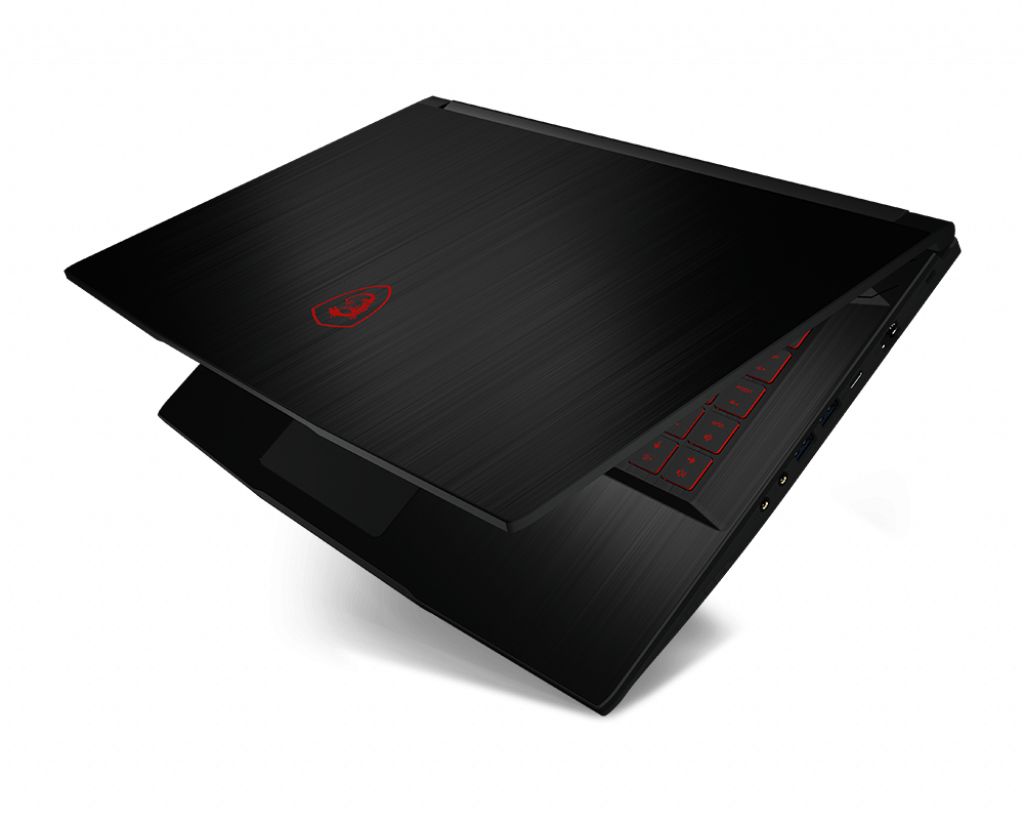
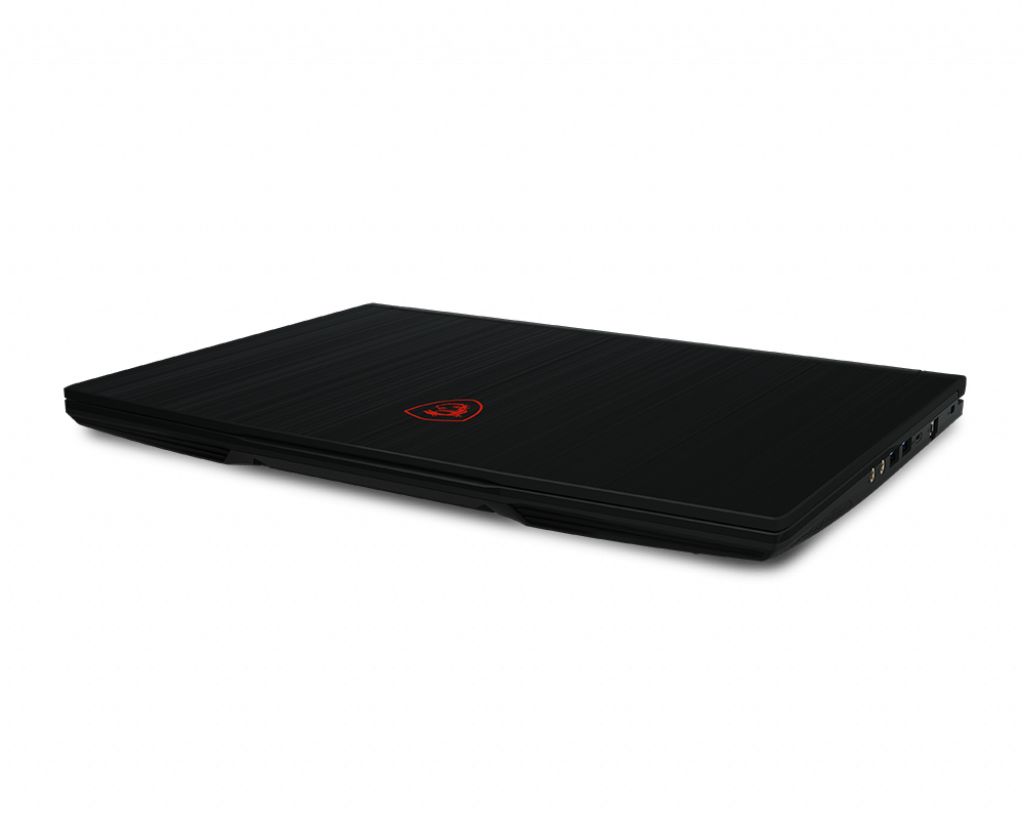
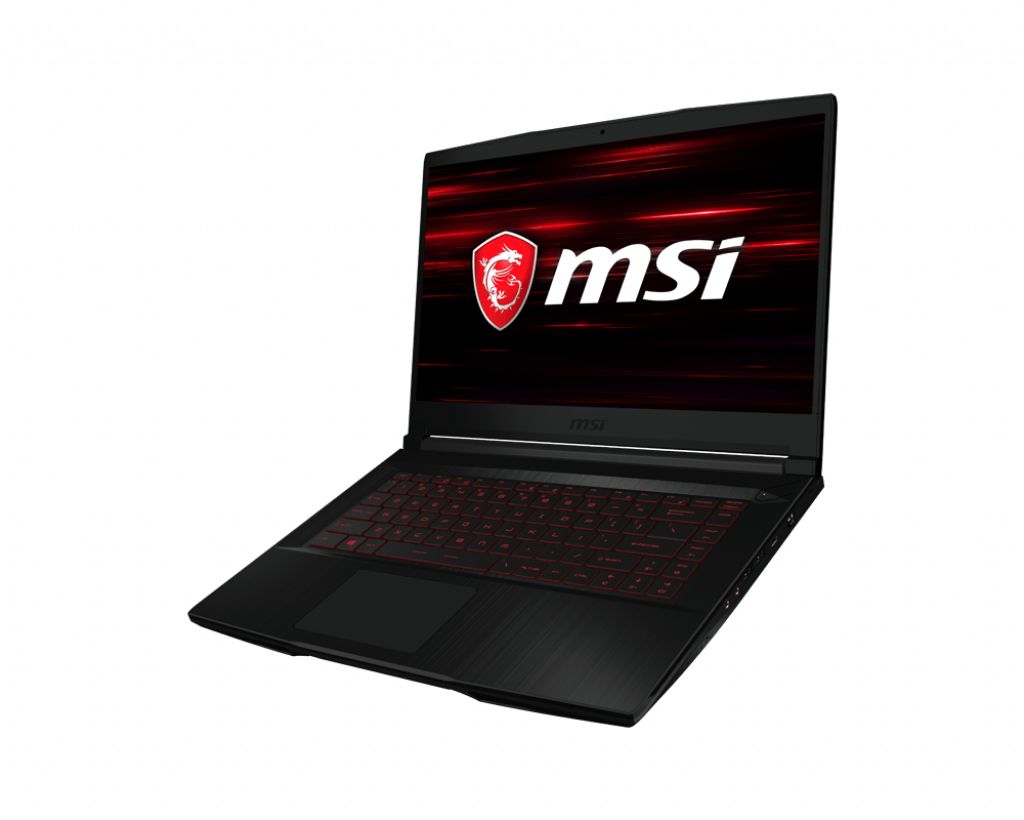
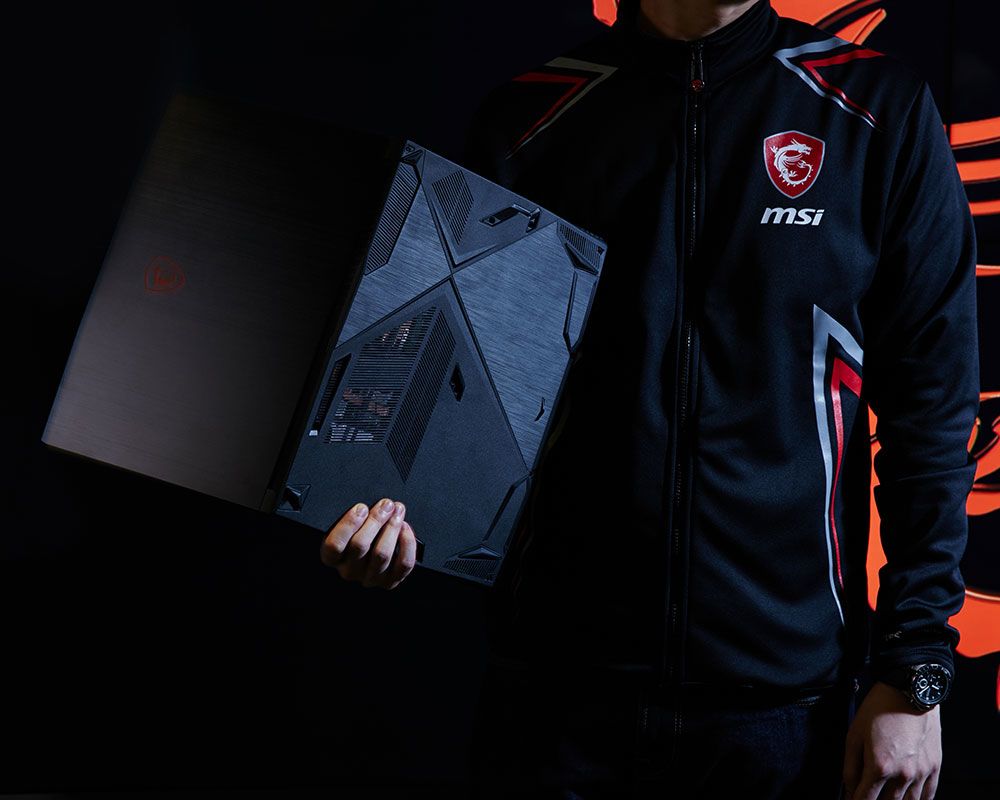
MSI GF75 8RD-050XFR Thin gaming laptop features DDR4-SDRAM memory upgrade capabilities. The system includes two SO-DIMM slots supporting maximum RAM capacity of 64 GB. Compatible memory modules operate at 2666 MHz frequency. Specifications enable upgrade configurations for enhanced performance in the GF series gaming family. DDR4 SO-DIMM form factor specifications define compatible memory expansion options for this MSI model.
Memory Upgrade Specifications
| Specification | Value |
|---|---|
| Memory slots | 2x SO-DIMM |
| Form factor | SO-DIMM |
| Memory type | DDR4-SDRAM |
| Frequency | 2666 MHz |
| Maximum RAM | 64 GB |
| Voltage | 1.2V |
| Number of pins | 260-pin |
| Interface | PC4 |
| PC Speed Rating | PC4-2666 (PC4-21328) |
| Bandwidth | 21.3 GB/s |
| Laptop Release date | 28 June 2019 |
Additional Notes
- The MSI GF75 8RD-050XFR Thin contains 2 SO-DIMM slots with a theoretical capacity ceiling of 64 GB, but this maximum requires matching module pairs since the architecture does not support asymmetrical configurations without performance degradation.
- The 2666 MHz specification represents the JEDEC standard for 8th-generation Intel Core processors in this device class. Replacement modules rated at 3000 MHz or higher will automatically downclock to 2666 MHz, making premium-frequency modules unnecessary and economically inefficient for this platform.
- SO-DIMM slot occupancy directly affects cooling airflow patterns within the chassis. Fully populated dual-channel configuration (both slots filled) may marginally increase internal ambient temperature compared to single-module configurations, particularly during sustained gaming loads.
- Installation of mismatched memory timings or voltage specifications between the 2 slots can trigger POST failures or force throttling through the BIOS memory controller, even though both modules technically meet DDR4 specifications. Identical module pairs minimize this compatibility risk.
- Upgrade from stock configuration to 64 GB requires removal and replacement of existing SO-DIMM modules rather than additive installation in available slots, since the 2-slot architecture leaves no empty socket once any memory is installed.
- Memory bandwidth saturation occurs at this 2666 MHz frequency when combined with 8th-gen processor memory controllers; bandwidth-intensive gaming workloads may experience latency-limited performance that additional capacity beyond 16 GB cannot resolve.