MSI Gaming GF75 8RD-049FR Thin RAM upgrade specifications
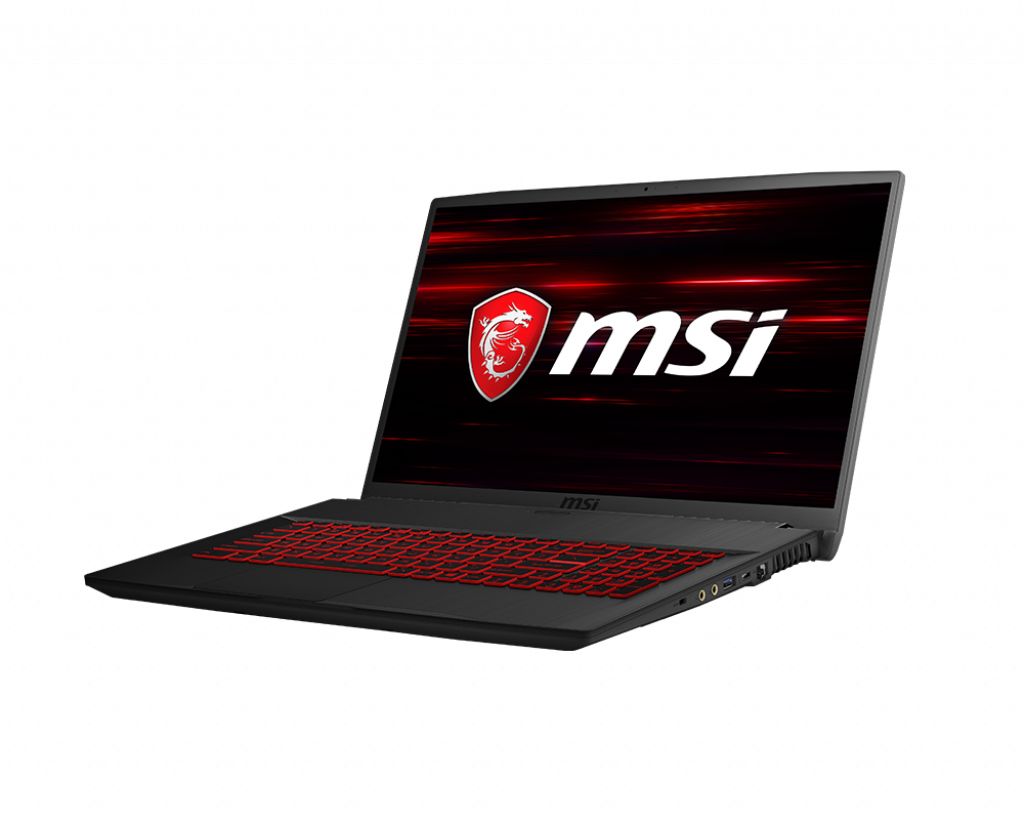
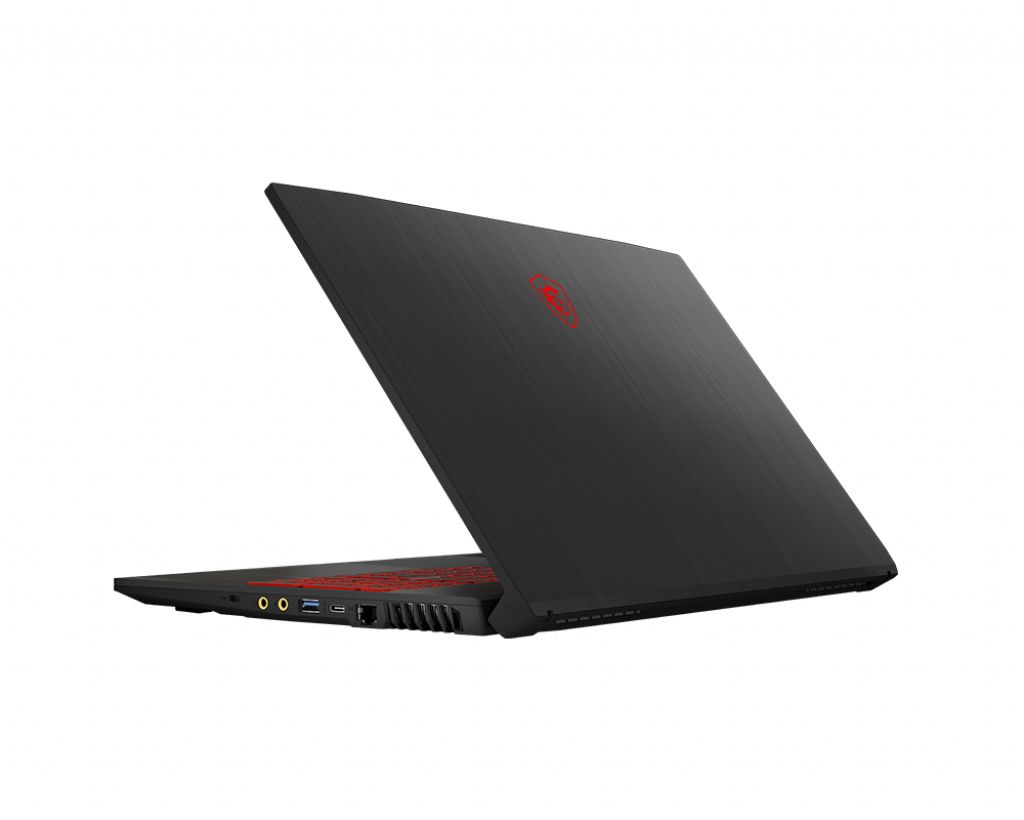
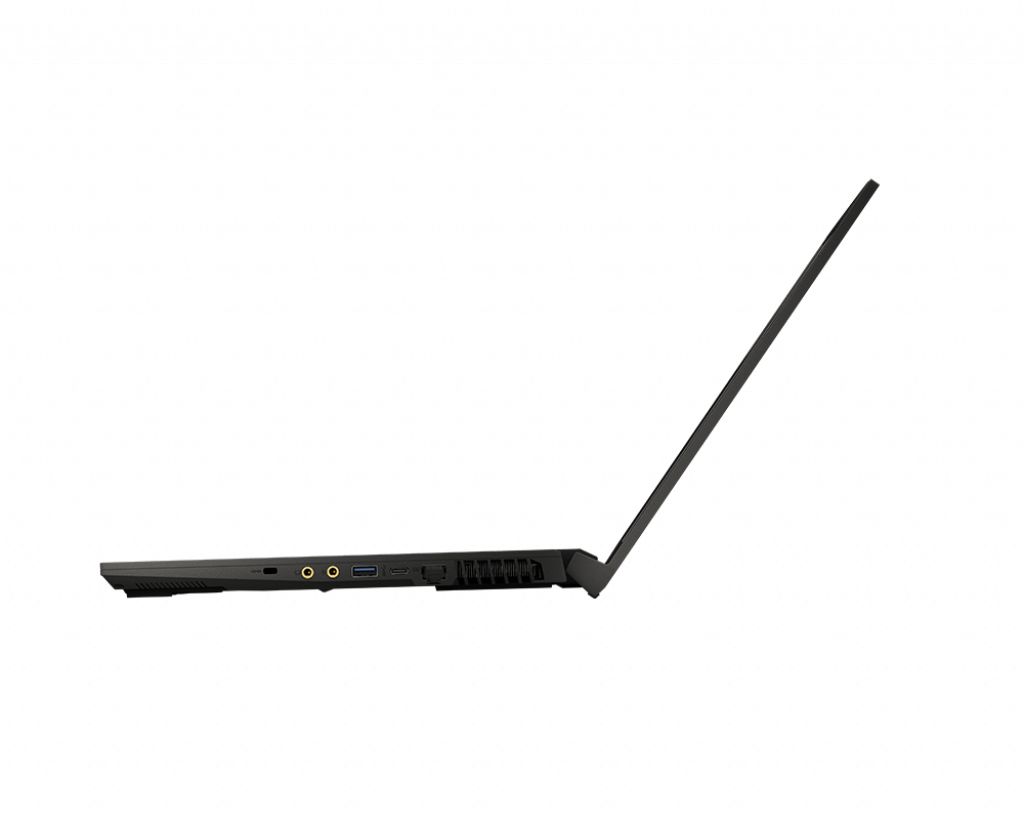
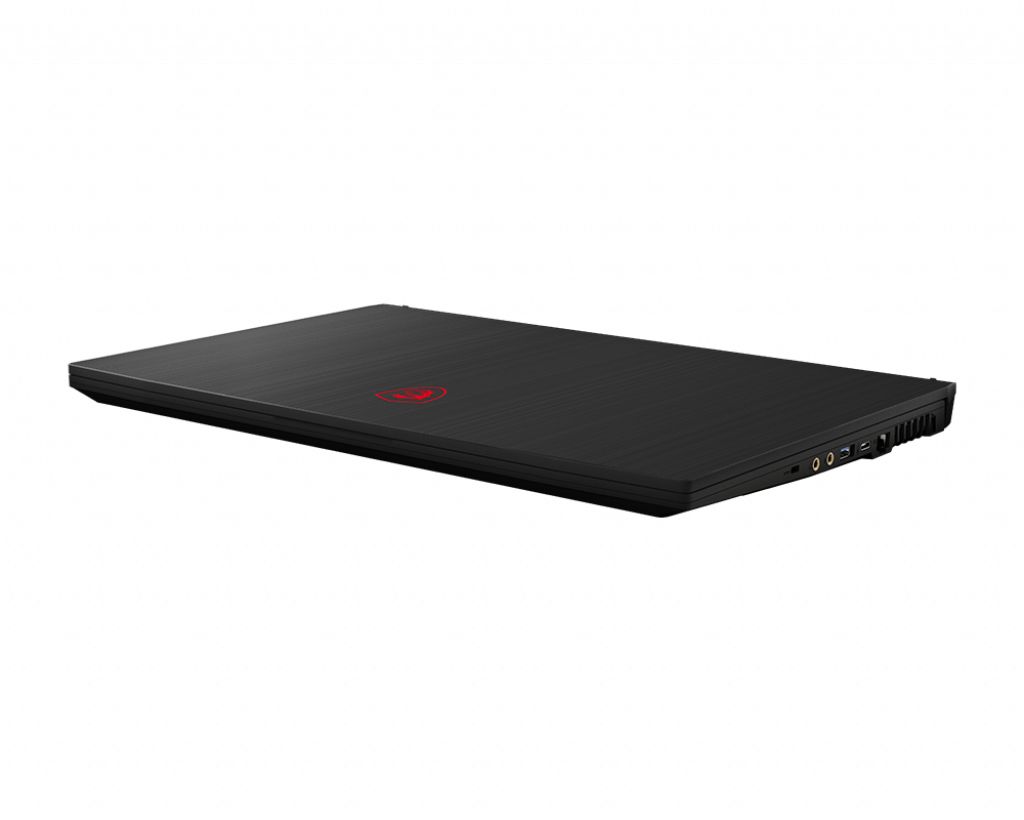
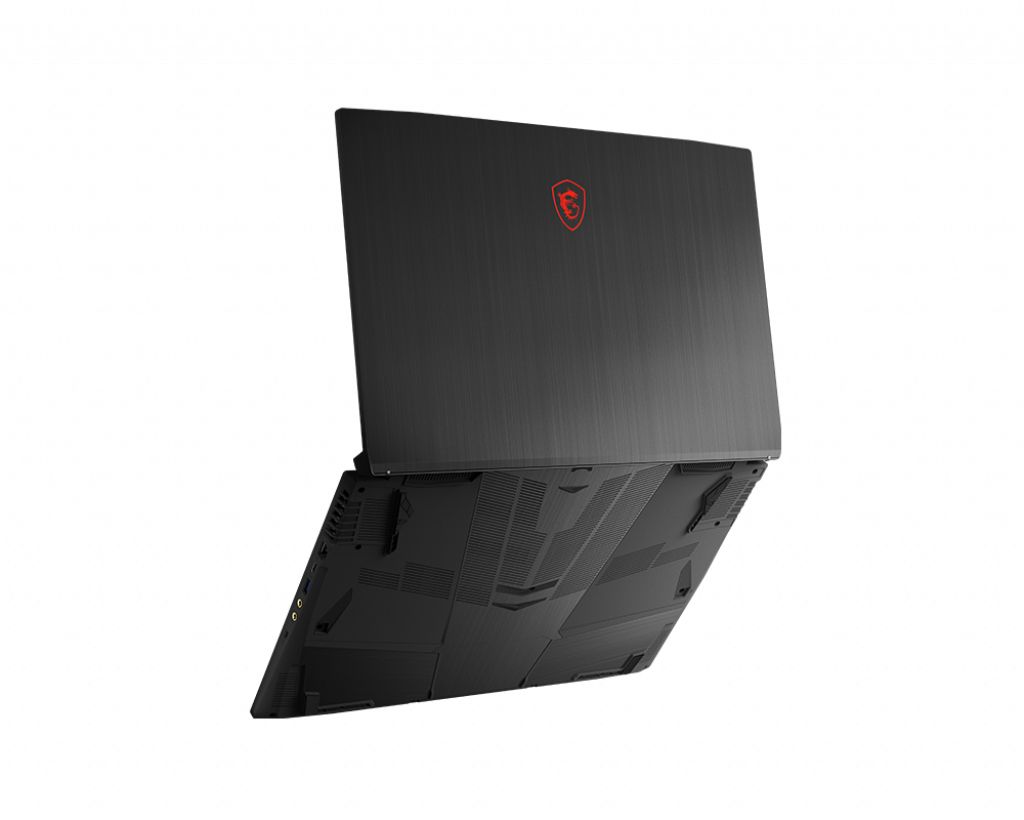
The MSI Gaming GF series GF75 8RD-049FR Thin laptop features DDR4-SDRAM memory specifications with 2x SO-DIMM slots for RAM upgrade capacity. The upgrade specifications indicate maximum compatible memory of 32 GB total capacity, with DDR4 modules operating at 2666 MHz frequency. SO-DIMM form factor modules are required for upgrade compatibility with the GF75 8RD-049FR Thin model.
Memory Upgrade Specifications
| Specification | Value |
|---|---|
| Memory slots | 2x SO-DIMM |
| Form factor | SO-DIMM |
| Memory type | DDR4-SDRAM |
| Frequency | 2666 MHz |
| Maximum RAM | 32 GB |
| Voltage | 1.2V |
| Number of pins | 260-pin |
| Interface | PC4 |
| PC Speed Rating | PC4-2666 (PC4-21328) |
| Bandwidth | 21.3 GB/s |
| Laptop Release date | 10 April 2019 |
Additional Notes
- The MSI GF75 8RD-049FR Thin supports dual-channel memory architecture, which enables simultaneous data transfer across both slots for increased bandwidth compared to single-channel configurations.
- Upgrading to matched pairs of identical capacity and speed modules ensures optimal performance through symmetric dual-channel operation, while mismatched configurations may force the system to run in single-channel or asymmetric mode.
- The 2666 MHz speed represents DDR4-2666 specification, which provides 21.3 GB/s bandwidth per channel or 42.6 GB/s when both channels operate in dual mode.
- Installing modules rated above 2666 MHz will result in automatic downclocking to match the supported frequency, making higher-speed purchases unnecessary for this platform.
- The 32 GB maximum capacity constraint requires 16 GB modules in each slot to reach full system potential, as 8 GB modules would limit total memory to 16 GB.
- SO-DIMM modules measure 67.6 mm in length compared to standard DIMM modules at 133.35 mm, preventing compatibility with desktop memory despite identical DDR4 technology.
- Access to memory slots typically requires bottom panel removal and possible warranty seal breach, depending on manufacturer service policies for user-accessible components.
- The DDR4 standard operates at 1.2V, significantly lower than DDR3's 1.5V, making DDR3 modules physically incompatible due to different notch positions and electrical requirements.
- Systems shipping with single modules occupy only 1 slot, allowing memory expansion without removing existing modules until reaching the 32 GB ceiling.
- Gaming workloads and modern titles increasingly require 16 GB minimum for stable performance, making the 32 GB ceiling adequate for current generation game requirements and moderate content creation tasks.