MSI Gaming GF75 8RD-063NL RAM upgrade specifications

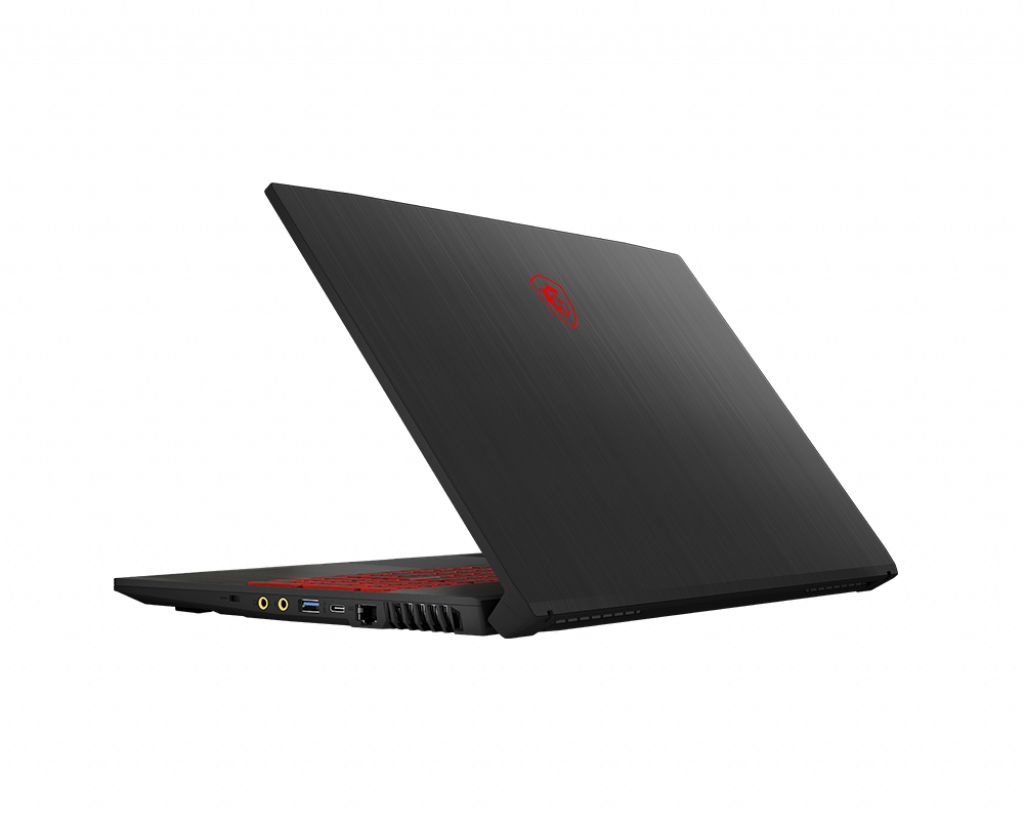
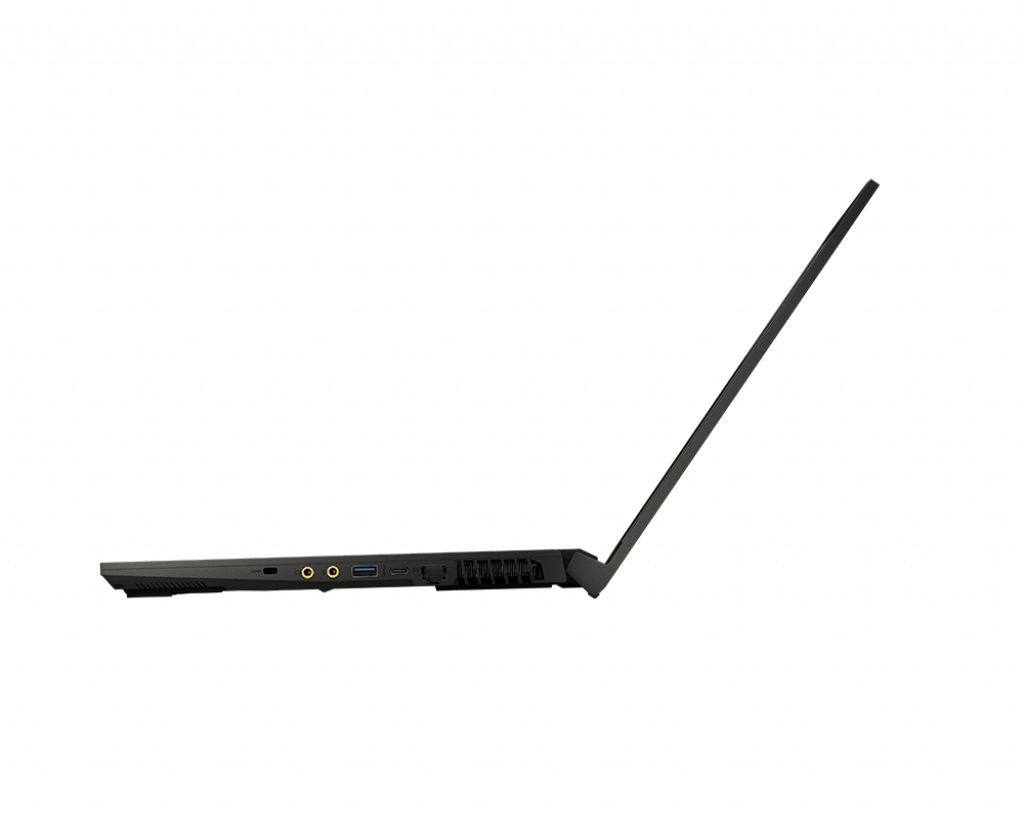
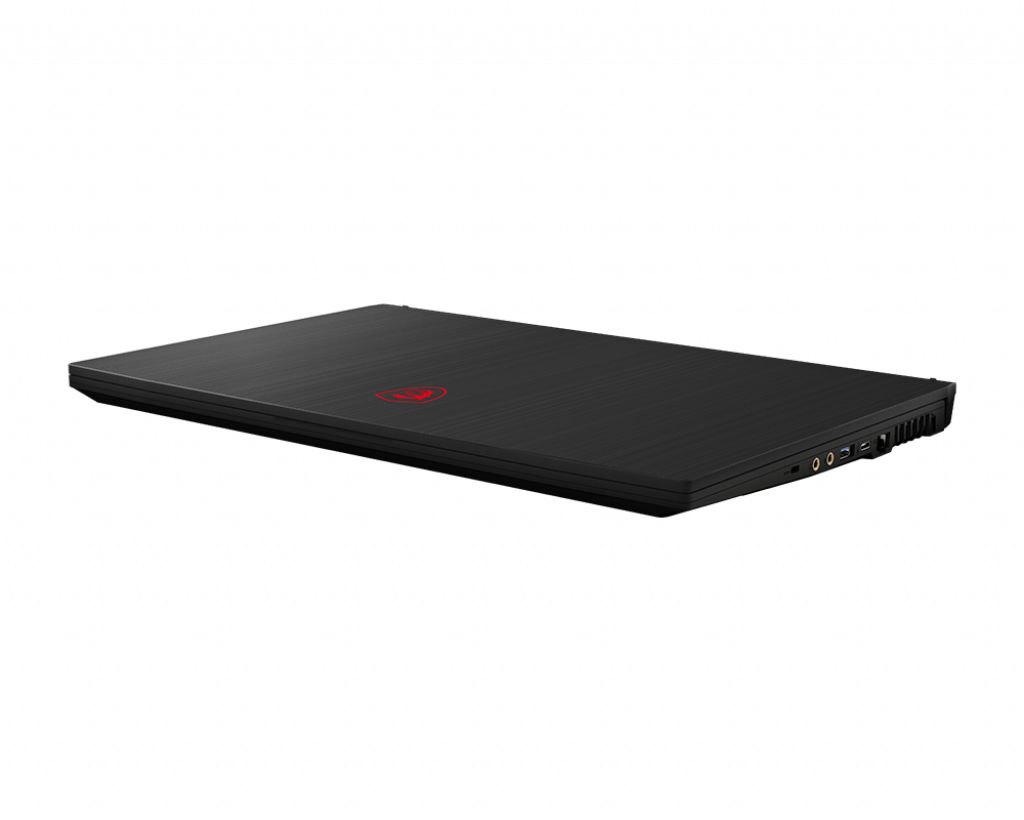
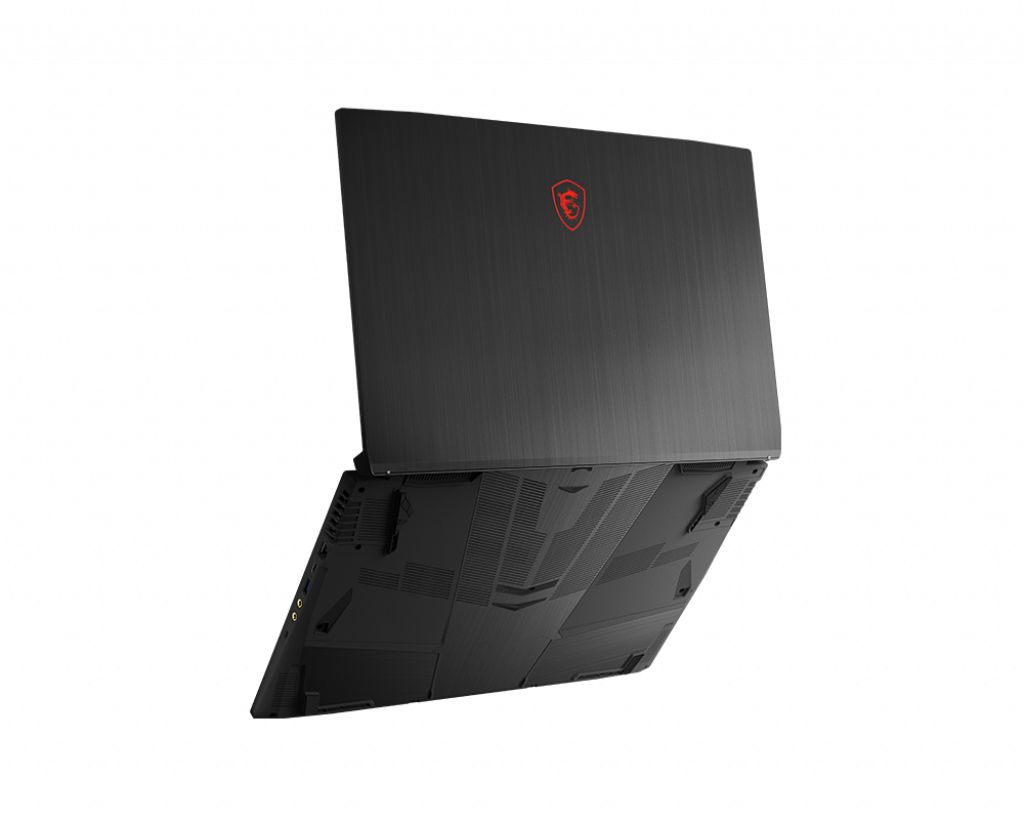
The MSI GF75 8RD-063NL Gaming series laptop contains two SO-DIMM memory slots supporting DDR4-SDRAM specifications. Maximum RAM capacity reaches 32 GB total, with compatible modules operating at 2666 MHz frequency. The upgrade specifications indicate support for standard SO-DIMM form factor memory modules. Current memory configuration details and available slot capacity determine compatible upgrade options for the GF75 8RD-063NL model. DDR4-SDRAM modules meeting the 2666 MHz specifications are required for compatible RAM upgrades on the MSI Gaming GF series laptop.
Memory Upgrade Specifications
| Specification | Value |
|---|---|
| Memory slots | 2x SO-DIMM |
| Form factor | SO-DIMM |
| Memory type | DDR4-SDRAM |
| Frequency | 2666 MHz |
| Maximum RAM | 32 GB |
| Voltage | 1.2V |
| Number of pins | 260-pin |
| Interface | PC4 |
| PC Speed Rating | PC4-2666 (PC4-21328) |
| Bandwidth | 21.3 GB/s |
| Laptop Release date | 31 January 2019 |
Additional Notes
- The dual slot configuration supports dual channel architecture when identical modules are installed which doubles the theoretical memory bandwidth compared to single channel operation.
- Utilizing the 32 GB capacity ceiling requires removing existing factory modules since no additional expansion headers are available beyond the 2 primary slots.
- Installing memory with frequency ratings higher than 2666 MHz results in automatic downclocking to match the integrated memory controller limits of the MSI GF75 8RD-063NL processor generation.
- Physical access to the SO-DIMM slots necessitates the removal of the entire base plate which involves breaking a factory seal sticker that governs warranty status in certain jurisdictions.
- The 2666 MHz ceiling indicates a performance threshold where system latency is restricted by the chipset regardless of the CAS latency rating listed on aftermarket enthusiast grade modules.
- The reliance on SO-DIMM architecture confirms that memory remains a non-soldered component allowing for direct hardware replacement in the event of module failure or sector corruption.