MSI Gaming GF75 8RD-043XRU Thin RAM upgrade specifications
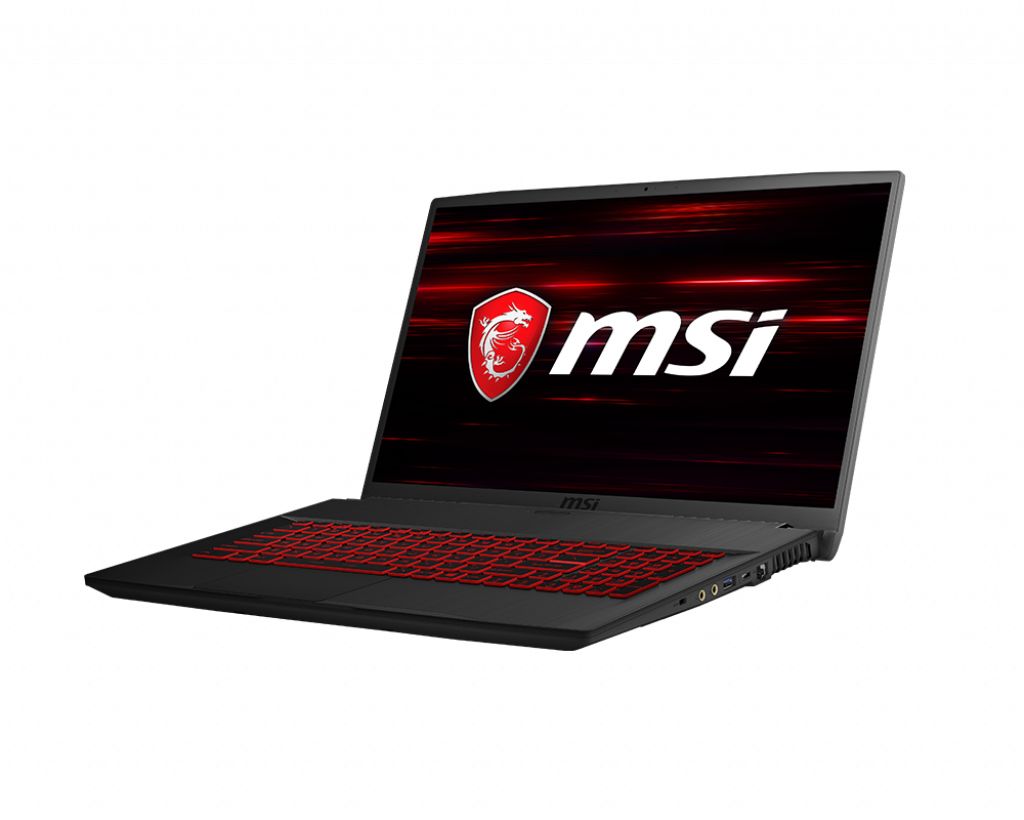
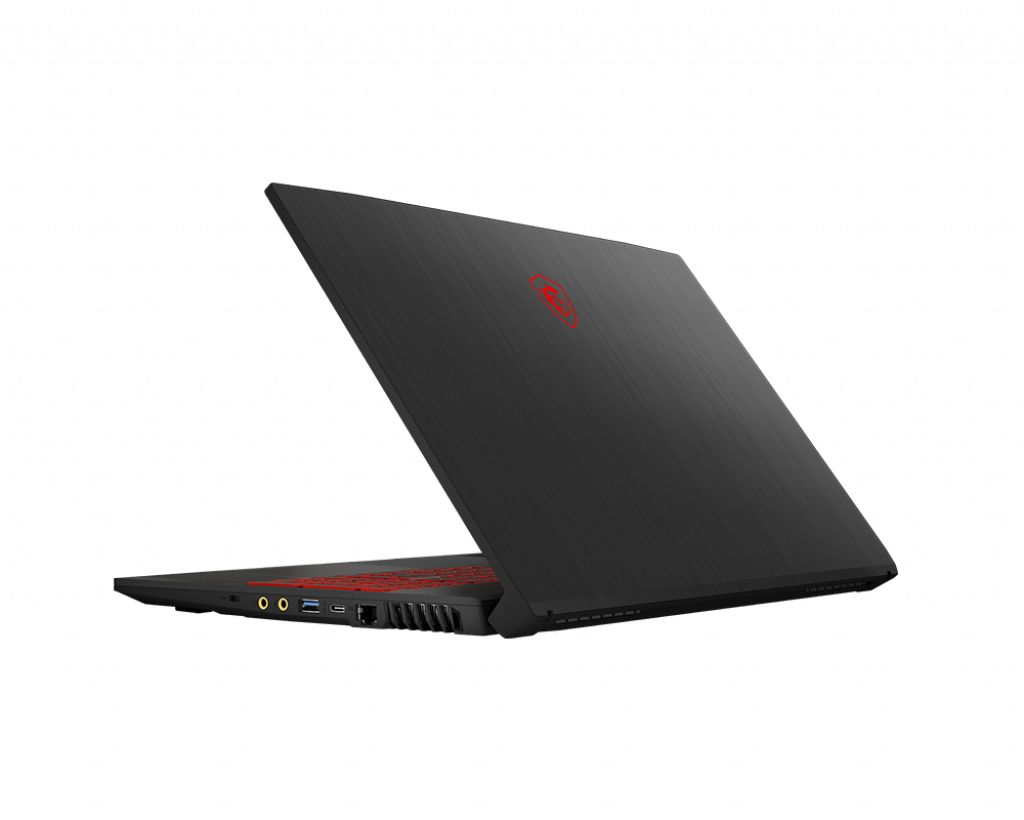
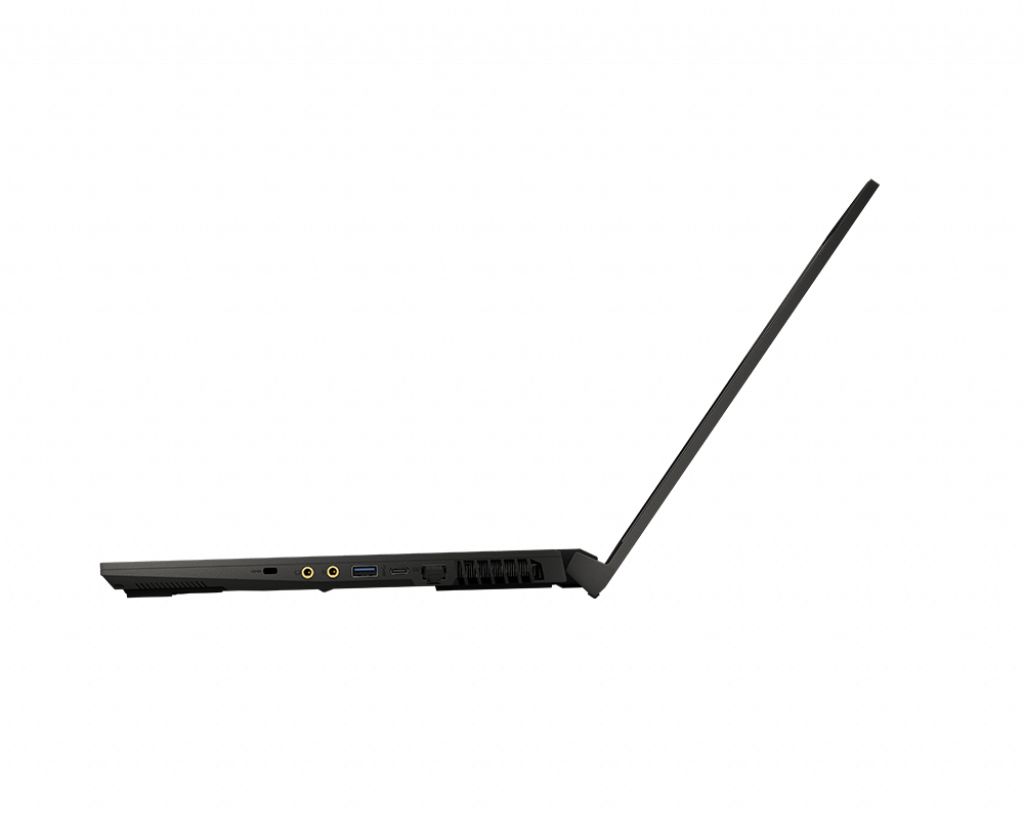
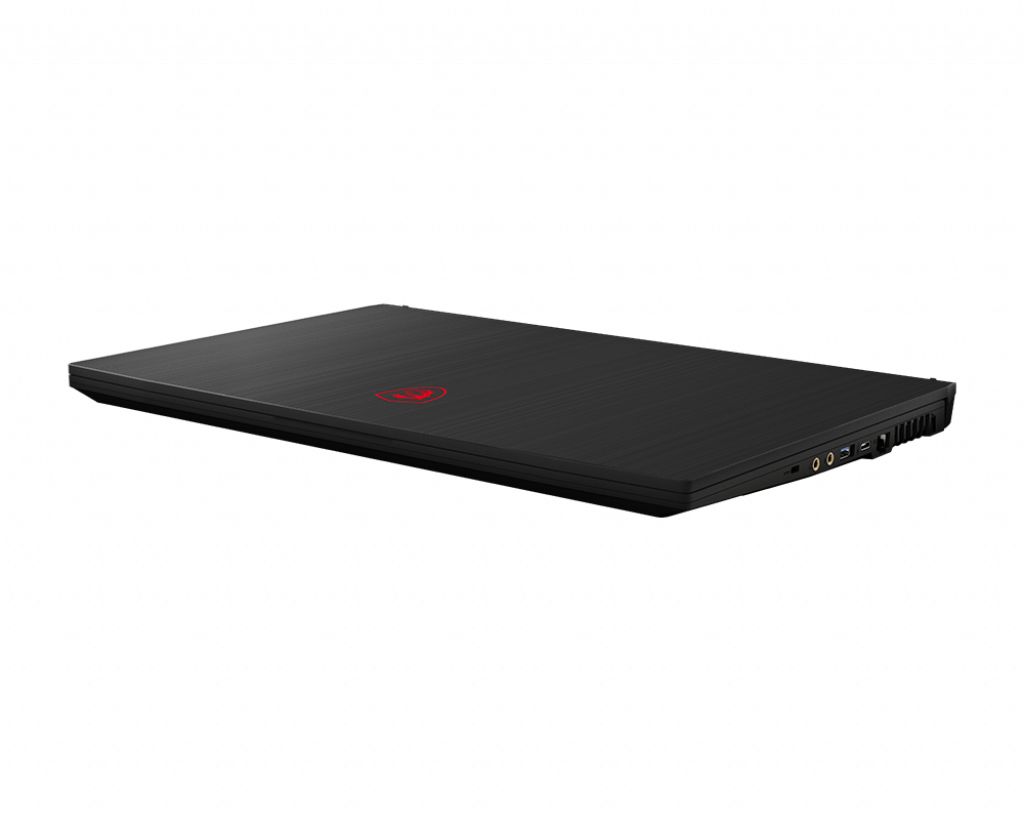
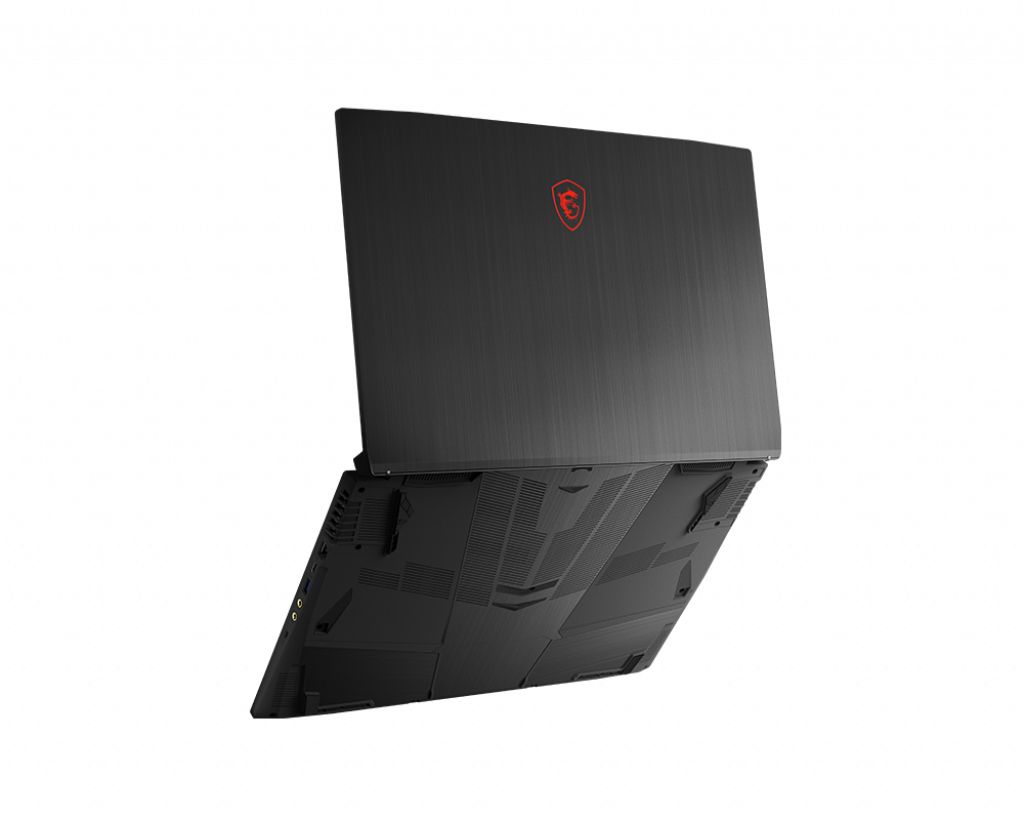
MSI GF75 8RD-043XRU Thin gaming laptop features DDR4-SDRAM memory upgrade specifications. The system contains 2x SO-DIMM slots supporting maximum RAM capacity of 32 GB. Compatible memory operates at 2666 MHz frequency. Upgrade configurations accommodate DDR4 SO-DIMM modules for enhanced performance and multitasking capabilities. Memory slots enable users to expand or replace existing RAM components according to specifications and capacity requirements.
Memory Upgrade Specifications
| Specification | Value |
|---|---|
| Memory slots | 2x SO-DIMM |
| Form factor | SO-DIMM |
| Memory type | DDR4-SDRAM |
| Frequency | 2666 MHz |
| Maximum RAM | 32 GB |
| Voltage | 1.2V |
| Number of pins | 260-pin |
| Interface | PC4 |
| PC Speed Rating | PC4-2666 (PC4-21328) |
| Bandwidth | 21.3 GB/s |
| Laptop Release date | 12 April 2019 |
Additional Notes
- The MSI GF75 8RD-043XRU Thin supports DDR4 modules at 2666 MHz, which represents a generation-old standard; modern DDR4 gaming laptops operate at 3000-3200 MHz, resulting in measurable latency increases when paired with current-generation processors.
- SO-DIMM slots occupy minimal physical space beneath the keyboard assembly, requiring full disassembly of the palmrest and keyboard deck to access; users must account for electrostatic discharge protocols and potential ribbon cable disconnection during installation.
- Upgrading from the factory configuration to the 32 GB maximum requires replacing both SO-DIMM modules simultaneously, as the 2-slot architecture permits no mixed-capacity configurations without leaving performance on the table through asymmetric channel allocation.
- DDR4-2666 memory operates at lower bandwidth than DDR4-3000 or DDR4-3200 alternatives, creating a processing bottleneck when gaming applications exceed L3 cache capacity; frame rate improvements from RAM upgrades alone will remain constrained by this frequency ceiling.
- Warranty coverage typically remains valid when upgrading RAM through official channels, provided modules meet OEM specifications; third-party modules rated for higher frequencies will run at the enforced 2666 MHz ceiling and offer no performance advantage over OEM-validated options.
- The 32 GB capacity ceiling reflects the 8th-generation Intel processor generation supported by this platform; BIOS firmware updates cannot override this physical limitation, as it stems from memory controller architecture rather than UEFI configuration.