MSI Gaming GF75 8RD-042RU Thin RAM upgrade specifications
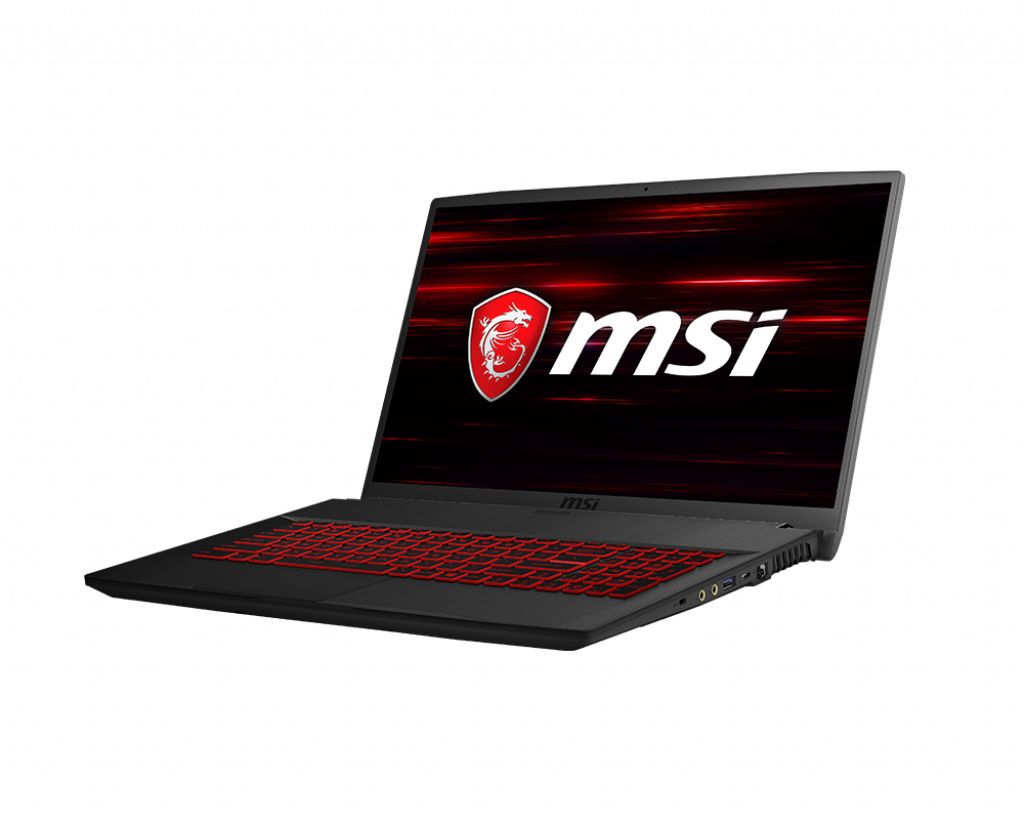

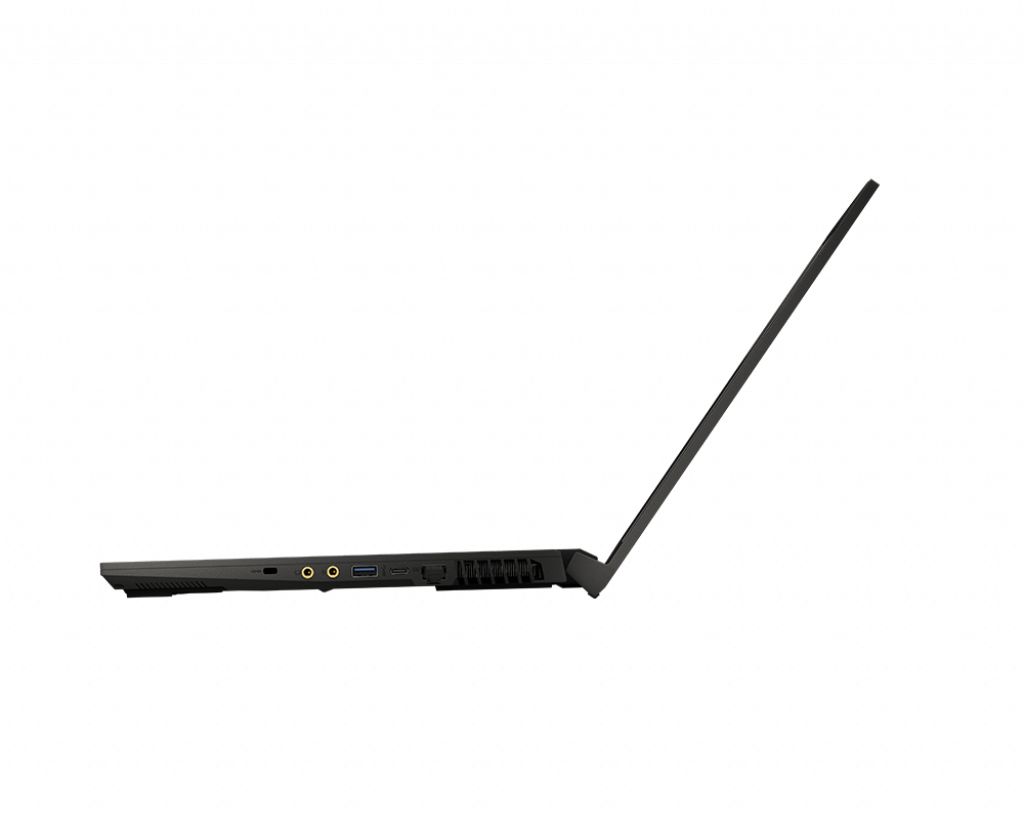
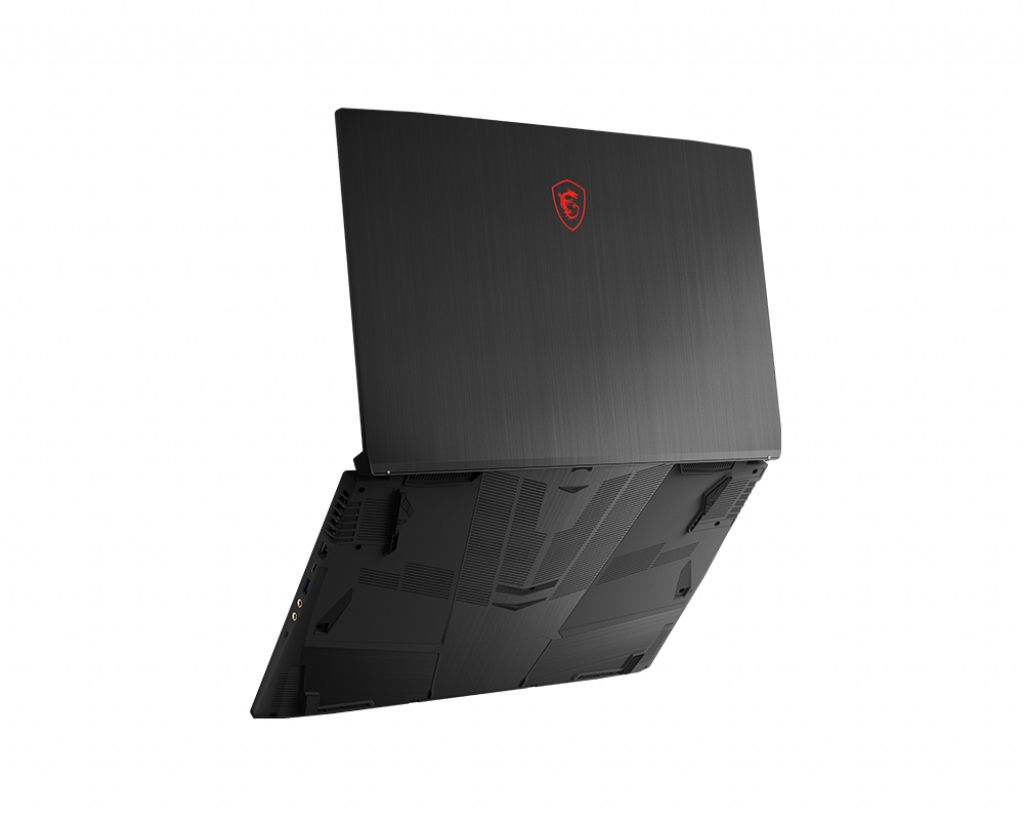
The MSI GF75 8RD-042RU Thin gaming laptop features DDR4-SDRAM memory with two SO-DIMM slots for RAM upgrades. The specifications support a maximum memory capacity of 32 GB total. Compatible memory modules operate at 2666 MHz frequency. The SO-DIMM form factor specifications indicate that the device accepts standard laptop memory upgrades to enhance system performance.
Memory Upgrade Specifications
| Specification | Value |
|---|---|
| Memory slots | 2x SO-DIMM |
| Form factor | SO-DIMM |
| Memory type | DDR4-SDRAM |
| Frequency | 2666 MHz |
| Maximum RAM | 32 GB |
| Voltage | 1.2V |
| Number of pins | 260-pin |
| Interface | PC4 |
| PC Speed Rating | PC4-2666 (PC4-21328) |
| Bandwidth | 21.3 GB/s |
| Laptop Release date | 12 April 2019 |
Additional Notes
- The MSI GF75 8RD-042RU Thin supports DDR4-2666, which operates at a lower bandwidth than DDR4-3200, limiting peak memory throughput to 21.3 GB/s per channel compared to 25.6 GB/s available in newer standards.
- Installing RAM modules faster than 2666 MHz will cause automatic downclocking to the supported frequency, negating any speed advantage from premium modules.
- The 32 GB ceiling requires 2 modules of 16 GB each to reach maximum capacity, as single 32 GB SO-DIMM modules would exceed the per-slot limitation.
- Both memory slots must accommodate standard 260-pin SO-DIMM physical dimensions, preventing compatibility with desktop DIMM or proprietary form factors.
- Dual-channel architecture activation requires matched module pairs in both slots, as populating only 1 slot reduces memory bandwidth by approximately 50 percent.
- DDR4 voltage specification of 1.2V must be maintained, as higher-voltage modules designed for overclocking may cause stability issues or POST failures.
- User-accessible SO-DIMM slots typically preserve manufacturer warranty during upgrades, unlike soldered memory configurations that void coverage upon tampering.
- The absence of ECC support means error-correcting code memory modules will either fail to initialize or operate in non-ECC mode, losing their primary functional advantage.
- Mixing modules with different CAS latencies forces all modules to operate at the highest latency value, potentially degrading performance below single-module specifications.
- 8th-generation Intel Core processor integration limits memory controller capabilities, preventing utilization of advanced features found in DDR5 or LPDDR5 standards.
- Thermal constraints in thin chassis designs may cause memory throttling under sustained workloads, even when modules operate within rated specifications.