MSI Gaming GF75 8RD-040IT Thin RAM upgrade specifications
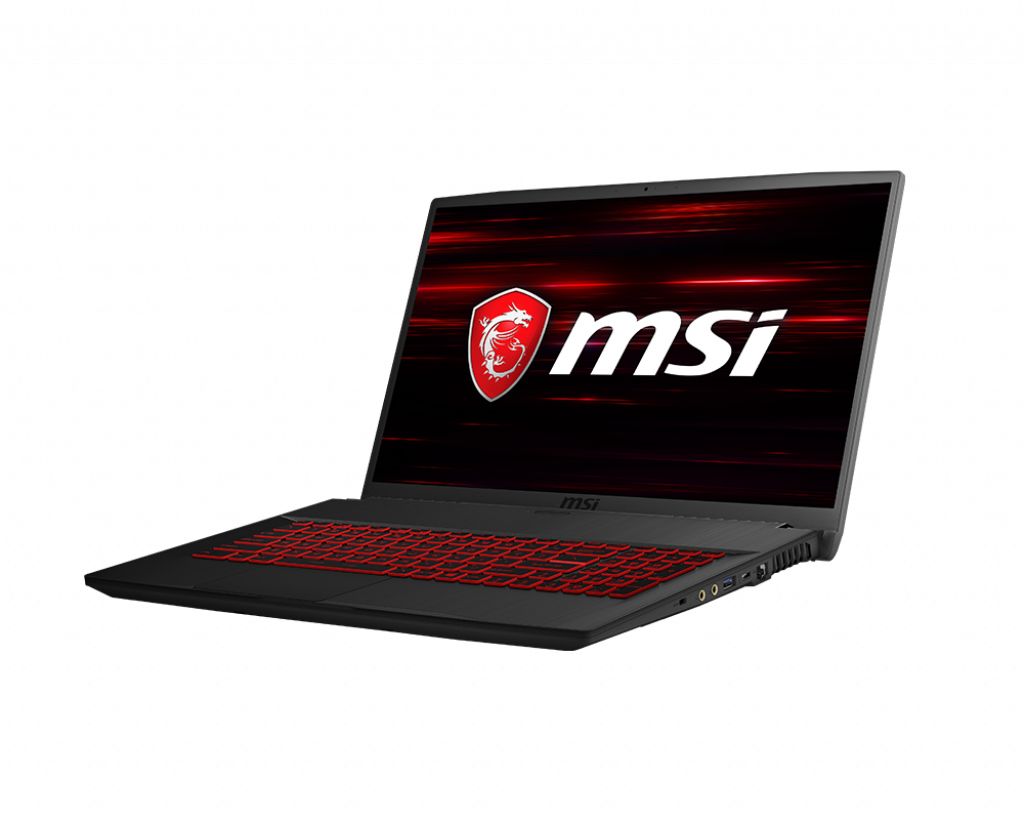
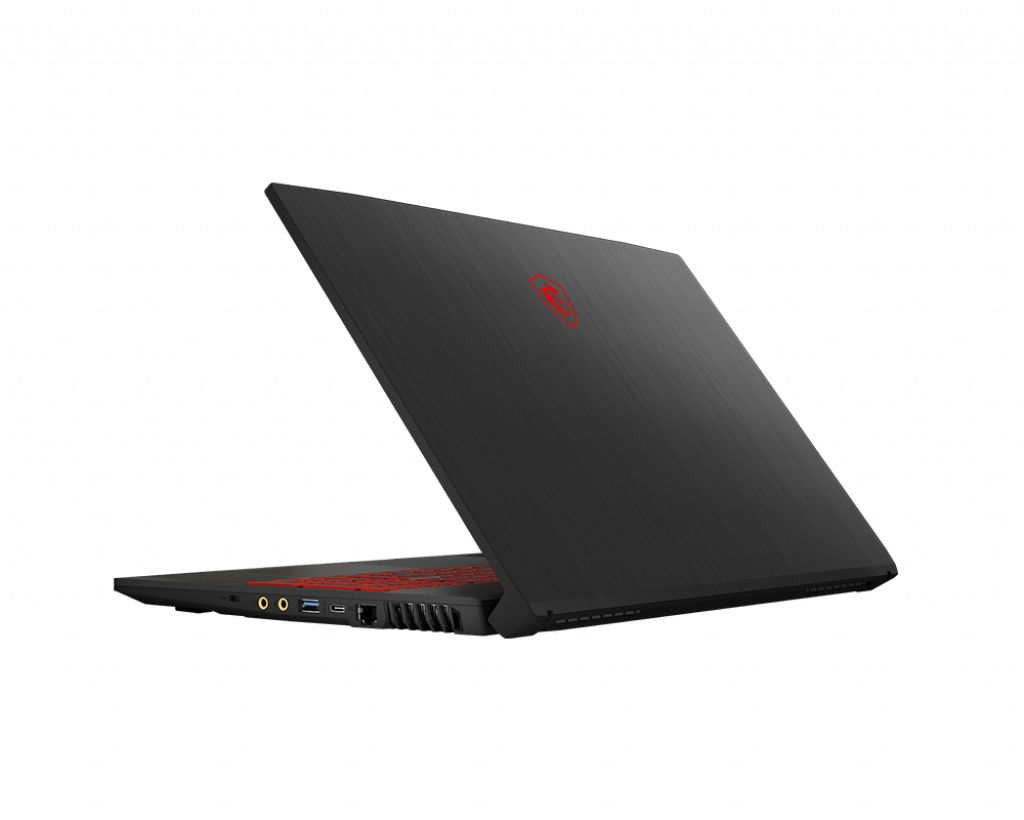
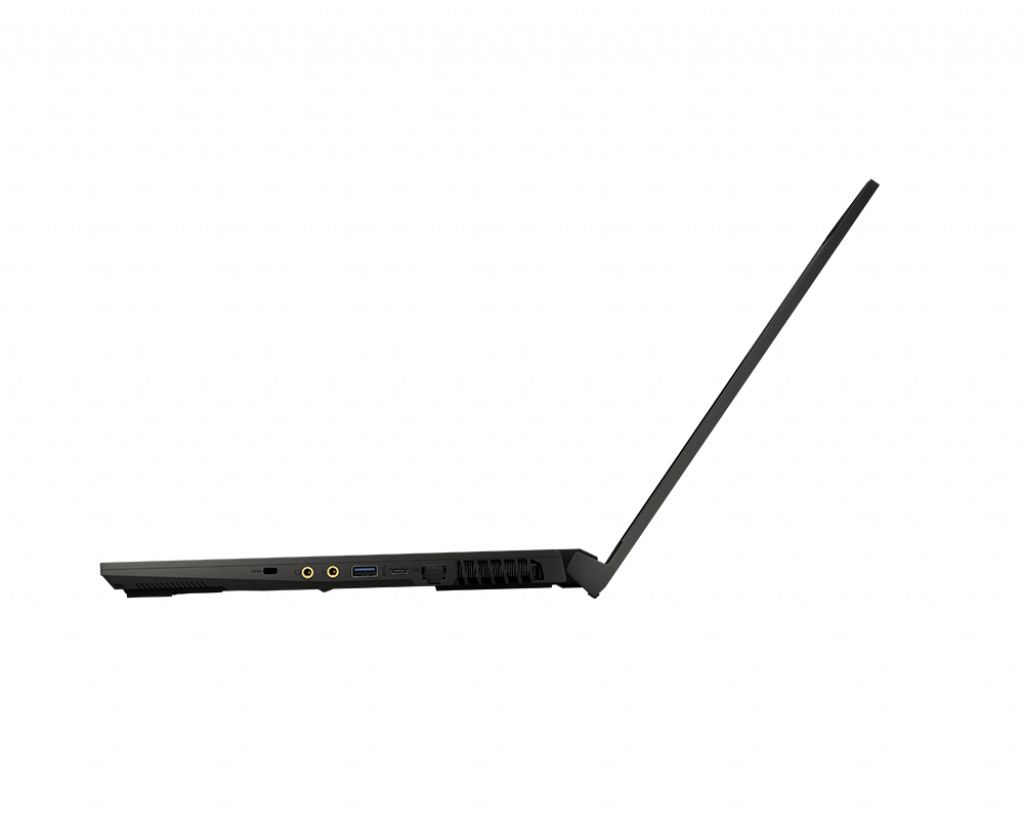
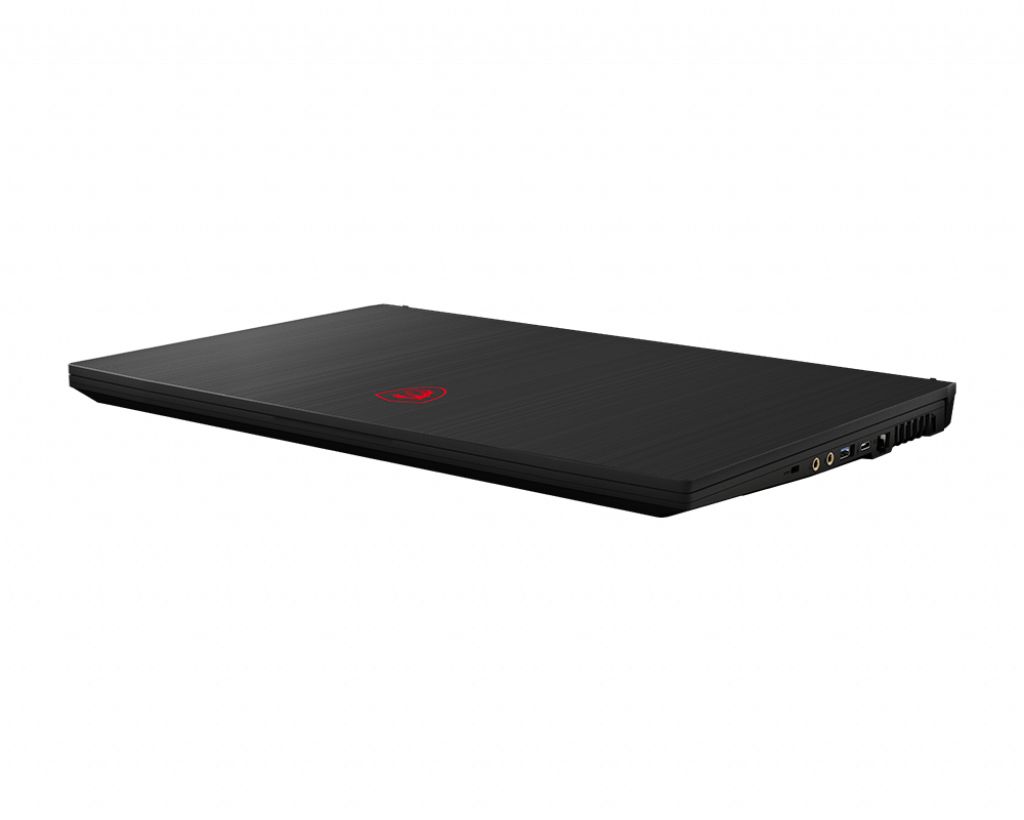
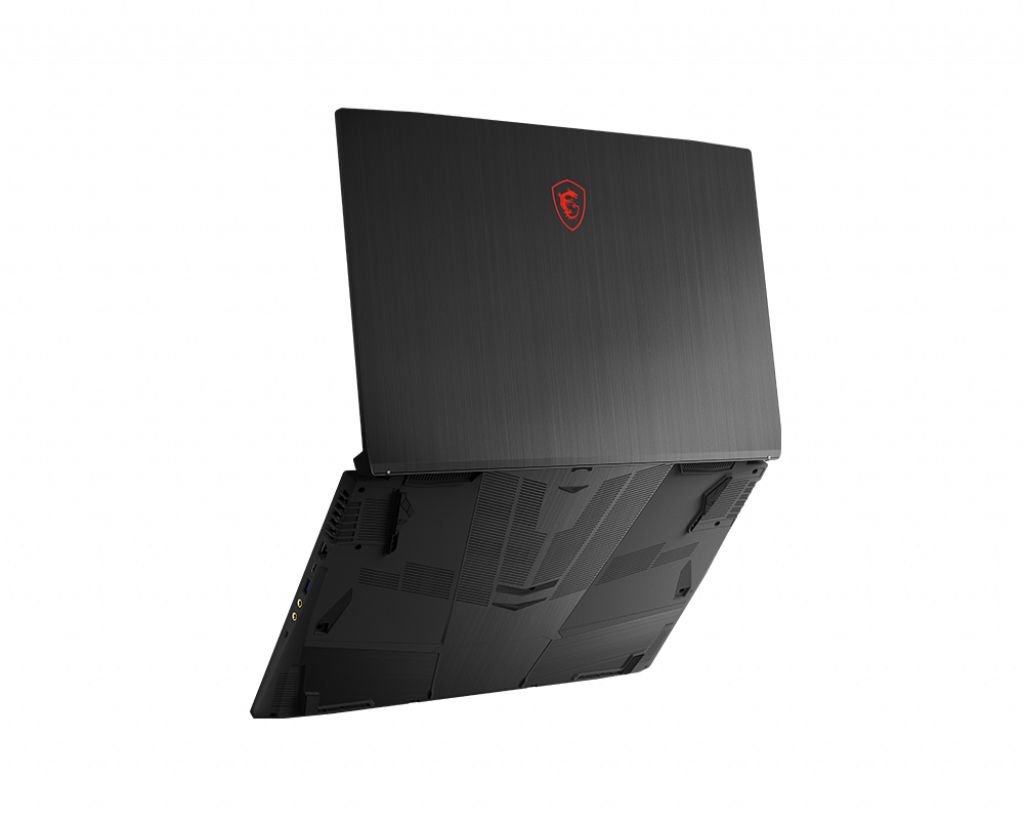
The MSI GF75 8RD-040IT Thin Gaming series laptop features DDR4-SDRAM memory configuration with two SO-DIMM slots available for upgrade. Maximum compatible RAM capacity reaches 32 GB total, with memory operating at 2666 MHz frequency. The upgrade specifications support SO-DIMM form factor modules, enabling users to expand memory capacity on the GF75 Thin model from the MSI Gaming family to enhance system performance and multitasking capabilities.
Memory Upgrade Specifications
| Specification | Value |
|---|---|
| Memory slots | 2x SO-DIMM |
| Form factor | SO-DIMM |
| Memory type | DDR4-SDRAM |
| Frequency | 2666 MHz |
| Maximum RAM | 32 GB |
| Voltage | 1.2V |
| Number of pins | 260-pin |
| Interface | PC4 |
| PC Speed Rating | PC4-2666 (PC4-21328) |
| Bandwidth | 21.3 GB/s |
| Laptop Release date | 22 March 2019 |
Additional Notes
- The MSI GF75 8RD-040IT Thin accepts standard 260-pin modules, which differ physically from desktop 288-pin DIMMs and cannot be interchanged.
- Both memory channels must operate at identical speeds, meaning mixing 2666 MHz modules with higher-frequency RAM will force all modules to run at 2666 MHz regardless of their rated specifications.
- Installing a single module instead of matched pairs eliminates dual-channel operation, reducing memory bandwidth by approximately 50% and creating potential performance bottlenecks in graphics-intensive applications.
- The 32 GB ceiling requires 2 modules of 16 GB each, as no single module exceeding this capacity exists in the SO-DIMM form factor compatible with this platform.
- The chipset enforces the 2666 MHz frequency limit through JEDEC standards, preventing modules rated at 3200 MHz or higher from operating beyond this threshold even when XMP profiles are present.
- Modules must comply with DDR4 voltage specifications of 1.2V, as SO-DIMM slots lack the power delivery infrastructure for overclocking-oriented modules requiring 1.35V or higher.
- Non-ECC unbuffered modules are required, since the mobile platform does not support error-correction or registered memory architectures used in server environments.
- Accessing the SO-DIMM slots typically requires bottom panel removal, which may involve breaking warranty seals depending on regional service policies and the age of the unit.
- Mismatched module capacities between slots remain functional but disable rank interleaving optimizations, resulting in minor latency penalties during memory-intensive operations.
- The memory controller supports only DDR4 generation modules, making DDR3L or DDR5 modules incompatible regardless of physical adapter attempts.