MSI Gaming GF75 8RD-041RU Thin RAM upgrade specifications
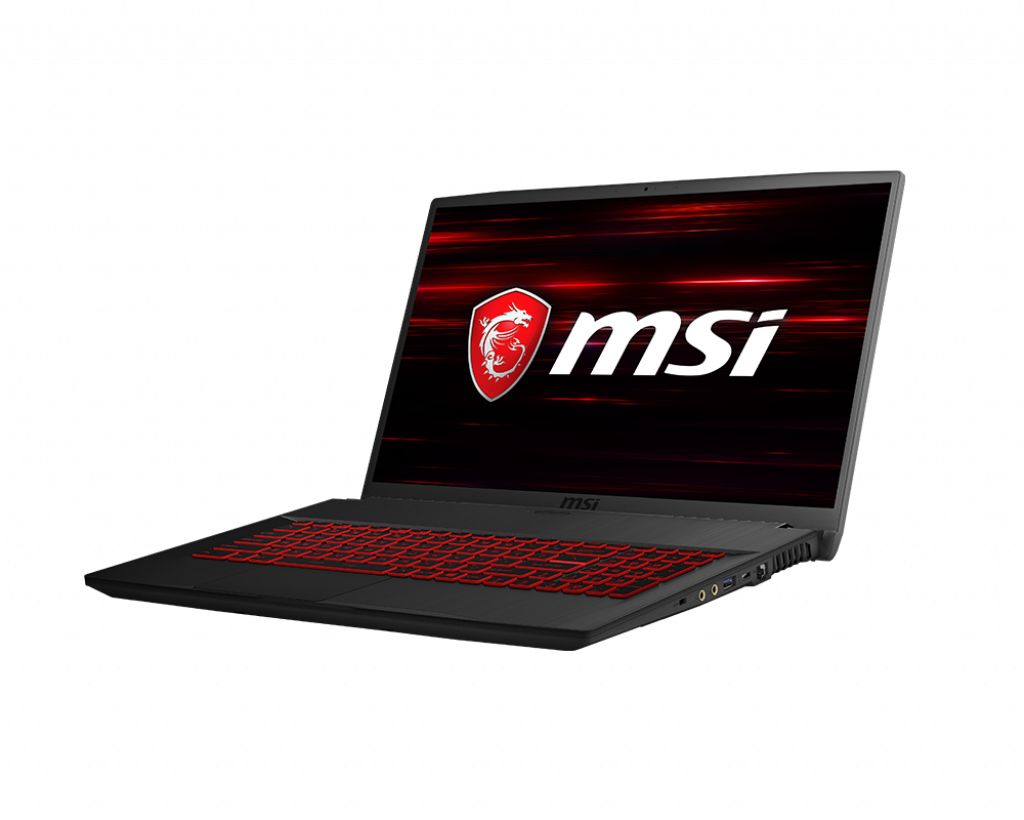
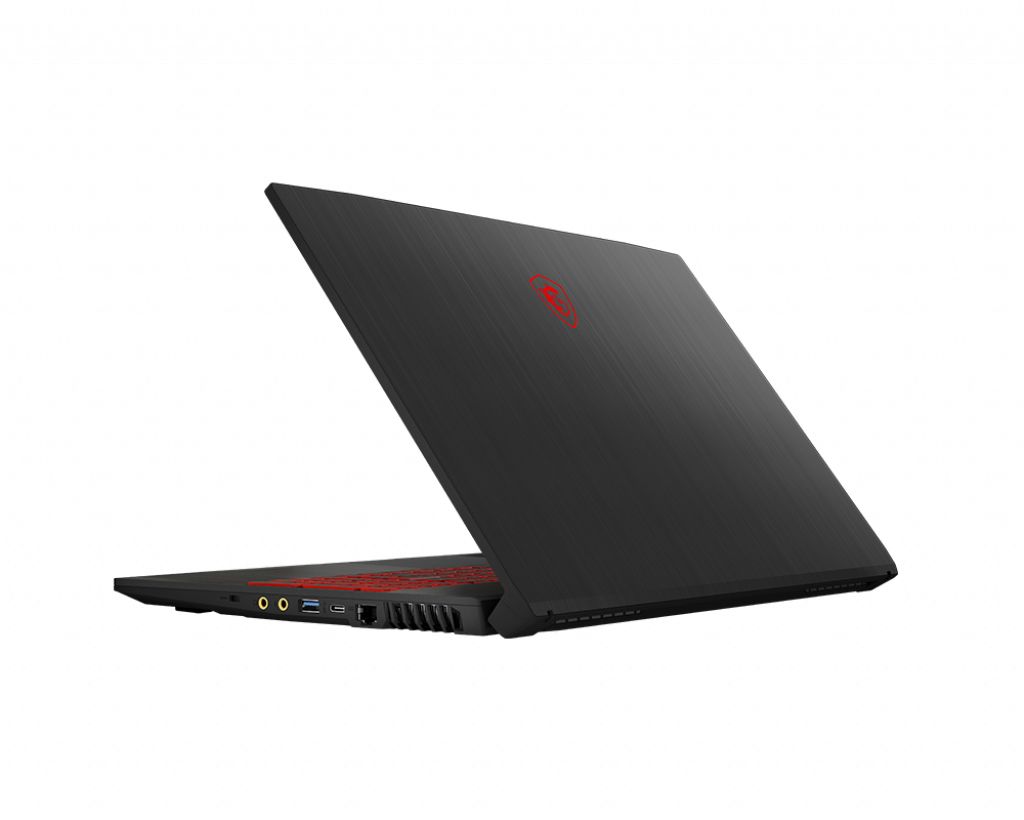
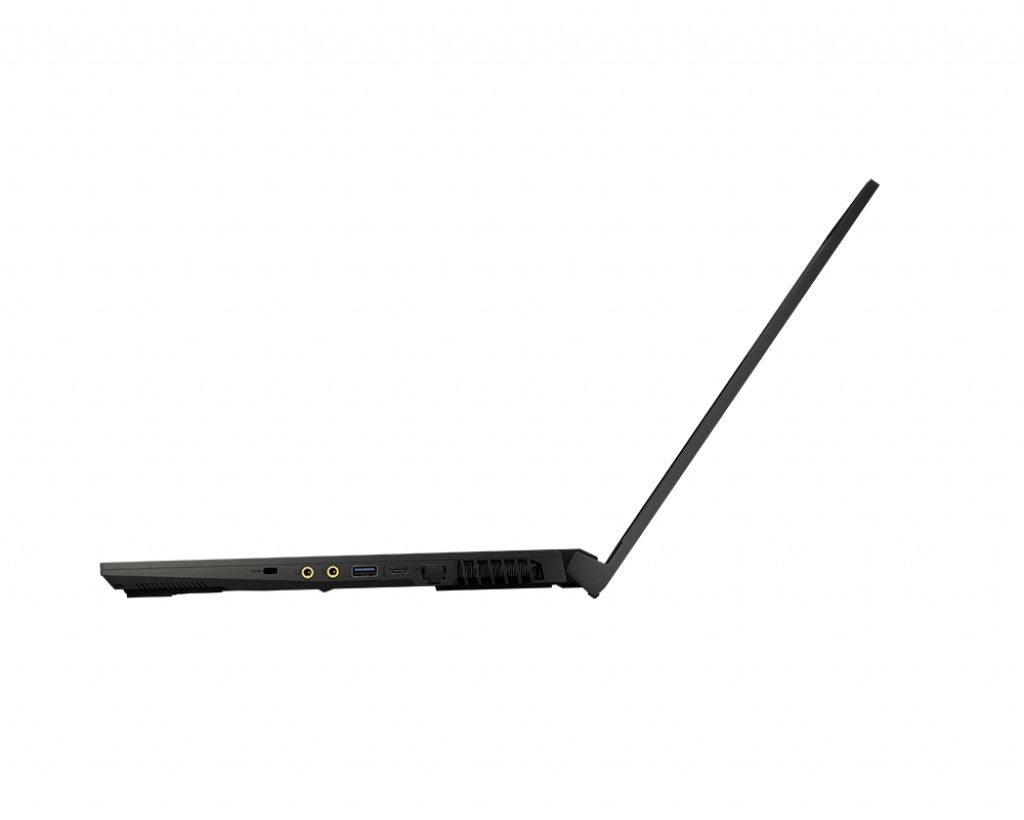
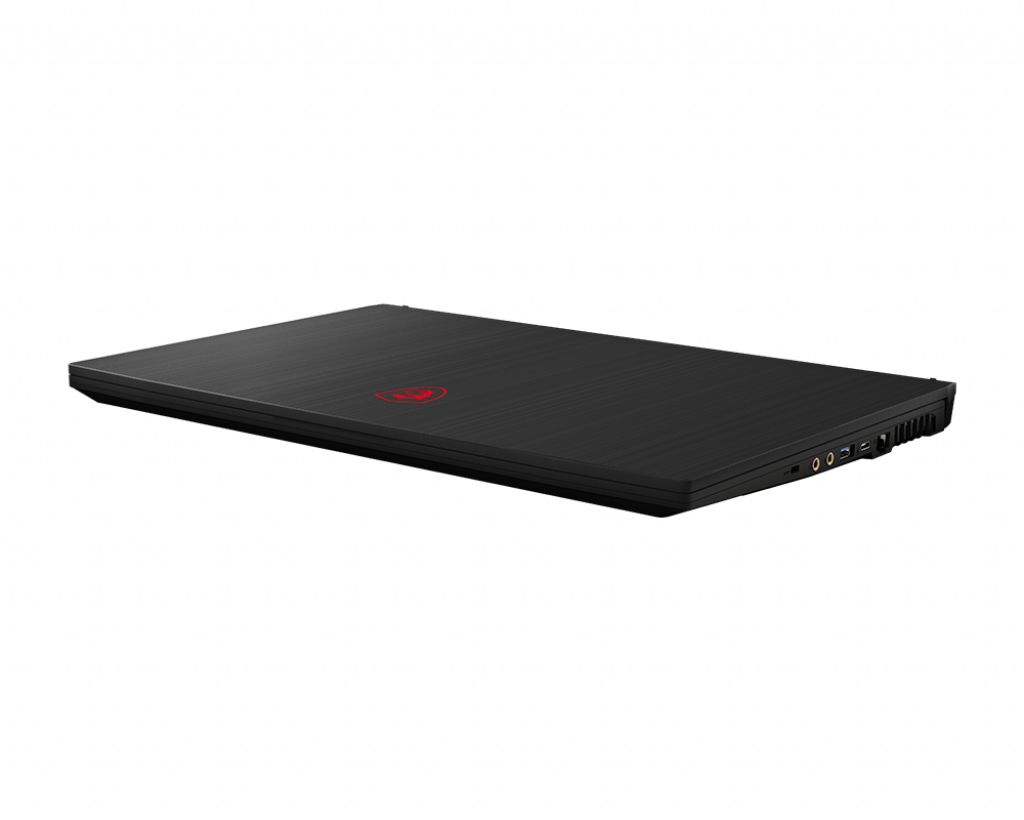
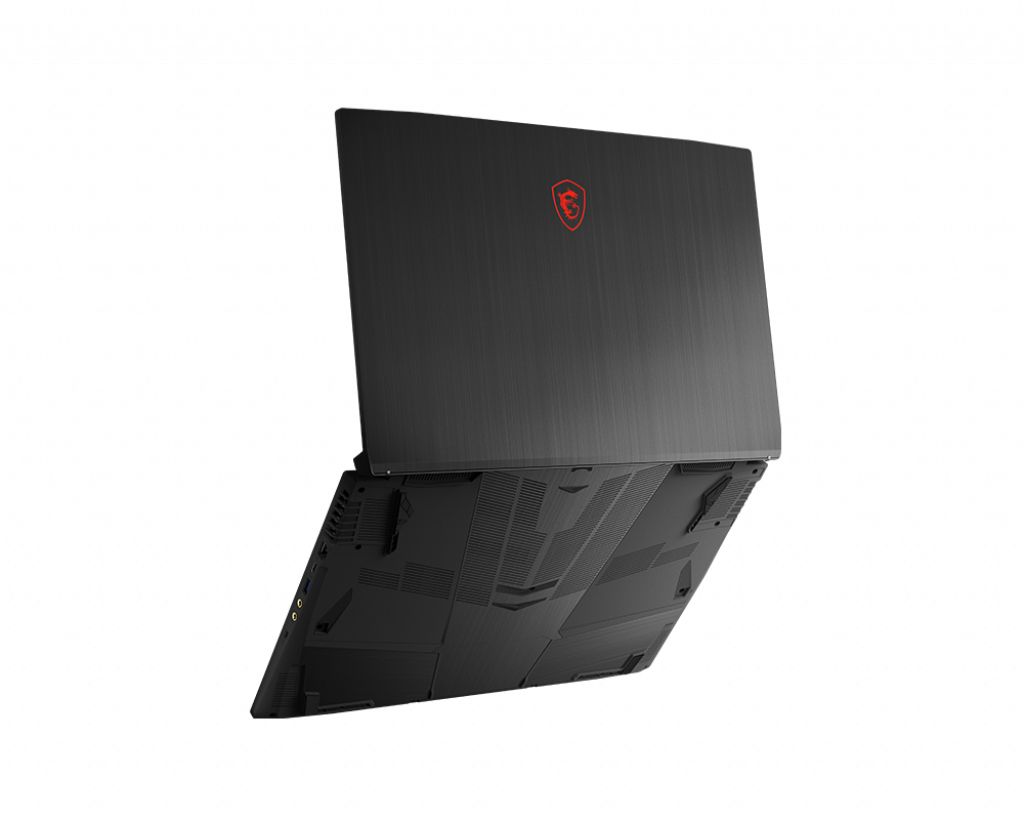
The MSI GF75 8RD-041RU Thin Gaming series laptop features DDR4-SDRAM memory upgrade specifications. The system contains two SO-DIMM memory slots supporting a maximum RAM capacity of 32 GB. Compatible DDR4 modules operate at 2666 MHz frequency. The SO-DIMM form factor enables memory module installation and replacement for system expansion. Current memory specifications and available upgrade slots allow users to expand RAM capacity within the 32 GB maximum limit. The GF75 8RD-041RU Thin maintains DDR4 compatibility standards for memory module selection and installation procedures.
Memory Upgrade Specifications
| Specification | Value |
|---|---|
| Memory slots | 2x SO-DIMM |
| Form factor | SO-DIMM |
| Memory type | DDR4-SDRAM |
| Frequency | 2666 MHz |
| Maximum RAM | 32 GB |
| Voltage | 1.2V |
| Number of pins | 260-pin |
| Interface | PC4 |
| PC Speed Rating | PC4-2666 (PC4-21328) |
| Bandwidth | 21.3 GB/s |
| Laptop Release date | 12 April 2019 |
Additional Notes
- The MSI GF75 8RD-041RU Thin chipset enforces a 32 GB ceiling regardless of individual module capacity, preventing configurations like 2x32 GB from functioning even if physically compatible.
- DDR4-2666 represents the official JEDEC specification, though actual operating frequency depends on CPU memory controller capabilities and may default to lower speeds without BIOS adjustment.
- SO-DIMM form factor restricts aftermarket options to notebook-specific modules, which typically carry higher per-gigabyte costs than desktop DIMM equivalents at identical specifications.
- Dual-channel architecture requires matched pairs for optimal memory bandwidth utilization, with asymmetric configurations forcing single-channel operation on mismatched capacity portions.
- The 2666 MHz speed creates potential bandwidth constraints for GPU-intensive workloads, as integrated or shared graphics subsystems draw from system memory bandwidth.
- Only 2 slots eliminate incremental upgrade paths, requiring full module replacement rather than additive capacity expansion when approaching maximum supported memory.
- PC4-21300 modules running at lower latencies may provide marginal performance improvements over baseline PC4-21300 specifications, though gaming workloads show minimal sensitivity to CAS latency variations at this frequency.
- Non-ECC unbuffered modules remain the only compatible type, as SO-DIMM slots lack the pin count and power delivery for registered or error-correcting memory architectures.
- Thermal considerations favor lower-profile SO-DIMM heatspreaders in confined laptop chassis, where taller modules risk interference with keyboard assemblies or thermal management components.
- Voltage specification locks modules to 1.2V standard DDR4 operation, preventing use of higher-performance DDR4L or overclocking-oriented modules designed for alternative voltage profiles.