MSI Gaming GF75 8RD-011ES Thin RAM upgrade specifications
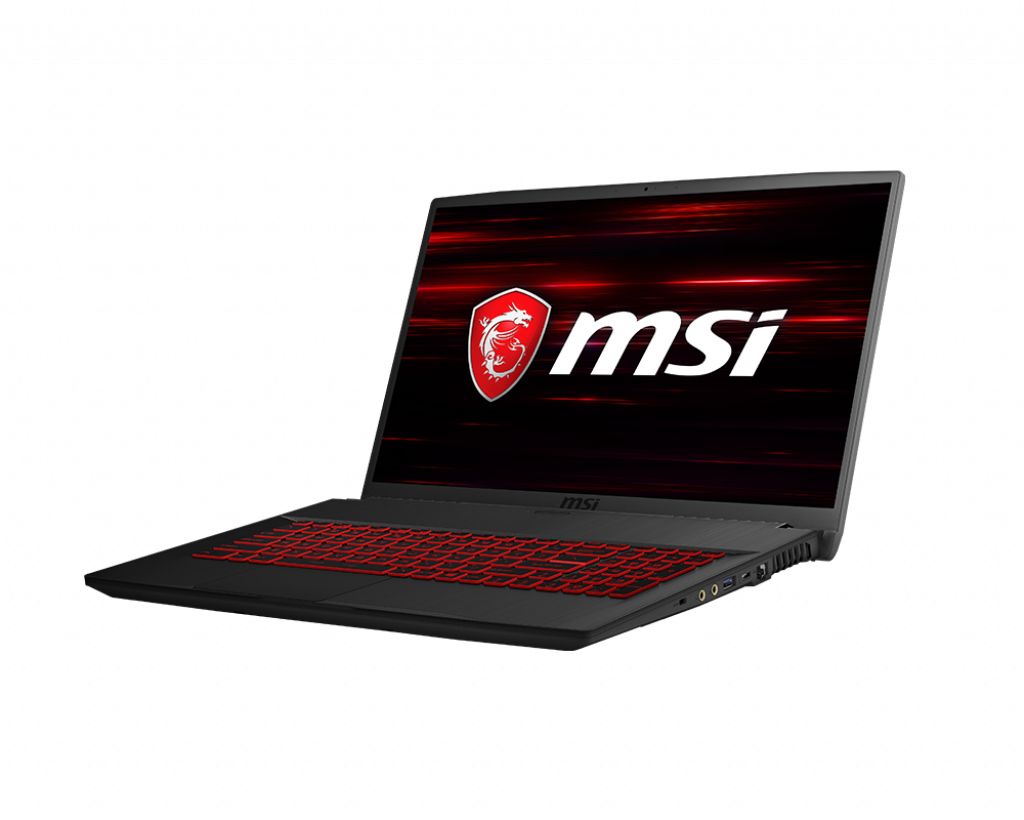
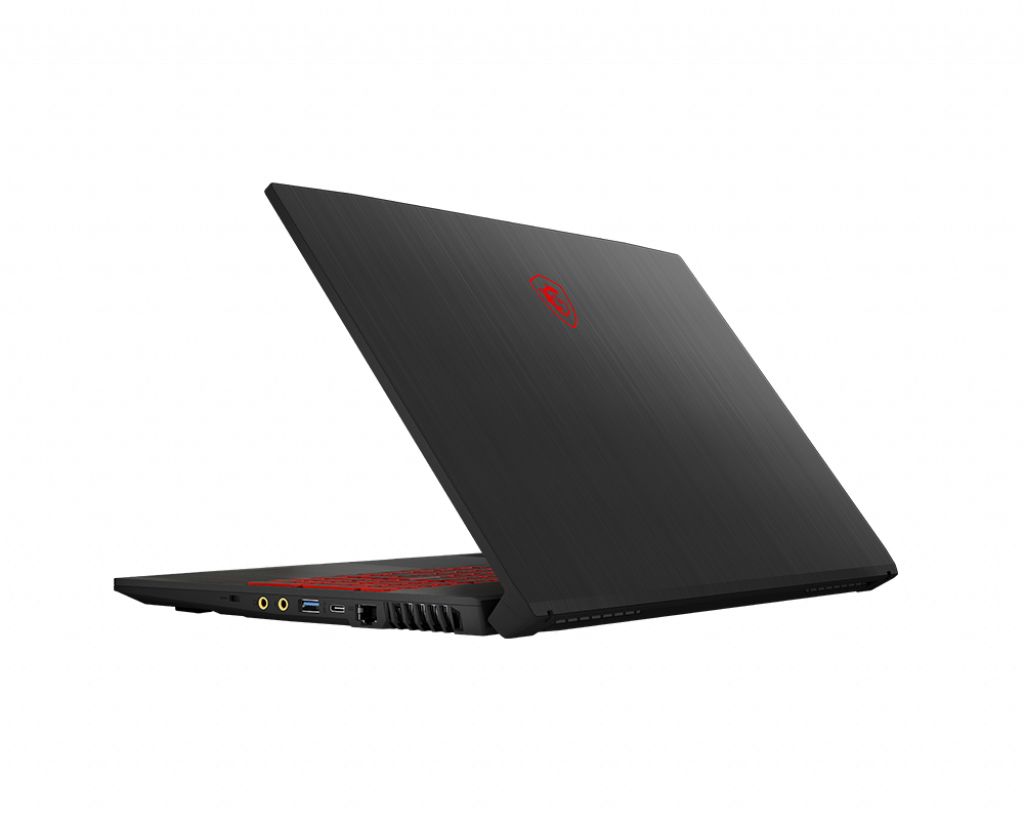
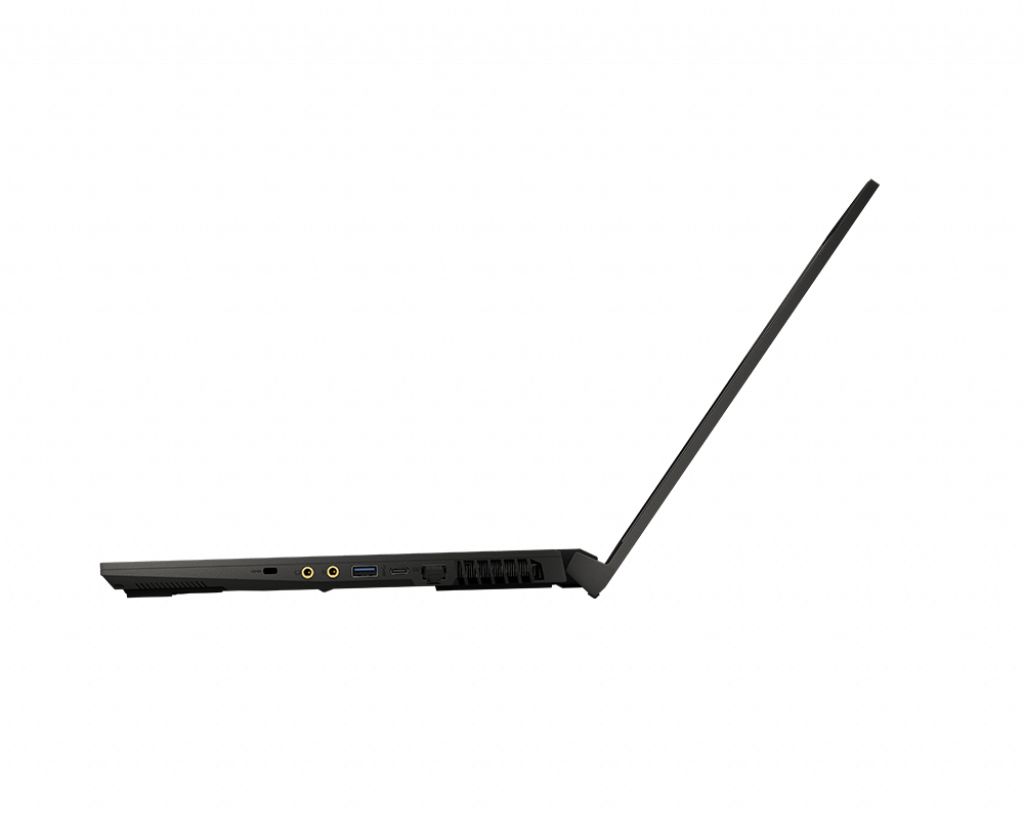
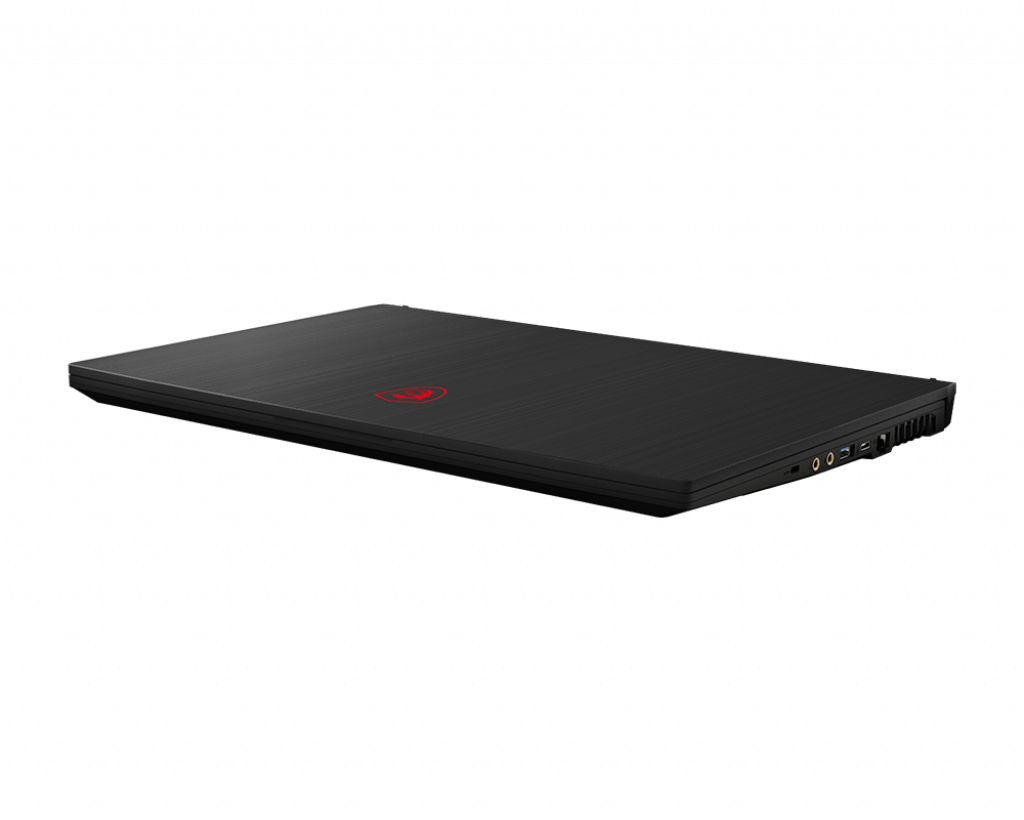
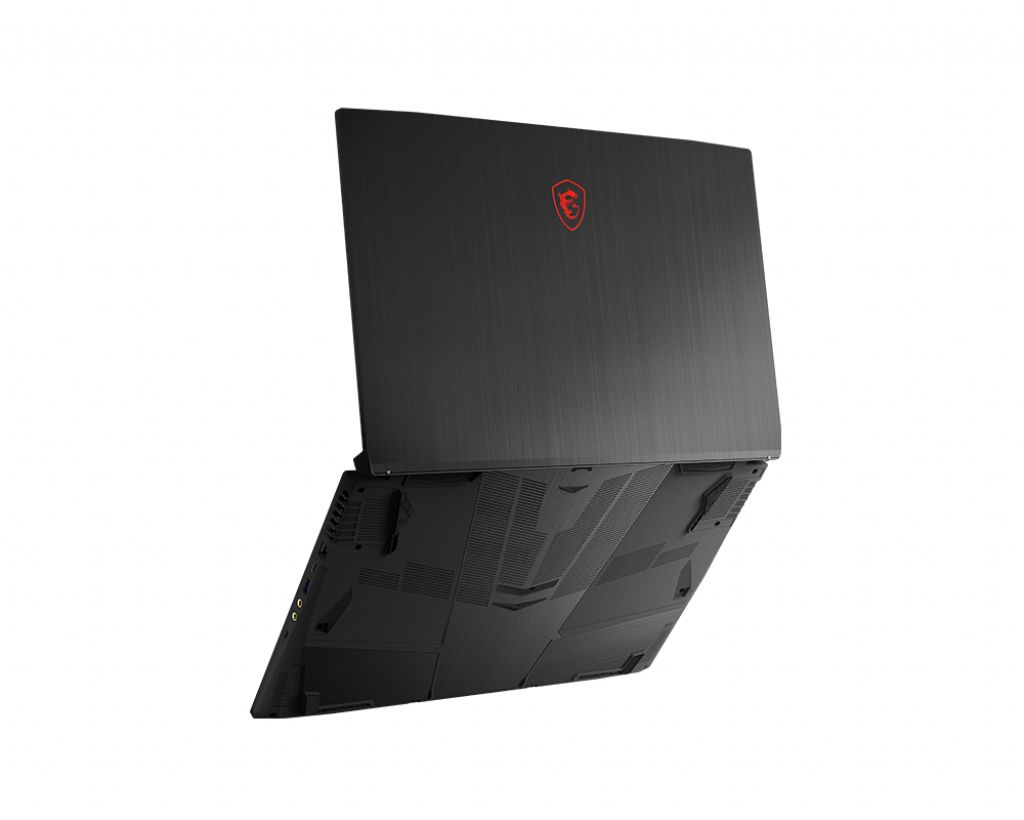
MSI GF75 8RD-011ES Thin gaming laptop supports DDR4-SDRAM memory upgrades with 2x SO-DIMM slots. Maximum RAM capacity reaches 32 GB total, operating at 2666 MHz frequency. Compatible memory modules utilize SO-DIMM form factor specifications. Current upgrade configurations allow installation of higher-capacity RAM modules within the two available slots to enhance system performance and multitasking capabilities.
Memory Upgrade Specifications
| Specification | Value |
|---|---|
| Memory slots | 2x SO-DIMM |
| Form factor | SO-DIMM |
| Memory type | DDR4-SDRAM |
| Frequency | 2666 MHz |
| Maximum RAM | 32 GB |
| Voltage | 1.2V |
| Number of pins | 260-pin |
| Interface | PC4 |
| PC Speed Rating | PC4-2666 (PC4-21328) |
| Bandwidth | 21.3 GB/s |
| Laptop Release date | 12 December 2018 |
Additional Notes
- The MSI GF75 8RD-011ES Thin uses laptop-class SO-DIMM modules rather than desktop DIMMs, restricting upgrade sourcing to mobile-specific inventory and eliminating standard desktop RAM compatibility.
- DDR4-2666 MHz represents an 8th-generation Intel platform specification; newer DDR4 modules rated for 3000 MHz or higher will clock down to 2666 MHz, incurring no performance penalty but eliminating forward-compatibility value in a future system upgrade.
- Dual SO-DIMM architecture means maximum capacity expansion requires replacing both existing modules simultaneously rather than adding a single module, potentially rendering original memory modules surplus unless repurposed.
- 32 GB total capacity ceiling restricts workload scaling for memory-intensive applications such as 4K video editing, 3D rendering, or virtual machine hosting, creating a hard performance boundary after upgrade completion.
- SO-DIMM form factor requires full chassis disassembly or removal of the bottom panel to access the memory slots; this procedure may trigger warranty restrictions if not performed according to MSI service documentation.
- DDR4-2666 latency characteristics typically range from 19-20 cycles; modules with identical speed ratings but higher latency values will function but introduce minor throughput reduction across memory-dependent gaming scenarios.