MSI Gaming GF75 9SC-278 Thin RAM upgrade specifications


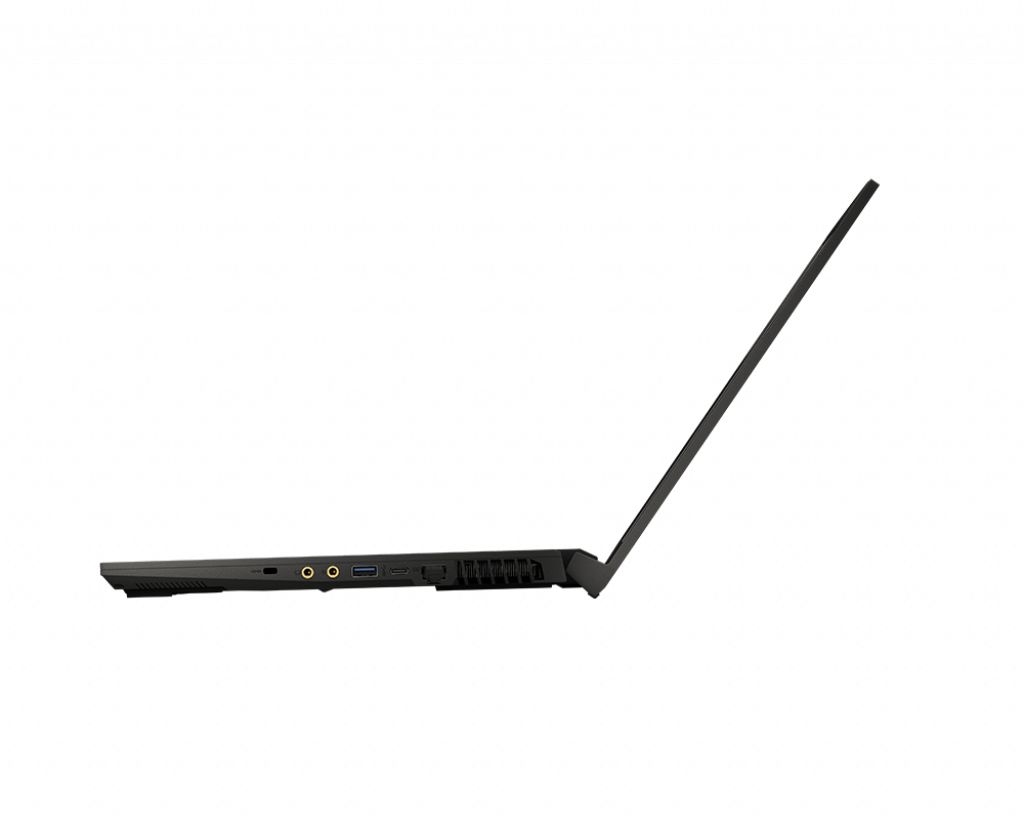
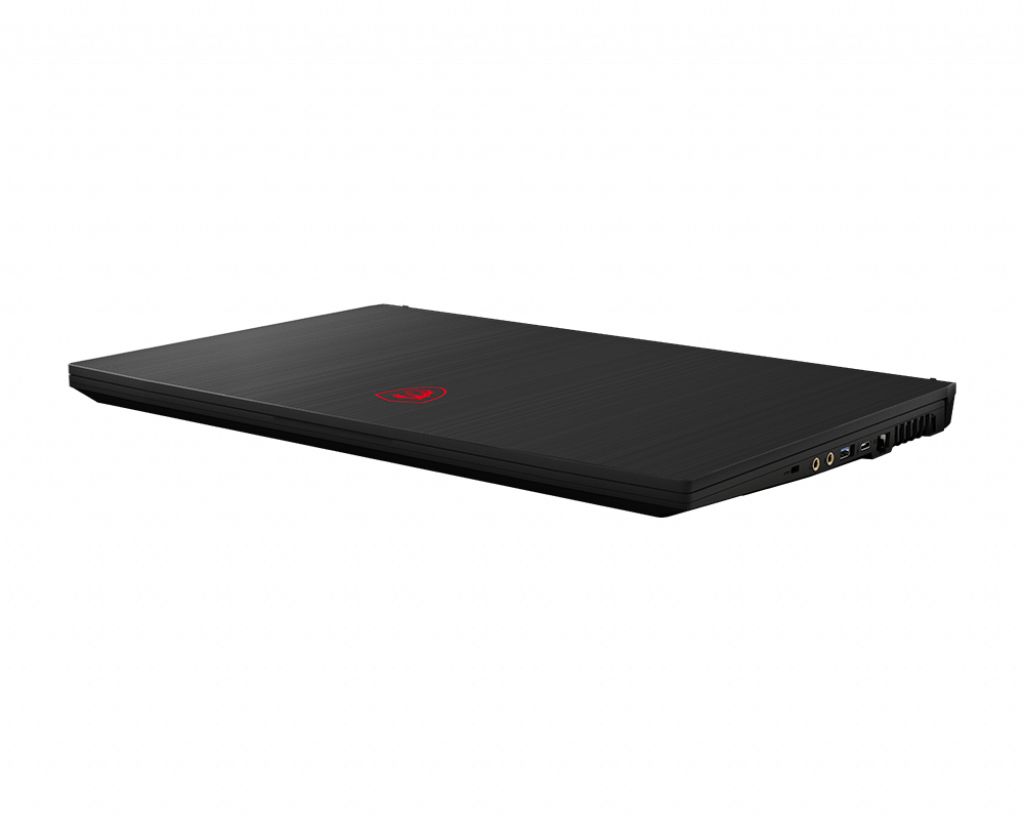
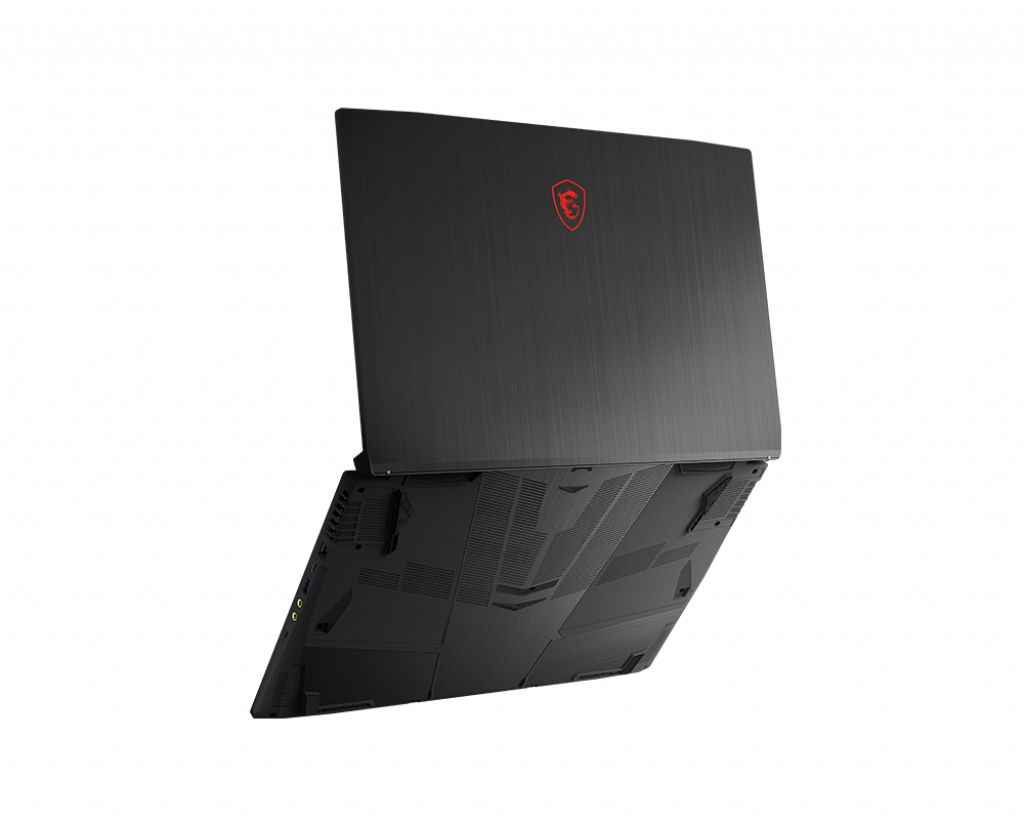
The MSI GF75 9SC-278 Thin Gaming series laptop features DDR4-SDRAM memory upgrade specifications with 2x SO-DIMM slots supporting a maximum RAM capacity of 64 GB. Memory modules operate at 2666 MHz frequency. Compatible upgrades utilize SO-DIMM form factor specifications. The GF75 9SC-278 Thin supports DDR4 memory technology for enhanced system performance and multitasking capabilities within the Gaming family specifications.
Memory Upgrade Specifications
| Specification | Value |
|---|---|
| Memory slots | 2x SO-DIMM |
| Form factor | SO-DIMM |
| Memory type | DDR4-SDRAM |
| Frequency | 2666 MHz |
| Maximum RAM | 64 GB |
| Voltage | 1.2V |
| Number of pins | 260-pin |
| Interface | PC4 |
| PC Speed Rating | PC4-2666 (PC4-21328) |
| Bandwidth | 21.3 GB/s |
| Laptop Release date | 07 August 2019 |
Additional Notes
- The 2666 MHz frequency represents the maximum certified speed for this chipset generation, meaning higher-speed modules will downclock to this native frequency.
- SO-DIMM modules require less clearance than desktop DIMMs, allowing upgrades without keyboard or palmrest removal in most configurations.
- The 64 GB ceiling indicates compatibility with 32 GB density modules, which require double-sided PCB layouts and may generate additional thermal output during sustained workloads.
- Dual-channel population enables symmetric bandwidth distribution, while single-module configurations halve memory throughput regardless of total capacity.
- DDR4 voltage standards at 1.2V reduce power consumption compared to previous generation modules, extending battery runtime during memory-intensive operations.
- Non-ECC architecture prioritizes performance over error correction, making this configuration suitable for gaming and consumer applications rather than mission-critical data processing.
- The MSI GF75 9SC-278 Thin accepts JEDEC-standard modules without proprietary firmware restrictions, ensuring broad aftermarket compatibility.
- Mixing module capacities across slots maintains functionality but may disable flexible dual-channel mode on certain capacity combinations.
- Thermal throttling may occur when populating both slots with maximum density modules during extended high-utilization periods due to confined airflow in thin chassis designs.
- Upgrading beyond factory-installed capacity typically preserves warranty coverage when using compliant voltage and frequency specifications.