MSI Gaming GF75 9SC-470 Thin RAM upgrade specifications
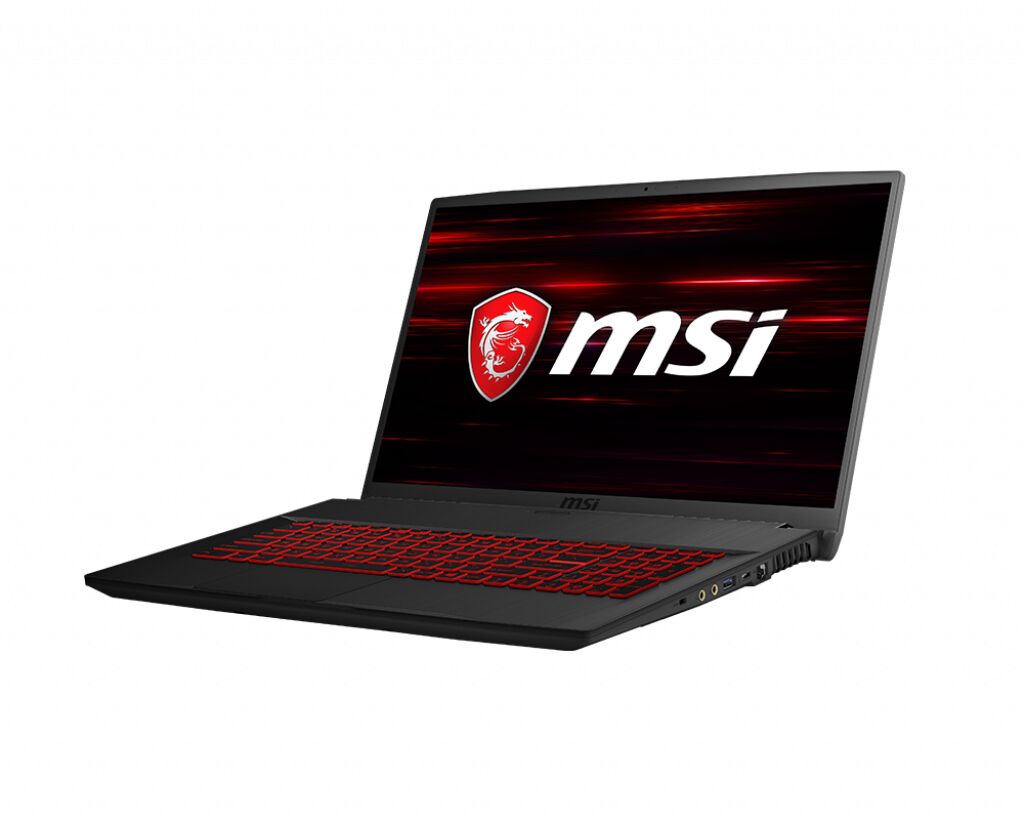
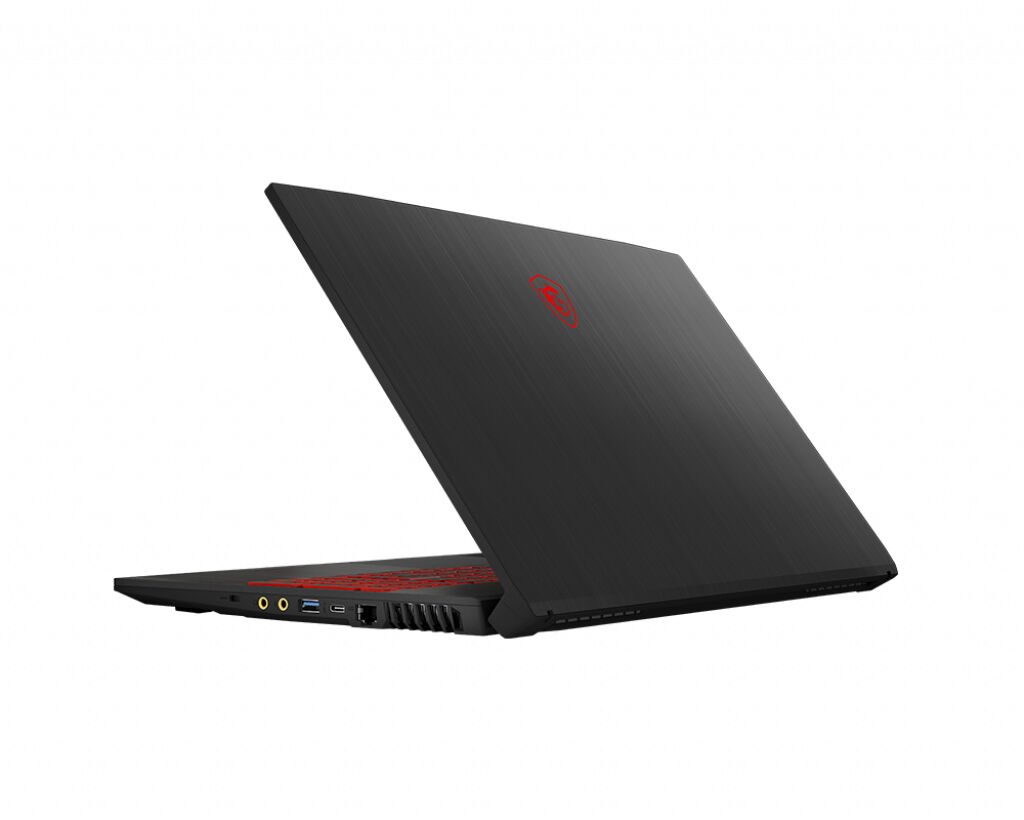
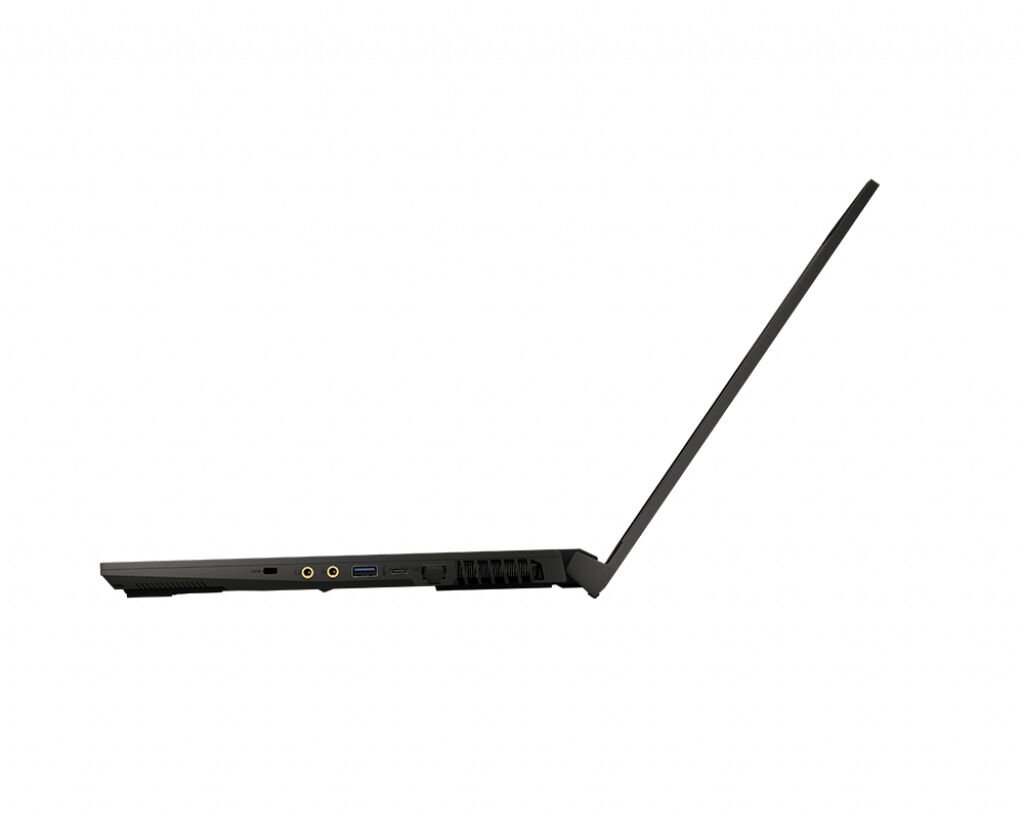
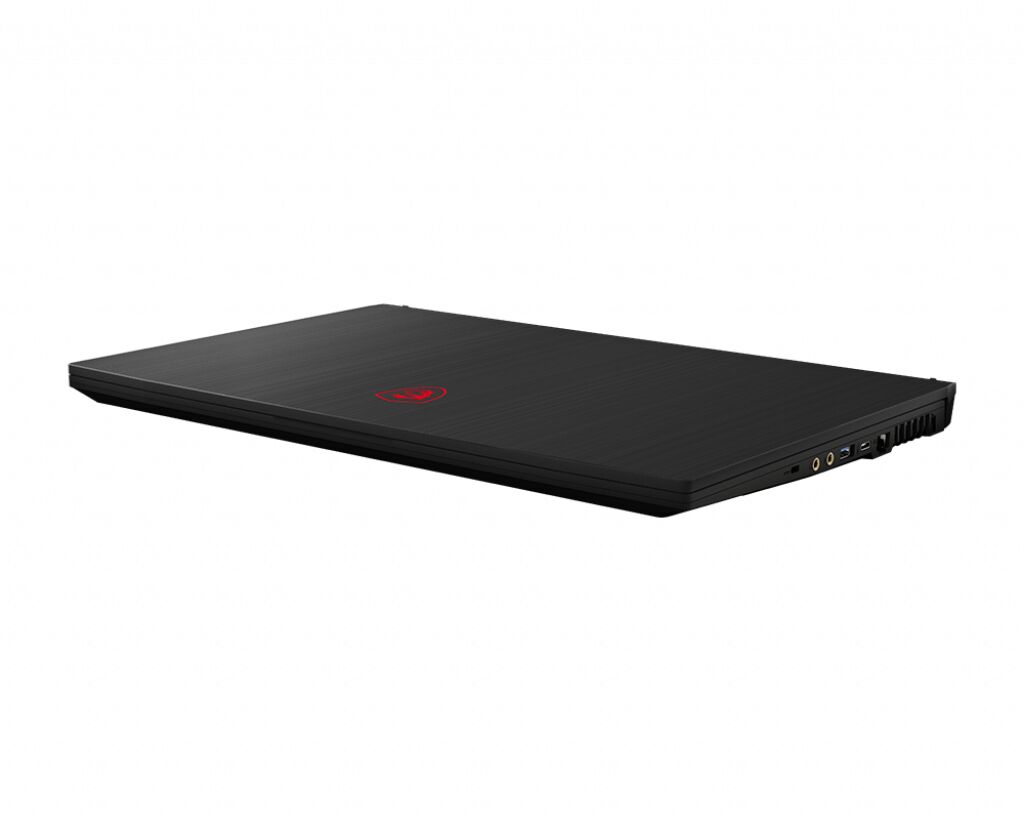
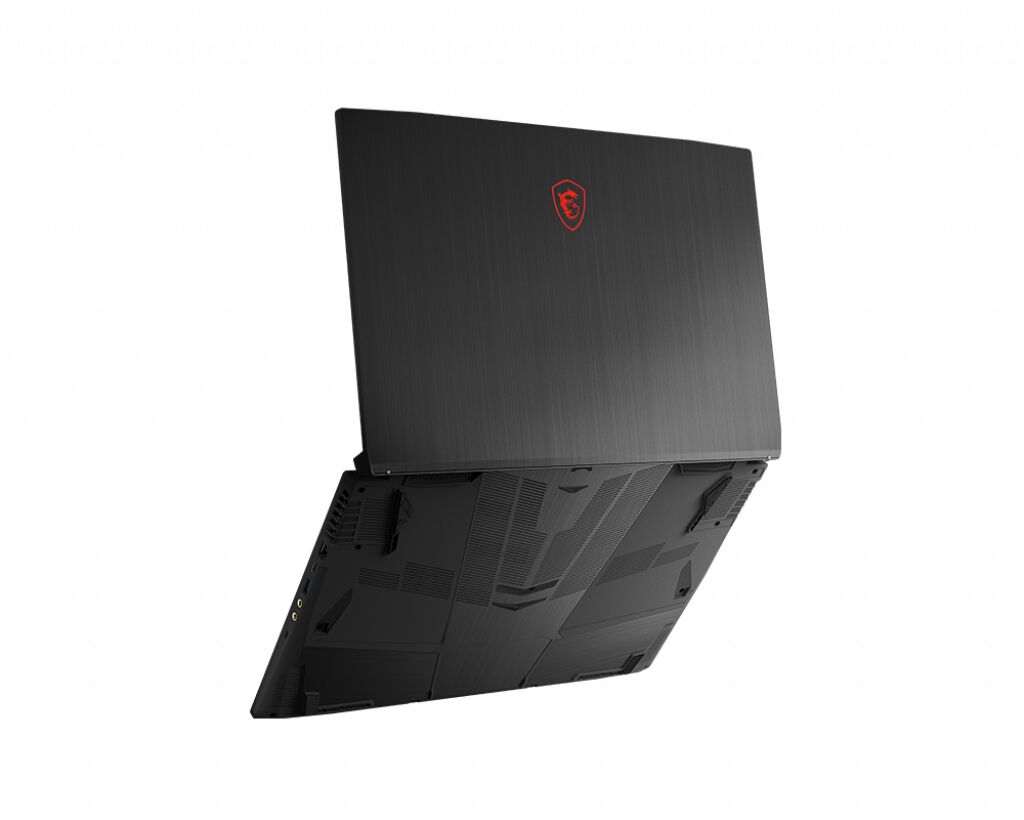
The MSI GF75 9SC-470 Thin gaming laptop contains two SO-DIMM slots for DDR4-SDRAM memory upgrades. Maximum compatible RAM capacity reaches 64 GB total. The memory operates at 2666 MHz frequency specifications. Upgrade options support standard DDR4 SO-DIMM modules compatible with the GF series specifications. Users can expand memory by installing additional modules in available slots to enhance system performance and multitasking capabilities for the GF75 9SC-470 Thin model.
Memory Upgrade Specifications
| Specification | Value |
|---|---|
| Memory slots | 2x SO-DIMM |
| Form factor | SO-DIMM |
| Memory type | DDR4-SDRAM |
| Frequency | 2666 MHz |
| Maximum RAM | 64 GB |
| Voltage | 1.2V |
| Number of pins | 260-pin |
| Interface | PC4 |
| PC Speed Rating | PC4-2666 (PC4-21328) |
| Bandwidth | 21.3 GB/s |
| Laptop Release date | 15 May 2020 |
Additional Notes
- The MSI GF75 9SC-470 Thin contains 2 SO-DIMM slots that operate at 2666 MHz, establishing a practical ceiling of 64 GB total capacity. Exceeding this specification voids warranty coverage for memory-related failures.
- DDR4-2666 memory operates at reduced frequency compared to contemporary DDR4-3200 or faster standards. Upgrading to higher-frequency modules will throttle to 2666 MHz, eliminating performance gains from premium pricing.
- SO-DIMM form factor limits upgrade options to laptop-specific modules only. Desktop DDR4 DIMMs cannot be installed regardless of frequency or capacity specifications.
- The 2-slot configuration forces a choice between dual-channel balanced operation and maximum capacity. Installing mismatched capacities (for example, 8 GB and 32 GB) triggers single-channel operation on the smaller module, reducing bandwidth efficiency.
- Current generation 32 GB SO-DIMM modules exist but remain significantly costlier than equivalent 16 GB modules. A 32 GB single module configuration sacrifices dual-channel performance benefits without proportional cost justification.
- Memory frequency negotiation occurs at boot time based on the slowest module present. Pairing the factory-installed memory with aftermarket modules requires validation of both components to the 2666 MHz specification to prevent instability.