MSI Gaming GF75 9SC-463IT Thin RAM upgrade specifications


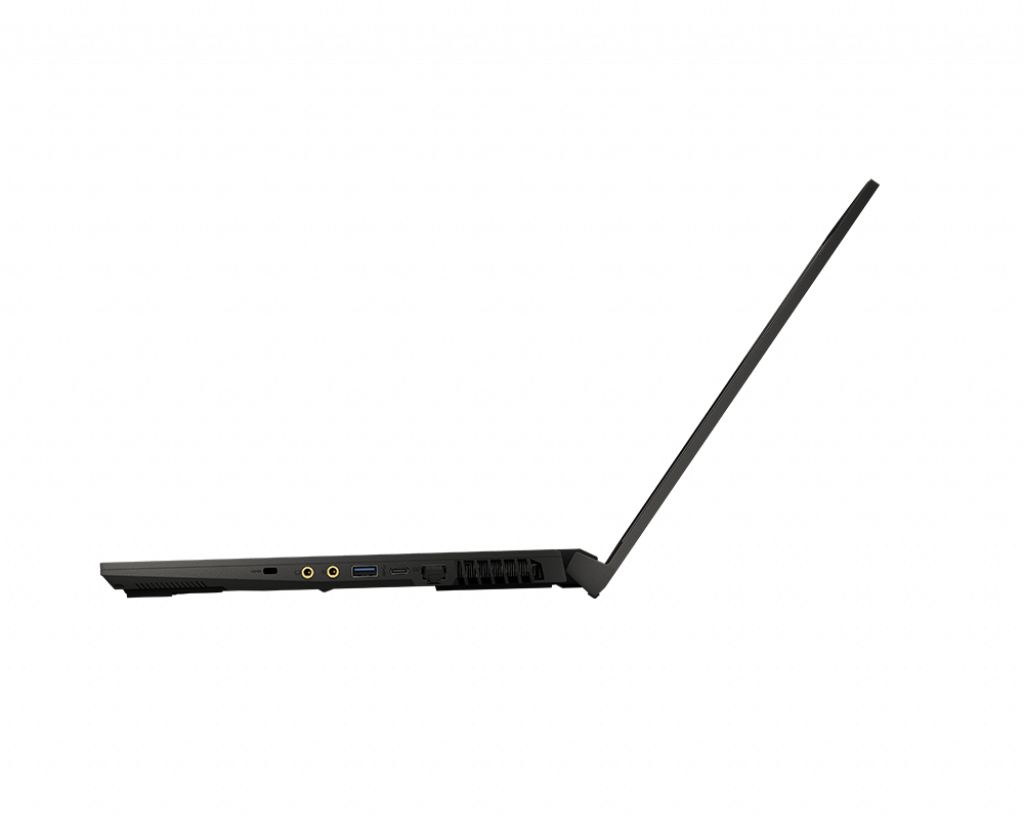
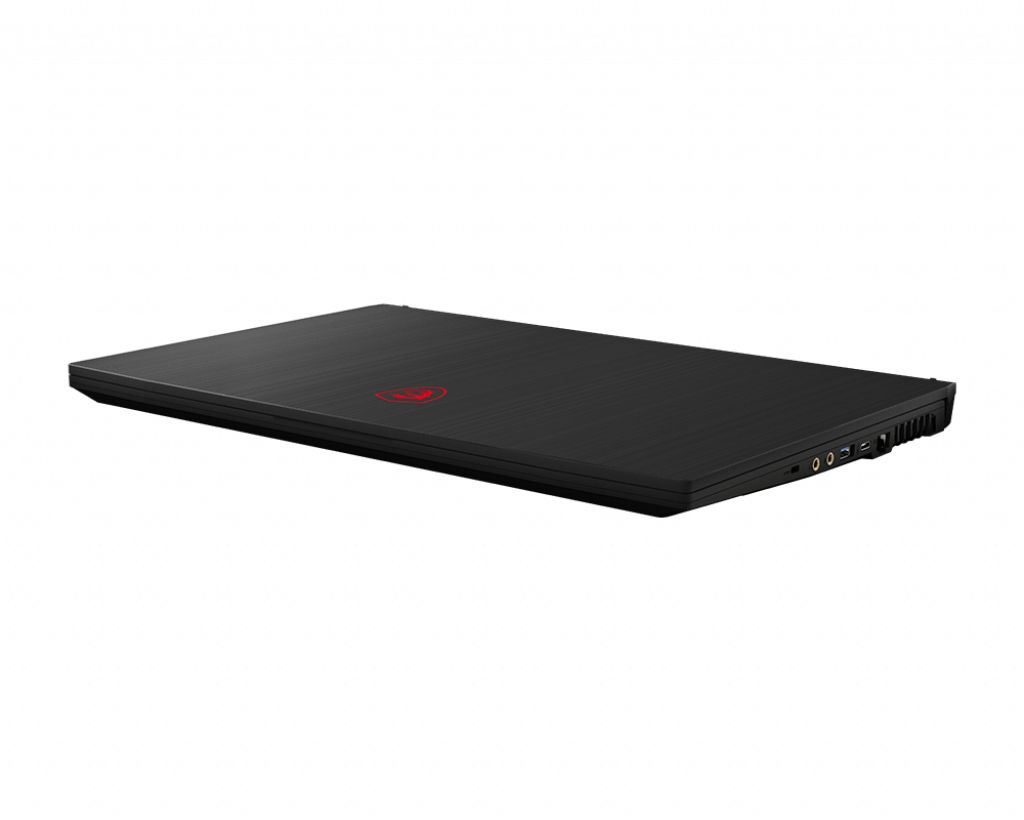
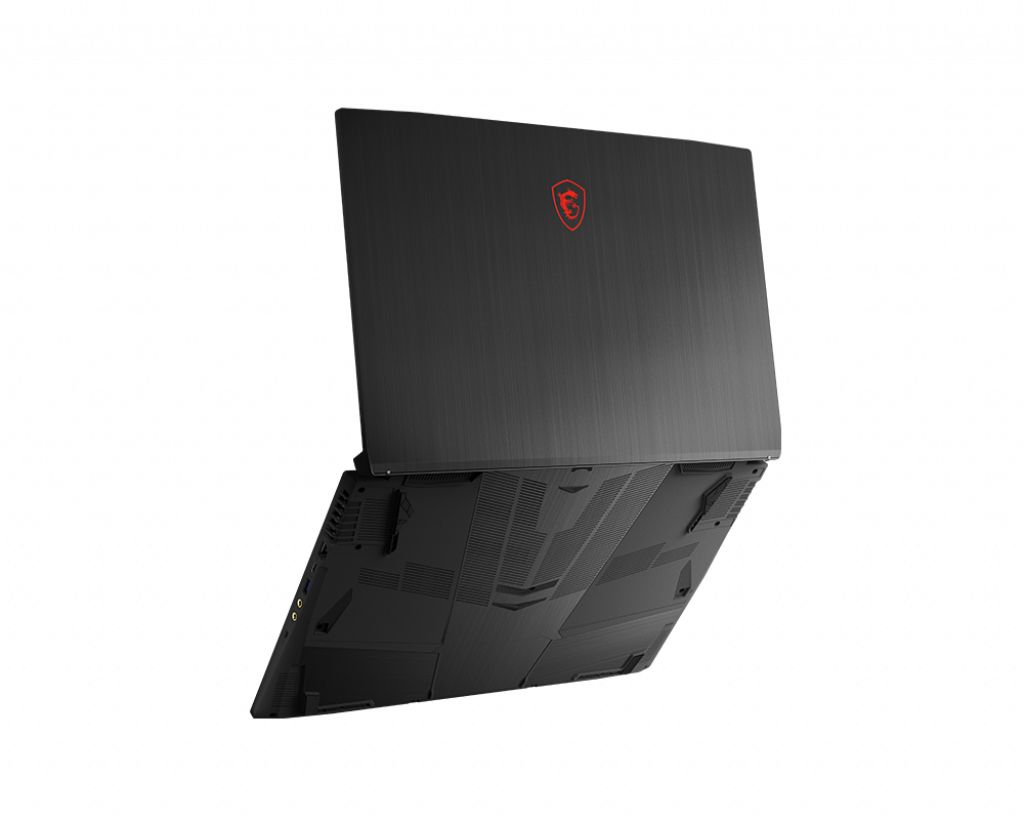
MSI GF75 9SC-463IT Thin gaming laptop memory upgrade specifications include DDR4-SDRAM support with 2x SO-DIMM slots. Maximum compatible RAM capacity reaches 64 GB total. Memory operates at 2666 MHz frequency. SO-DIMM form factor modules enable RAM upgrade compatibility. Specifications define upgrade potential for enhanced multitasking and performance in MSI GF series gaming notebooks.
Memory Upgrade Specifications
| Specification | Value |
|---|---|
| Memory slots | 2x SO-DIMM |
| Form factor | SO-DIMM |
| Memory type | DDR4-SDRAM |
| Frequency | 2666 MHz |
| Maximum RAM | 64 GB |
| Voltage | 1.2V |
| Number of pins | 260-pin |
| Interface | PC4 |
| PC Speed Rating | PC4-2666 (PC4-21328) |
| Bandwidth | 21.3 GB/s |
| Laptop Release date | 08 January 2020 |
Additional Notes
- The MSI GF75 9SC-463IT Thin uses laptop-specific SO-DIMM modules rather than desktop DIMMs, requiring smaller 67.6mm length modules that physically fit the Gaming series chassis constraints.
- The 2666 MHz specification indicates PC4-21300 memory classification, delivering a theoretical bandwidth of 21.3 GB/s per channel or 42.6 GB/s in dual-channel configuration.
- Populating both SO-DIMM slots with matched capacity modules enables dual-channel operation, doubling memory bandwidth compared to single-channel configurations using only one slot.
- The 64 GB maximum capacity requires 32 GB modules in both slots, which must operate at JEDEC-standard voltages of 1.2V to maintain thermal and electrical specifications within factory parameters.
- Modules rated above 2666 MHz will downclock to match the supported frequency, making higher-speed RAM purchases unnecessary for performance gains in this system.
- Non-ECC unbuffered memory is required, as the consumer-grade chipset does not support error-correcting or registered modules typically found in server configurations.
- Memory upgrades access through the bottom panel maintenance door, avoiding full disassembly and preserving factory seals on other warranty-protected components.
- Mixing modules of different capacities between slots maintains functionality but may prevent dual-channel mode for the unpaired portion of memory, reducing effective bandwidth.
- CAS latency (CL) ratings between 17 and 19 represent standard ranges for 2666 MHz DDR4, with tighter timings offering marginal real-world performance differences in gaming workloads.
- Single-rank versus dual-rank module architecture affects memory interleaving efficiency, though both types remain compatible within the 64 GB ceiling.