MSI Gaming GF75 9SC-484MX Thin RAM upgrade specifications
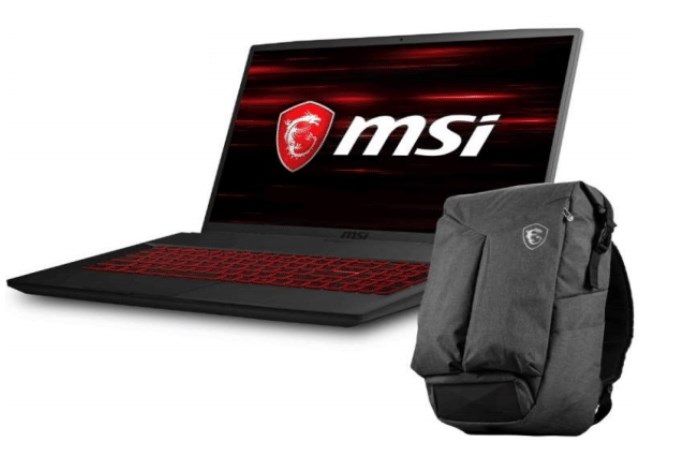
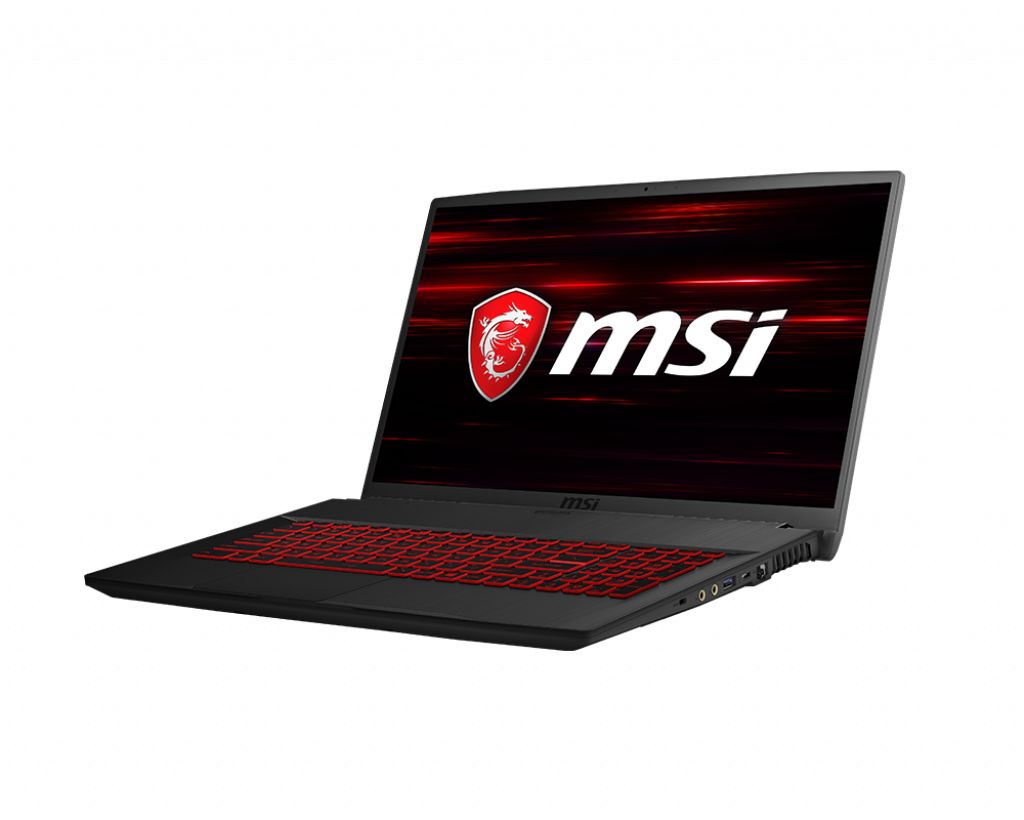
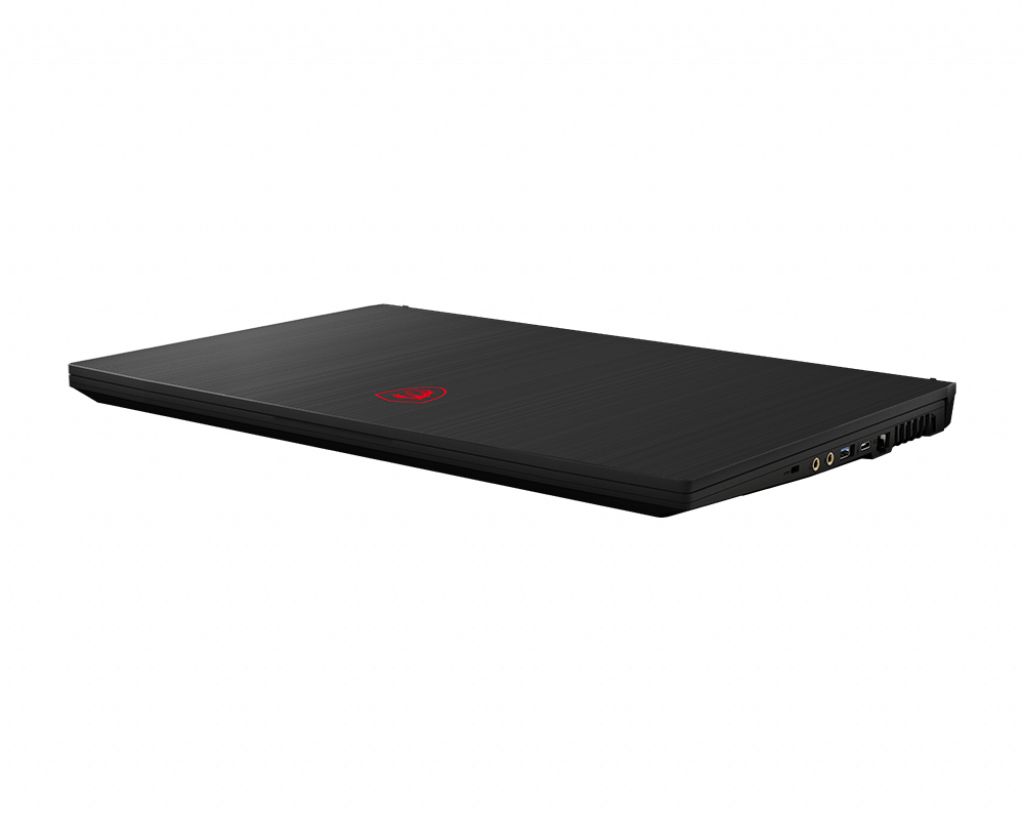
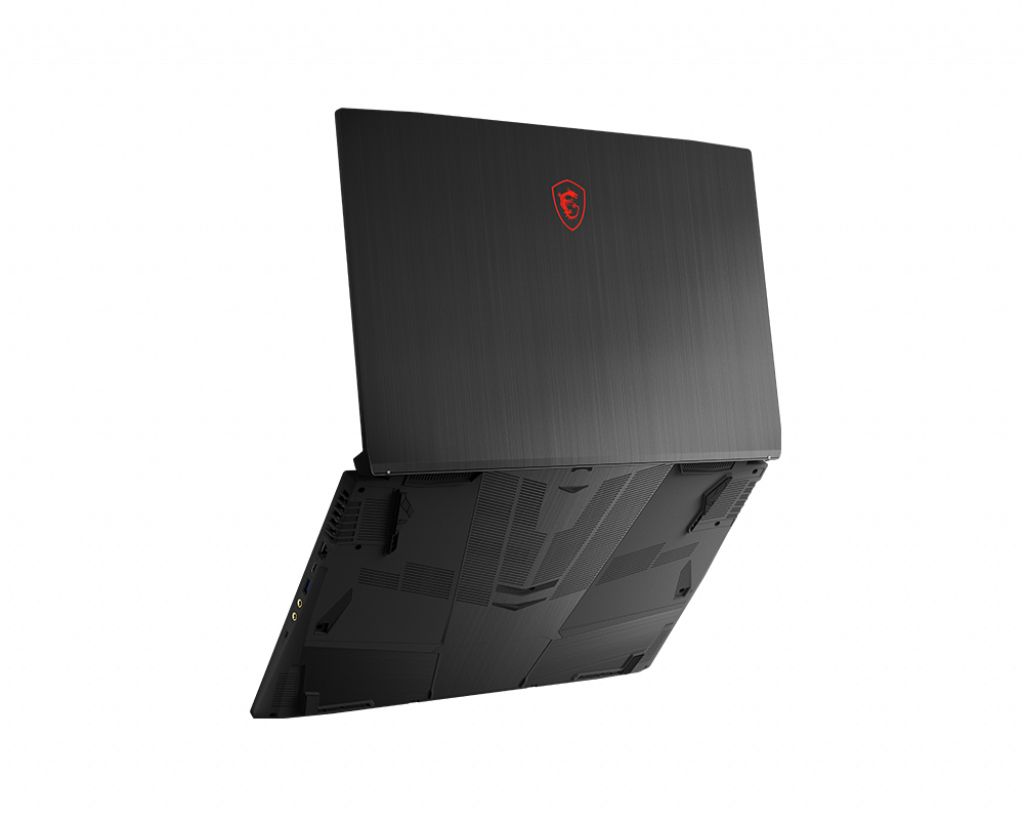
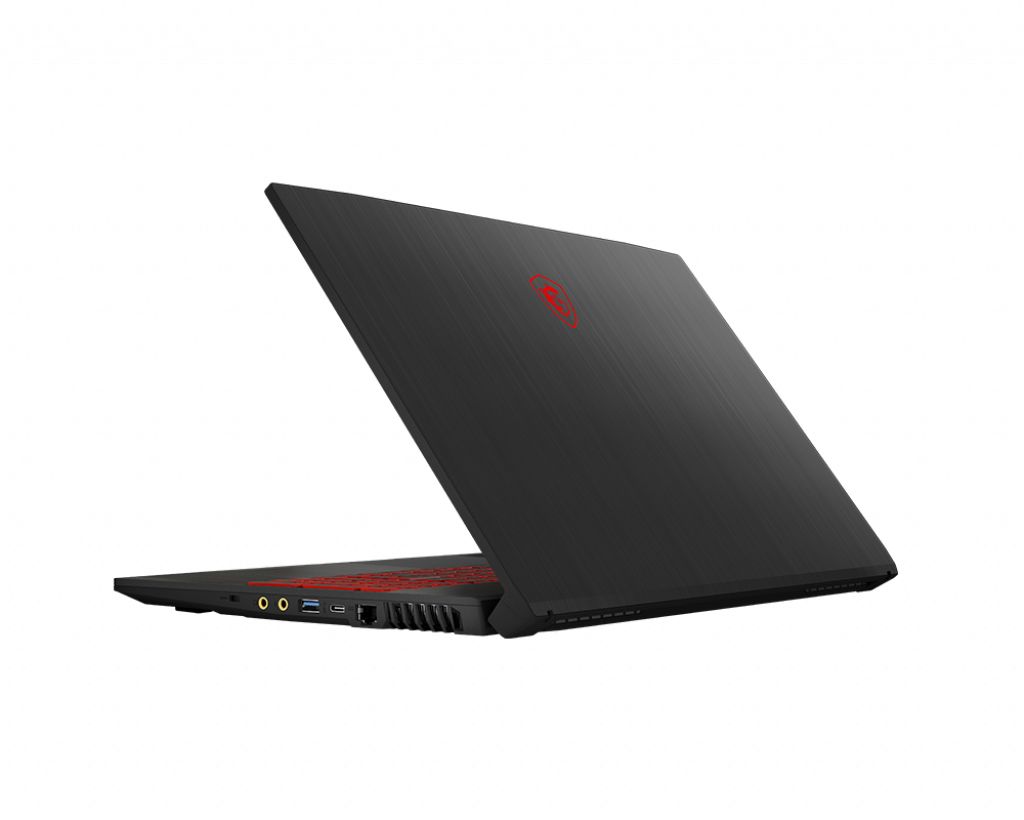
MSI GF75 9SC-484MX Thin gaming laptop supports DDR4-SDRAM memory upgrades with 2 SO-DIMM slots, compatible with 3200 MHz modules. Maximum RAM capacity reaches 64 GB total. Current specifications include DDR4-2666 MHz support. Memory upgrade options allow expansion from factory configuration to maximum specifications. Compatible memory modules include standard DDR4 SO-DIMM components designed for laptop applications. Upgrade procedures require access to bottom panel for slot installation. Gaming series specifications establish compatible memory parameters for performance optimization.
Memory Upgrade Specifications
| Specification | Value |
|---|---|
| Memory slots | 2x SO-DIMM |
| Form factor | SO-DIMM |
| Memory type | DDR4-SDRAM |
| Frequency | 2666 MHz |
| Maximum RAM | 64 GB |
| Voltage | 1.2V |
| Number of pins | 260-pin |
| Interface | PC4 |
| PC Speed Rating | PC4-2666 (PC4-21328) |
| Bandwidth | 21.3 GB/s |
| Laptop Release date | 01 January 2020 |
Additional Notes
- The MSI GF75 9SC-484MX Thin uses SO-DIMM slots, which are laptop-specific form factors incompatible with standard desktop DDR4 modules. Replacement modules must match this compact specification or installation will fail.
- The 2666 MHz frequency ceiling creates a performance constraint when pairing with newer DDR4 modules rated at 3000+ MHz. Higher-speed memory will downclock to 2666 MHz, negating any speed advantage and wasting the cost differential between speed grades.
- Dual slot configuration limits upgrade flexibility to 32 GB per slot for the 64 GB maximum. This creates an all-or-nothing scenario: users cannot add a single module to existing RAM without removing the original stick if capacity is already at or near 32 GB.
- The 2-slot architecture means total system memory cannot exceed 64 GB regardless of future DDR4 availability. This ceiling may constrain workflows involving large dataset processing or virtualization within 3-5 years as application memory demands scale.
- SO-DIMM modules operate at lower power consumption than desktop equivalents, but thermal cycling in the compact chassis may affect longevity during extended gaming sessions. Warranty-safe upgrades require OEM-branded or certified SO-DIMM variants to maintain manufacturer coverage.
- The laptop's 9th-generation Intel processor architecture pairs with DDR4-2666 memory, creating a generational bottleneck. Swapping memory alone will not improve system responsiveness if the CPU remains the primary constraint under workloads exceeding 4 threads.