MSI Gaming GF75 9SCXR-286IT Thin RAM upgrade specifications
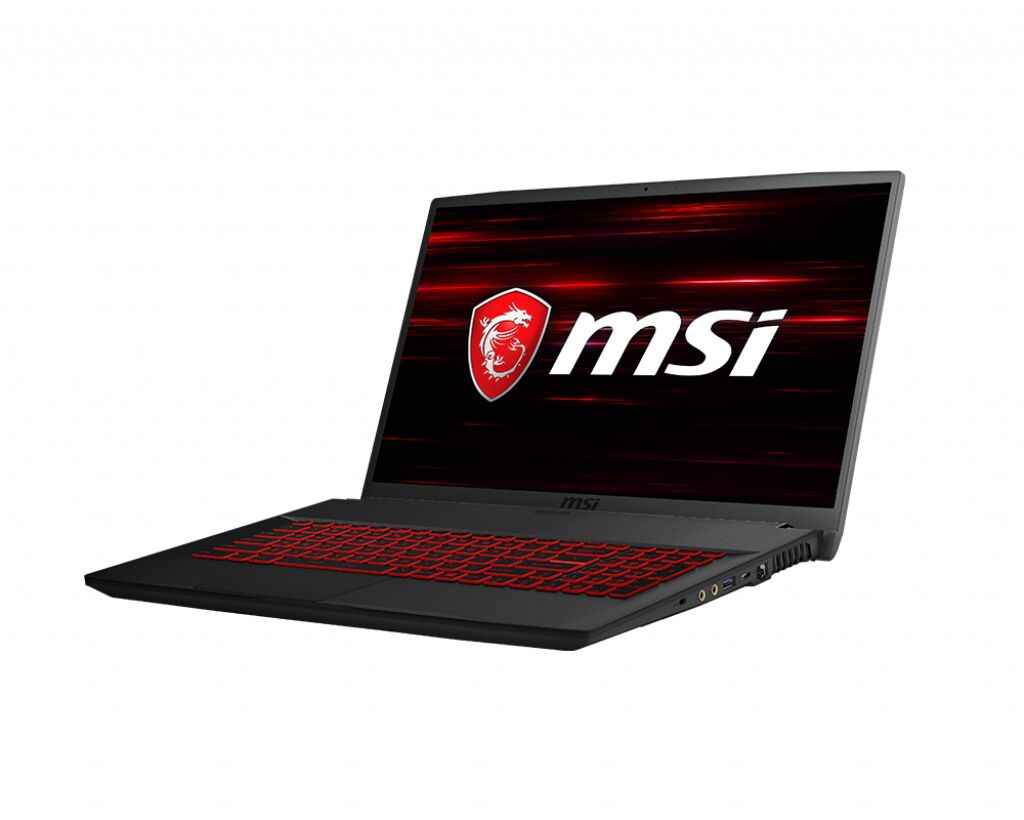
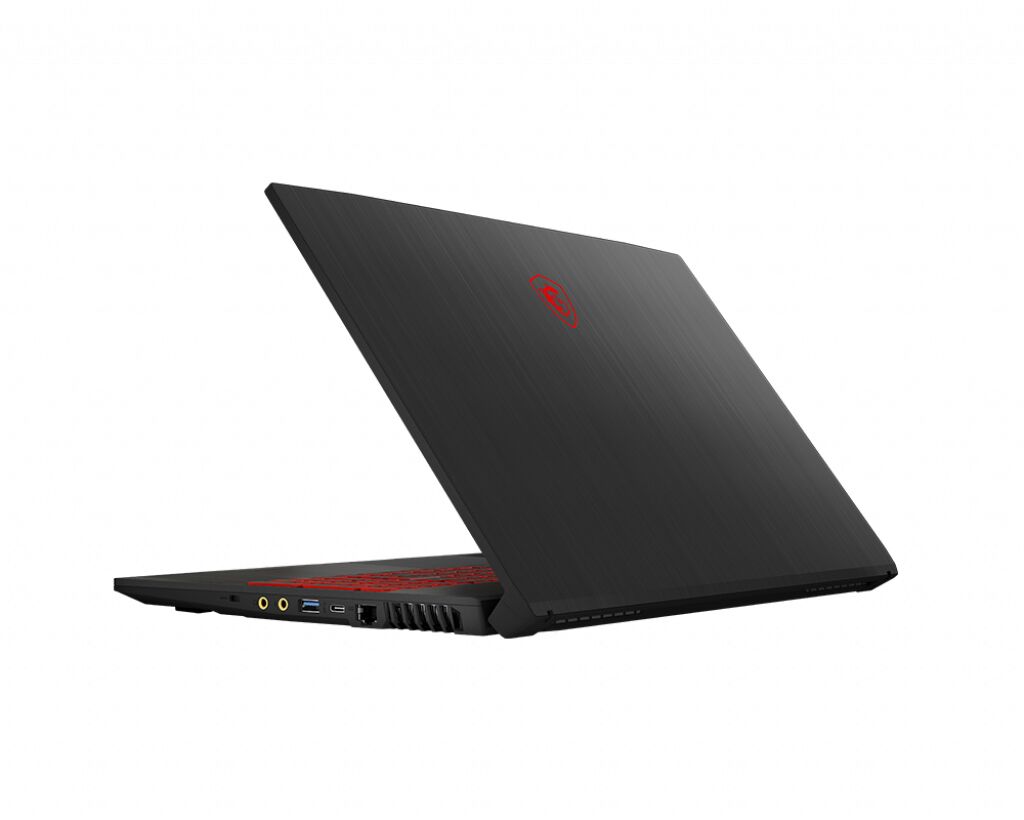
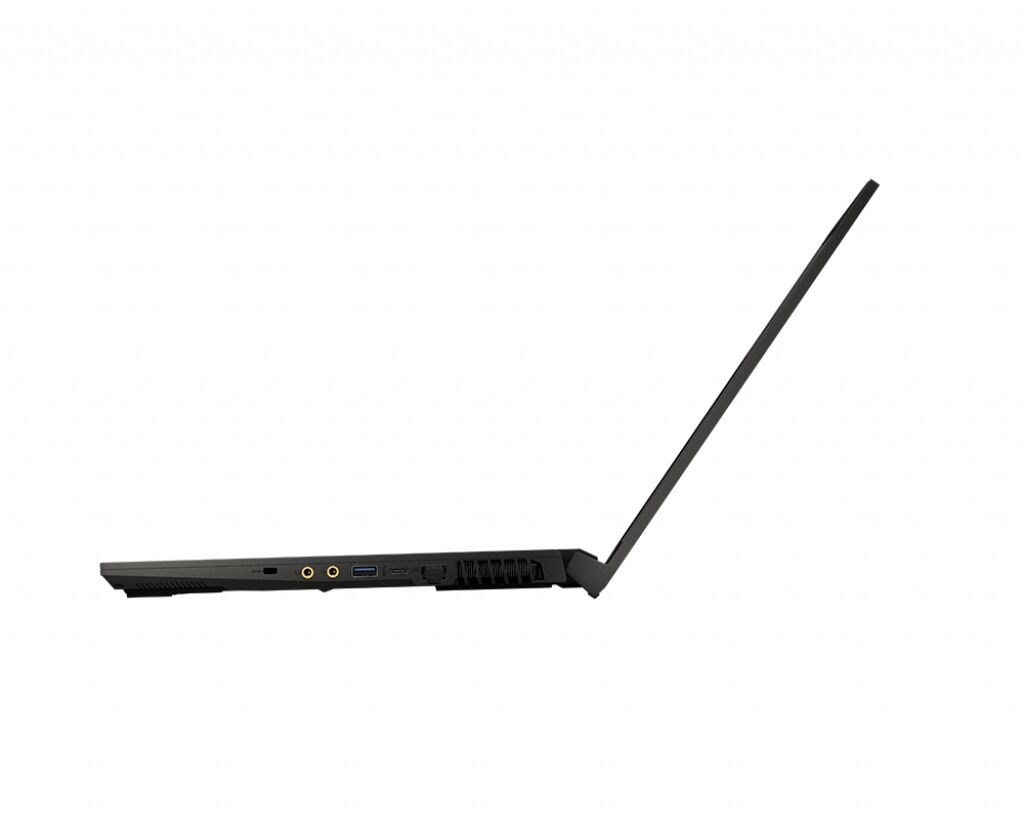
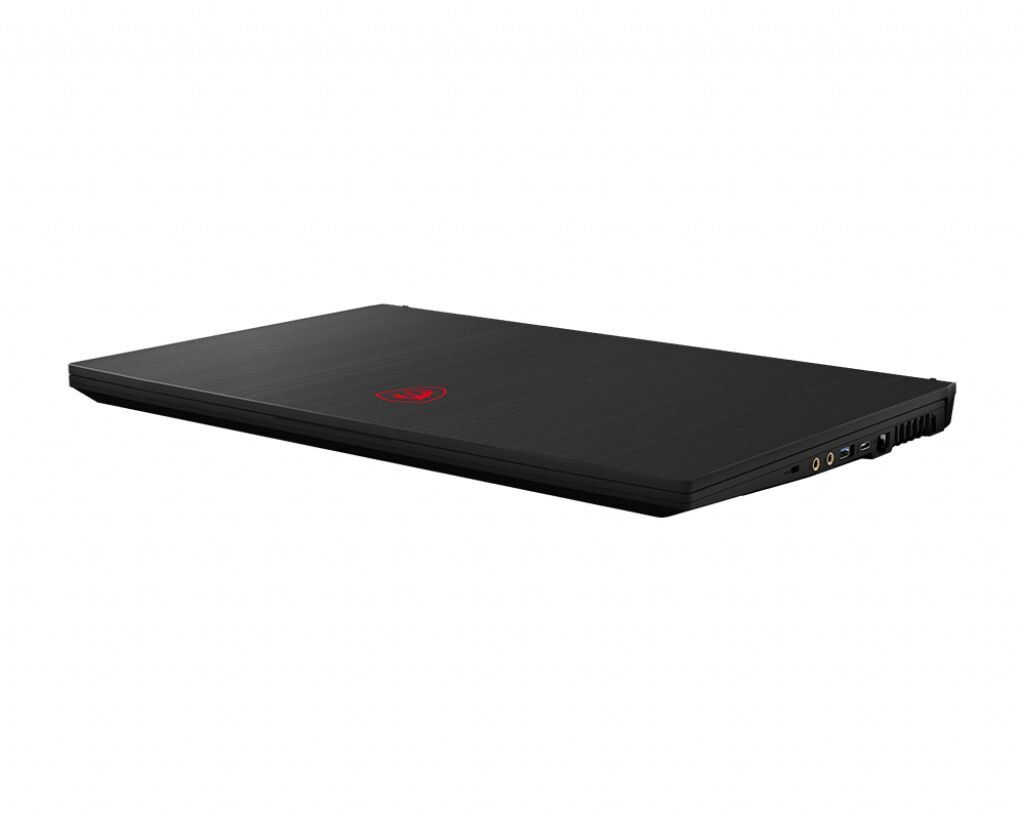
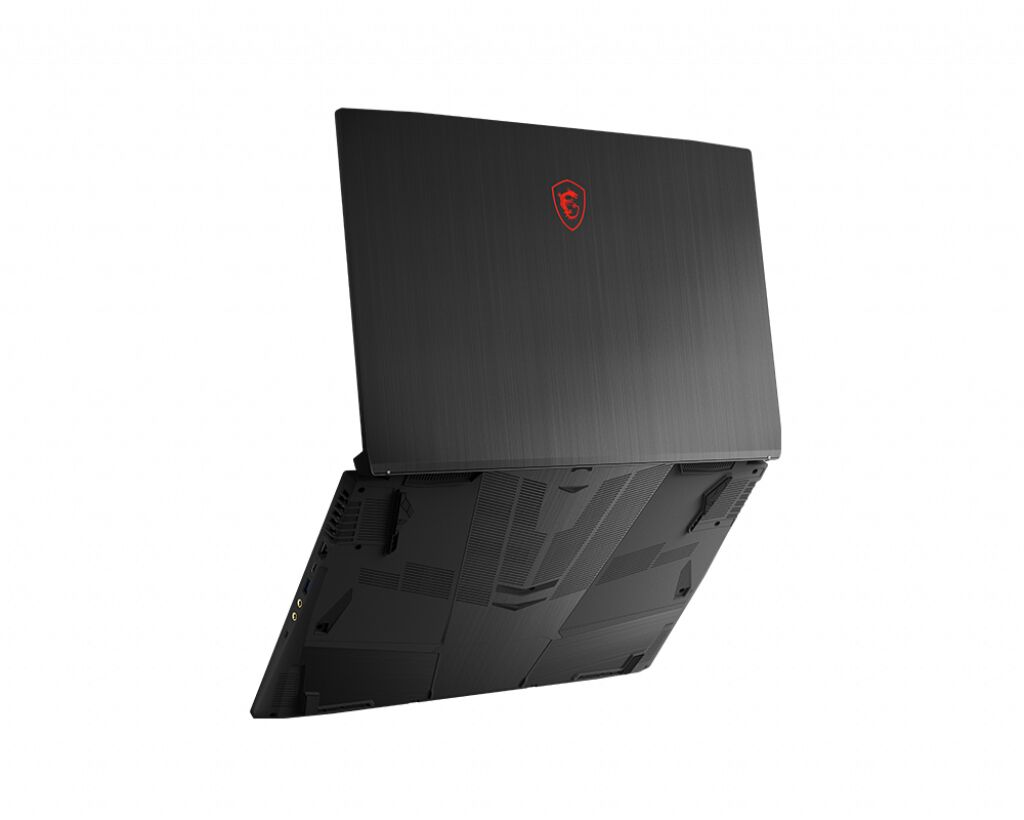
The MSI GF75 9SCXR-286IT Thin gaming laptop features DDR4-SDRAM memory with two SO-DIMM slots for upgrade capability. Maximum memory capacity reaches 64 GB total RAM, operating at 2666 MHz frequency. Compatible DDR4 SO-DIMM modules can be installed to expand system memory. Specifications support memory upgrade from baseline configuration to maximum supported capacity through accessible memory slots. The GF series gaming model accommodates standard laptop SO-DIMM form factor RAM for performance enhancement.
Memory Upgrade Specifications
| Specification | Value |
|---|---|
| Memory slots | 2x SO-DIMM |
| Form factor | SO-DIMM |
| Memory type | DDR4-SDRAM |
| Frequency | 2666 MHz |
| Maximum RAM | 64 GB |
| Voltage | 1.2V |
| Number of pins | 260-pin |
| Interface | PC4 |
| PC Speed Rating | PC4-2666 (PC4-21328) |
| Bandwidth | 21.3 GB/s |
| Laptop Release date | 23 June 2020 |
Additional Notes
- Dual channel memory architecture requires installing matched pairs of modules to achieve maximum theoretical data transfer rates and reduce memory controller overhead.
- The MSI GF75 9SCXR-286IT Thin relies on 260 pin physical interfaces which preclude the use of desktop modules or older DDR3 hardware.
- Populating the motherboard with 32 GB modules in each of the 2 available slots is necessary to reach the maximum supported system memory ceiling.
- Installing modules with frequencies higher than 2666 MHz results in automatic downclocking to match the native speed of the internal memory controller.
- Accessing the SO-DIMM slots involves removing the base panel which may require breaking a factory seal depending on regional warranty policies regarding internal maintenance.
- The absence of soldered memory on this platform ensures that total system RAM is fully replaceable if a single module fails.
- Latencies remain constrained by the JEDEC standard for the 9th generation chipset which affects real world bandwidth in memory intensive tasks.