MSI Gaming GF75 9SD-023UK Thin RAM upgrade specifications


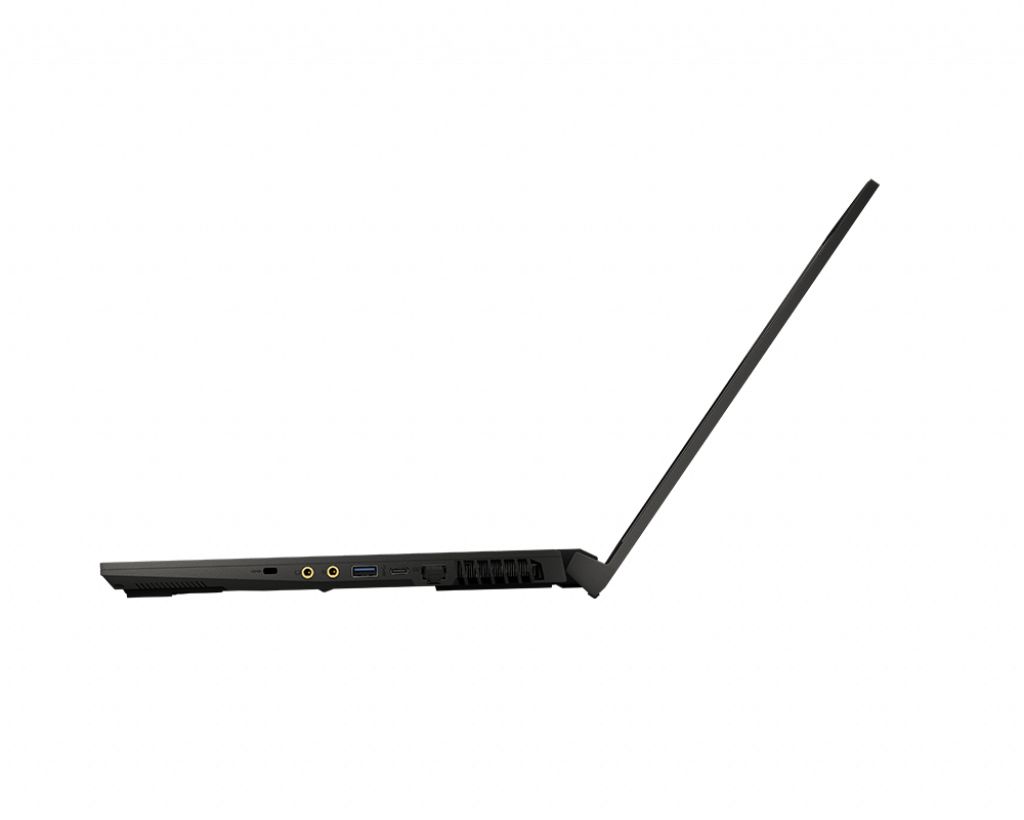
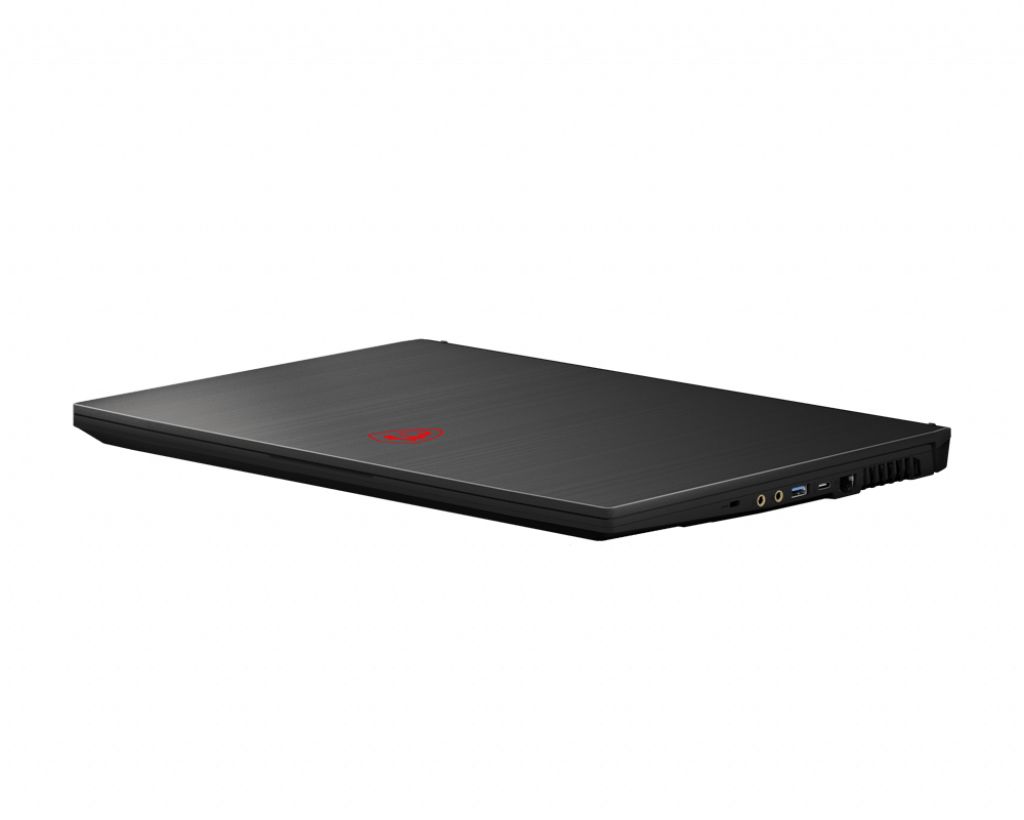
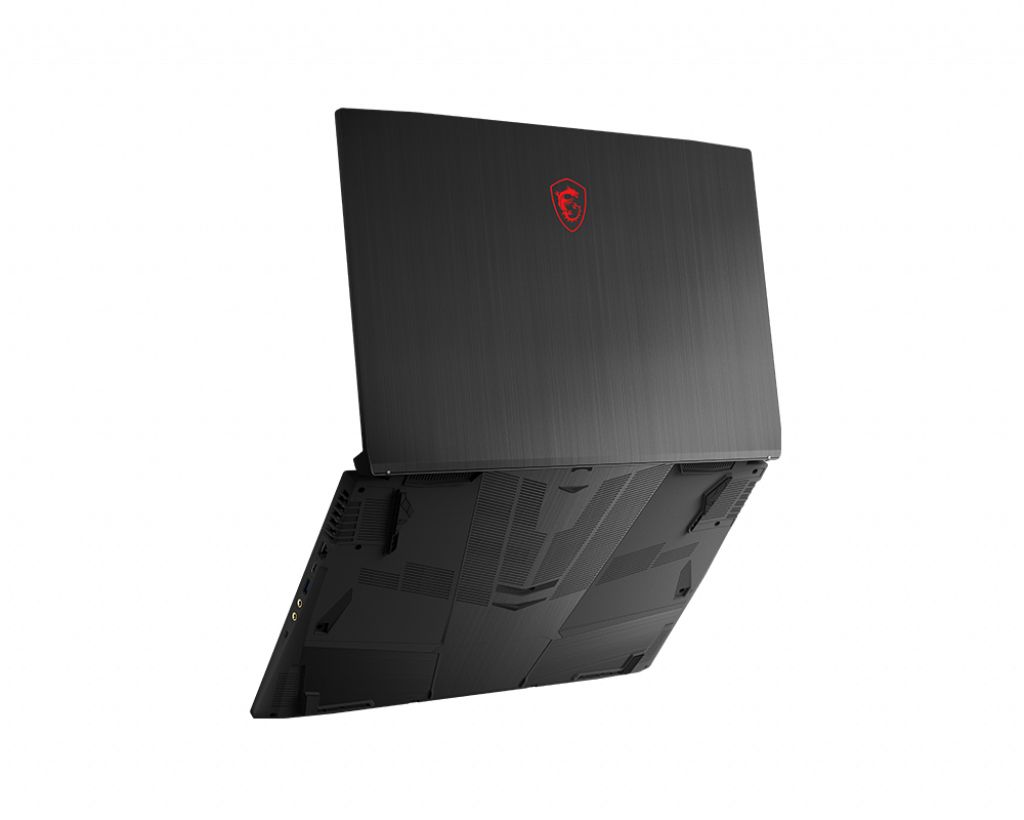
The MSI GF75 9SD-023UK Thin gaming laptop features DDR4-SDRAM memory with two SO-DIMM slots supporting maximum capacity of 64 GB total. Compatible RAM upgrades operate at 2666 MHz frequency. Current specifications allow for memory expansion through the available SO-DIMM slots. The GF series gaming model supports DDR4 memory modules for enhanced system performance and multitasking capabilities.
Memory Upgrade Specifications
| Specification | Value |
|---|---|
| Memory slots | 2x SO-DIMM |
| Form factor | SO-DIMM |
| Memory type | DDR4-SDRAM |
| Frequency | 2666 MHz |
| Maximum RAM | 64 GB |
| Voltage | 1.2V |
| Number of pins | 260-pin |
| Interface | PC4 |
| PC Speed Rating | PC4-2666 (PC4-21328) |
| Bandwidth | 21.3 GB/s |
| Laptop Release date | 21 September 2019 |
Additional Notes
- The MSI GF75 9SD-023UK Thin chipset architecture enforces a 64 GB ceiling, preventing future expansion beyond this threshold regardless of individual module density increases.
- DDR4-2666 represents a JEDEC standard speed tier, ensuring broad compatibility with aftermarket modules without requiring XMP profile configuration.
- Dual-channel architecture mandates matched pair installation for optimal memory bandwidth, as asymmetric configurations force single-channel operation with approximately 50% throughput reduction.
- SO-DIMM form factor restricts module height to 30 mm, eliminating compatibility concerns related to heatspreader clearance common in desktop UDIMM installations.
- Native 2666 MHz operation occurs at 1.2V, while faster modules rated for 3200 MHz will automatically downclock to match the system's supported frequency without manual intervention.
- The 2-slot configuration creates a binary upgrade scenario where partial capacity increases require discarding existing modules rather than adding supplementary sticks.
- Memory controller voltage regulation remains locked at JEDEC specifications, preventing manual timing adjustments that could improve latency at identical frequencies.
- Thermal constraints within the thin chassis design place passive cooling dependency on ambient airflow, as SO-DIMM modules lack dedicated heat dissipation mechanisms.
- Warranty preservation requires non-invasive installation without breaking factory seals on adjacent components, though memory access typically remains isolated from primary warranty barriers.
- Mixed-brand installations remain viable provided voltage and timing specifications align, though identical IC manufacturers reduce potential stability discrepancies during high-load scenarios.