MSI Gaming GF76 12UC-024XFR Katana RAM upgrade specifications


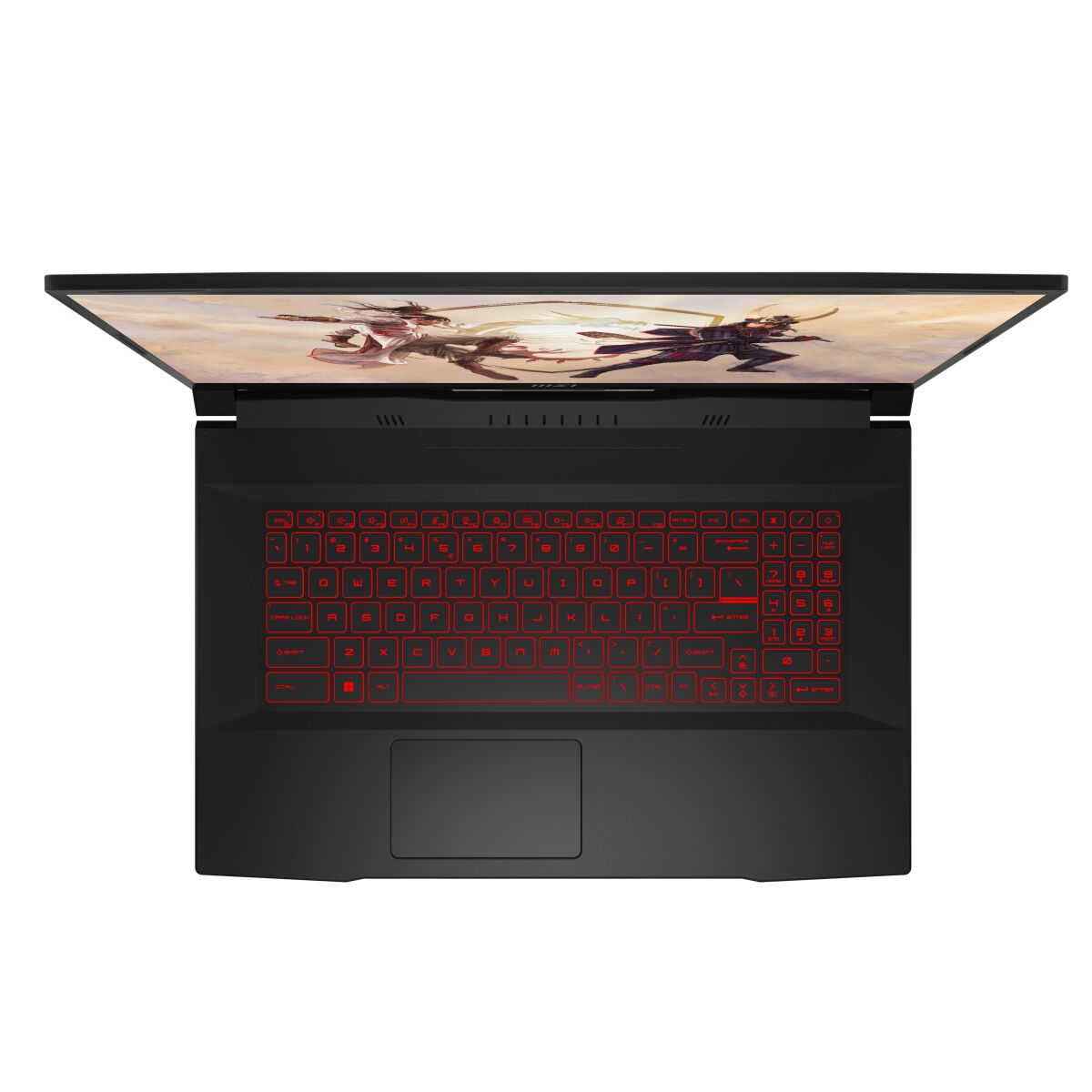
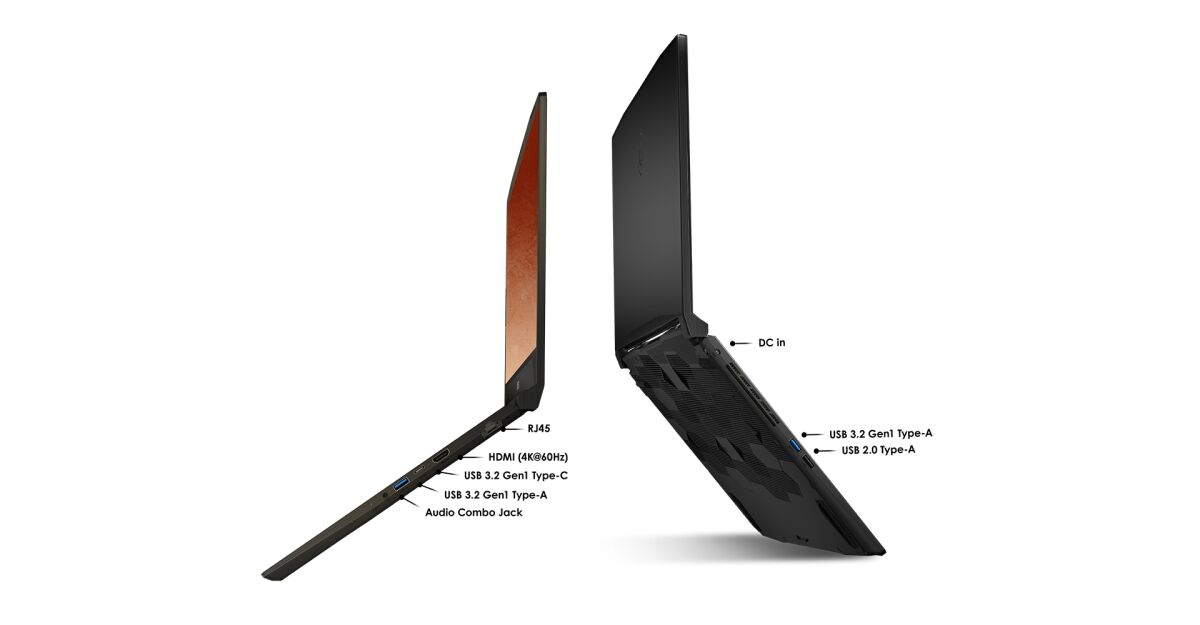
MSI GF76 12UC-024XFR Katana gaming laptop supports DDR4-SDRAM memory upgrades with 2x SO-DIMM slots. Maximum RAM capacity reaches 64 GB total, operating at 3200 MHz frequency. Compatible memory modules use SO-DIMM form factor. Upgrade specifications enable expansion from factory configuration to support enhanced multitasking and performance requirements. Specifications listed represent maximum compatible memory capacity for this MSI Gaming GF series model.
Memory Upgrade Specifications
| Specification | Value |
|---|---|
| Memory slots | 2x SO-DIMM |
| Form factor | SO-DIMM |
| Memory type | DDR4-SDRAM |
| Frequency | 3200 MHz |
| Maximum RAM | 64 GB |
| Voltage | 1.2V |
| Number of pins | 260-pin |
| Interface | PC4 |
| PC Speed Rating | PC4-3200 (PC4-25600) |
| Bandwidth | 25.6 GB/s |
| Laptop Release date | 31 December 2021 |
Additional Notes
- The MSI GF76 12UC-024XFR Katana contains 2 SO-DIMM slots, which means maximum capacity expansion requires replacement rather than addition of existing modules, as no third slot exists for supplementary installation.
- DDR4-3200 memory operates at a frequency substantially lower than DDR5 alternatives, creating a potential performance gap when pairing with 12th-generation Intel processors that natively support DDR5 memory controllers.
- The 64 GB maximum capacity ceiling implies that memory-intensive workloads such as 3D rendering, virtual machine hosting, or large dataset processing may encounter constraints earlier than systems with higher theoretical limits.
- SO-DIMM form factor limits upgrade sourcing to laptop-specific modules rather than desktop DDR4 inventory, typically resulting in higher per-gigabyte pricing and reduced availability in standard retail channels.
- Upgrading from factory-installed modules to 64 GB total requires matching both frequency specification and timing parameters precisely, as mismatched secondary timings can trigger POST failures or memory instability despite identical primary frequency ratings.
- The 2-slot architecture provides no redundancy option for fault tolerance; a single module failure renders the system non-functional until replacement occurs, unlike higher slot-count configurations that permit single-module operation.