MSI Gaming KATANA GF66 12UC-456XES RAM upgrade specifications
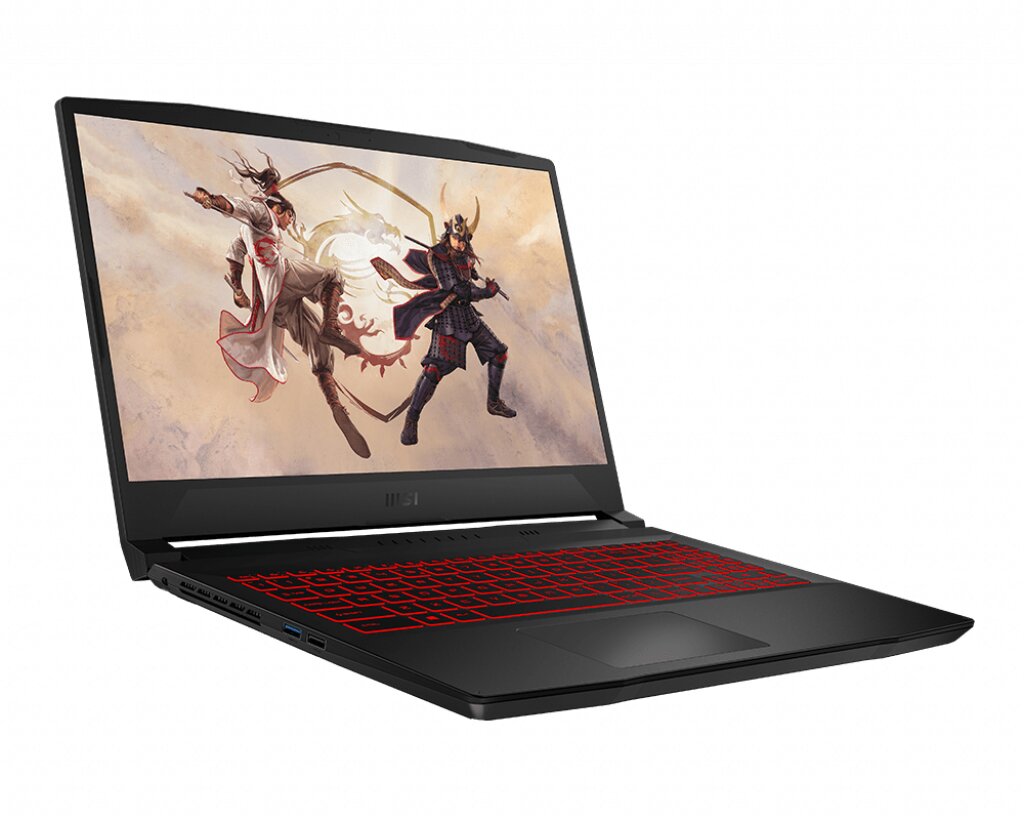
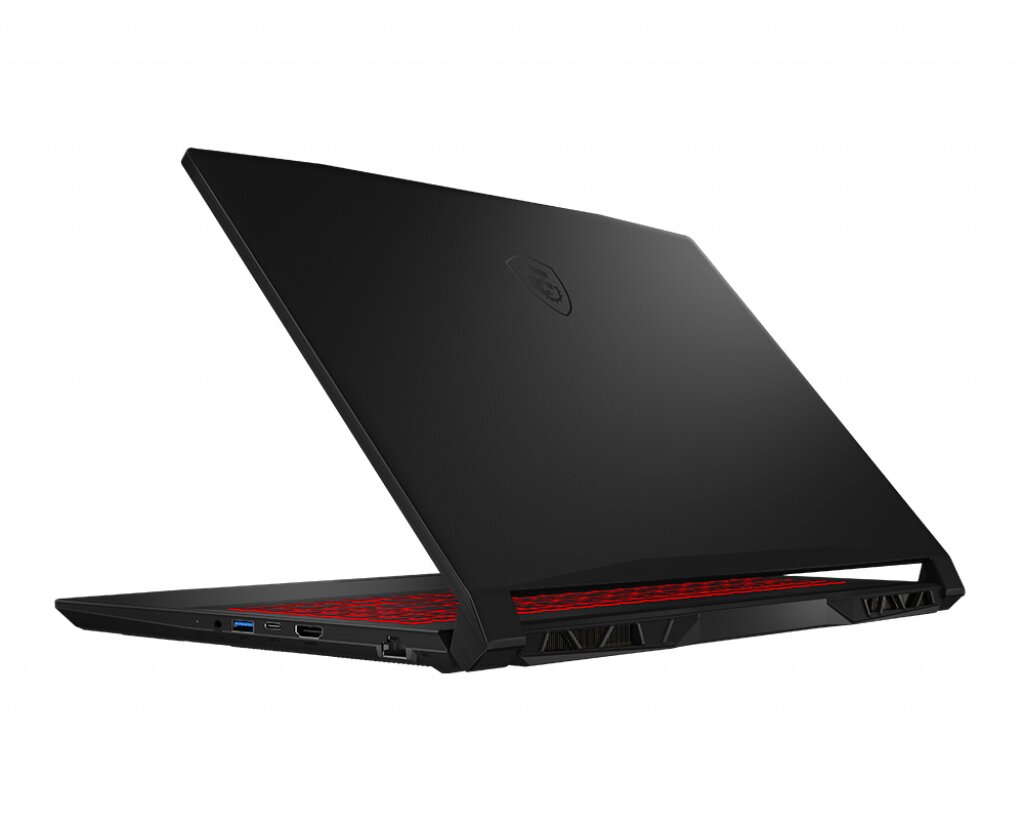
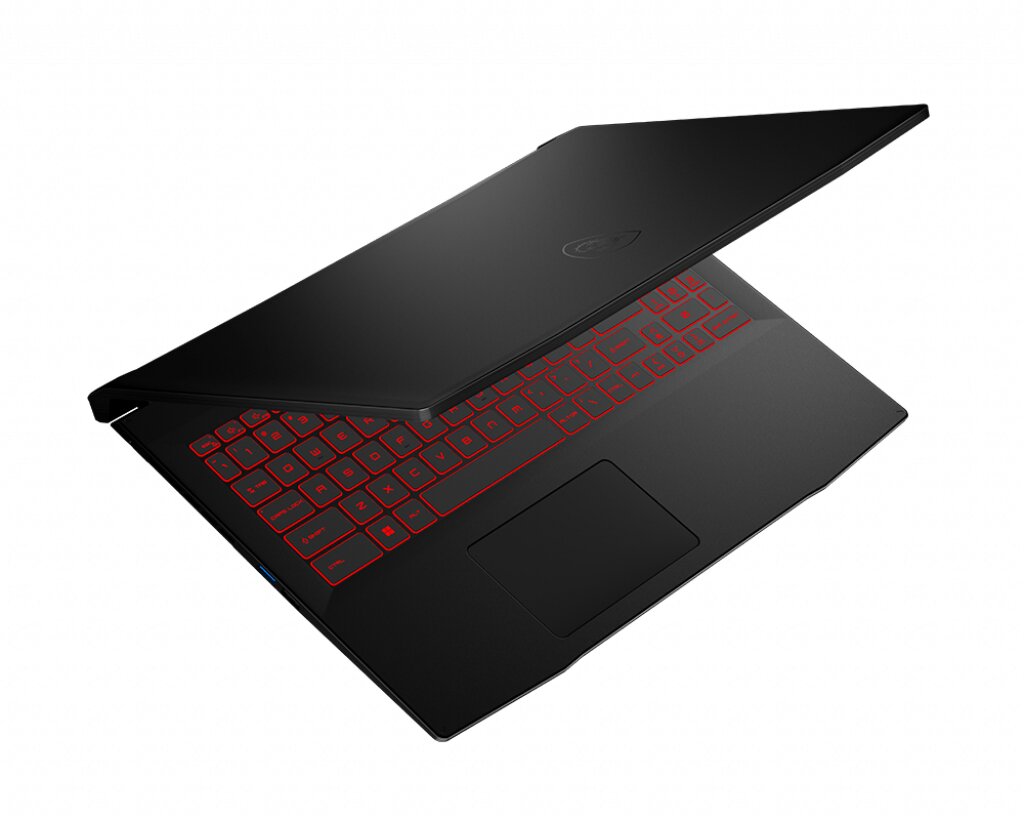
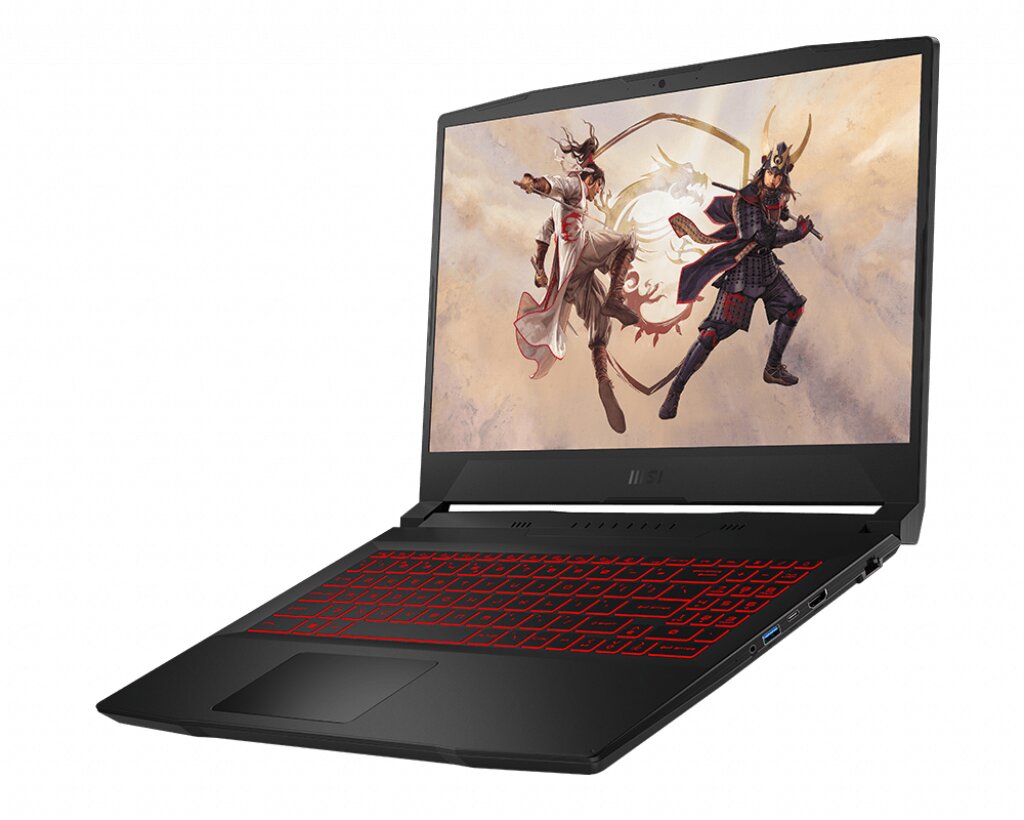
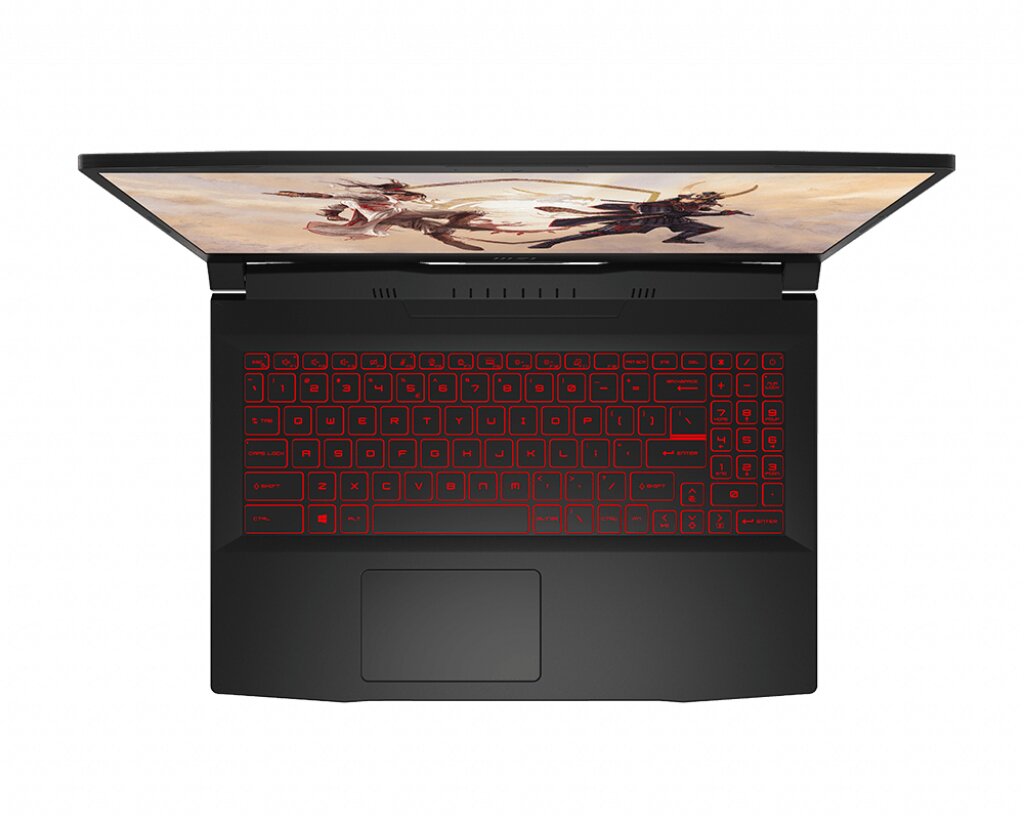
The MSI KATANA GF66 12UC-456XES Gaming series laptop features DDR4-SDRAM memory configuration with two SO-DIMM slots for RAM upgrade capabilities. The specifications support maximum memory capacity of 64 GB total, operating at 3200 MHz frequency. Compatible upgrades utilize SO-DIMM form factor modules, allowing users to expand the laptop's memory beyond factory-installed capacity. The dual-slot design enables flexible upgrade options through single or dual module installations to reach maximum RAM specifications.
Memory Upgrade Specifications
| Specification | Value |
|---|---|
| Memory slots | 2x SO-DIMM |
| Form factor | SO-DIMM |
| Memory type | DDR4-SDRAM |
| Frequency | 3200 MHz |
| Maximum RAM | 64 GB |
| Voltage | 1.2V |
| Number of pins | 260-pin |
| Interface | PC4 |
| PC Speed Rating | PC4-3200 (PC4-25600) |
| Bandwidth | 25.6 GB/s |
| Laptop Release date | 28 October 2022 |
Additional Notes
- The MSI KATANA GF66 12UC-456XES supports dual-channel memory architecture through its 2 SO-DIMM slots, enabling up to double the memory bandwidth compared to single-channel configurations when matched modules are installed.
- DDR4-3200 operates at PC4-25600 standard, delivering 25.6 GB/s theoretical bandwidth per channel, which totals 51.2 GB/s in dual-channel mode.
- The 64 GB maximum capacity requires 2x32GB modules, which are less commonly available and typically more expensive per gigabyte than lower-density options like 2x16GB kits.
- SO-DIMM modules measure 67.6mm in length, substantially shorter than standard desktop DIMM modules, preventing any cross-compatibility between laptop and desktop memory formats.
- DDR4-3200 modules with higher speeds such as 3600 MHz or 4000 MHz will downclock to 3200 MHz due to chipset and processor memory controller limitations on this platform.
- Memory upgrades require accessing the bottom panel of the chassis, which typically involves removing multiple screws and potentially breaking manufacturer warranty seals depending on regional warranty policies.
- Mixing modules with different densities, speeds, or timings may force the system to operate all memory at the lowest common specifications, potentially degrading performance below rated 3200 MHz speeds.
- DDR4 operates at 1.2V standard voltage, with certain XMP profiles requiring 1.35V, though laptop platforms often lack BIOS options to manually configure voltage or advanced timing parameters.
- Single-rank versus dual-rank module architecture affects memory interleaving and can impact performance in memory-intensive applications by up to 10-15% in certain workloads.
- The 3200 MHz frequency represents the JEDEC standard speed supported without overclocking profiles, ensuring compatibility across different module manufacturers without requiring XMP enablement.