MSI Gaming KATANA GF66 12UE-203PT RAM upgrade specifications

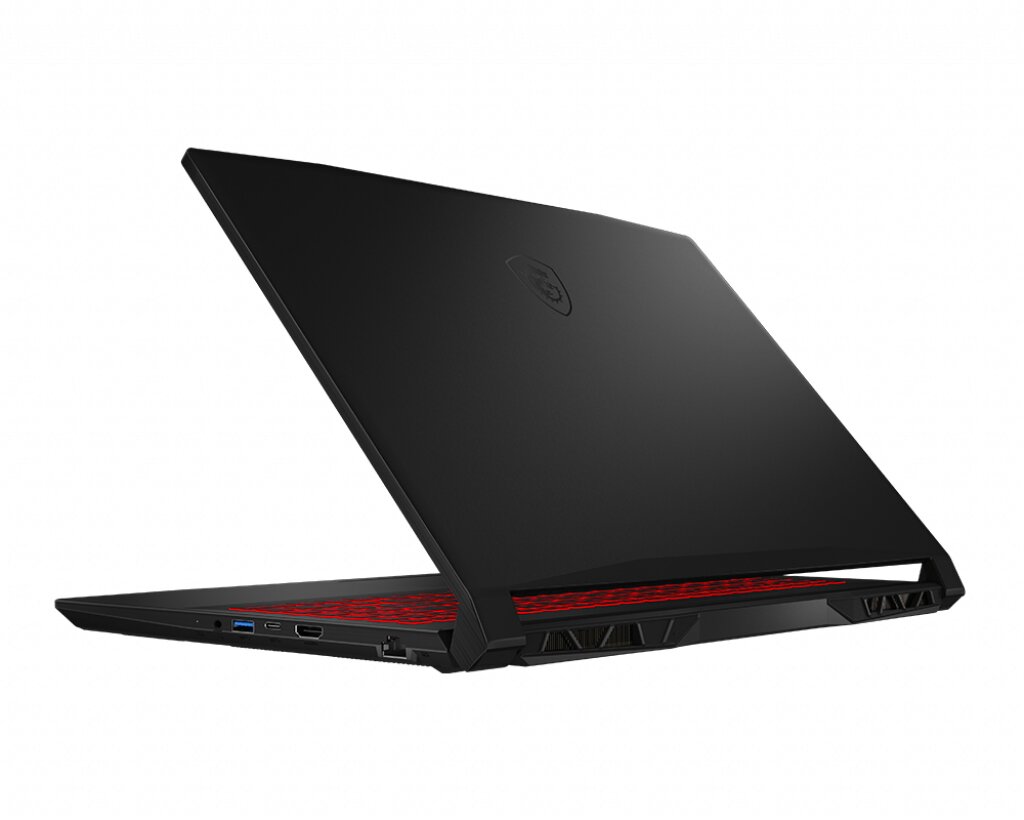
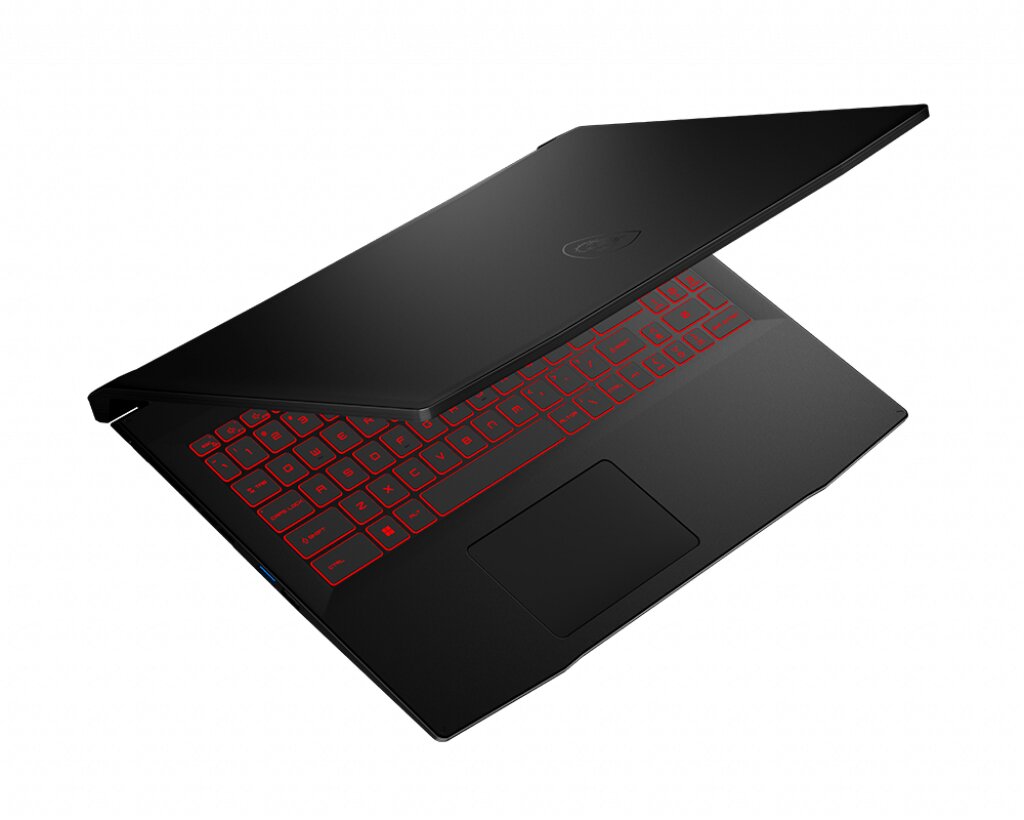
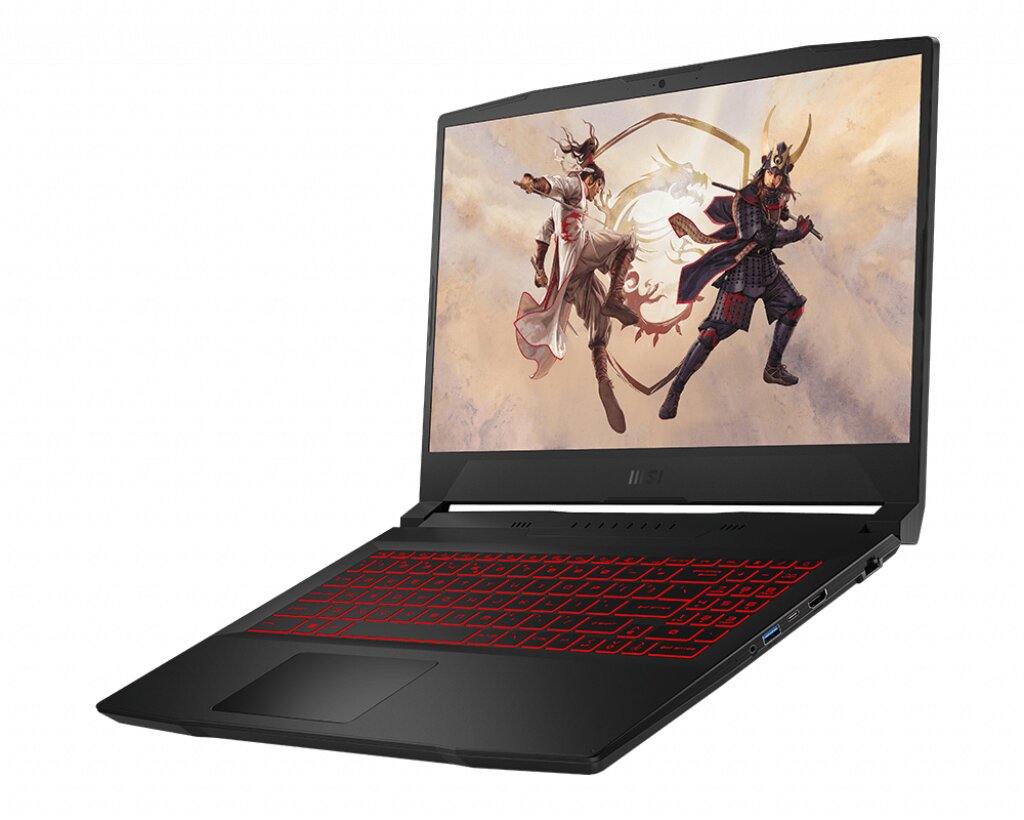
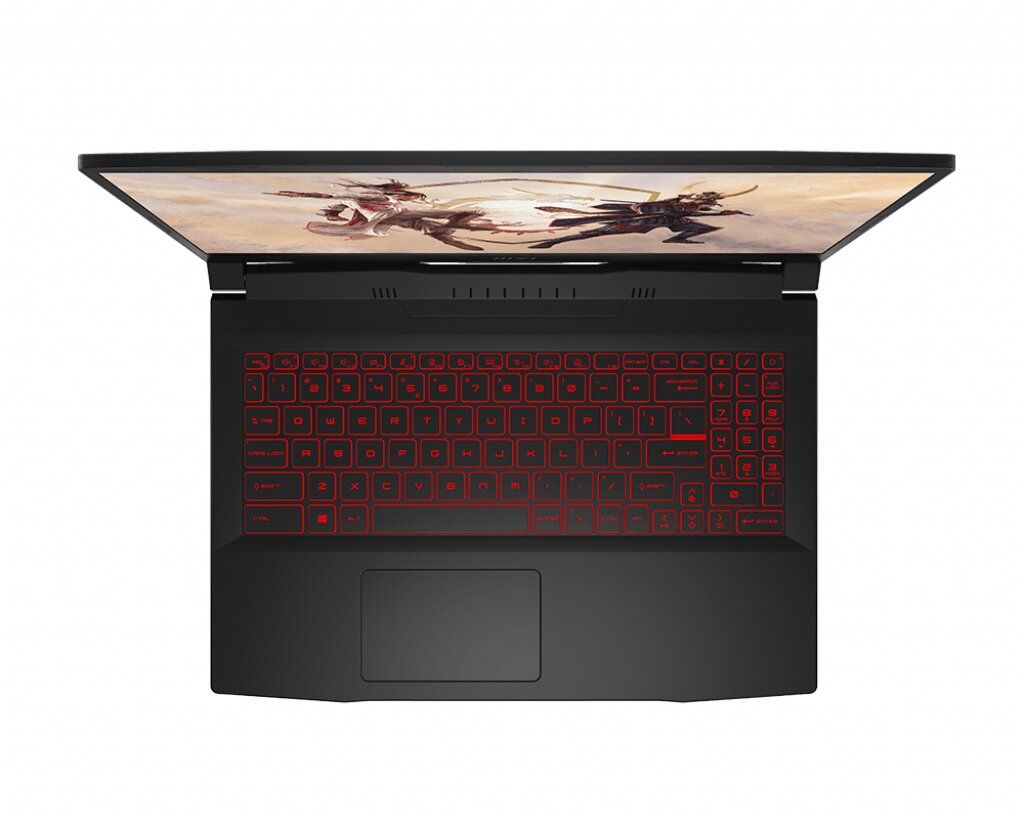
MSI KATANA GF66 12UE-203PT gaming laptop memory upgrade specifications include two SO-DIMM slots supporting DDR4-SDRAM memory modules. Maximum RAM capacity reaches 64 GB total. Compatible memory operates at 3200 MHz frequency. Upgrade configurations allow installation of additional or replacement memory modules within the two available slots to enhance system performance and multitasking capabilities.
Memory Upgrade Specifications
| Specification | Value |
|---|---|
| Memory slots | 2x SO-DIMM |
| Form factor | SO-DIMM |
| Memory type | DDR4-SDRAM |
| Frequency | 3200 MHz |
| Maximum RAM | 64 GB |
| Voltage | 1.2V |
| Number of pins | 260-pin |
| Interface | PC4 |
| PC Speed Rating | PC4-3200 (PC4-25600) |
| Bandwidth | 25.6 GB/s |
| Laptop Release date | 28 October 2022 |
Additional Notes
- The MSI KATANA GF66 12UE-203PT contains 2 SO-DIMM slots operating in dual-channel configuration, meaning memory bandwidth reaches full capacity only when both slots are populated with matched modules.
- DDR4-3200 MHz specification aligns with 12th-generation Intel Core processors, but actual achievable frequency depends on BIOS settings and may operate lower if mismatched module speeds are installed.
- SO-DIMM form factor limits upgrade options to laptop-specific modules; standard desktop DDR4 DIMMs are physically incompatible and will not seat in the available slots.
- Single-module upgrades to 64 GB capacity require installing a 64 GB SO-DIMM in one slot, leaving the second slot empty and forcing single-channel memory operation, reducing bandwidth by approximately 50 percent compared to dual-channel configuration.
- Warranty preservation during RAM upgrade typically allows user-performed memory installation without voiding coverage, provided no physical damage occurs to the module connectors or slot contacts during installation.
- Thermal constraints in gaming laptops may reduce performance gains from maximum capacity upgrades if the BIOS power profile simultaneously increases power draw beyond stock thermal design limits.
- Memory timings and voltage specifications (typically 1.2 V for DDR4-3200) must match the OEM configuration to avoid stability issues; mixing modules with different latency profiles can cause system instability despite identical frequency ratings.