MSI Gaming KATANA GF76 11UG-497AU RAM upgrade specifications



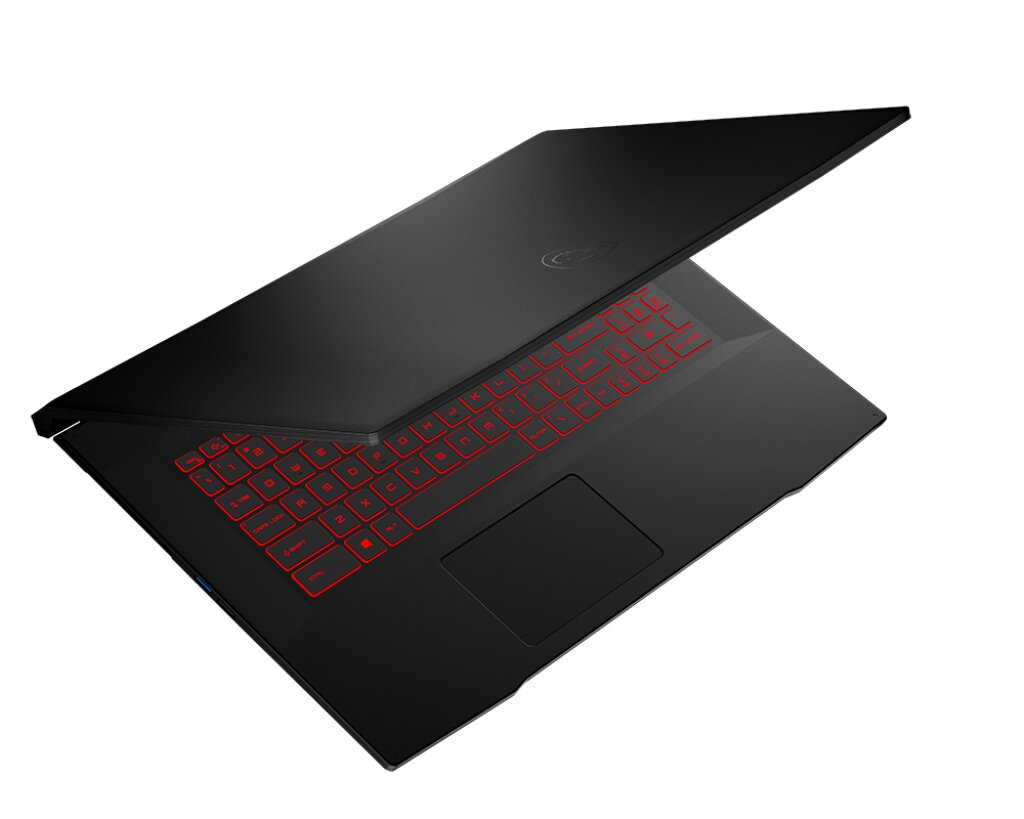
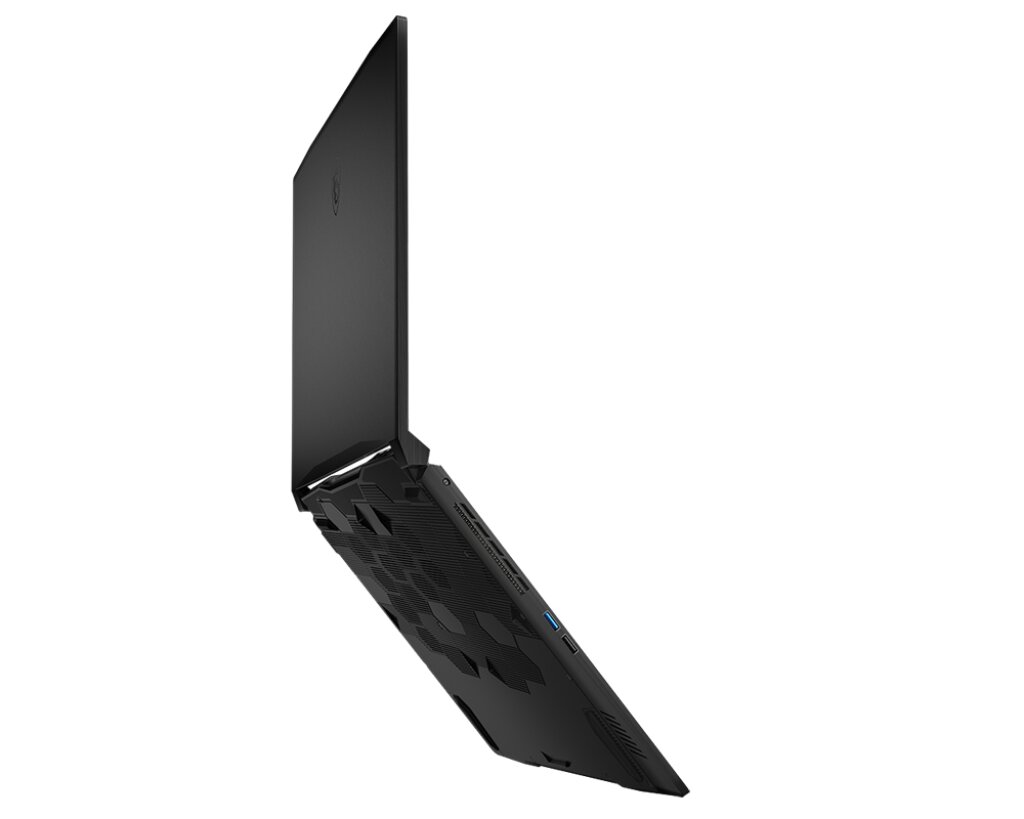
MSI KATANA GF76 11UG-497AU gaming laptop features DDR4-SDRAM memory upgrade capabilities. The system contains 2x SO-DIMM slots supporting maximum RAM capacity of 64 GB. Compatible memory specifications include DDR4 modules operating at 3200 MHz frequency. Upgrade options allow installation of additional or replacement SO-DIMM memory modules to enhance system performance. The GF series gaming platform supports specifications standard to DDR4-SDRAM technology for RAM expansion.
Memory Upgrade Specifications
| Specification | Value |
|---|---|
| Memory slots | 2x SO-DIMM |
| Form factor | SO-DIMM |
| Memory type | DDR4-SDRAM |
| Frequency | 3200 MHz |
| Maximum RAM | 64 GB |
| Voltage | 1.2V |
| Number of pins | 260-pin |
| Interface | PC4 |
| PC Speed Rating | PC4-3200 (PC4-25600) |
| Bandwidth | 25.6 GB/s |
| Laptop Release date | 28 February 2023 |
Additional Notes
- Utilizing twin SO-DIMM slots allows the system to operate in a dual-channel configuration which doubles the memory bandwidth compared to single-channel setups.
- The maximum capacity of 64 GB requires the installation of 2 matched 32 GB modules as the architecture does not support higher density single sticks.
- Operating at 3200 MHz on the MSI Katana GF76 11UG-497AU ensures optimal synchronization with the processor memory controller to minimize latency bottlenecks during high-load gaming scenarios.
- Physical installation of memory necessitates bottom panel removal which requires careful handling of the factory seal to maintain warranty compliance in specific regions.
- Mixing modules with different timings or ranks may result in the system downclocking to the lowest common denominator or failing to POST due to SPD training errors.
- The DDR4-SDRAM architecture limits future scalability to newer DDR5 standards because the pin configurations and voltage requirements are physically and electrically incompatible.
- Internal thermal management depends on thin heat spreaders for RAM modules as excessive component height will interfere with the chassis closure or airflow pathways.