MSI Gaming KATANA GF76 12UC-426FR RAM upgrade specifications
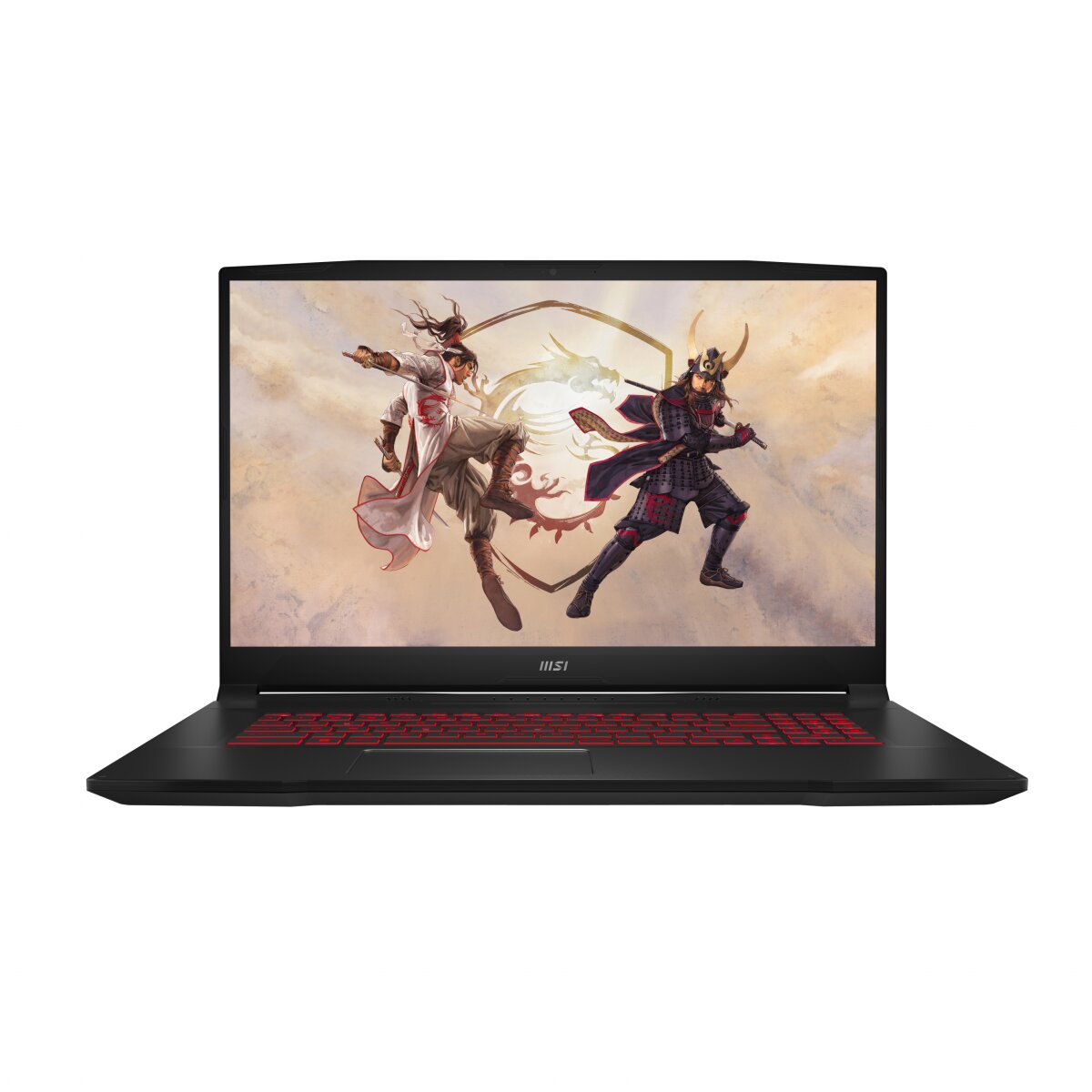
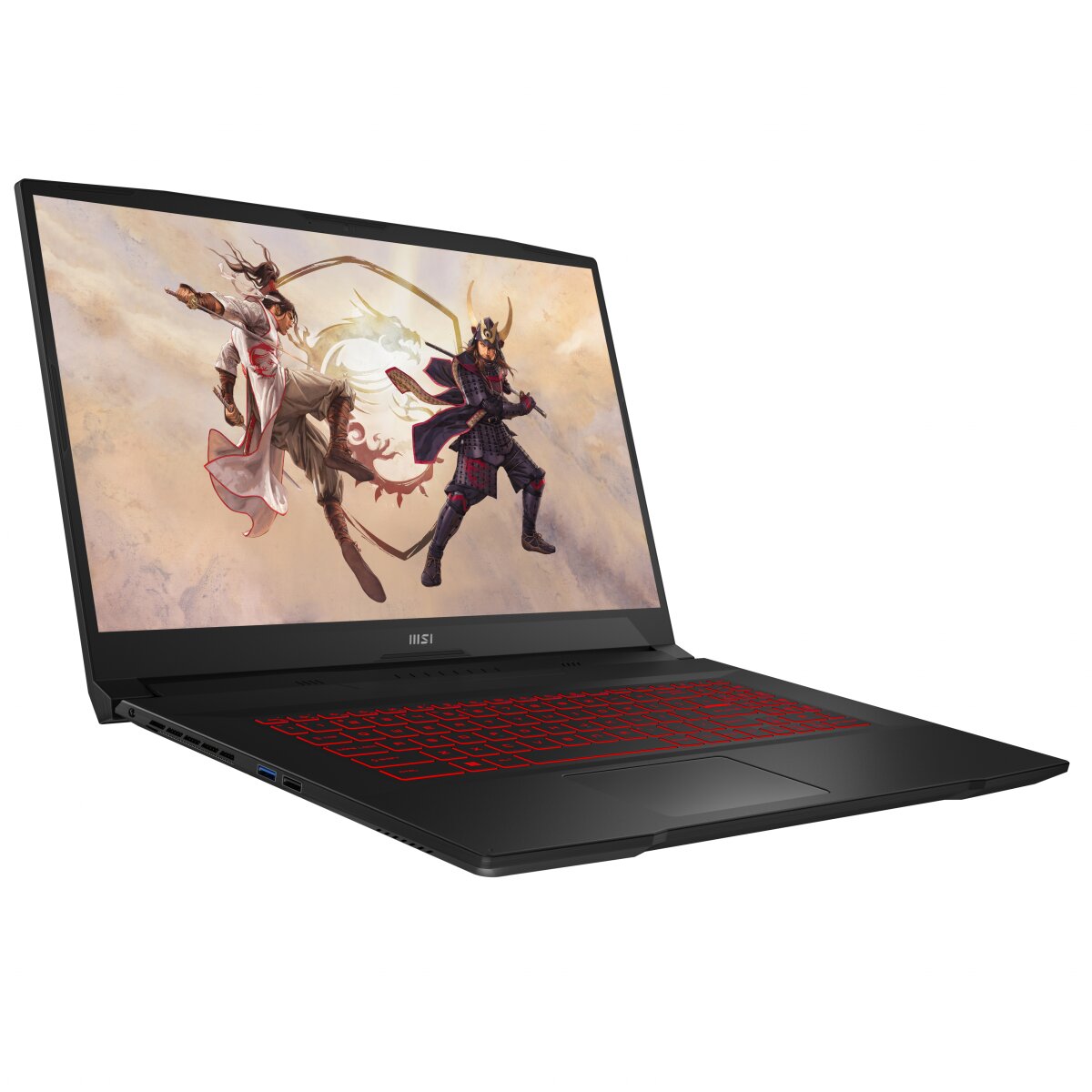
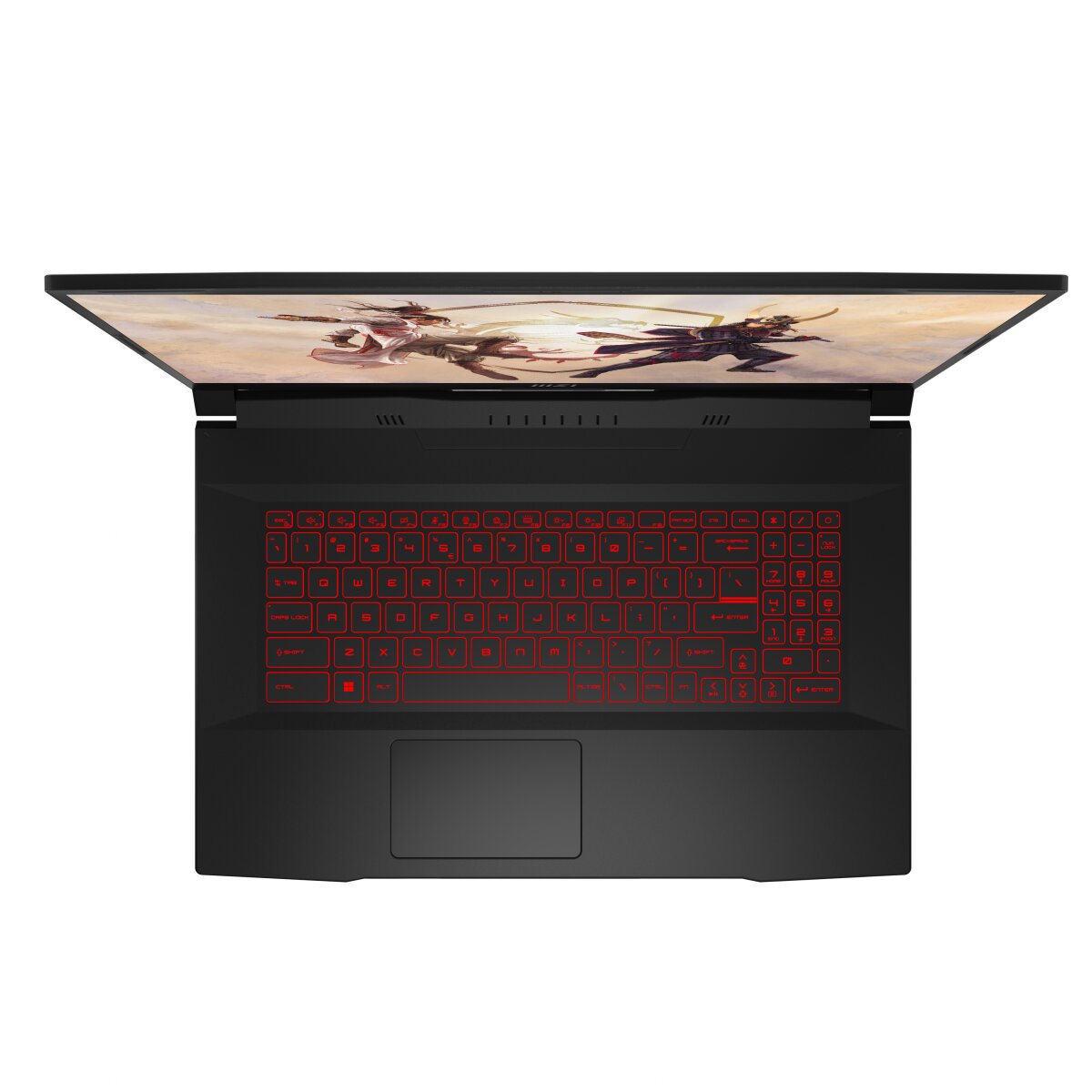
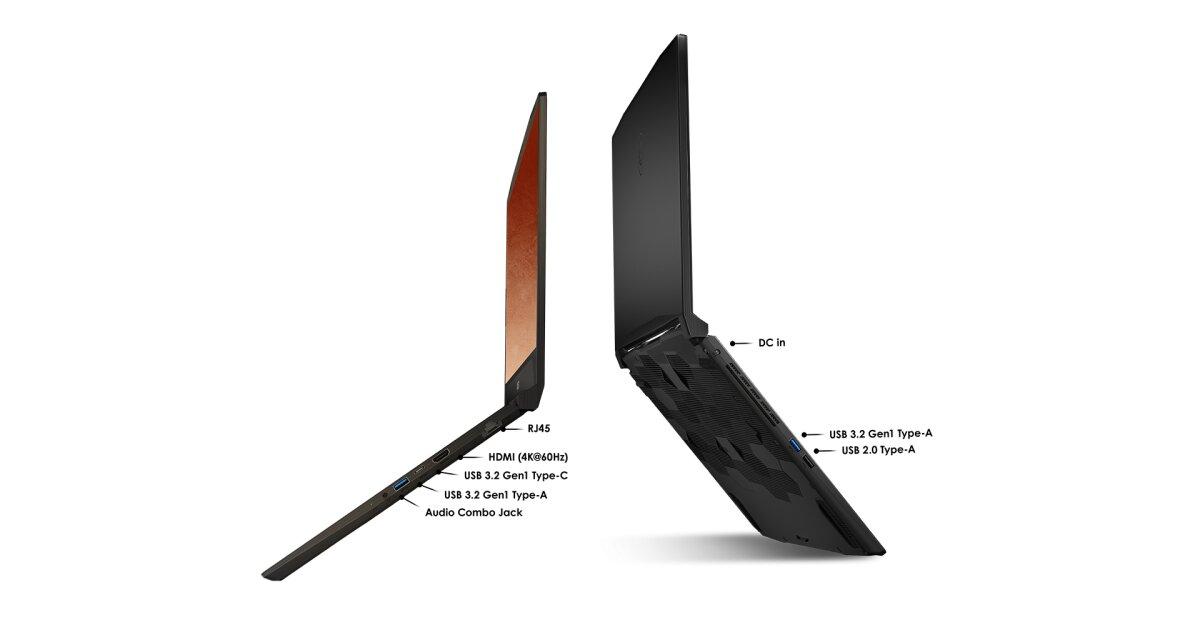
MSI KATANA GF76 12UC-426FR gaming laptop RAM upgrade specifications include two SO-DIMM slots supporting DDR4-SDRAM memory. The upgrade capacity reaches maximum 64 GB total memory at 3200 MHz frequency. Compatible DDR4 modules install in dual slots for memory expansion. Specifications define the memory upgrade path for the KATANA GF76 series gaming platform.
Memory Upgrade Specifications
| Specification | Value |
|---|---|
| Memory slots | 2x SO-DIMM |
| Form factor | SO-DIMM |
| Memory type | DDR4-SDRAM |
| Frequency | 3200 MHz |
| Maximum RAM | 64 GB |
| Voltage | 1.2V |
| Number of pins | 260-pin |
| Interface | PC4 |
| PC Speed Rating | PC4-3200 (PC4-25600) |
| Bandwidth | 25.6 GB/s |
| Laptop Release date | 10 July 2023 |
Additional Notes
- The MSI KATANA GF76 12UC-426FR accepts only SO-DIMM modules, a laptop-specific form factor incompatible with desktop DDR4 DIMMs. Standard desktop memory cannot be physically installed regardless of capacity matching.
- DDR4-3200 specification aligns with 12th generation Intel mobile processors' native memory controller capability. Higher frequency modules (DDR4-3600 or DDR4-4800) will downclock to 3200 MHz, eliminating the financial benefit of premium-speed purchases.
- The 2-slot architecture requires complete module replacement to reach 64 GB capacity. Upgrading from a single 8 GB factory stick demands removal and replacement of the existing module rather than additive expansion, creating disposal obligations for the original component.
- 64 GB maximum capacity on a 2-slot platform necessitates 32 GB modules per slot. Production volumes for 32 GB SO-DIMMs remain lower than 16 GB alternatives, typically resulting in pricing premiums of 15-25 percent relative to equivalent 16 GB configurations.
- DDR4 SO-DIMM supply chain constraints have intensified following market transition to DDR5. Sourcing warranty-compliant or OEM-validated DDR4-3200 modules may require extended lead times or vendor-specific channels rather than retail availability.
- Latency characteristics (CAS timing) become consequential at the 64 GB threshold due to memory bandwidth saturation in demanding gaming workloads. CAS 16 versus CAS 22 modules produce measurable frame rate variance under sustained GPU load, despite identical frequency ratings.