MSI Gaming GL63 8SDK-487XRU RAM upgrade specifications
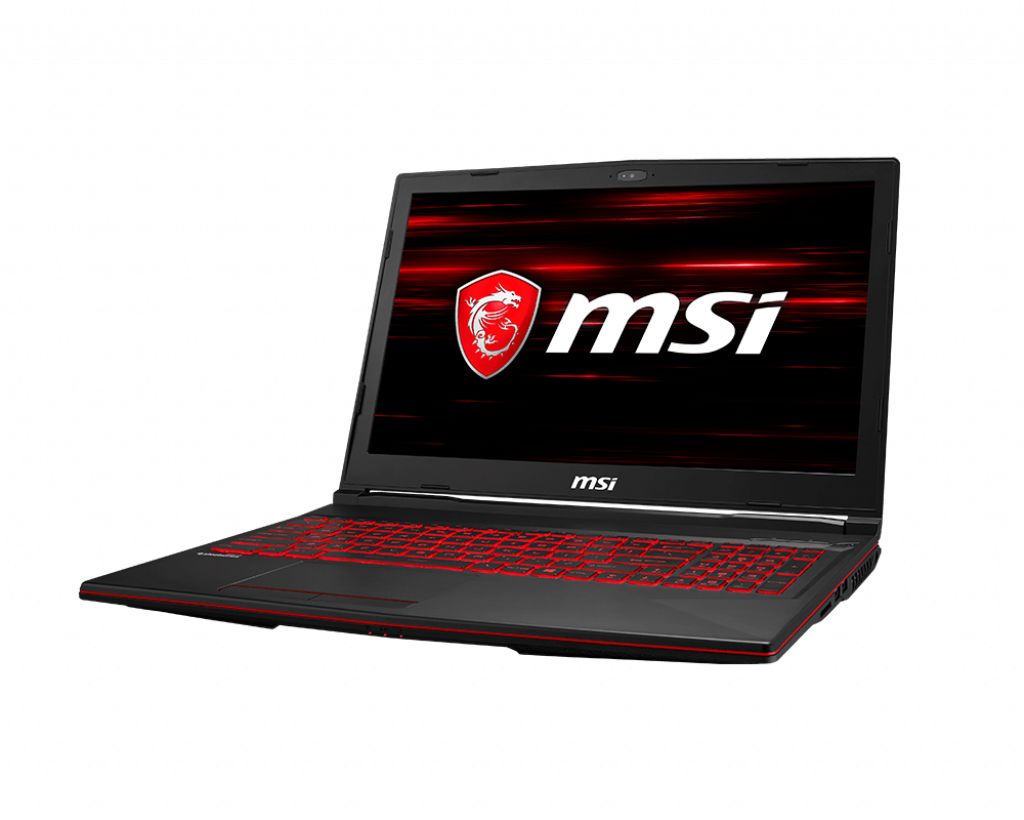
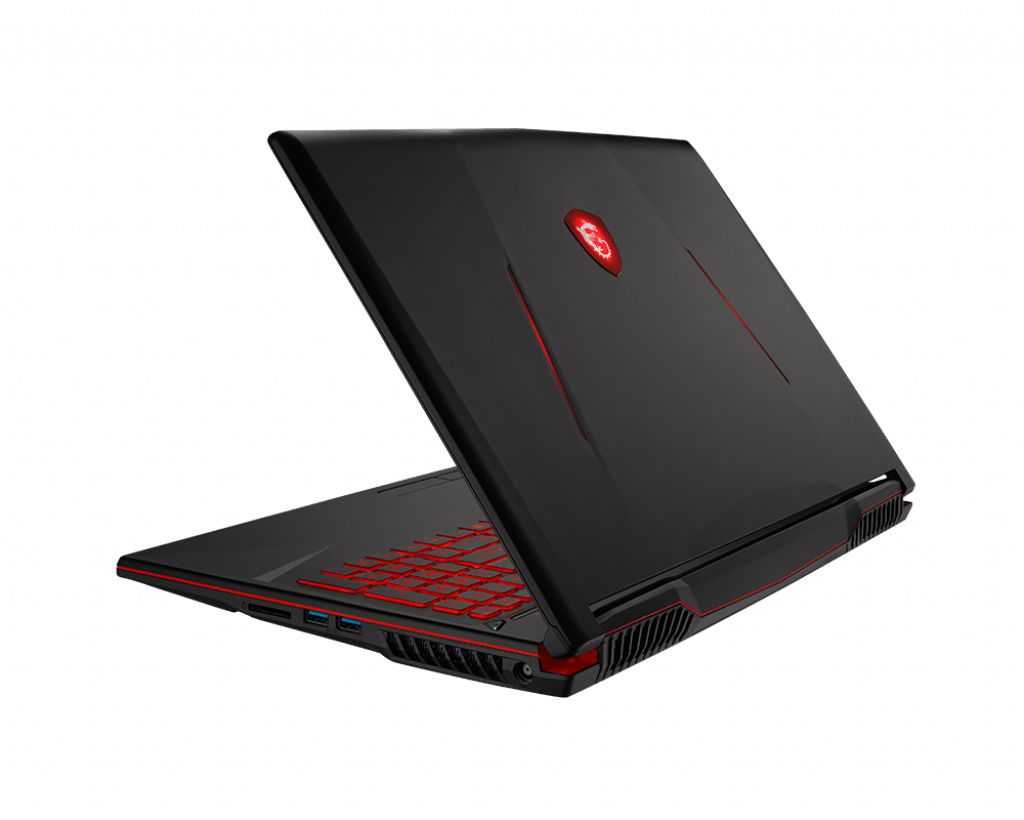
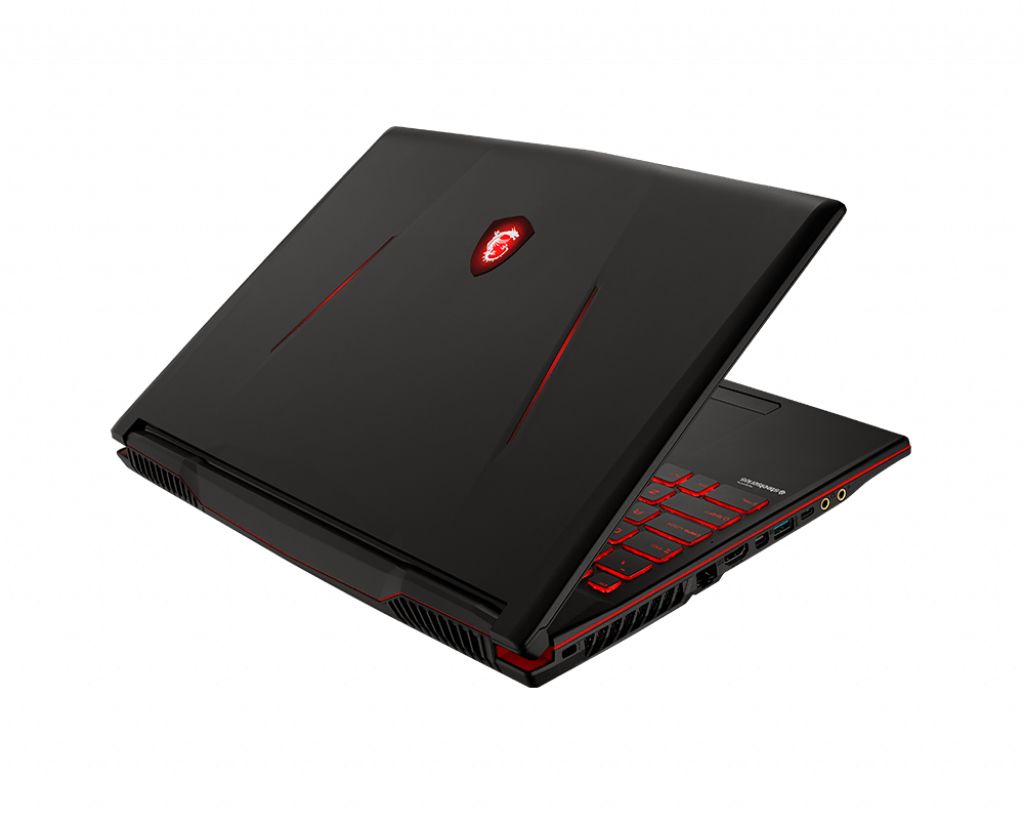
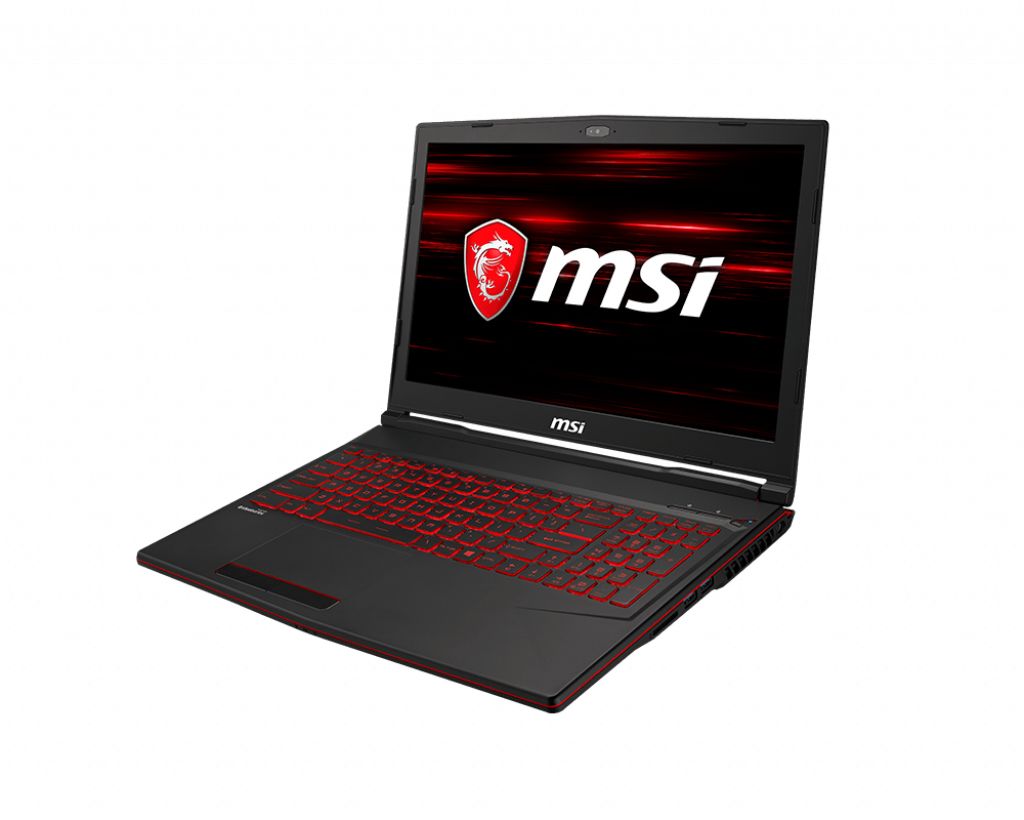
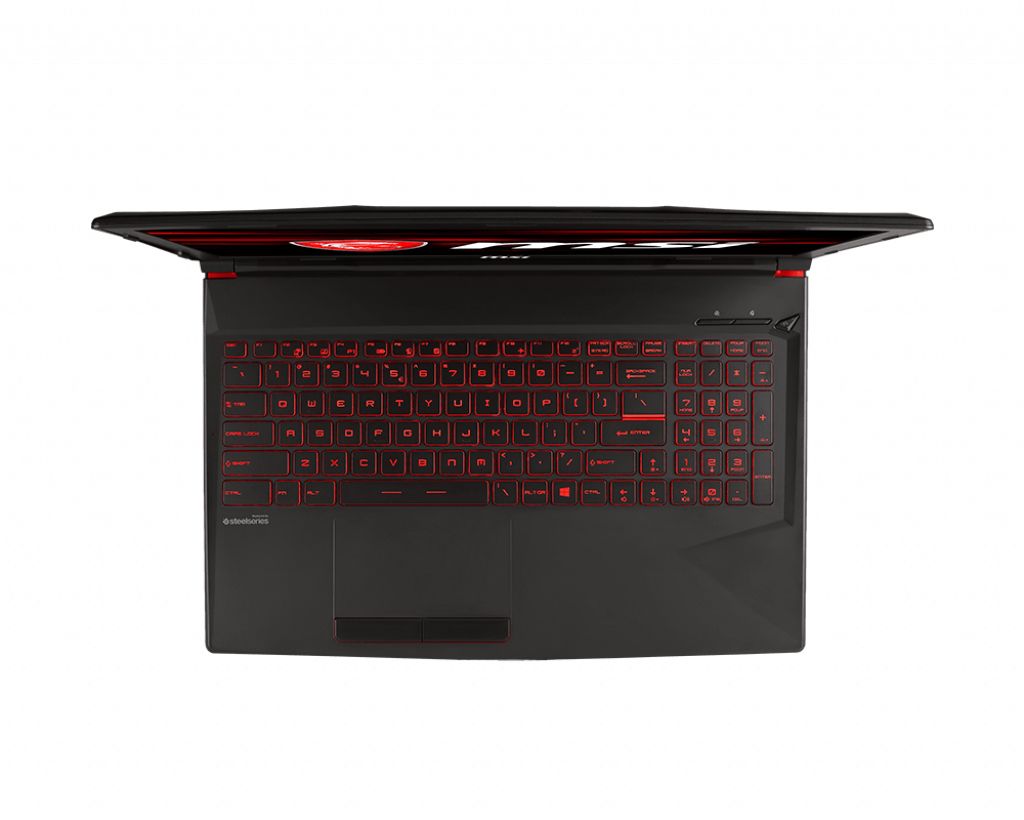
MSI GL63 8SDK-487XRU gaming laptop features DDR4-SDRAM memory upgrade capabilities. The system includes 2x SO-DIMM slots supporting maximum RAM capacity of 32 GB. Compatible memory operates at 2666 MHz frequency with SO-DIMM form factor specifications. RAM upgrade slots allow installation of compatible DDR4 modules to expand memory capacity from factory specifications.
Memory Upgrade Specifications
| Specification | Value |
|---|---|
| Memory slots | 2x SO-DIMM |
| Form factor | SO-DIMM |
| Memory type | DDR4-SDRAM |
| Frequency | 2666 MHz |
| Maximum RAM | 32 GB |
| Voltage | 1.2V |
| Number of pins | 260-pin |
| Interface | PC4 |
| PC Speed Rating | PC4-2666 (PC4-21328) |
| Bandwidth | 21.3 GB/s |
| Laptop Release date | 13 May 2019 |
Additional Notes
- The MSI GL63 8SDK-487XRU contains 2 SO-DIMM slots with a 32 GB aggregate capacity ceiling, meaning maximum upgrade potential reaches 16 GB per slot. Exceeding this configuration with higher-density modules risks BIOS incompatibility or failure to post.
- DDR4-2666 MHz specification indicates the memory controller operates at this frequency floor. Installing faster DDR4 modules (3200 MHz, 3600 MHz) will downclock to 2666 MHz, negating speed advantages and wasting budget on premium components.
- SO-DIMM form factor constrains physical space within the chassis. Standard UDIMM cooling spreaders or aftermarket heatsinks designed for desktop systems cannot fit into laptop memory slots, limiting thermal management options during sustained high-performance workloads.
- Dual-slot architecture creates potential single-point-of-failure risk. If one SO-DIMM fails, the system operates in single-channel mode, reducing memory bandwidth by approximately 50 percent and generating measurable performance degradation in CPU-to-memory latency-sensitive applications.
- Warranty considerations: MSI typically permits memory upgrades without voiding coverage when OEM-equivalent DDR4-2666 SO-DIMM modules replace factory components. Non-standard configurations may trigger support denial during hardware failure claims.
- Total addressable memory caps at 32 GB. Applications or virtual machines requiring 48 GB or higher memory pools cannot function on this platform, establishing a hard architectural limitation for memory-intensive workloads.