MSI Gaming GL63 8SE-028NE RAM upgrade specifications
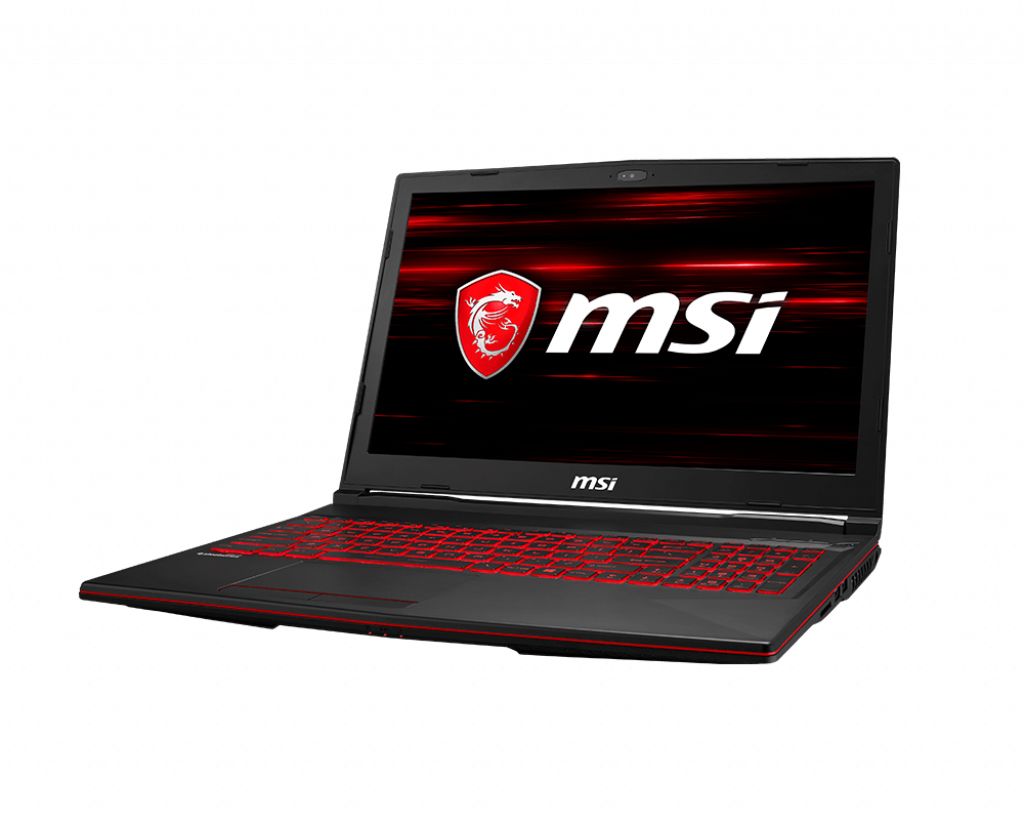

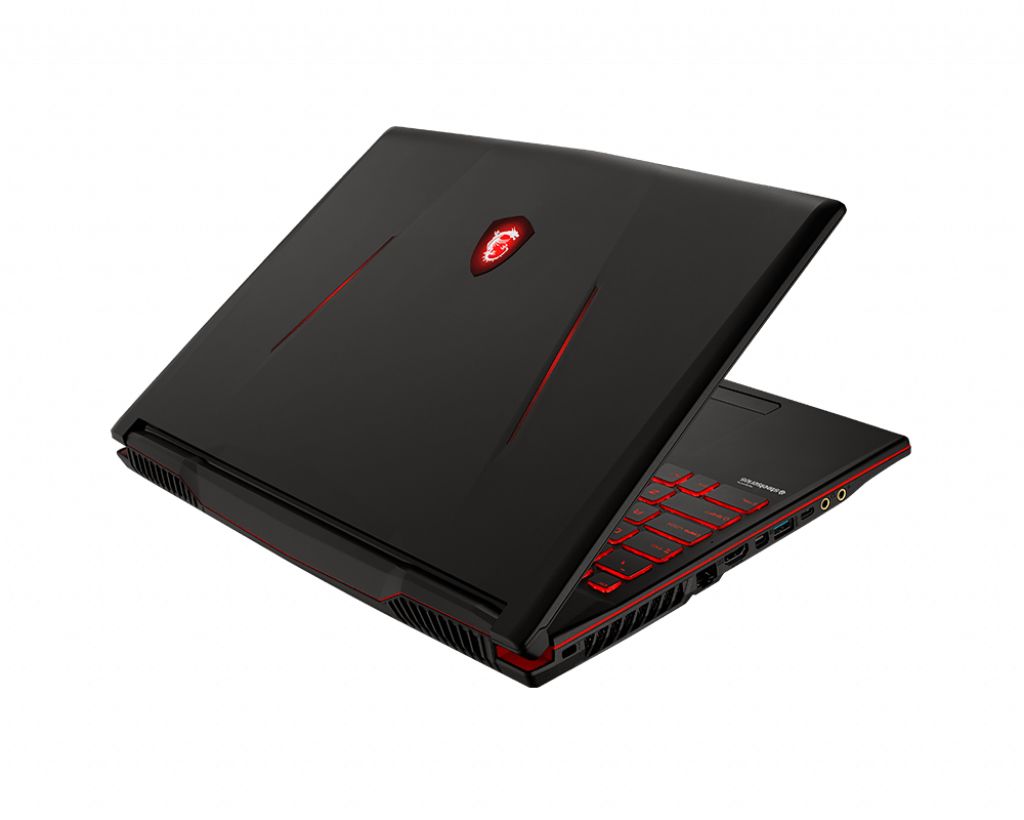
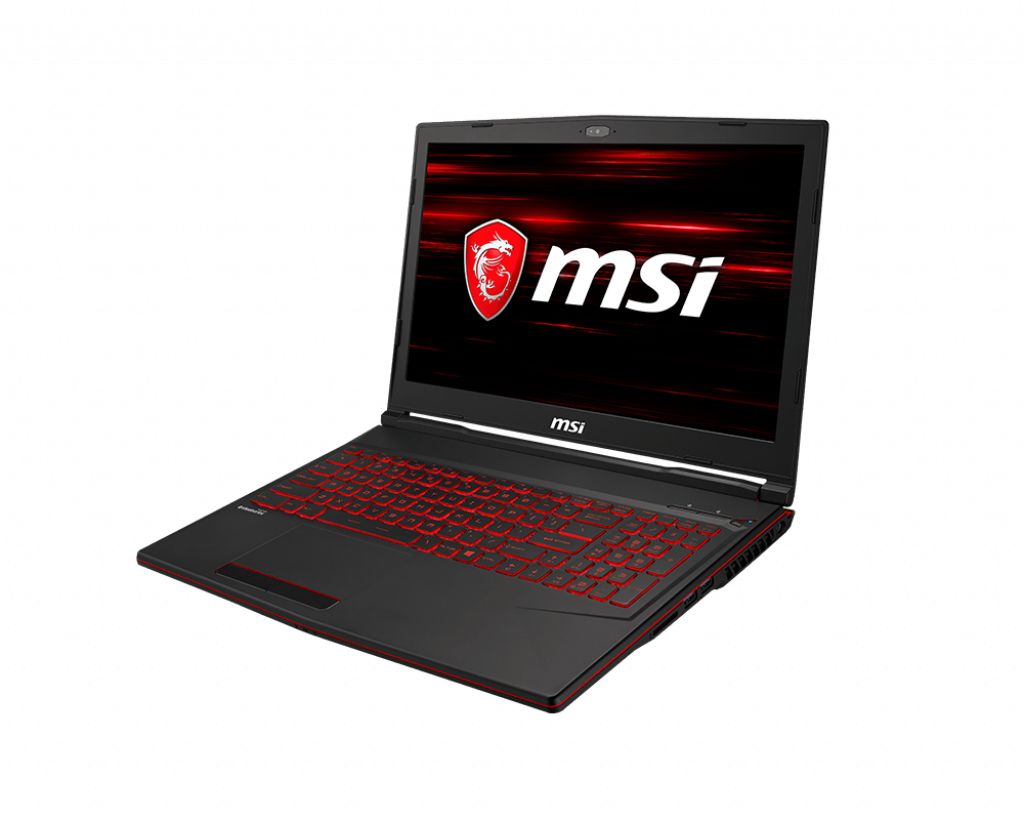
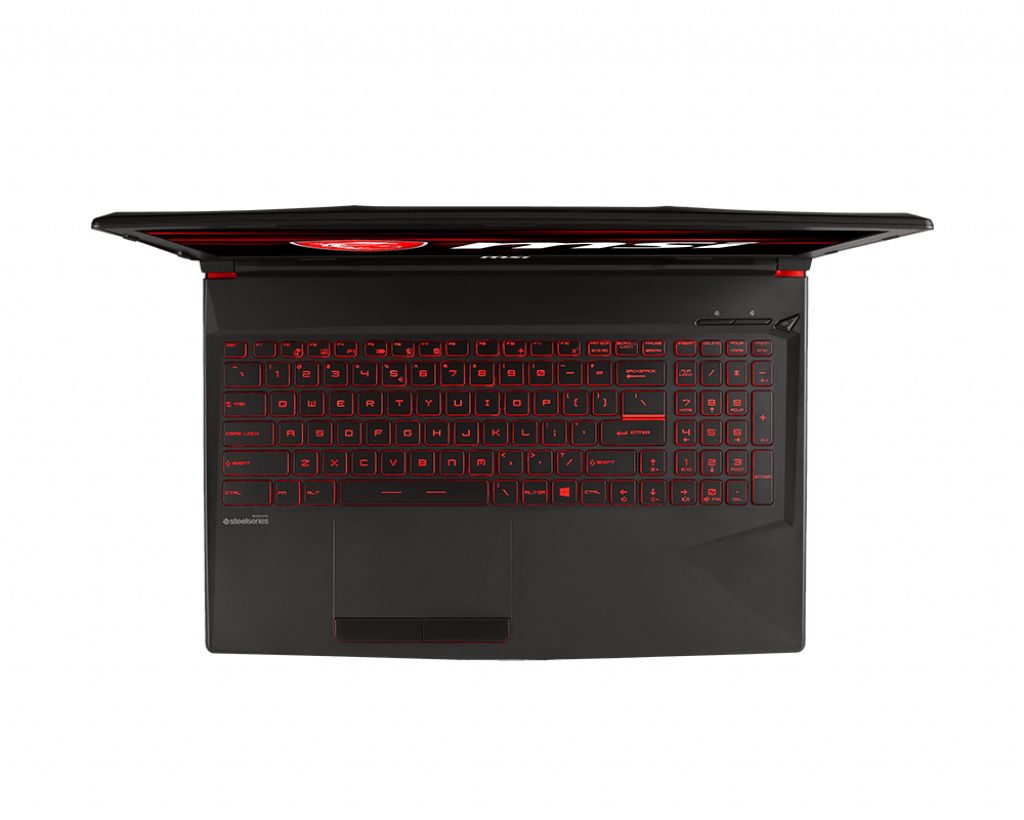
The MSI GL63 8SE-028NE gaming laptop features DDR4-SDRAM memory specifications with upgrade capacity available through two SO-DIMM slots. Compatible memory modules support frequencies of 2666 MHz, with maximum RAM capacity reaching 32 GB. Specifications for the GL series model indicate DDR4 SO-DIMM form factor compatibility for memory upgrades. The GL63 8SE-028NE accommodates up to 32 GB total system memory through supported DDR4 modules in dual slot configuration.
Memory Upgrade Specifications
| Specification | Value |
|---|---|
| Memory slots | 2x SO-DIMM |
| Form factor | SO-DIMM |
| Memory type | DDR4-SDRAM |
| Frequency | 2666 MHz |
| Maximum RAM | 32 GB |
| Voltage | 1.2V |
| Number of pins | 260-pin |
| Interface | PC4 |
| PC Speed Rating | PC4-2666 (PC4-21328) |
| Bandwidth | 21.3 GB/s |
| Laptop Release date | 14 February 2019 |
Additional Notes
- The MSI GL63 8SE-028NE contains 2 SO-DIMM slots with a combined capacity ceiling of 32 GB, meaning a maximum single module of 16 GB can be installed per slot to reach the upper limit.
- DDR4-2666 MHz represents the rated frequency, but the actual speed depends on the host processor's memory controller; newer DDR4 modules (3000-3200 MHz) will downclock to this specification and function without error, though no performance gain occurs.
- SO-DIMM form factor constrains replacement modules to laptop-specific variants; full-size UDIMM modules cannot be physically seated in the available slots regardless of electrical compatibility.
- Both memory slots operate in dual-channel configuration when populated with identical capacity modules, delivering approximately double the bandwidth compared to single-channel operation; mismatched capacities still enable dual-channel access but only at the smaller module's capacity range.
- Upgrading beyond the factory configuration requires removing existing modules first; the replacement process involves no soldering or proprietary connectors, permitting standard SO-DIMM modules from any manufacturer to be installed without voiding coverage as long as specifications align.
- The 2666 MHz specification defines a memory bandwidth bottleneck independent of storage or processor speeds; this frequency ceiling cannot be overcome through BIOS adjustment on 8th-generation Intel platforms that ship with this configuration.