MSI Gaming GL63 8SE-422XRU RAM upgrade specifications
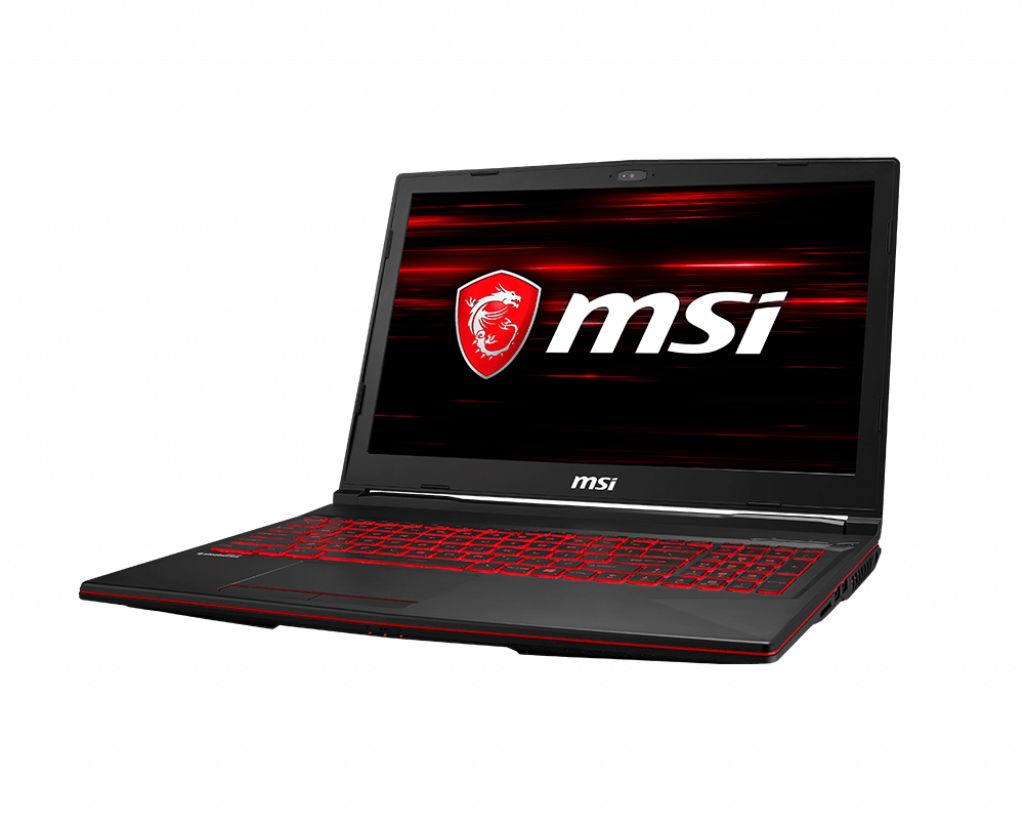

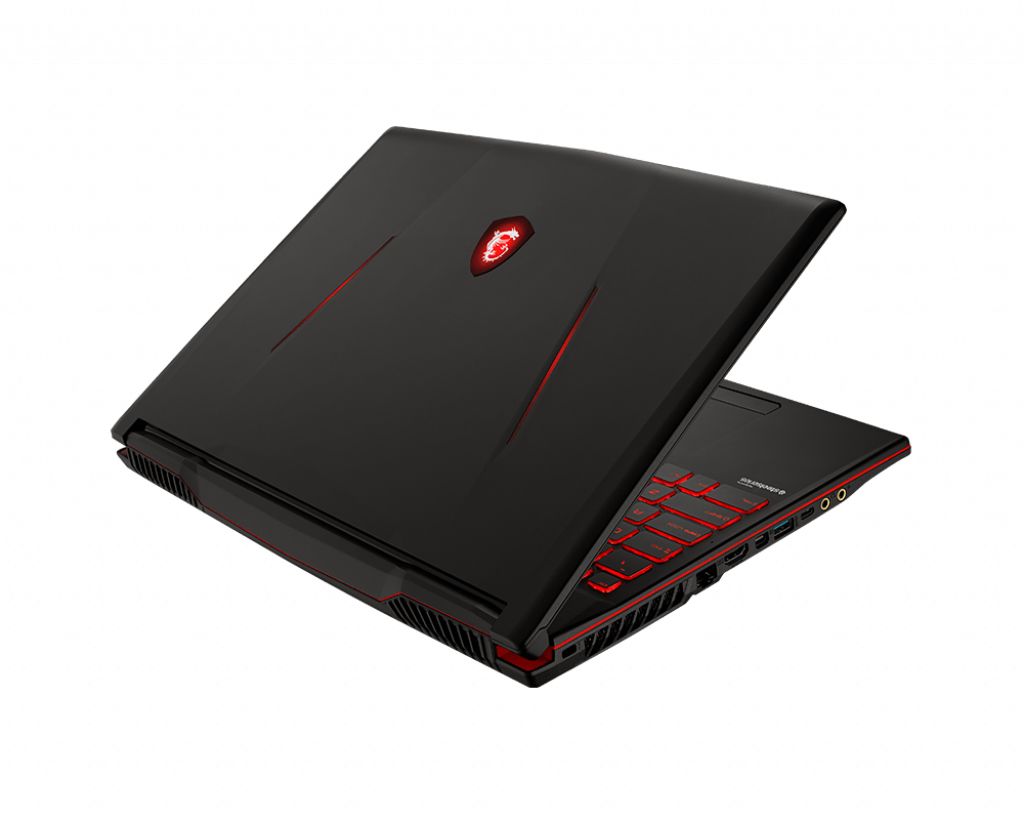
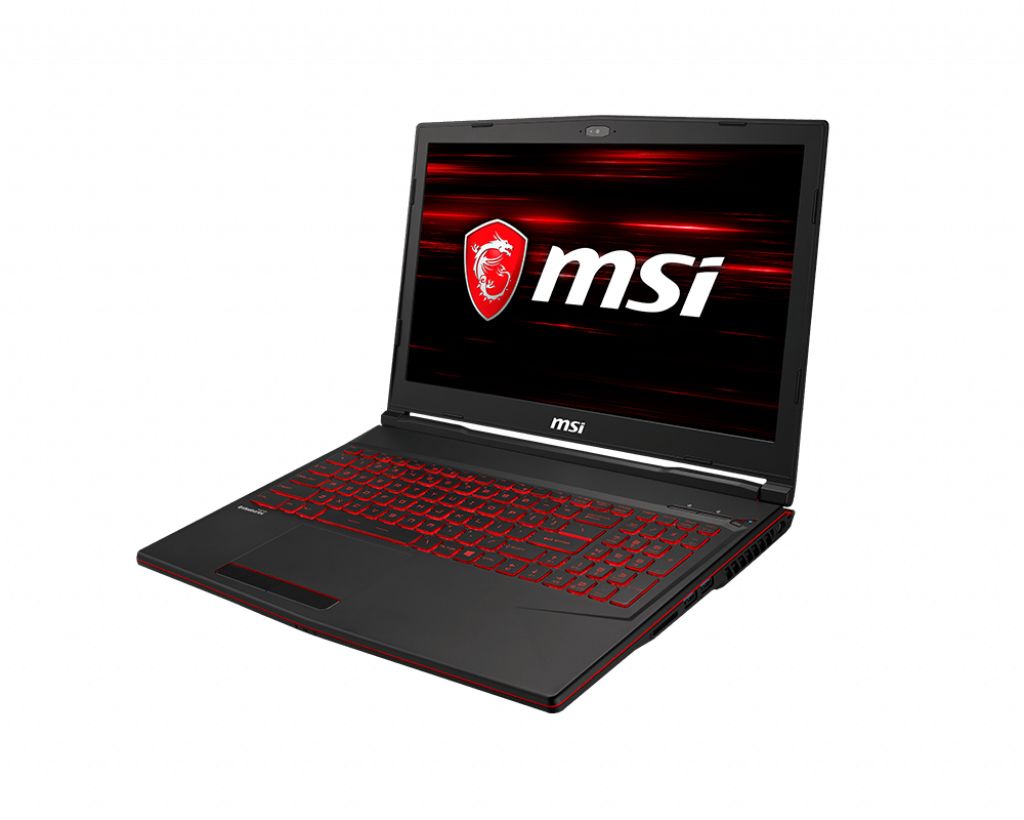
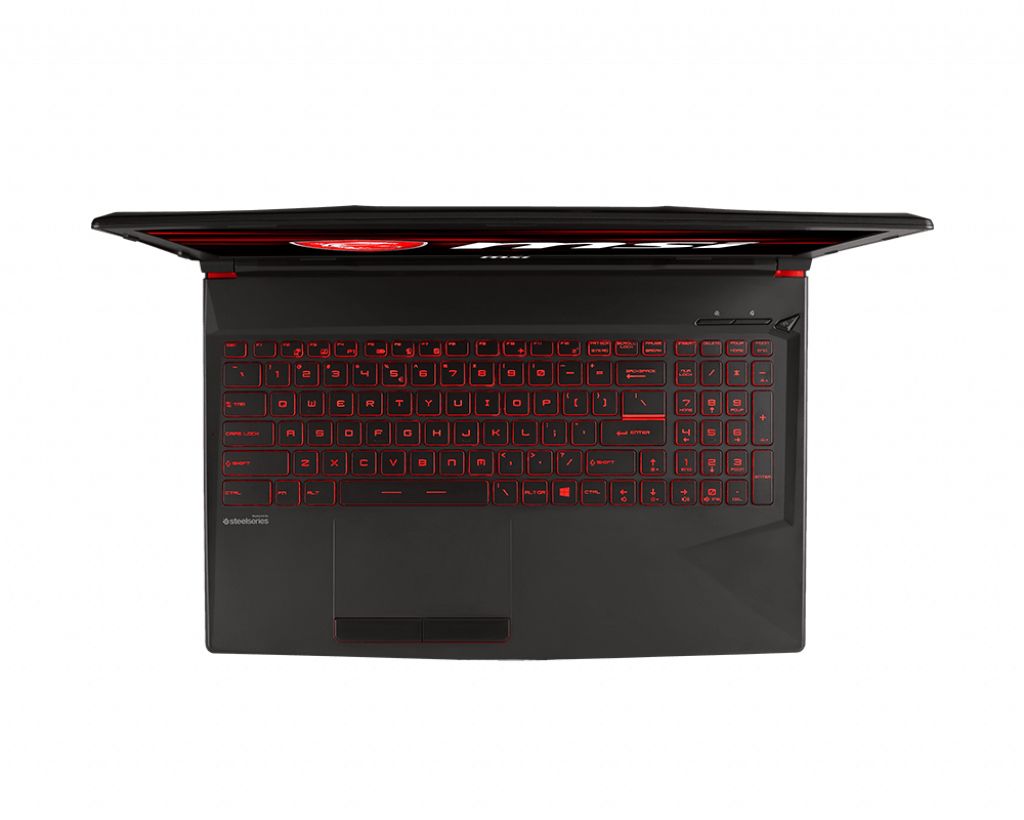
MSI GL63 8SE-422XRU gaming laptop specifications support DDR4-SDRAM memory upgrades through two SO-DIMM slots. Compatible RAM operates at 2666 MHz frequency with maximum capacity of 32 GB total memory. Upgrade configurations require SO-DIMM form factor modules to meet specifications for the GL series model. Memory expansion slots accommodate standard laptop RAM upgrades compatible with MSI GL63 8SE-422XRU platform.
Memory Upgrade Specifications
| Specification | Value |
|---|---|
| Memory slots | 2x SO-DIMM |
| Form factor | SO-DIMM |
| Memory type | DDR4-SDRAM |
| Frequency | 2666 MHz |
| Maximum RAM | 32 GB |
| Voltage | 1.2V |
| Number of pins | 260-pin |
| Interface | PC4 |
| PC Speed Rating | PC4-2666 (PC4-21328) |
| Bandwidth | 21.3 GB/s |
| Laptop Release date | 09 July 2019 |
Additional Notes
- The MSI GL63 8SE-422XRU accepts only SO-DIMM modules, which excludes standard desktop DIMM memory and renders desktop RAM incompatible regardless of specifications.
- The 32 GB ceiling requires two 16 GB modules in dual-channel configuration, as single 32 GB SO-DIMM modules exceed the chipset addressing limitations of this platform.
- DDR4-2666 represents the maximum validated frequency, meaning modules rated at 3000 MHz or 3200 MHz will downclock to 2666 MHz through JEDEC fallback protocols.
- Installing a single memory module forfeits dual-channel bandwidth, effectively halving memory throughput from 42.6 GB/s to 21.3 GB/s and creating performance bottlenecks in GPU-dependent workloads.
- Both SO-DIMM slots share bandwidth through the memory controller, preventing independent channel operation and requiring matched module capacities for optimal interleaving.
- CAS latency specifications remain secondary to frequency compatibility, as the system BIOS enforces SPD timings rather than XMP profiles on mobile platforms.
- Memory voltage must remain within the DDR4 standard 1.2V specification, as mobile platforms typically lack voltage adjustment options and high-voltage modules risk thermal throttling.
- Mixing module capacities triggers asymmetric dual-channel mode, where only the matched lower capacity operates in dual-channel while excess capacity reverts to single-channel operation.
- The absence of ECC support in consumer mobile chipsets makes registered or buffered SO-DIMM modules incompatible, despite physical installation compatibility.
- Warranty preservation requires adhering to manufacturer-approved SO-DIMM specifications, as non-standard voltage or unbuffered ECC modules may void hardware coverage despite mechanical fit.