MSI Gaming GL63 9SC-063 RAM upgrade specifications



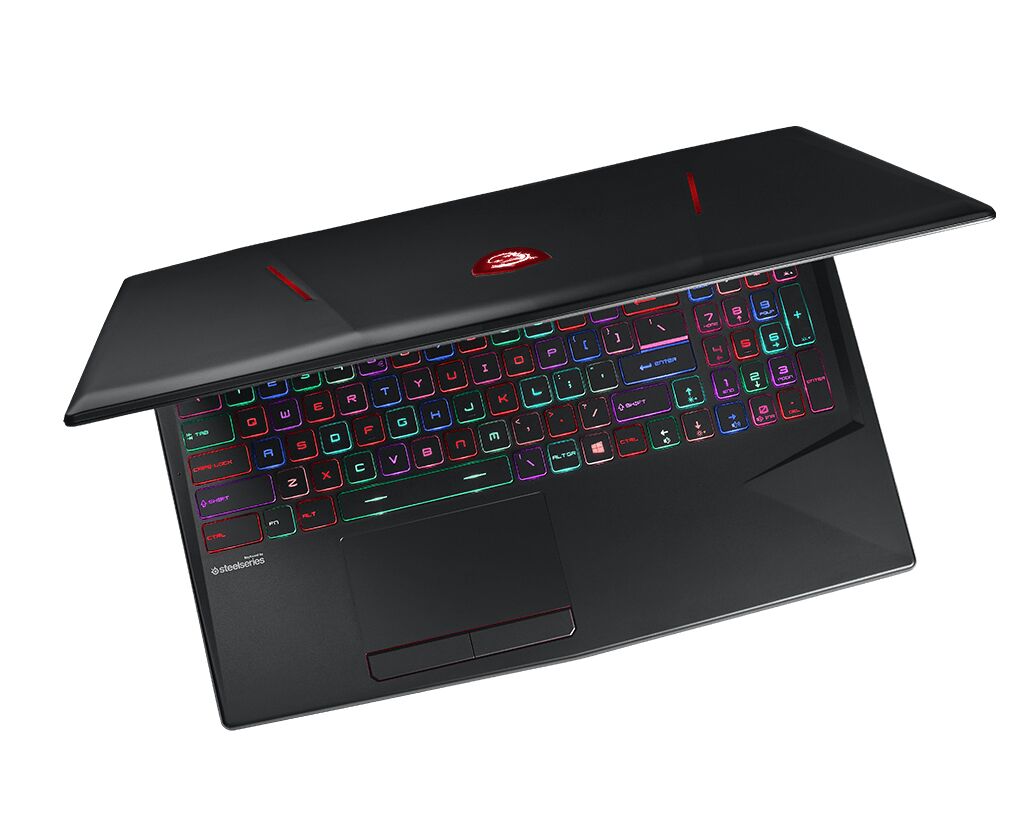

MSI GL63 9SC-063 gaming laptop supports DDR4-SDRAM memory upgrades through 2x SO-DIMM slots. Maximum compatible RAM capacity reaches 64 GB total. Memory modules operate at 2666 MHz frequency. Upgrade specifications compatible with SO-DIMM form factor modules enable expansion from factory configuration. Current memory specifications provide baseline upgrade path for GL series gaming notebook models.
Memory Upgrade Specifications
| Specification | Value |
|---|---|
| Memory slots | 2x SO-DIMM |
| Form factor | SO-DIMM |
| Memory type | DDR4-SDRAM |
| Frequency | 2666 MHz |
| Maximum RAM | 64 GB |
| Voltage | 1.2V |
| Number of pins | 260-pin |
| Interface | PC4 |
| PC Speed Rating | PC4-2666 (PC4-21328) |
| Bandwidth | 21.3 GB/s |
| Laptop Release date | 16 September 2019 |
Additional Notes
- The 2 SO-DIMM configuration in the MSI GL63 9SC-063 Gaming laptop requires both slots to be populated for dual-channel operation, which doubles effective memory bandwidth compared to single-stick installations.
- DDR4-2666 represents the JEDEC standard speed tier, meaning modules rated at higher frequencies like 3200 MHz will downclock to 2666 MHz due to chipset limitations on 9th-generation mobile platforms.
- The 64 GB maximum capacity requires 32 GB modules in both slots, which were uncommon in consumer SO-DIMM DDR4 until recent years and may carry price premiums over more standard 8 GB or 16 GB densities.
- SO-DIMM physical dimensions measure 67.6 mm versus desktop DIMM modules at 133.35 mm, making standard desktop memory physically incompatible regardless of electrical specifications.
- Accessing the memory slots typically requires removing the bottom panel, which may involve breaking warranty seals depending on regional consumer protection laws and manufacturer policies.
- Mixing different capacity modules between the 2 slots will still enable dual-channel mode on Intel platforms, but only for the amount matching the smaller module, with excess capacity reverting to single-channel operation.
- The DDR4-SDRAM voltage standard operates at 1.2V, distinguishing it from DDR3L at 1.35V, preventing backward compatibility and potential damage from inserting incorrect generation modules.
- CAS latency specifications become relevant at 2666 MHz, where CL19 represents looser timings than CL15, though the performance delta remains minimal in gaming workloads compared to bandwidth-limited scenarios.