MSI Gaming GL63 9SC-097XRU RAM upgrade specifications

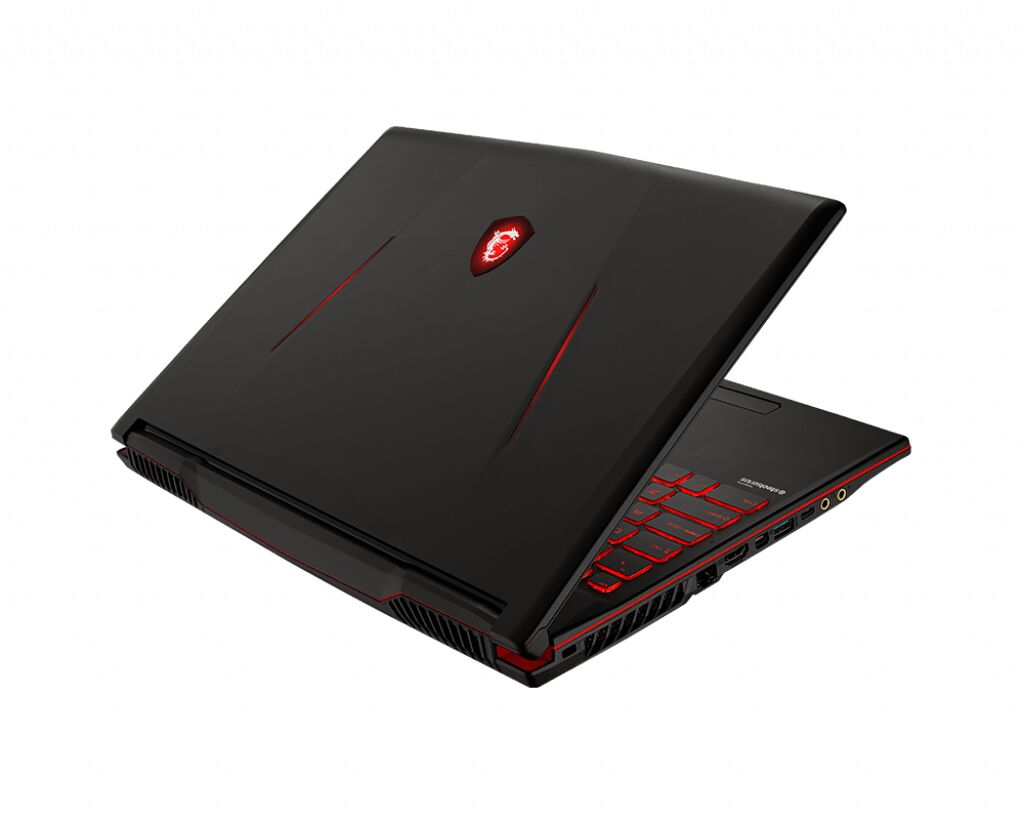

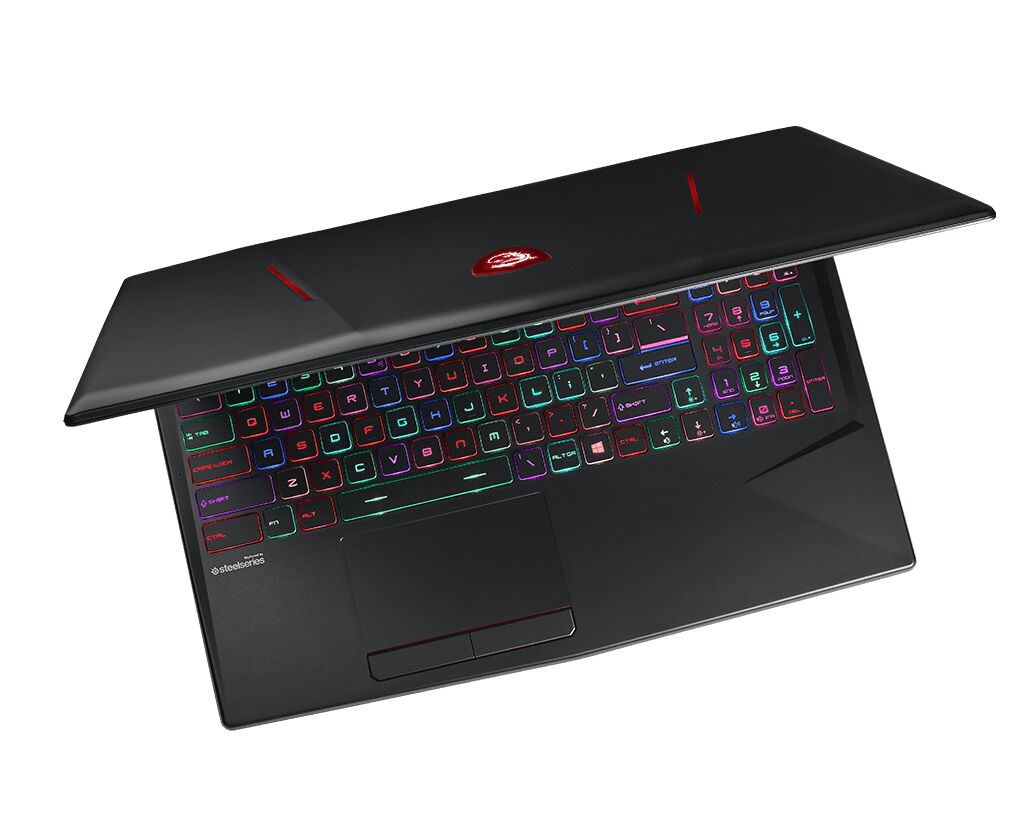
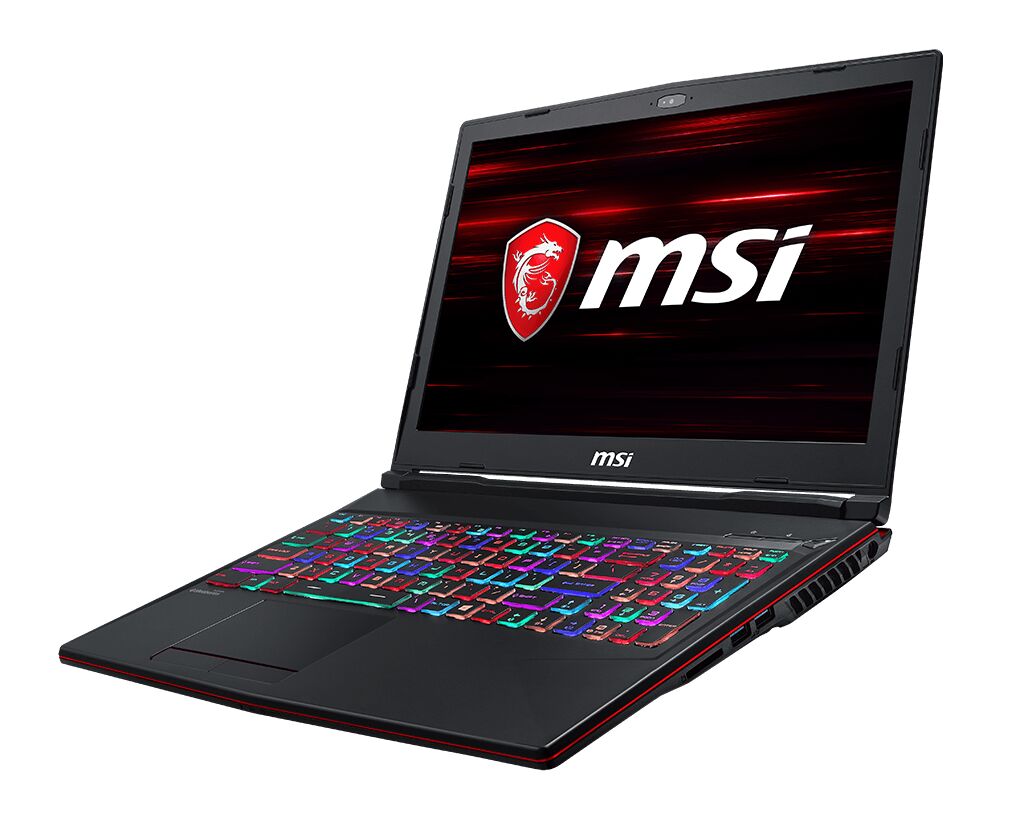
The MSI GL63 9SC-097XRU gaming laptop features DDR4-SDRAM memory with two SO-DIMM slots for RAM upgrades. The notebook supports maximum memory capacity of 64 GB total, with compatible modules operating at 2666 MHz frequency. The SO-DIMM form factor specifications enable RAM upgrade flexibility for enhanced system performance on the GL series gaming platform.
Memory Upgrade Specifications
| Specification | Value |
|---|---|
| Memory slots | 2x SO-DIMM |
| Form factor | SO-DIMM |
| Memory type | DDR4-SDRAM |
| Frequency | 2666 MHz |
| Maximum RAM | 64 GB |
| Voltage | 1.2V |
| Number of pins | 260-pin |
| Interface | PC4 |
| PC Speed Rating | PC4-2666 (PC4-21328) |
| Bandwidth | 21.3 GB/s |
| Laptop Release date | 20 September 2019 |
Additional Notes
- The MSI GL63 9SC-097XRU supports dual-channel memory architecture through its 2 SO-DIMM slots, enabling bandwidth of up to 42.6 GB/s when both slots are populated with matching modules.
- Modules faster than 2666 MHz will downclock to match the maximum supported frequency, resulting in identical performance to native 2666 MHz modules but potentially at higher cost.
- The 64 GB maximum capacity indicates compatibility with 32 GB per slot density, requiring modules based on 16 Gbit density chips rather than older 8 Gbit technology.
- Single-channel configuration with only one occupied slot reduces memory bandwidth by approximately 50%, creating potential bottlenecks in GPU-intensive gaming scenarios where the dedicated graphics card shares system resources.
- SO-DIMM modules require bottom panel removal for installation, with typical clearance constraints limiting heat spreader height to approximately 30-32 mm for successful slot insertion.
- Mixing modules of different capacities while maintaining dual-channel operation is possible through flex mode, though the system will only utilize matched capacity pairs in dual-channel with excess capacity reverting to single-channel.
- Non-ECC unbuffered modules are required, as SO-DIMM form factor and consumer chipset architecture do not support registered or error-correcting memory types.
- Voltage specification defaults to 1.2V for DDR4, with low-voltage 1.35V modules potentially incompatible or causing stability issues if the BIOS lacks voltage adjustment options.
- User-accessible memory slots typically preserve manufacturer warranty, unlike soldered memory configurations, though verification of regional warranty terms remains advisable before disassembly.