MSI Gaming GL63 9SC-212RU RAM upgrade specifications

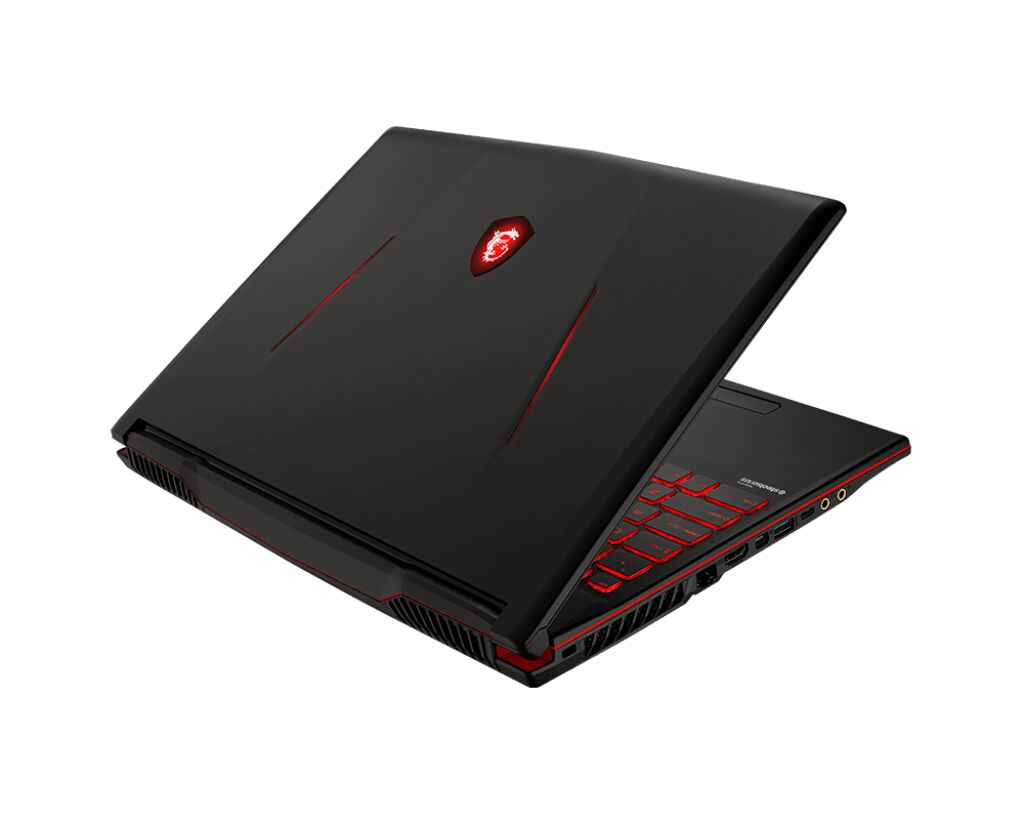

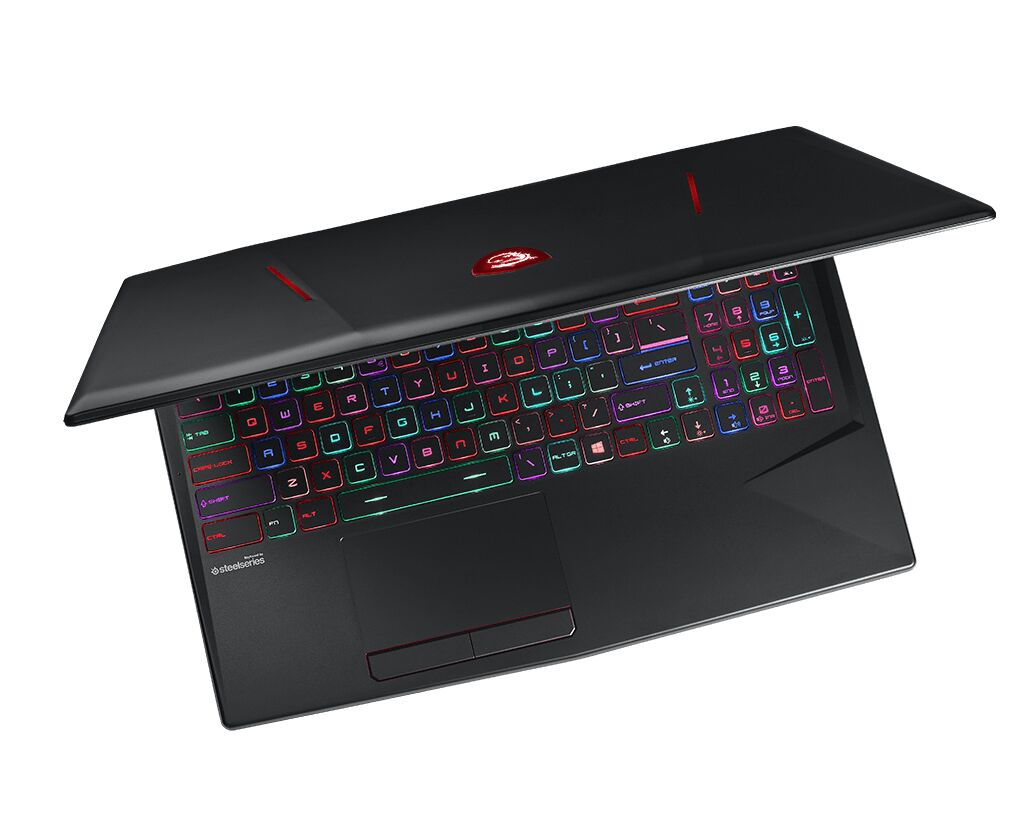
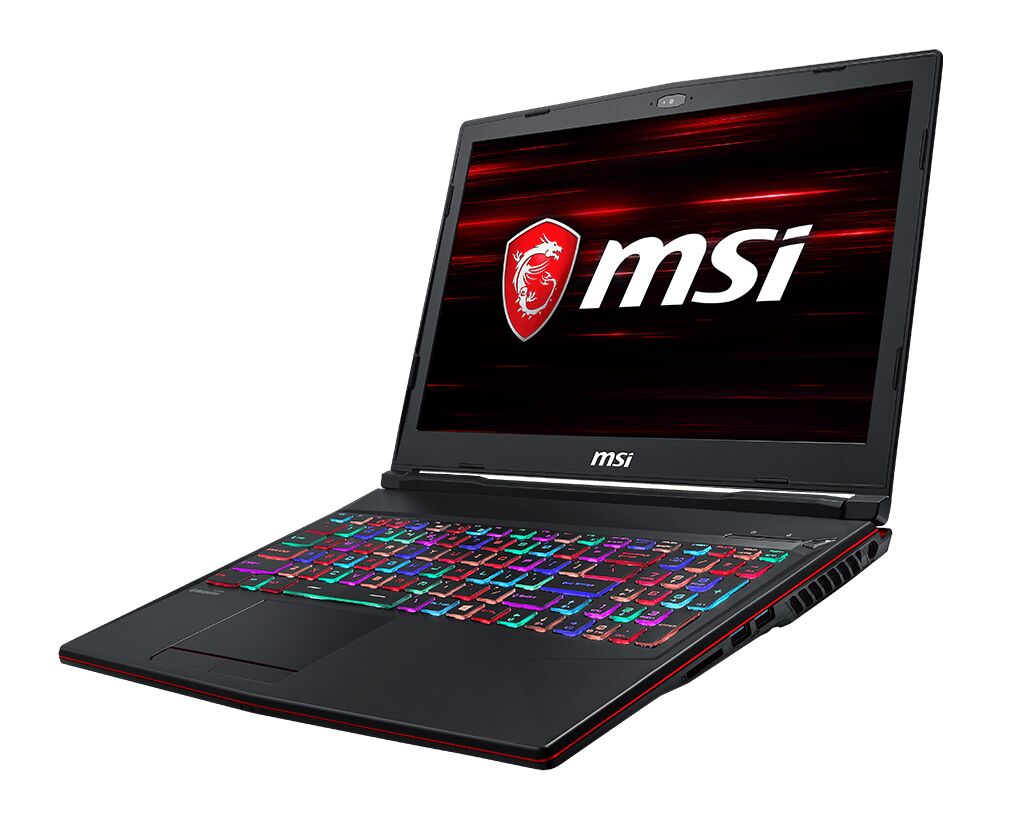
MSI GL63 9SC-212RU gaming laptop memory upgrade specifications detail DDR4-SDRAM compatibility with dual SO-DIMM slots. Maximum RAM capacity reaches 64 GB total. Compatible memory operates at 2666 MHz frequency. Upgrade specifications indicate standard SO-DIMM form factor modules required for memory expansion. MSI GL Gaming series supports DDR4 memory configuration for enhanced system performance and multitasking capabilities.
Memory Upgrade Specifications
| Specification | Value |
|---|---|
| Memory slots | 2x SO-DIMM |
| Form factor | SO-DIMM |
| Memory type | DDR4-SDRAM |
| Frequency | 2666 MHz |
| Maximum RAM | 64 GB |
| Voltage | 1.2V |
| Number of pins | 260-pin |
| Interface | PC4 |
| PC Speed Rating | PC4-2666 (PC4-21328) |
| Bandwidth | 21.3 GB/s |
| Laptop Release date | 20 September 2019 |
Additional Notes
- The 2 SO-DIMM configuration limits upgrade flexibility to either replacing one module while retaining the other or swapping both modules simultaneously for matched pairs.
- DDR4-2666 modules running at higher frequencies will automatically downclock to 2666 MHz, making faster-rated memory a wasteful investment for the MSI GL63 9SC-212RU.
- The 64 GB ceiling requires 2x 32 GB modules, which represent a higher per-gigabyte cost compared to more common 16 GB density modules.
- SO-DIMM physical dimensions mandate bottom-panel removal for installation, though this access method typically preserves manufacturer warranty when reassembled properly.
- Single-channel operation occurs when only one slot is populated, reducing memory bandwidth by approximately 50% compared to dual-channel configurations.
- Mixing module capacities between slots maintains dual-channel operation but only for the capacity matched in both slots, reverting excess capacity to single-channel mode.
- The Intel 9th generation chipset underlying this specification enforces the 2666 MHz frequency ceiling regardless of CPU memory controller capabilities.
- Voltage compatibility requires standard 1.2V DDR4 modules, as low-voltage or overclocking-specific modules may cause stability issues or failure to POST.
- Non-ECC unbuffered modules represent the only compatible type, since SO-DIMM slots lack the pin count and chipset support for registered or error-correcting memory.
- Thermal constraints within the chassis favor modules without tall heat spreaders, as clearance between the keyboard deck and memory slots measures less than standard desktop tolerances.