MSI Gaming GL63 8SFK-696 RAM upgrade specifications
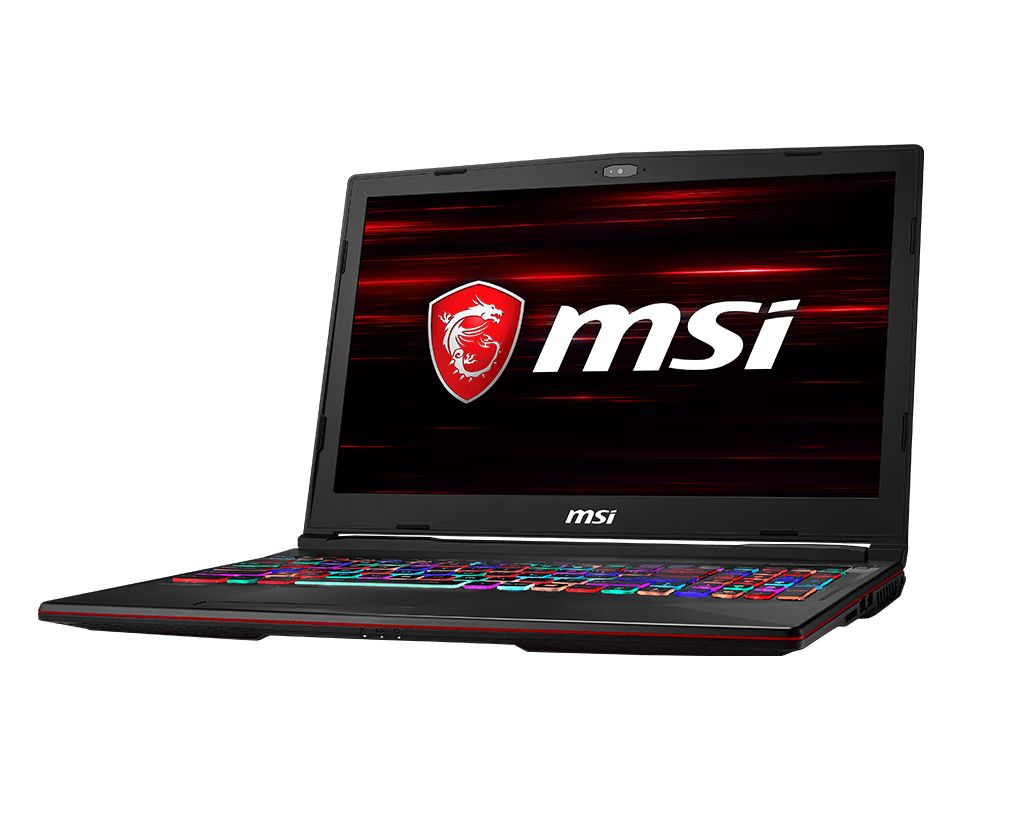
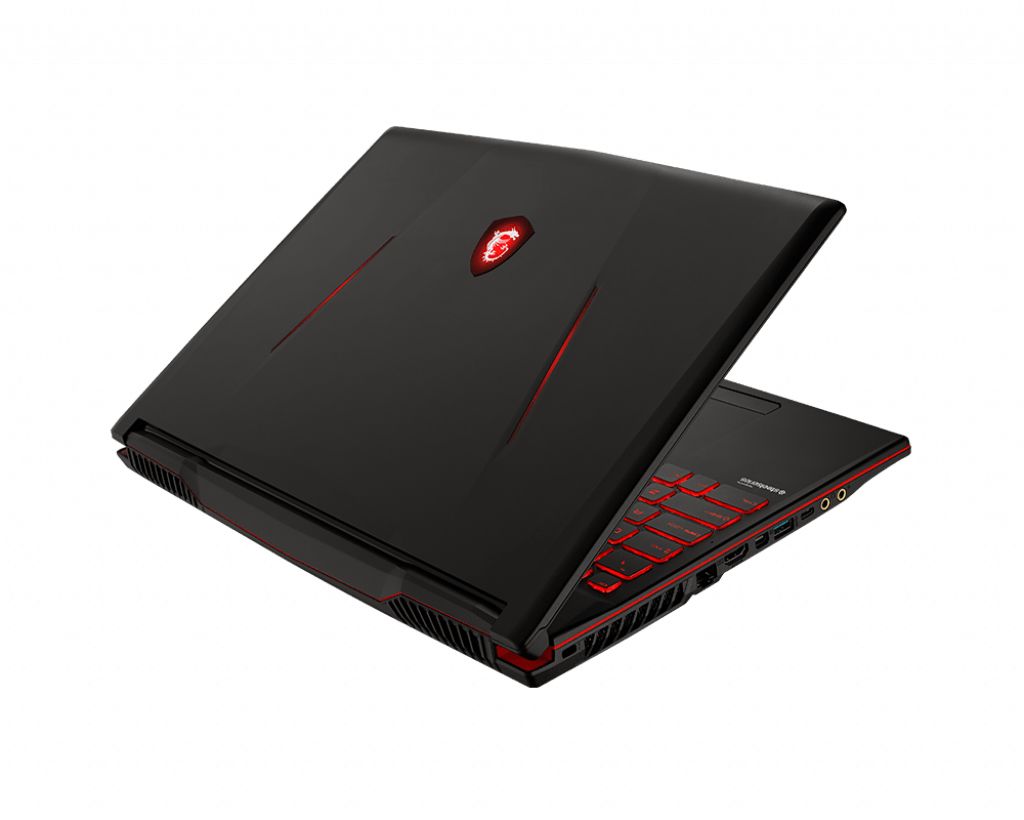

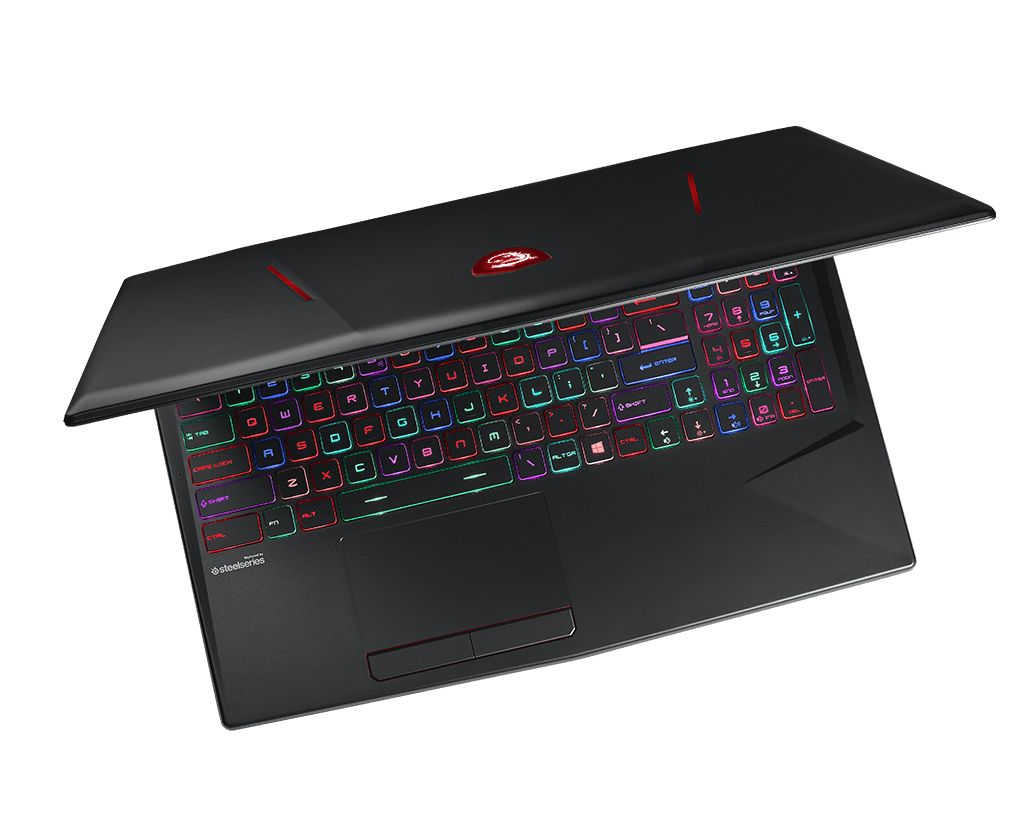
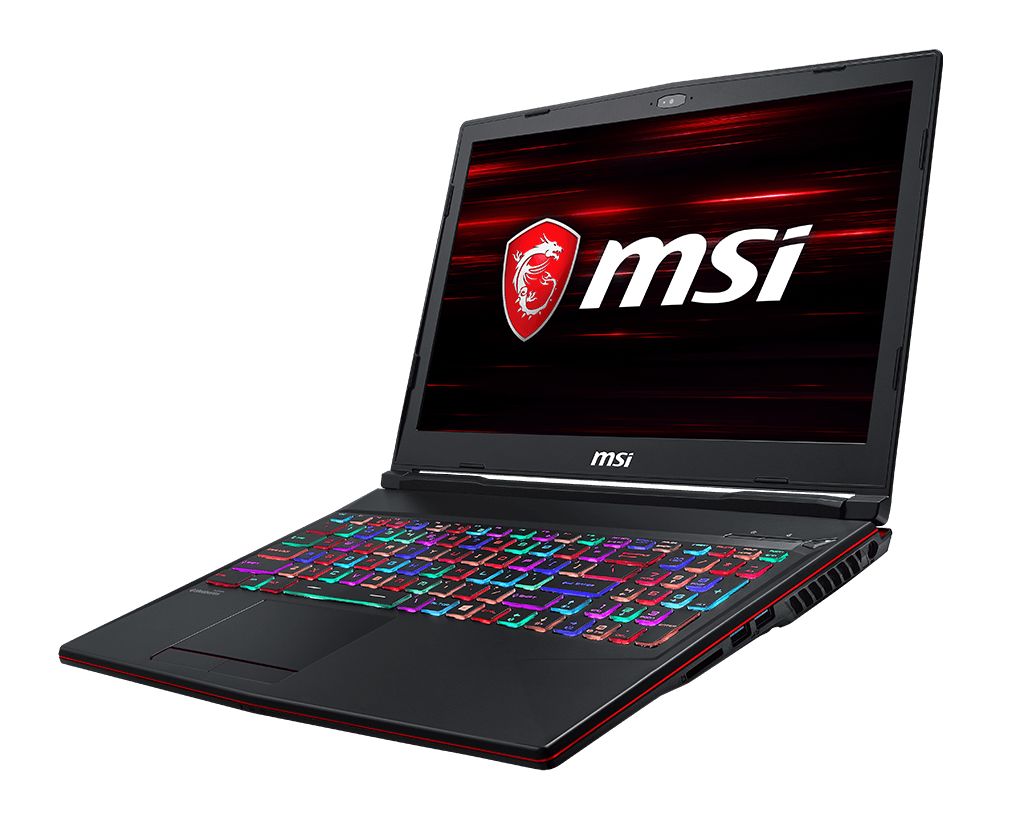
MSI GL63 8SFK-696 Gaming series laptop supports DDR4-SDRAM memory upgrades with maximum capacity of 64 GB. The system features 2x SO-DIMM slots for RAM expansion. Compatible memory operates at 2666 MHz frequency. Specifications indicate SO-DIMM form factor for RAM modules. Upgrade options allow configuration up to the maximum supported capacity through the available memory slots on this GL series gaming laptop.
Memory Upgrade Specifications
| Specification | Value |
|---|---|
| Memory slots | 2x SO-DIMM |
| Form factor | SO-DIMM |
| Memory type | DDR4-SDRAM |
| Frequency | 2666 MHz |
| Maximum RAM | 64 GB |
| Voltage | 1.2V |
| Number of pins | 260-pin |
| Interface | PC4 |
| PC Speed Rating | PC4-2666 (PC4-21328) |
| Bandwidth | 21.3 GB/s |
| Laptop Release date | 16 September 2019 |
Additional Notes
- The MSI GL63 8SFK-696 contains 2 SO-DIMM slots operating in dual-channel configuration, which means both slots must be populated to achieve rated memory bandwidth of approximately 42.7 GB/s; a single module will operate in single-channel mode at half that throughput.
- DDR4-2666 frequency represents the native JEDEC standard for 8th-generation Intel processors; memory rated above this speed requires manual BIOS overclocking and voids most manufacturer memory warranties unless the laptop explicitly supports XMP profiles.
- The 64 GB maximum capacity ceiling accommodates 2x32 GB modules, though such configurations remain below market standard pricing and availability; practical upgrade paths center on 2x16 GB or 2x8 GB paired modules.
- SO-DIMM form factor requires laptop disassembly to access the memory bay; the compact spacing between slots may restrict clearance for taller heatspreaders found on high-performance gaming-oriented modules.
- Upgrading from the factory configuration to dual 16 GB modules eliminates memory bandwidth as a performance limiter for gaming workloads on this 8th-generation platform, though the CPU and GPU remain the primary performance constraints.
- Mixing memory speeds or capacities across the 2 slots results in both modules downclocking to the lowest common frequency; this negates any bandwidth advantage from installing faster modules alongside legacy components.