MSI Gaming GL63 9SDK-1051 RAM upgrade specifications

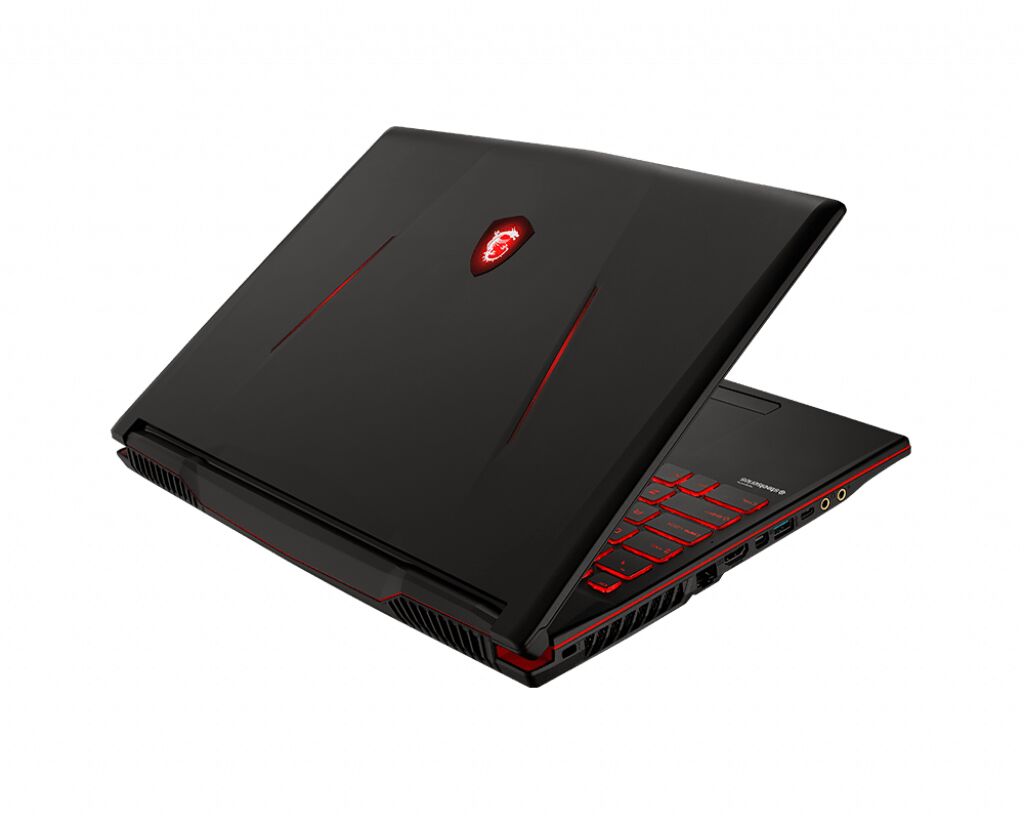

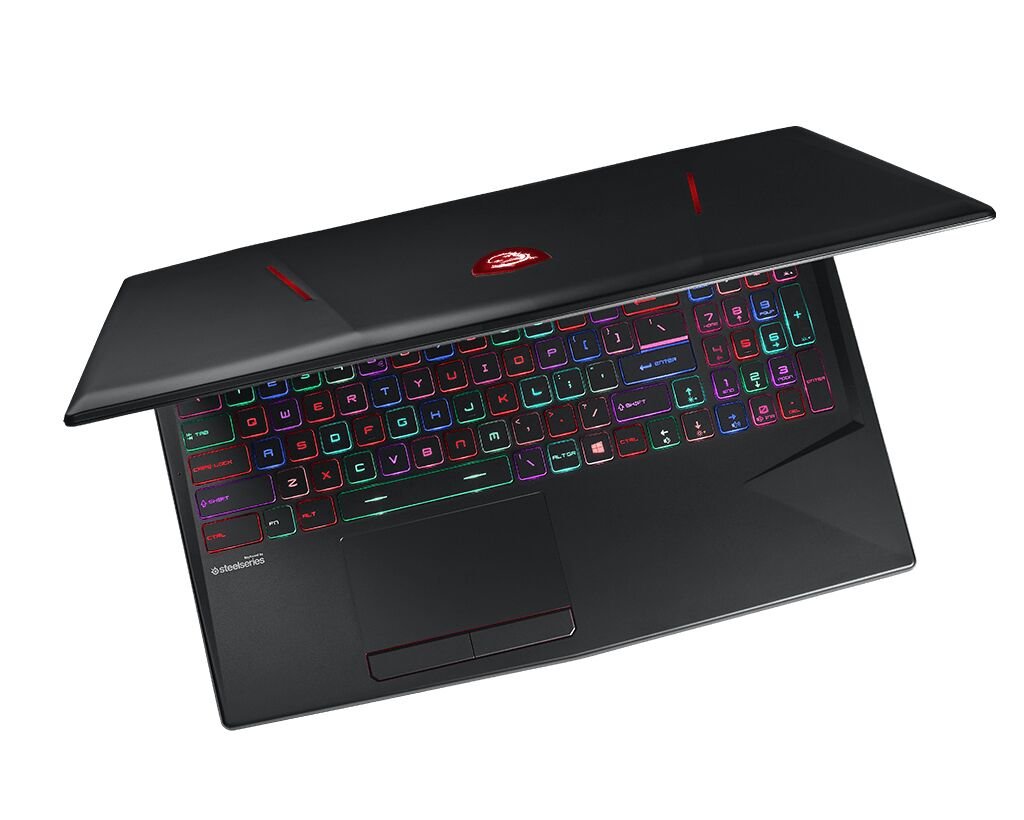
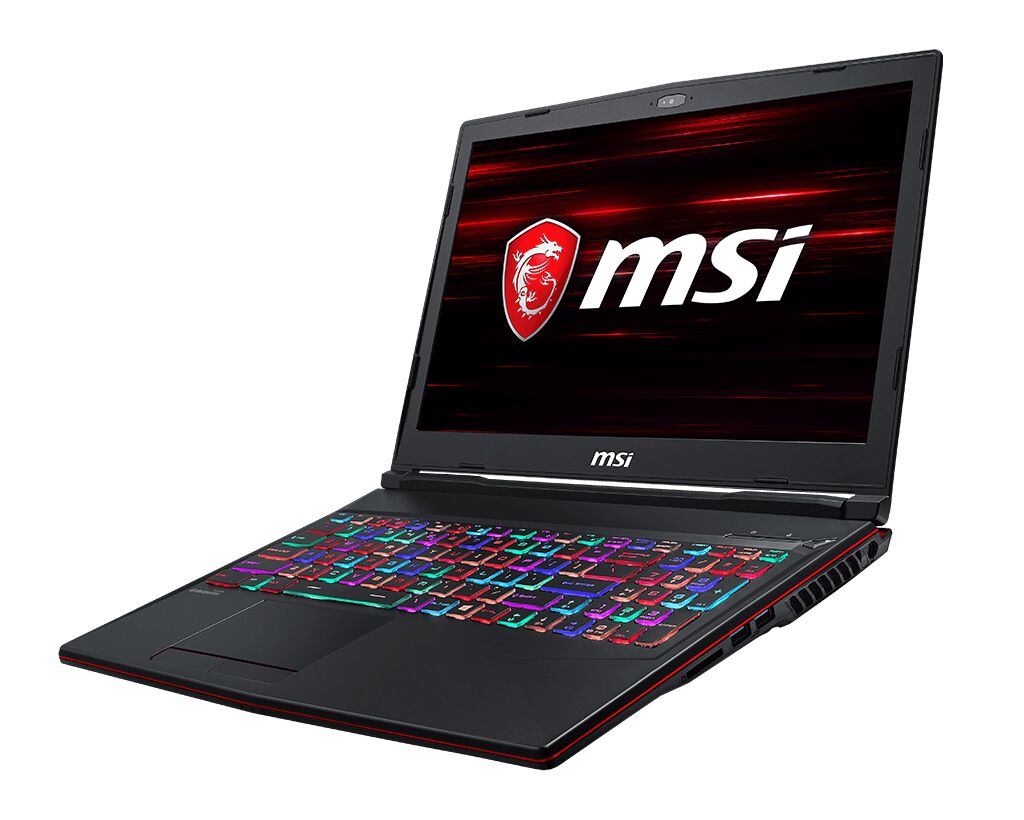
MSI GL63 9SDK-1051 Gaming series laptop supports DDR4-SDRAM memory upgrade through two SO-DIMM slots. Maximum RAM capacity reaches 64 GB total with DDR4-2666 MHz specifications. Compatible memory upgrades utilize SO-DIMM form factor modules. Specifications indicate memory slot configuration and capacity limitations for RAM upgrade planning on GL63 9SDK-1051 model.
Memory Upgrade Specifications
| Specification | Value |
|---|---|
| Memory slots | 2x SO-DIMM |
| Form factor | SO-DIMM |
| Memory type | DDR4-SDRAM |
| Frequency | 2666 MHz |
| Maximum RAM | 64 GB |
| Voltage | 1.2V |
| Number of pins | 260-pin |
| Interface | PC4 |
| PC Speed Rating | PC4-2666 (PC4-21328) |
| Bandwidth | 21.3 GB/s |
| Laptop Release date | 01 June 2020 |
Additional Notes
- The MSI GL63 9SDK-1051 Gaming laptop requires SO-DIMM modules rather than standard desktop DIMM, limiting compatible RAM to physically smaller form factor options with different pin configurations.
- DDR4-SDRAM compatibility restricts users to modules within the DDR4 generation, excluding both older DDR3 and newer DDR5 technologies regardless of physical fit.
- The 2666 MHz frequency specification establishes a baseline speed threshold where faster modules will downclock to match this rate, effectively wasting performance headroom in higher-speed purchases.
- Accessing both RAM slots typically requires removing the entire bottom panel rather than a dedicated service door, extending installation time and complexity.
- The 64 GB maximum capacity enables dual-channel configurations at 32 GB per slot, though exceeding this threshold through higher-density modules risks system instability or boot failure.
- Mismatched module speeds between the 2 slots force the entire system to operate at the lower frequency, creating a performance bottleneck if mixing different specifications.
- Non-ECC unbuffered modules represent the only viable option, as server-grade ECC or registered memory will trigger incompatibility errors during POST.
- Voltage requirements lock compatibility to standard 1.2V DDR4 modules, while low-voltage 1.05V variants may function but deliver unpredictable stability results.
- Single-channel operation through one populated slot halves memory bandwidth compared to dual-channel configurations, directly impacting integrated graphics performance and memory-intensive applications.
- Aftermarket upgrades maintain warranty coverage when using compliant modules, though physical damage during installation voids manufacturer protection regardless of component quality.