MSI Gaming GL63 9SE-461AU RAM upgrade specifications

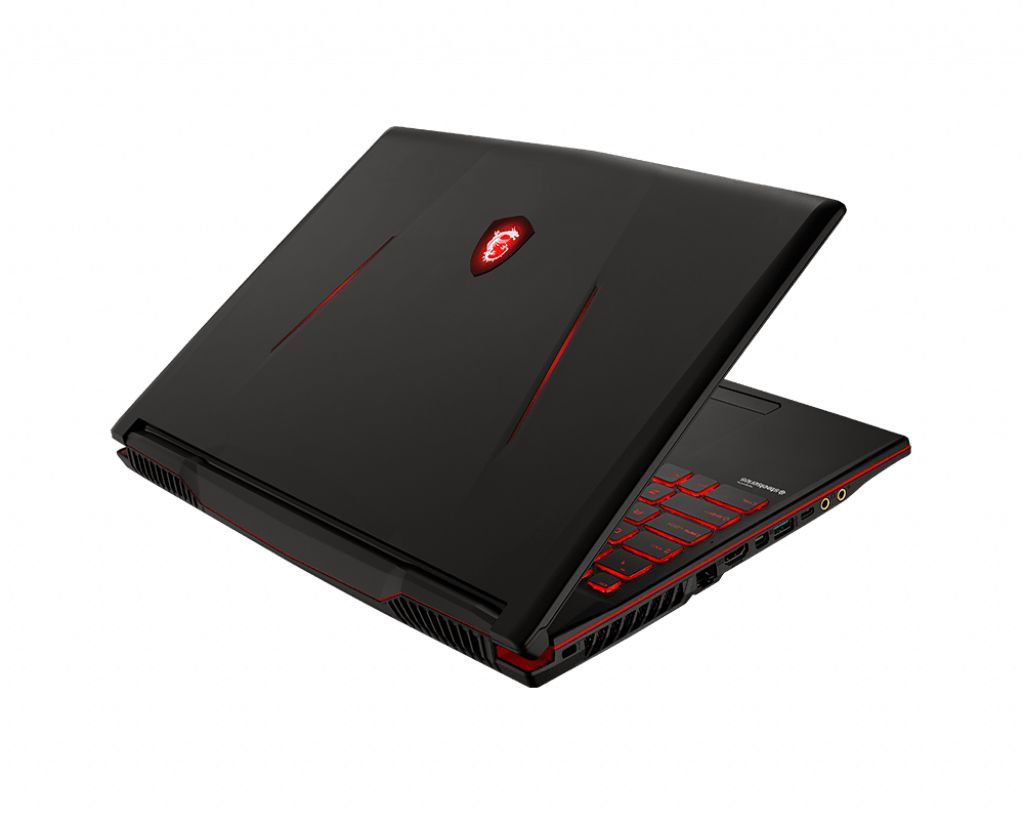

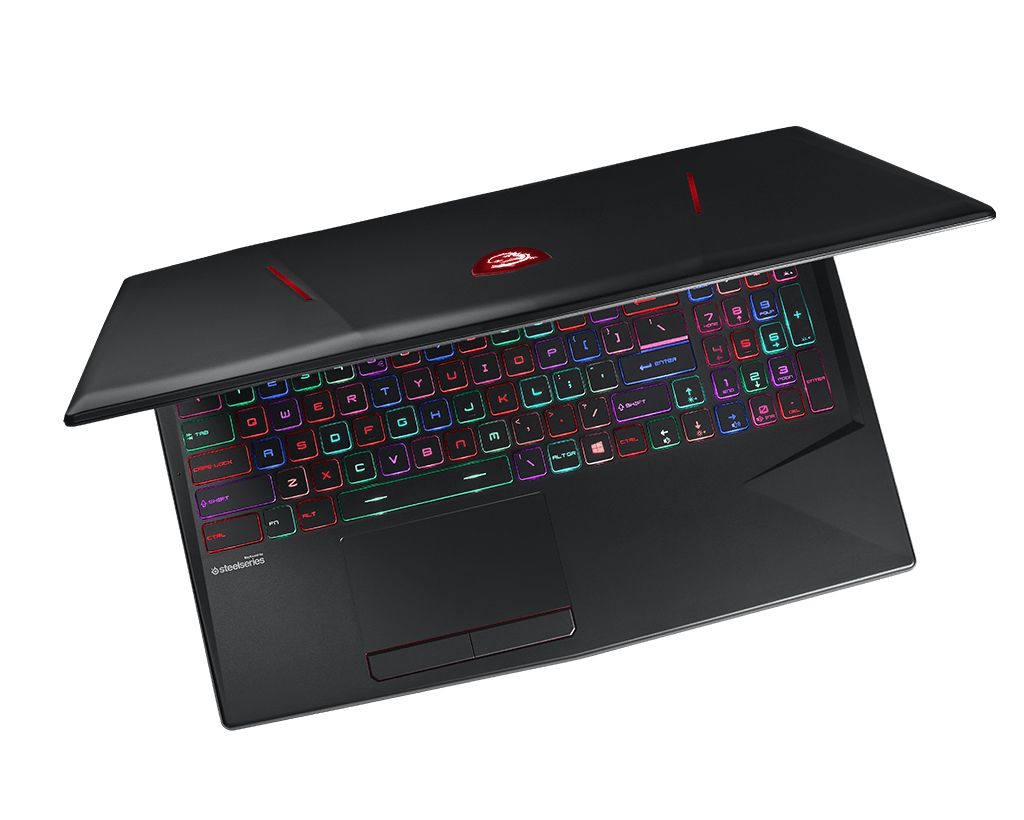

MSI GL63 9SE-461AU Gaming series laptop memory upgrade specifications include two SO-DIMM slots supporting DDR4-SDRAM memory modules. Maximum RAM capacity reaches 64 GB total, with compatible modules operating at 2666 MHz frequency. Memory upgrade information specifies SO-DIMM form factor slots for this Gaming GL series model. Specifications indicate dual-slot configuration allowing RAM expansion to fulfill maximum capacity requirements for performance-oriented computing applications.
Memory Upgrade Specifications
| Specification | Value |
|---|---|
| Memory slots | 2x SO-DIMM |
| Form factor | SO-DIMM |
| Memory type | DDR4-SDRAM |
| Frequency | 2666 MHz |
| Maximum RAM | 64 GB |
| Voltage | 1.2V |
| Number of pins | 260-pin |
| Interface | PC4 |
| PC Speed Rating | PC4-2666 (PC4-21328) |
| Bandwidth | 21.3 GB/s |
| Laptop Release date | 02 May 2019 |
Additional Notes
- The MSI GL63 9SE-461AU contains 2 SO-DIMM slots operating at 2666 MHz, which represents a DDR4 standard from the 9th-generation laptop era. This frequency is notably lower than contemporary DDR4-3200 specifications, creating a potential performance ceiling for memory-intensive applications and content creation workflows.
- Maximum addressable capacity of 64 GB requires both SO-DIMM slots to accept 32 GB modules. Module availability at this density has improved since the system's release, but sourcing matched pairs rated specifically for 2666 MHz operation may necessitate purchasing higher-speed modules that will downclock to system specifications.
- The 2-slot architecture eliminates staged upgrade flexibility. Expansion from factory configuration to maximum capacity requires simultaneous replacement of both modules rather than incremental additions, forcing a full memory kit purchase.
- SO-DIMM physical constraints restrict thermal dissipation compared to standard DIMM designs. High-capacity modules (32 GB) from performance-oriented manufacturers may include heatspreaders that risk contact with internal frame components during installation, requiring verification of clearance before purchase.
- Memory timing synchronization across both slots depends on BIOS recognition of replacement modules. Mixing module manufacturers or production batches may trigger automatic timing adjustments that reduce effective bandwidth, despite matching stated frequencies.
- The 2666 MHz limitation persists regardless of replacement module specifications; newer DDR4-3200 or DDR4-3600 modules will operate at system-enforced 2666 MHz speeds, representing no functional advantage over standard-rated alternatives.